Regulatory & Policy · 19 Oct 2026
Peptide Interim Access Policy Enters White House Review: What the OIRA Submission and This Week's OMB Meeting Mean for Research Procurement
FDA and HHS formally submitted an "Interim Access Policy for Compounding Using Certain Peptides" to the White House Office of Information and Regulatory Affairs on 14 October 2026. With the American Academy of Peptide Medicine scheduled to meet the Office of Management and Budget on 22 October, the policy has moved from internal deliberation into active White House scrutiny — though its substance, scope and timing remain publicly undisclosed.
9 sources cited
Key takeaways
- HHS and FDA submitted an "Interim Access Policy for Compounding Using Certain Peptides" to the White House Office of Information and Regulatory Affairs (OIRA) on 14 October 2026; it is listed as pending review.
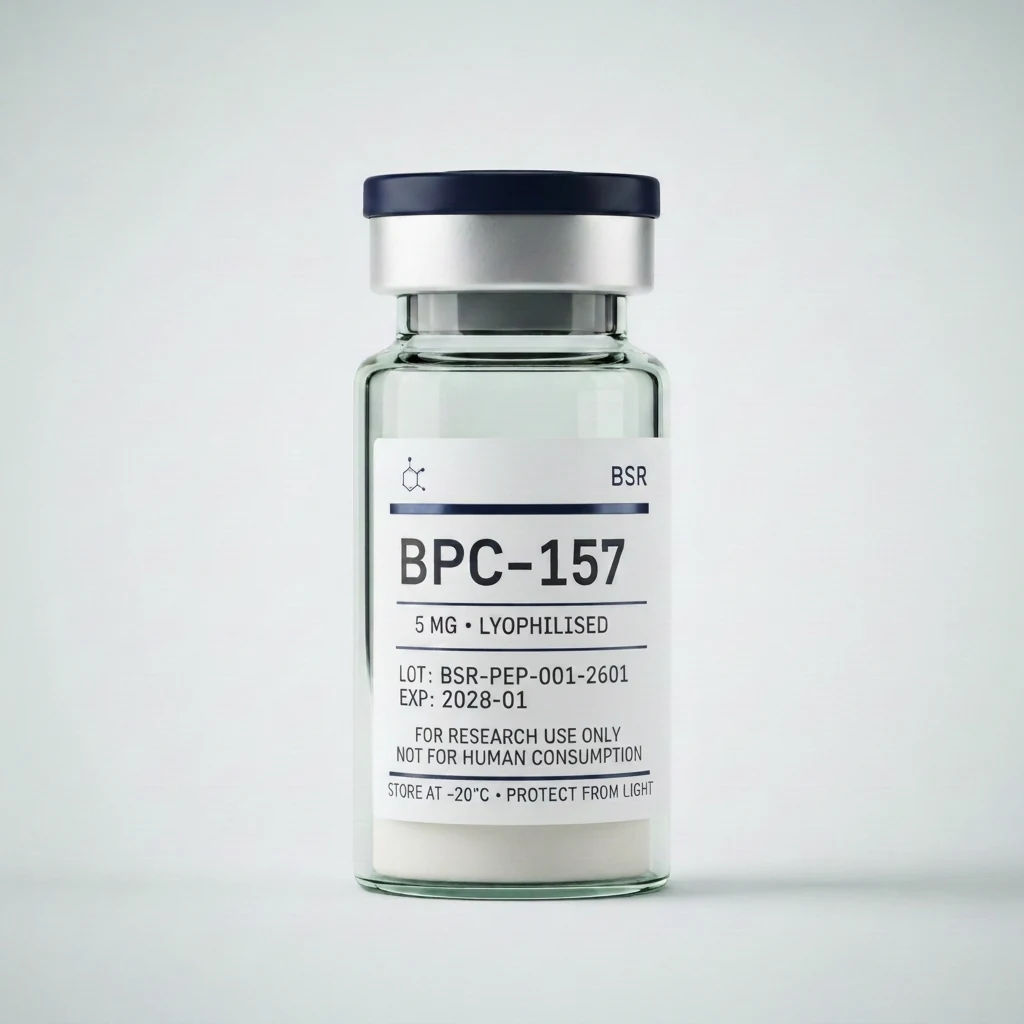
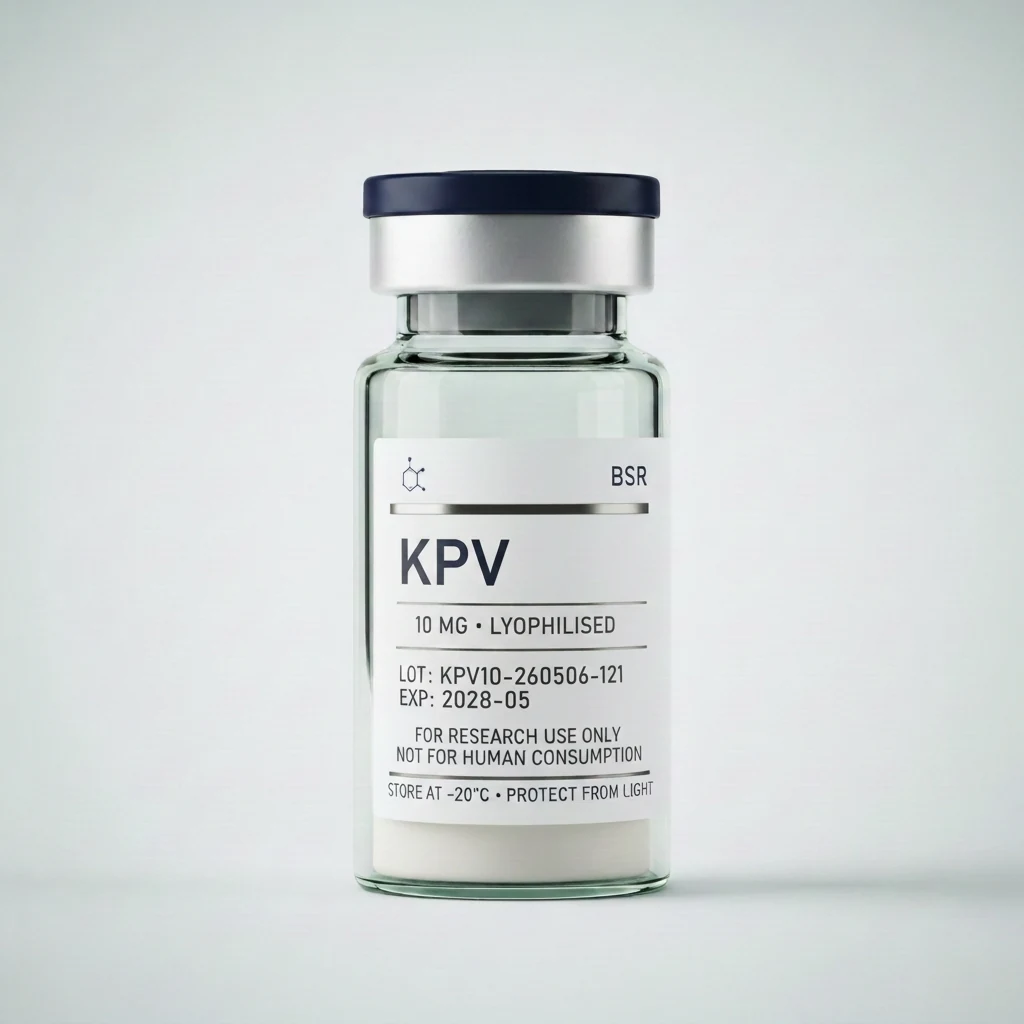
- The submission follows the FDA Pharmacy Compounding Advisory Committee's July 2026 votes in favour of six peptides, including BPC-157 and KPV — votes which remain recommendations only and have not yet triggered formal rulemaking.
- The American Academy of Peptide Medicine (AAPM) is scheduled to meet the Office of Management and Budget (OMB) on Wednesday 22 October to discuss the pending policy.
- The text of the policy has not been made public; which peptides it covers, what conditions pharmacies would need to satisfy, and when it might take effect remain unknown.
- Any eventual policy would most likely operate as enforcement discretion, not regulatory approval — meaning affected peptides would remain unapproved drugs, and no pathway exists yet for 503B outsourcing facilities or research-use-only channels.
- UK-based research procurement teams have no direct exposure to 503A compounding rules, but the trajectory of US enforcement discretion shapes global API pricing, Chinese supplier behaviour and the broader regulatory signal environment.
The procedural step: what OIRA review actually means
HHS and FDA submitted the "Interim Access Policy for Compounding Using Certain Peptides" to OIRA on 14 October 2026, with the submission listed as pending review. OIRA — the Office of Information and Regulatory Affairs, housed within the Office of Management and Budget — reviews significant regulatory actions from executive agencies before they are issued. Its involvement signals that FDA regards this policy as consequential enough to require White House sign-off.
The OIRA record identifies the action as a notice, lists no legal deadline and assigns it a Regulatory Identification Number. It confirms that a policy text has reached White House review; it does not establish when FDA will issue the policy or what the final version will contain. Reports have noted that OMB carries a backlog of more than 50 HHS actions awaiting review, which could affect the timeline.
The instrument being contemplated is enforcement discretion, not a new approval or a formal addition to the 503A Bulks List. Under the existing Section 503A framework, FDA describes circumstances in which it does not intend to take specified enforcement action while evaluating substances for the bulks list. In practical terms: even under an interim policy, these peptides would remain unapproved drugs — the FDA would only be signalling that it does not intend to take action against qualifying compounders. Critically, such an approach would not cover research-use-only, supplement or 503B outsourcing facility channels, and could be withdrawn without formal rulemaking.
Industry lobbying enters the White House
The American Academy of Peptide Medicine (AAPM) is slated to meet the Office of Management and Budget on Wednesday 22 October to discuss the pending regulation. The AAPM is listed as the requestor on the "Interim Access Policy" document filed with OMB, a detail that illustrates the unusual degree of industry involvement in shaping the policy's trajectory.
Founded in 2025, the AAPM describes itself as a nonprofit academic society dedicated to advancing the responsible clinical use of peptide therapies. The group previously hosted briefings alongside its September 2026 PepMed congress in Washington DC, at which access to federal policymakers featured prominently in the programme.
The Alliance for Pharmacy Compounding, a separate trade body, said the OIRA filing could be "potentially significant, but we don't yet know what the policy says, which peptides it covers, or what conditions FDA may attach to their compounding" — a candid acknowledgement that even close industry observers lack visibility into the document's substance.
Background: from committee vote to White House desk
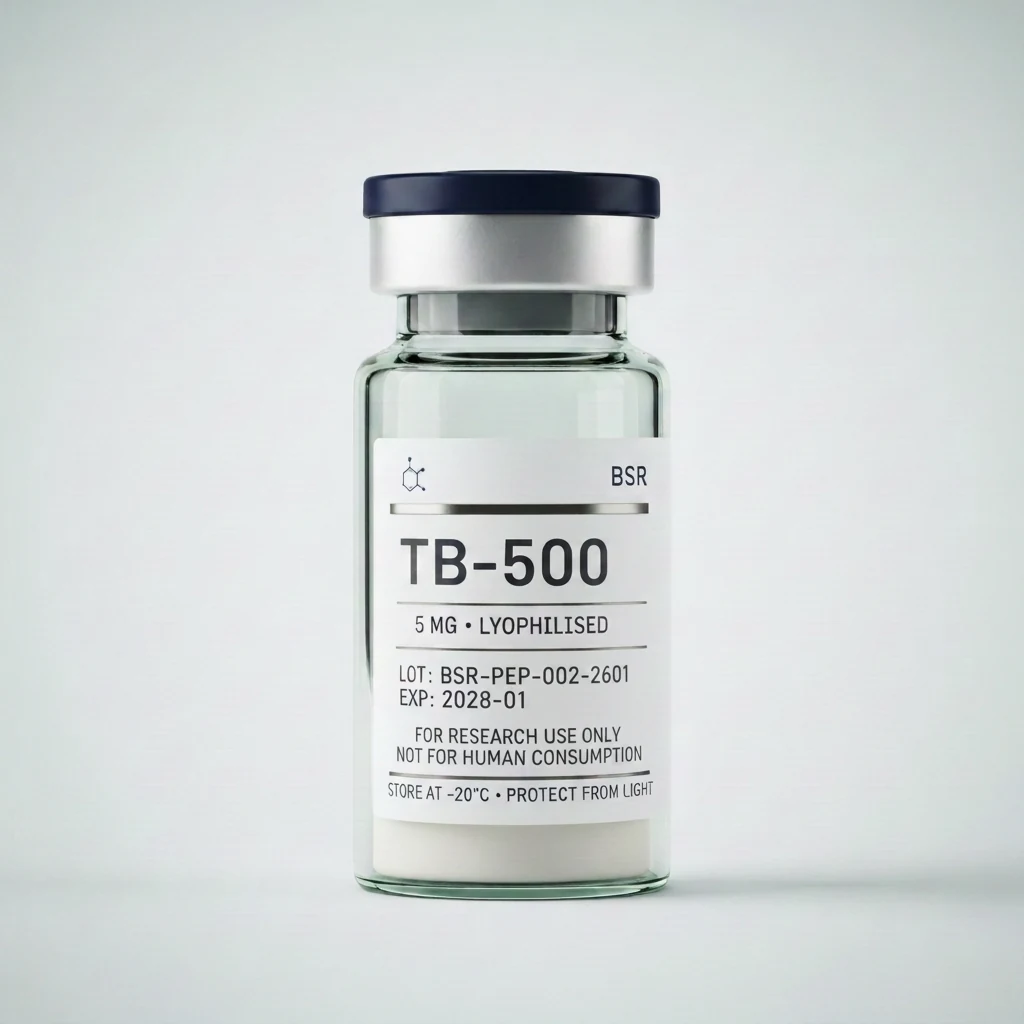
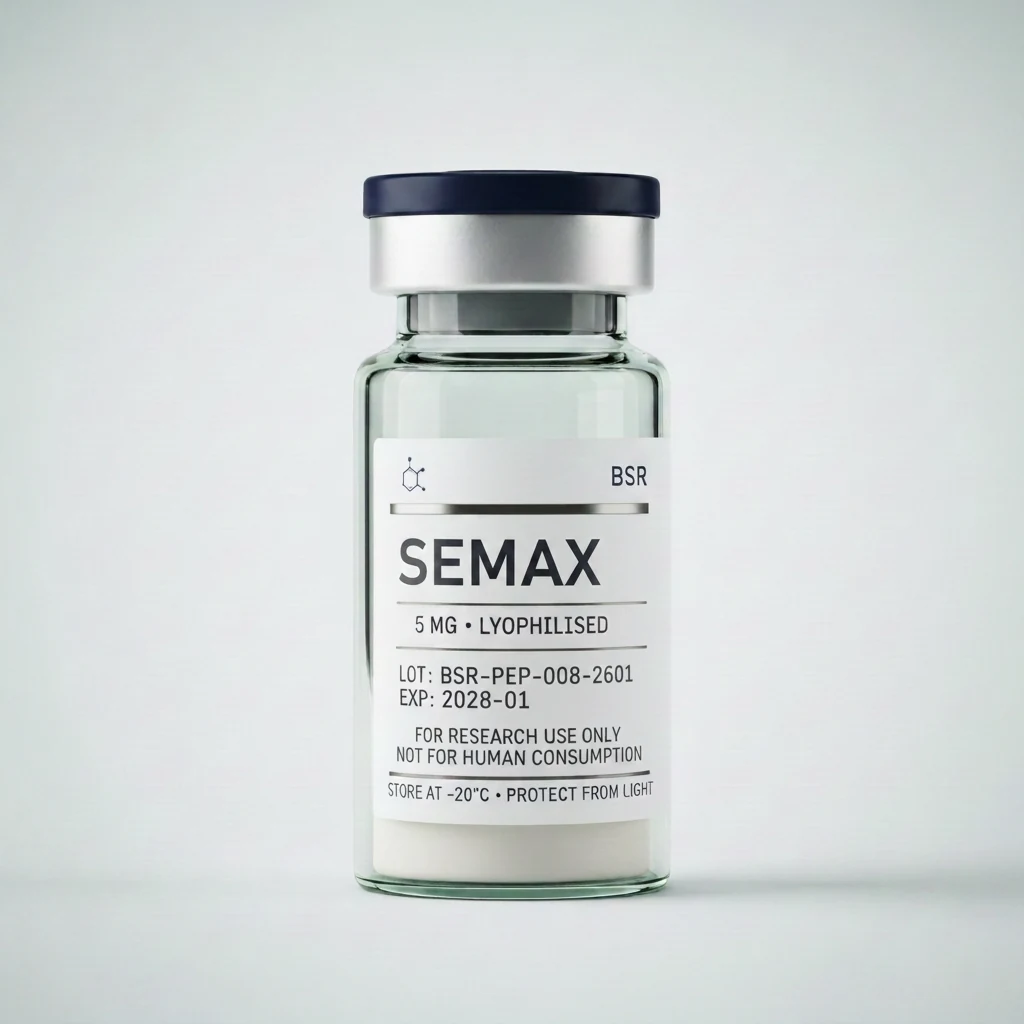
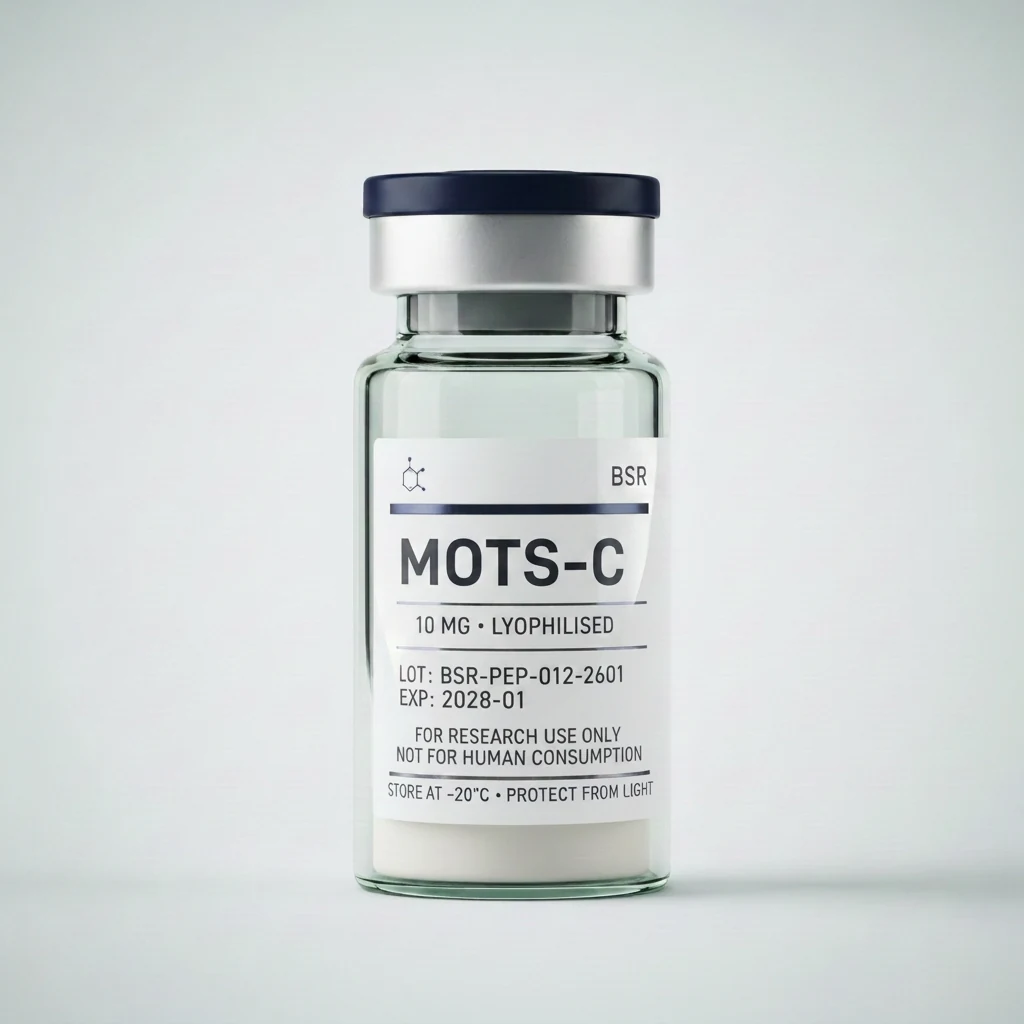
The current policy discussion traces directly to the FDA Pharmacy Compounding Advisory Committee meeting of 23–24 July 2026, which considered seven peptide bulk drug substances, including BPC-157, KPV, TB-500, MOTS-c, emideltide, Semax and Epitalon-related forms. The committee, which included individuals with connections to the peptide industry, narrowly recommended adding several peptides to the compounding list, despite concerns from FDA scientists.
Those committee votes are recommendations only. No peptide has been formally added to the 503A Bulks List, and the formal rulemaking needed to act on the committee's recommendations has not yet begun. The interim access policy submitted to OIRA appears designed to bridge that gap — providing a time-limited enforcement discretion window while rulemaking proceeds.
HHS Secretary Robert F. Kennedy Jr. has made access to these peptides a policy priority since taking office. In parallel, the FDA has stepped up enforcement against research-use-only peptide sellers and high-volume compounders since August 2026, illustrating the dual-track nature of current policy — deregulatory aspirations at the political level alongside continued enforcement action at the operational level.
What remains unknown — and why it matters
The OIRA submission has not been published. The public filing does not specify which substances will qualify, when a policy might take effect, or what conditions pharmacies would need to meet. The document's title suggests a temporary enforcement discretion policy, likely covering some of the peptides the Advisory Committee reviewed in July, but that inference is drawn from the title alone.
For procurement professionals, three uncertainties carry practical weight:
- Substance eligibility. The July committee considered seven compounds; it is not certain that all seven — or only those seven — will appear in an interim policy.
- Quality and supply-chain conditions. Any enforcement discretion framework typically specifies minimum quality standards. Whether those standards will reference HPLC purity thresholds, certificate of analysis requirements or third-party testing is not yet known.
- Duration and reversibility. Enforcement discretion policies can be withdrawn without formal rulemaking. A procurement strategy built on interim access carries a different risk profile than one built on formal bulks-list inclusion.
Implications for UK research procurement
UK research laboratories operating under MHRA jurisdiction are not subject to FDA compounding rules and are not directly affected by whether BPC-157 or MOTS-c appear on the 503A Bulks List. The MHRA applies its own framework to importation and possession of unlicensed biological substances for research purposes.
However, the US regulatory environment shapes the global peptide supply chain in several indirect ways. A formal US enforcement discretion window would likely increase demand from US-based compounding pharmacies for Chinese-manufactured peptide API — the same supply base that import analyses have shown supplying substantial quantities of experimental compounds, sometimes under conditions that have attracted FDA inspection findings. Increased demand pressure on that supply base can affect lot-to-lot consistency, purity specification reliability, and turnaround for legitimate UK research orders.
UK procurement teams ordering peptides for bona fide in vitro or preclinical research should ensure that:
- Suppliers provide independently verified certificates of analysis, with HPLC and mass spectrometry data, not self-certified documentation.
- Purchase orders specify research-grade, not compounding-grade, material — the two supply chains may diverge further if US interim access expands compounding demand.
- Contracts address lot substitution — increased US demand may incentivise suppliers to fill research orders from lower-specification batches.
What to watch next
The Wednesday 22 October OMB meeting involving the AAPM will not itself produce a policy; it is a stakeholder engagement session within the OIRA review process. The key milestones to monitor are: the conclusion of OIRA review (which carries no fixed deadline), any public announcement by FDA or HHS, and — if a policy is issued — its annexes specifying substance scope and pharmacy-level conditions.
BSR Intelligence will report on each development as it becomes publicly available.
Research-grade material, HPLC verified, certificate of analysis with every order.
The week's Intelligence in one email, every Friday morning.
Regulatory moves, trial readouts, supply-chain news. No product pitches. Unsubscribe in one click.
More in Regulatory & Policy
One Amino Acid, Three High Stakes: What the Seventh Circuit's Pending Retatrutide Ruling Means for Exclusivity, Medicare Pricing, and Compounding Access
12 Oct 2026
FDA Career Scientists Formally Oppose Administration's Interim Peptide Dispensing Plan — and What the Internal Split Means for Research Procurement
11 Oct 2026
HHS Stopgap Plan for Restricted Peptides: What the Reported Enforcement-Discretion Proposal Means for Research Procurement
09 Oct 2026