Regulatory & Policy · 22 Nov 2026
Federal Discretion, State Resistance and an Australian Inquiry: Peptide Compounding Regulation Fragments Across Jurisdictions
Australia's Health Minister has ordered a parliamentary inquiry into unapproved peptide prescribing as hospital admissions rise, while in the United States the Kentucky Board of Pharmacy has become the first state regulator to formally reject the HHS enforcement discretion policy covering six compounded peptides. The developments underline that federal or central permissiveness does not automatically translate into sub-national clearance.
12 sources cited
Key takeaways
- Australian Health Minister Mark Butler ordered a parliamentary inquiry into online peptide prescribing on 22 November 2026, citing rising emergency department admissions and at least one fatality linked to unapproved products.
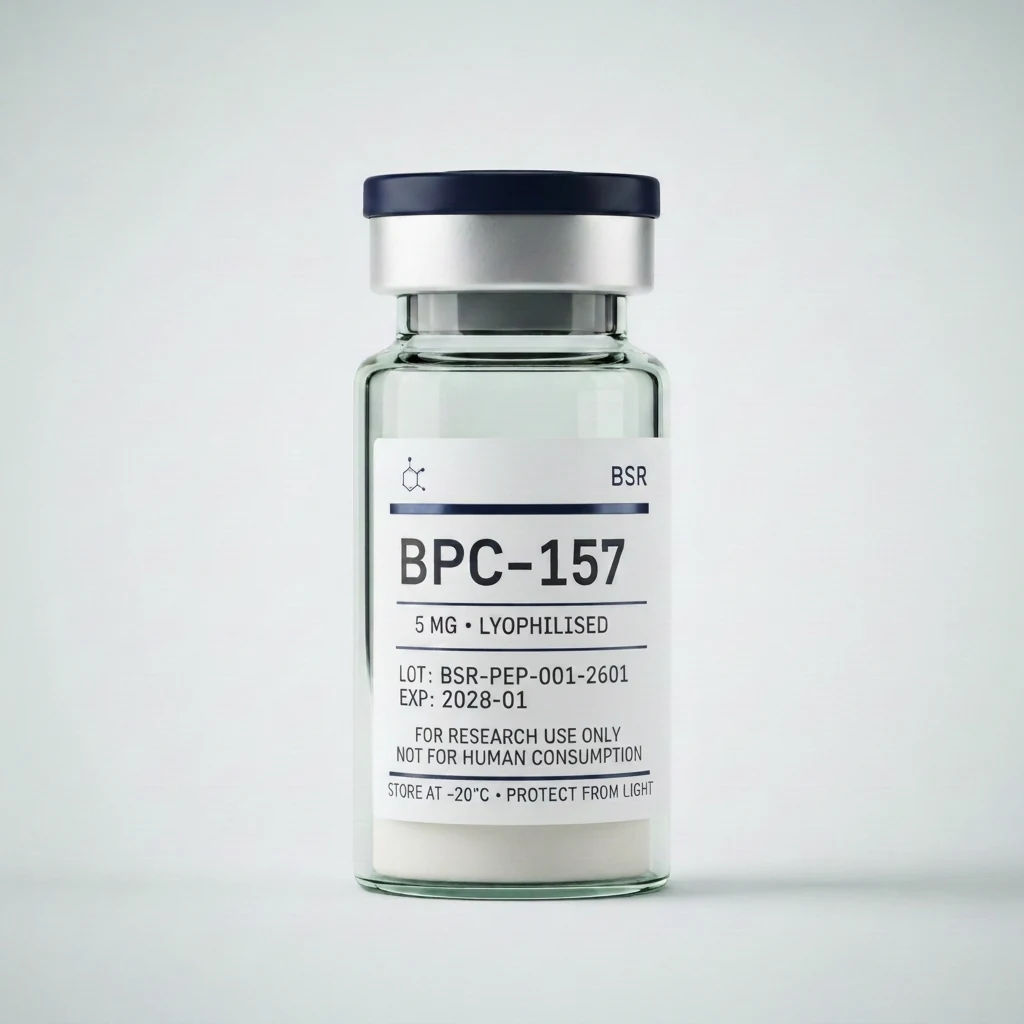
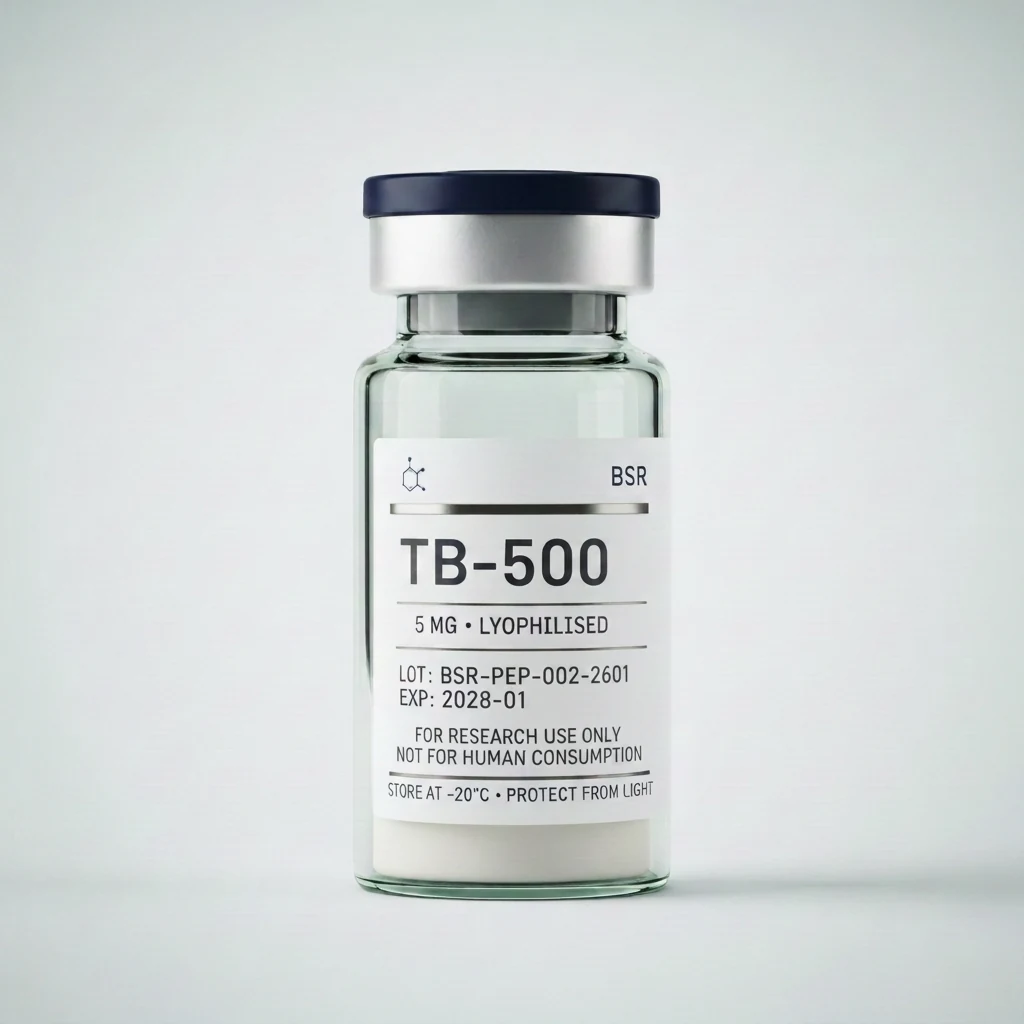
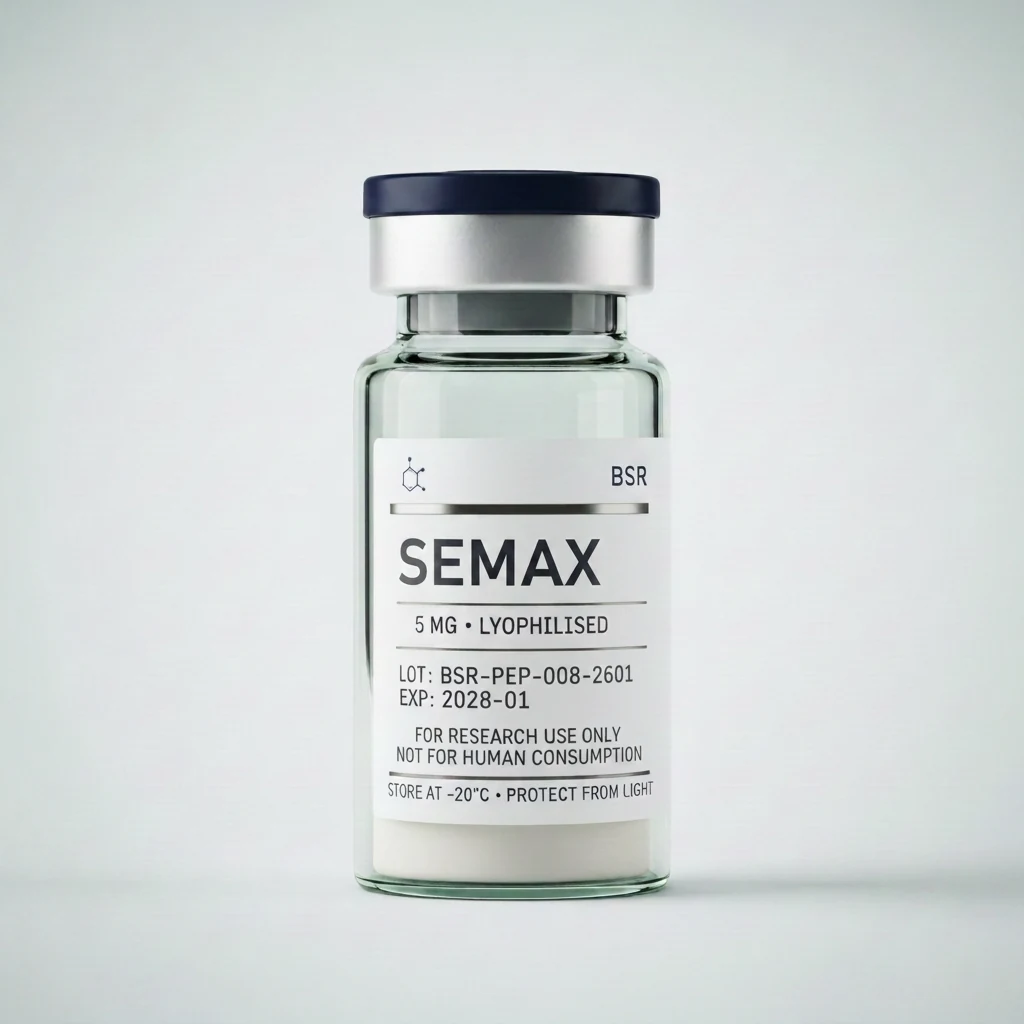
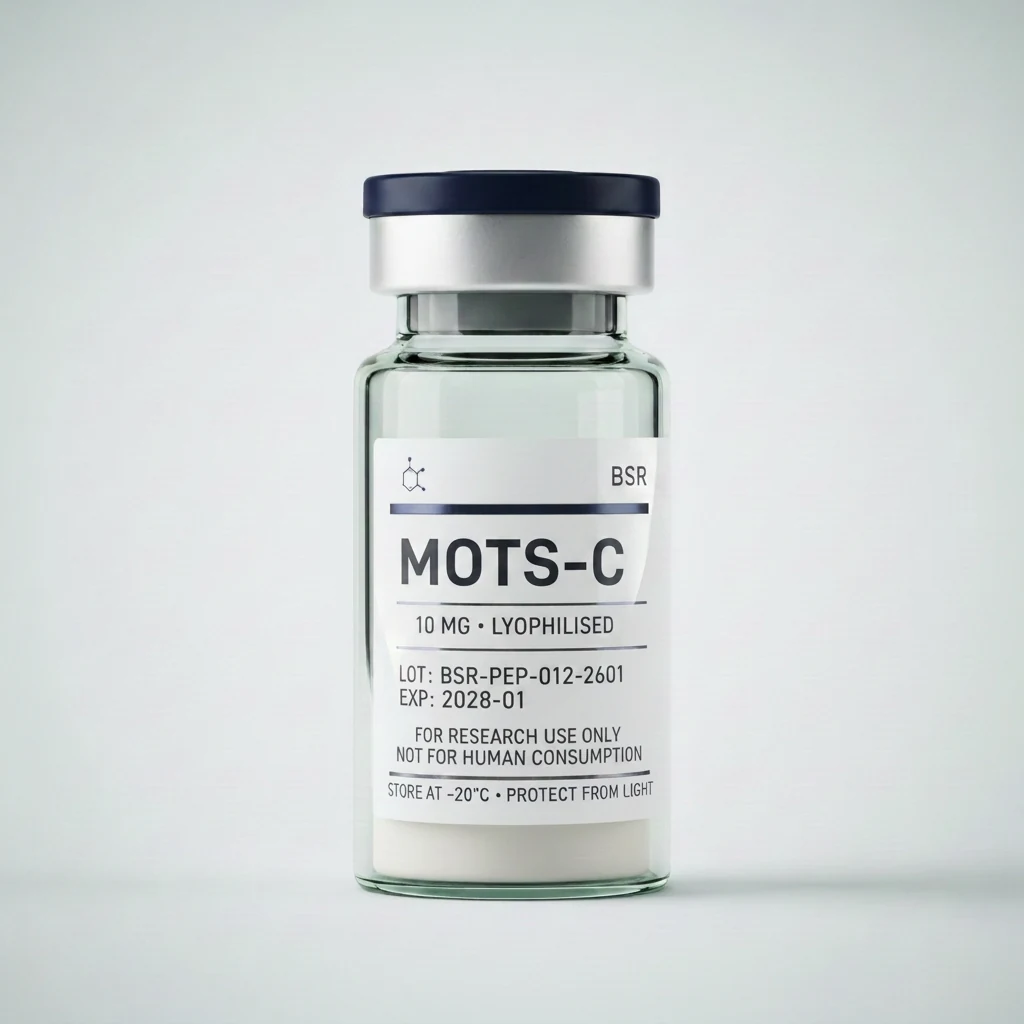
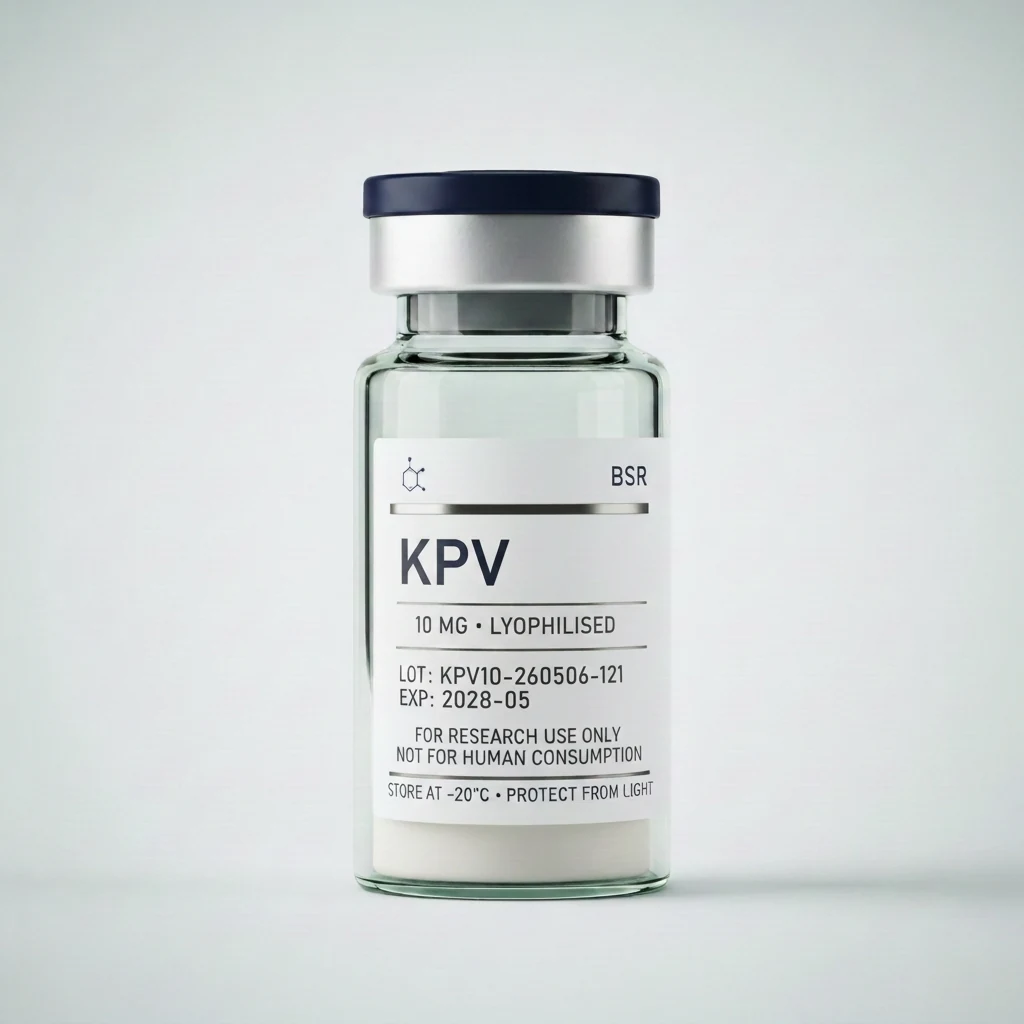
- Kentucky became the first US state to formally reject the HHS interim enforcement discretion policy, prohibiting pharmacies from compounding BPC-157, TB-500, Epitalon, Semax, KPV and MOTS-c regardless of federal posture.
- Alabama has issued parallel guidance warning that federal enforcement discretion does not override state pharmacy law, though it has not issued an outright prohibition.
- The HHS interim policy is itself conditional and temporary: it lapses for each peptide once FDA completes rulemaking — a process analysts believe will not be finalised before late 2027 or 2028.
- A second Pharmacy Compounding Advisory Committee (PCAC) meeting is expected before the end of February 2027 to review GHK-Cu, LL-37, Dihexa acetate, Melanotan II and PEG-MGF for the Section 503A Bulks List.
- For research procurement professionals, these divergences reinforce the need to verify the specific jurisdiction of any compounding supplier, not merely their federal compliance status.
Australia orders a parliamentary inquiry
The most immediate development of the past 24 hours is from Australia. ABC News reported on 22 November 2026 that Health Minister Mark Butler has ordered an inquiry into unapproved peptides, citing unsafe online prescribing practices and a surge in hospital admissions. The inquiry follows the death of actor Richard Norton, described as the first fatality in Australia linked to unapproved peptide use. Reports indicate that in his case a double dose was administered, triggering a severe anaphylactic reaction.
A federal parliamentary committee will examine the activities of telehealth operators, online dispensaries and social media platforms that have driven demand for products marketed for weight loss, anti-ageing, muscle growth and performance enhancement. Consultation hearings are expected to open in November 2026, with a final report anticipated in mid-2027.
The Therapeutic Goods Administration (TGA) has been signalling concern for some time. The TGA has seen an increase in the importation and advertising of unapproved peptide products in Australia, and has previously warned consumers against purchasing untested peptide products online, particularly from overseas websites and social media channels. The TGA has warned of serious risks associated with buying unapproved peptide products online and recommends consulting health professionals regarding online peptide prescriptions.
Minister Butler was explicit about the trigger for the inquiry: he expressed concern about escalating TGA reports of unapproved peptides being prescribed and delivered via telehealth and "one-stop-shop style dispensaries". Some peptide-based medicines are TGA-approved — semaglutide and certain therapeutic peptides among them — but many sold online operate outside that approval framework. The inquiry is expected to draw on TGA data, prescriber records and evidence from platform operators, though the precise terms of reference have not yet been published.
Kentucky breaks from HHS: the first state to hold the line
Across the Pacific, a parallel dynamic is playing out within the United States federal system. On 18 November 2026, the Kentucky Board of Pharmacy voted to enforce its existing compounding regulation, 201 KAR 2:076, and decline to grant waivers that would permit compounding of the six peptides covered by the HHS interim policy. The board issued a formal compliance alert on 19 November confirming it would not extend enforcement discretion under Kentucky law.
The six peptides at issue are BPC-157, TB-500, Epitalon, Semax, KPV and MOTS-c — the same substances for which HHS announced on 28 October 2026 that the federal government would generally refrain from enforcement against Section 503A compounders who meet specified conditions. Kentucky's Board concluded that none of the six satisfies the state's independent ingredient eligibility requirements, which require an applicable USP/NF monograph, use as a component of an FDA-approved human drug, or inclusion on FDA's 503A Bulks List.
The board's legal reasoning rests on a distinction that research procurement professionals should understand clearly: the HHS policy is an exercise of federal enforcement discretion — it does not approve these substances, add them to the FDA's 503A Bulks List, or override state requirements governing pharmacy compounding. Kentucky's board characterised its action not as new policy but as enforcement of requirements that have always applied: the board stated that compounding with these substances in or into Kentucky has never been authorised.
The practical consequences are immediate. Neither resident nor non-resident pharmacies may compound or dispense preparations containing BPC-157, TB-500, Epitalon, Semax, KPV or MOTS-c for Kentucky patients, and violations may result in disciplinary action against pharmacies and individual licensees. Bank of America's equity research team cut its price target for Hims & Hers Health following the Kentucky decision — a signal of the commercial relevance of state-level divergence for companies that launched products in reliance on the HHS policy.
Alabama adds a softer warning
Kentucky is not the only state weighing in. The Alabama Board of Medical Examiners published a November 10 FAQ emphasising that HHS enforcement discretion neither overrides state law nor establishes compliance with Section 503A. Unlike Kentucky, Alabama has not announced a new prohibition, but its guidance raises questions about whether pharmacies can fully rely on the federal policy. The implication for compounding pharmacies operating across multiple states is that legal exposure must be assessed jurisdiction by jurisdiction, not on the basis of federal policy alone.
Why HHS discretion was always limited
The Kentucky decision illustrates structural limits in the HHS enforcement framework that were apparent from the outset. The HHS policy is interim: it will cease to apply to a particular peptide once that peptide is the subject of an FDA rule either adding it to, or declining to add it to, the 503A affirmative ingredient list. The rulemaking process that must follow a PCAC recommendation is lengthy: one plausible sequence has the FDA holding the second PCAC meeting in early 2027, then issuing a proposed rule, followed by a final rule in late 2027 or 2028. There is no statutory deadline.
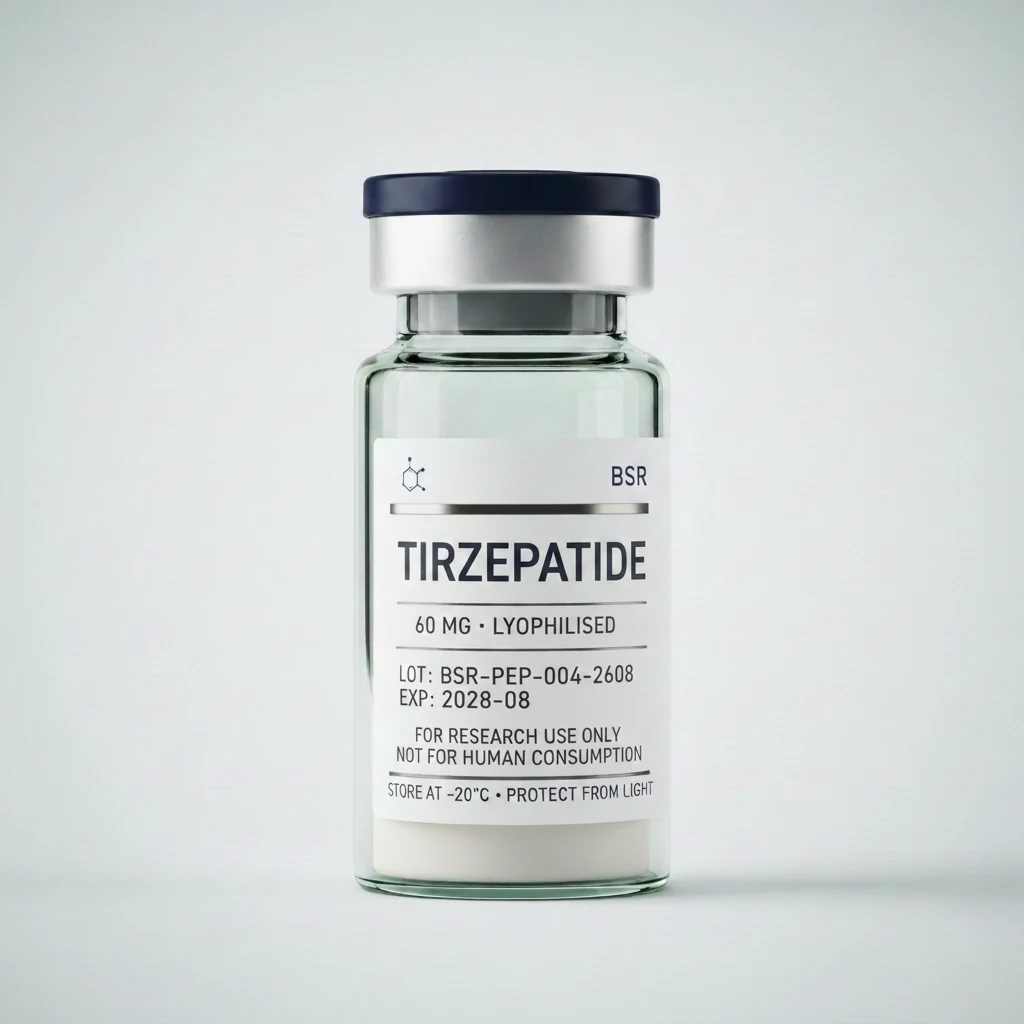
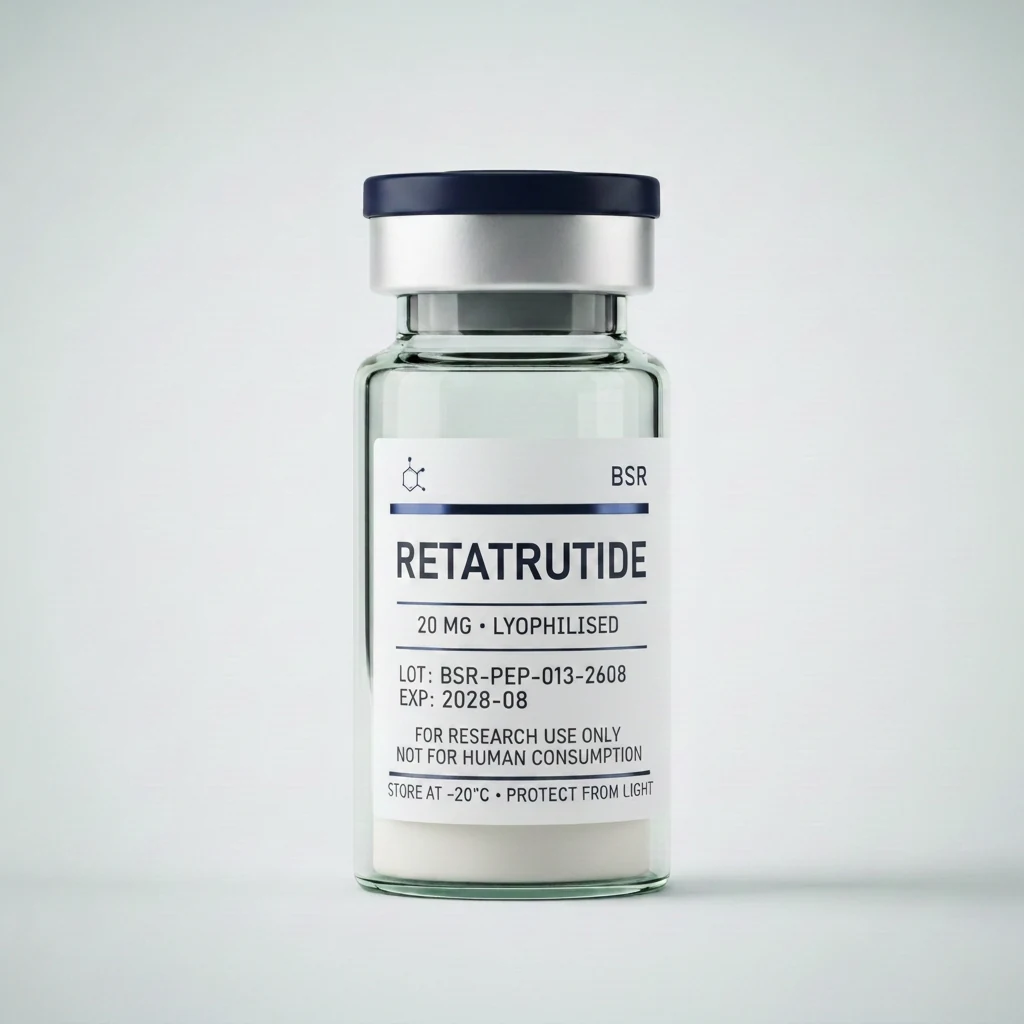
The safety signal that underpinned CDER's original objections to these substances has not dissipated. The FDA received two reports of deaths following use of products purportedly containing retatrutide, an experimental weight-loss peptide, and more than 1,700 adverse-event reports associated with compounded semaglutide and tirzepatide. The board's concern about thin human safety data and the potential for impurities and immune reactions applies with particular force to the six HHS-discretion peptides, all of which sat on the FDA's list of significant safety risks from September 2023 to April 2026.
Next on the PCAC calendar: the second-wave peptides
Looking ahead, the FDA has announced that the PCAC will convene again before the end of February 2027. The agenda for that meeting will cover five additional substances removed from Category 2: GHK-Cu (injectable routes), Cathelicidin LL-37, Dihexa acetate, Melanotan II, and Mechano Growth Factor Pegylated (PEG-MGF). No date has been confirmed. LL-37, Dihexa, Melanotan II and PEG-MGF were previously in a withdrawn or no-active-review state, making their inclusion in the second-wave agenda a notable shift.
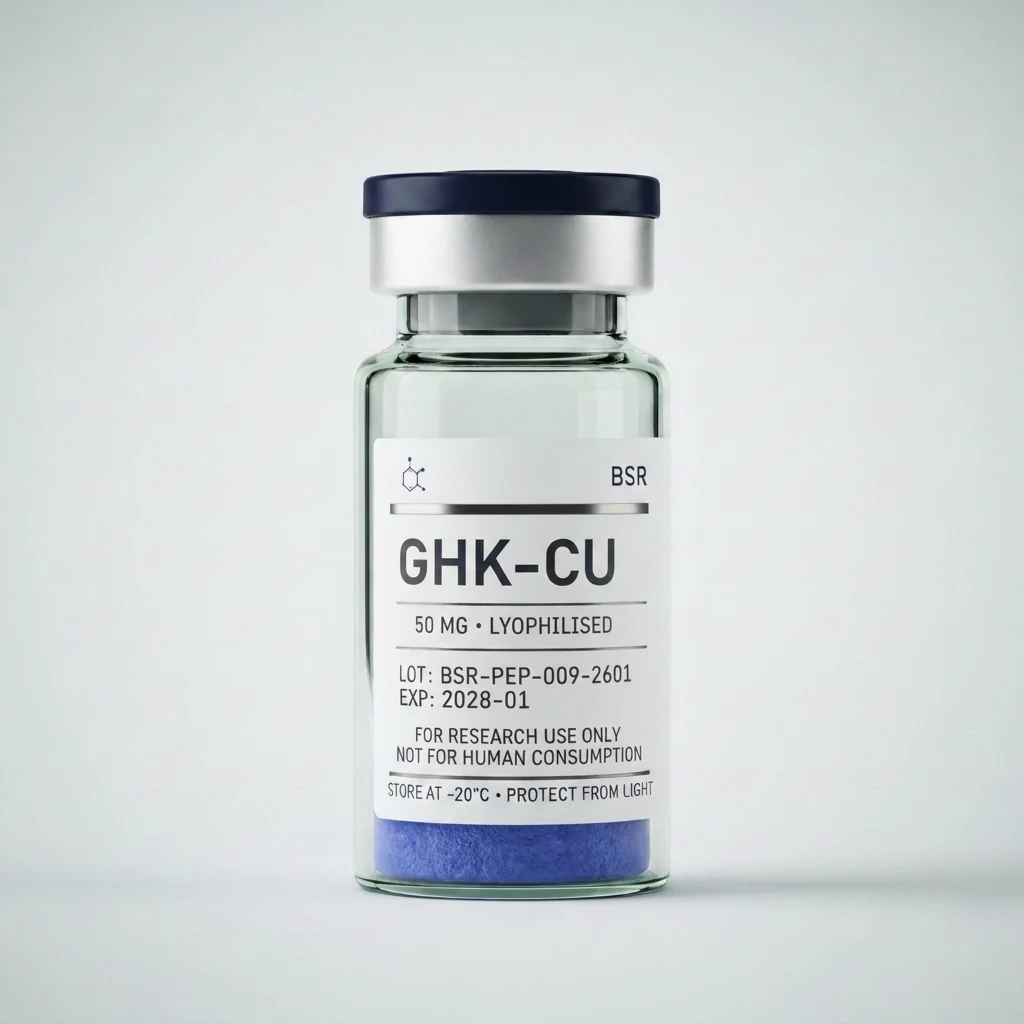
For procurement professionals whose research programmes use or evaluate GHK-Cu, the February 2027 PCAC meeting is the next meaningful regulatory milestone. GHK-Cu is already classified in Category 1 for non-injectable routes; injectable formulations remain the focus of the upcoming review. The same state-level divergence seen with the first-wave peptides could apply to whatever the PCAC recommends, particularly if Kentucky and other cautious state boards hold to their interpretive position.
Implications for research procurement
The combined picture — an Australian parliamentary inquiry, a US state board refusal, an Alabama warning and a temporary federal discretion policy pending lengthy rulemaking — reinforces several practical points:
Supplier jurisdiction matters. A compounding supplier operating lawfully under the HHS policy in one state may be non-compliant in another. Research institutions sourcing peptides for UK-based programmes should obtain explicit documentation of the supplier's regulatory jurisdiction and confirm compliance with the applicable state board, not merely with federal guidance.
"Research use only" labelling does not resolve this. Products sold with RUO designations occupy a different legal category from compounded medicines but are equally subject to import restrictions, customs scrutiny and domestic controls depending on the recipient jurisdiction.
The Australian inquiry signals a broader international trend. Health Canada reported bacterial contamination in unauthorised injectable peptides supplied by a Chinese manufacturer in November 2026, and Australia's new inquiry follows similar concerns. UK researchers importing peptide materials from Australia or the United States should monitor both inquiries for guidance that may affect supplier eligibility or customs clearance.
Research-grade material, HPLC verified, certificate of analysis with every order.
The week's Intelligence in one email, every Friday morning.
Regulatory moves, trial readouts, supply-chain news. No product pitches. Unsubscribe in one click.
More in Regulatory & Policy
HHS Publishes Enforcement Discretion Policy for Six Compounded Peptides: What the Ten Conditions Mean for Research Procurement
18 Nov 2026
US Peptide Compounding Comment Window Closes Today as AMA Calls for Rescission of HHS Enforcement Policy
13 Nov 2026
FDA Mandates Class-Wide NAION Warning for All GLP-1 Receptor Agonists: What the Labelling Change Means for Research and Procurement
10 Nov 2026