Key takeaways
- The public comment period on the HHS enforcement discretion policy covering six unapproved compounding peptides closes today, 13 November 2026, under federal docket HHS-OASH-2026-0496.
- The American Medical Association formally voted on 9–10 November 2026 to urge HHS and the FDA to rescind the policy, citing an absence of safety and efficacy evidence.
- The policy is not FDA approval; it is a temporary, revocable exercise of enforcement discretion that confers no durable legal status on the six substances.
- Formal inclusion on the FDA's Section 503A bulk drug substances list — the consequential long-term outcome — requires separate rulemaking that could take 12 to 24 months, according to published commentary.
- UK research procurement teams should note that the US debate has no direct MHRA parallel: none of the six peptides holds a marketing authorisation in Great Britain, and research-use-only supply remains the operative framework in this jurisdiction.
Background: what the HHS policy does and does not do
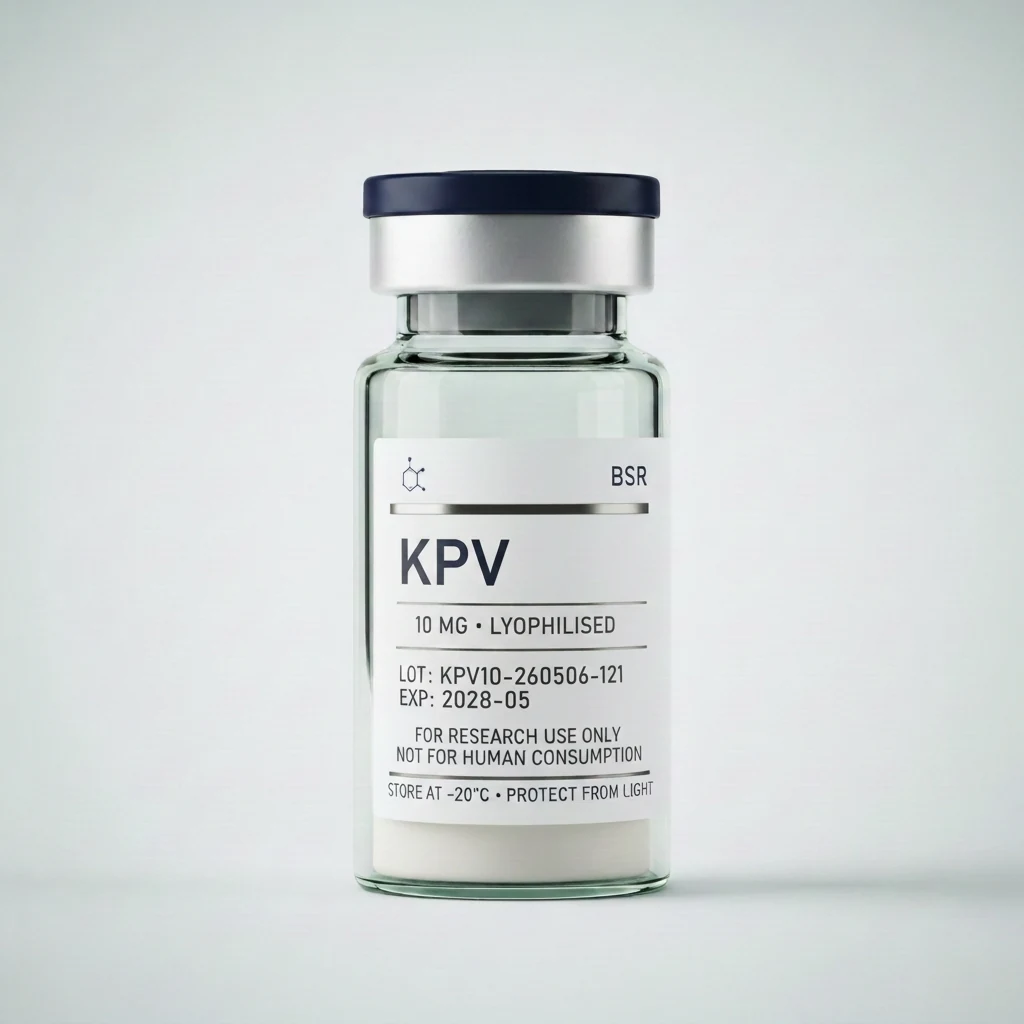
On 28 October 2026, HHS published a notice in the Federal Register announcing an interim enforcement discretion policy under which it does not intend to take action against qualifying 503A compounders using six peptide bulk drug substances — BPC-157, Epitalon, KPV, MOTS-c, Semax and TB-500 — while the 503A Bulks List is finalised through rulemaking.
According to a legal analysis by Venable LLP, the policy represents a change in federal enforcement priorities rather than a formal amendment to the legal status of the six peptides. The policy does not add any peptide to the 503A Bulks List, and compounded products made under it remain unapproved drugs. As Holland & Knight noted, the policy merely reflects HHS's current and temporary exercise of enforcement discretion.
The policy stated that the HHS Secretary determined it would "discourage the continued, widespread use of certain research-use-only peptides supplied by foreign manufacturers that pose a safety risk to US patients" while advancing "patient choice and freedom". Notably, the policy also states that HHS "may revisit" it if a safety signal or product quality issues arise with a product within its scope.
The ten conditions compounders must satisfy
Enforcement discretion is available only when all ten conditions in the policy are met, including strict sourcing, certificate of analysis, labelling, single-ingredient and adverse event reporting requirements.
The bulk substance must come from an FDA-registered original manufacturer operating under current good manufacturing practice, with a certificate of analysis covering identity, purity, potency, endotoxins, heavy metals and microbial contamination. The interim policy's ten conditions also include requirements involving FDA-registered bulk ingredient manufacturers, valid certificates of analysis, reporting of serious adverse events and product quality issues, single-ingredient formulations, specified routes of administration, and compliance with patient-specific prescription requirements.
Legal commentary from the National Law Review has noted that the policy creates a potential pathway for expanded access to compounded peptides, but that its conditions exceed those associated with the FDA's existing interim enforcement discretion for "Category 1" bulk drug substances and may go beyond some pharmacies' current sourcing verification and reporting capabilities.
Critically for UK-based researchers monitoring US supply chains: the sourcing requirements apply to the original manufacturer and the individual batch, so a research supplier's testing certificate alone cannot qualify material under the policy. The policy explicitly excludes peptide blends and 503B outsourcing facilities.
FDA scientists' position and the PCAC advisory process
The FDA's Centre for Drug Evaluation and Research recommended against adding each of the six covered peptides to the 503A Bulks List, finding the peptides poorly characterised, with missing endotoxin, impurity and microbial data, and flagging immunogenicity concerns.
In July 2026, all six peptides were recommended to be eligible to compound by the FDA's Pharmacy Compounding Advisory Committee (PCAC), despite the FDA's scientists' warnings of a lack of proven safety or efficacy studies. The vote came after FDA scientists repeatedly told the committee that there was not enough information about the safety and efficacy of the peptides to justify letting compounding pharmacies sell them.
Following the committee's recommendation, Partnership for Safe Medicines Executive Director Shabbir Imber Safdar stated that the decision "leaves Americans in a gray area as to whether peptides are safe or not" and criticised what he characterised as "insufficient scientific evidence" and alleged conflicts of interest in the advisory proceedings.
AMA formally opposes the policy
At its 2026 interim meeting, the AMA adopted policy to address mounting concerns that synthetic peptides that have not been approved by the FDA lack the safety, efficacy and quality evidence necessary to support their use.
The American Medical Association adopted a policy urging HHS, the FDA and other federal regulators to "immediately rescind" administrative policies or directives that ease restrictions on compounding and distributing synthetic peptides that have not been approved by the FDA.
The AMA outlined detailed concerns in a letter to the FDA, including the peptides' "lack of nomenclature consistency and clarity" and incomplete foundational elements of drug development, warning that without this information physicians cannot reasonably determine whether prescribing such products is consistent with accepted standards of medical practice.
Under its new policy, the AMA will also work with federal agencies, state medical boards and state boards of pharmacy to enforce strict oversight and pursue swift enforcement actions against compounding pharmacies, direct-to-consumer telehealth platforms and online dispensaries distributing unapproved peptide formulations.
Patient safety groups ECRI and ISMP had previously warned against the FDA advisory panel's vote to relax restrictions on the peptides.
What happens after today's comment deadline
Public comments on the HHS policy close today, 13 November 2026, under docket HHS-OASH-2026-0496. After that, HHS can leave the interim policy as it is, revise it or withdraw it.
The resulting framework remains less durable than inclusion on the 503A Bulks List through notice-and-comment rulemaking. That rulemaking will be the more consequential long-term action, as it will determine whether these peptides become formally eligible for 503A compounding rather than remaining subject to a temporary and revocable policy.
Formal rulemaking to add substances to the 503A Bulks List can take 12 to 24 months, according to reporting by the American Journal of Managed Care. A citizen petition submitted by the Partnership for Safe Medicines also remains pending, with no FDA response reported as of this writing.
After the comment period, the key milestones to monitor are any HHS revisions to the interim policy and FDA rulemaking on which of the six substances, if any, will enter the 503A bulks list.
Implications for UK research procurement
The HHS enforcement discretion policy is a US instrument and carries no direct regulatory weight in Great Britain. Under MHRA governance, none of the six peptides — BPC-157, TB-500, KPV, MOTS-c, Semax and Epitalon — holds a marketing authorisation, and their supply to end-users outside a clinical trial context is governed by the research-use-only framework rather than by any compounding analogue.
However, the US debate is relevant to UK laboratories for several reasons:
Supply chain signal. The conditions the HHS policy imposes on US compounders — FDA-registered original manufacturer, lot-specific CoA covering identity, purity, potency, endotoxins, heavy metals and microbial contamination — set a de facto quality benchmark that is instructive for any procurement team evaluating supplier documentation, regardless of jurisdiction.
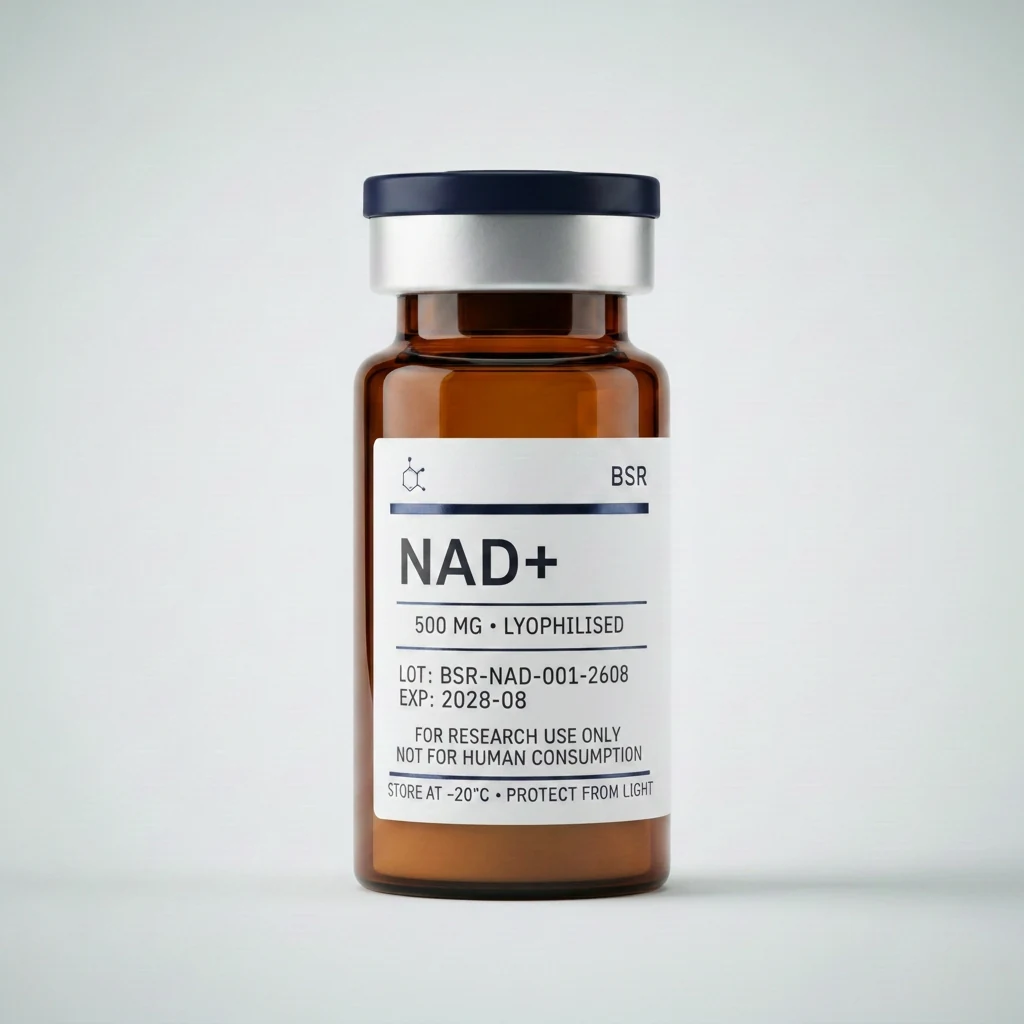
Market pressure. The regulatory shift has also attracted interest from established telehealth companies, with Reuters reporting in November 2026 that at least one company plans to introduce offerings involving NAD+, sermorelin and glutathione, with potential future offerings involving BPC-157 and TB-500. Increased commercial interest historically correlates with a rise in counterfeit and substandard product entering international supply channels.
Regulatory trajectory. The AMA's opposition, the FDA scientists' original negative recommendation and the pending citizen petition collectively indicate that the US policy landscape for these six peptides remains genuinely contested. UK procurement teams sourcing from US-adjacent supply chains should not assume that the HHS enforcement discretion represents settled regulatory acceptance.
Summary
Today's closure of the HHS comment window marks the transition from public consultation to the next regulatory phase for six unapproved compounding peptides. The AMA's formal opposition, filed through its House of Delegates four days before the deadline, is the most significant institutional challenge to the HHS policy since it was published. Neither the enforcement discretion nor the AMA's advocacy position changes the underlying legal status of the substances: they remain unapproved, and formal listing on the 503A Bulks List requires a separate rulemaking process with no announced timeline. UK research procurement professionals should monitor docket HHS-OASH-2026-0496 for any post-comment revision, track FDA rulemaking notices, and continue applying standard due-diligence protocols — particularly CoA review and manufacturer registration verification — when sourcing any of the six substances for legitimate research purposes.