Regulatory & Policy · 02 Nov 2026
First Commercial Pharmacy Secures API Supply for All Six PCAC Peptides: What the Corexa Health Announcement Means for Research Procurement
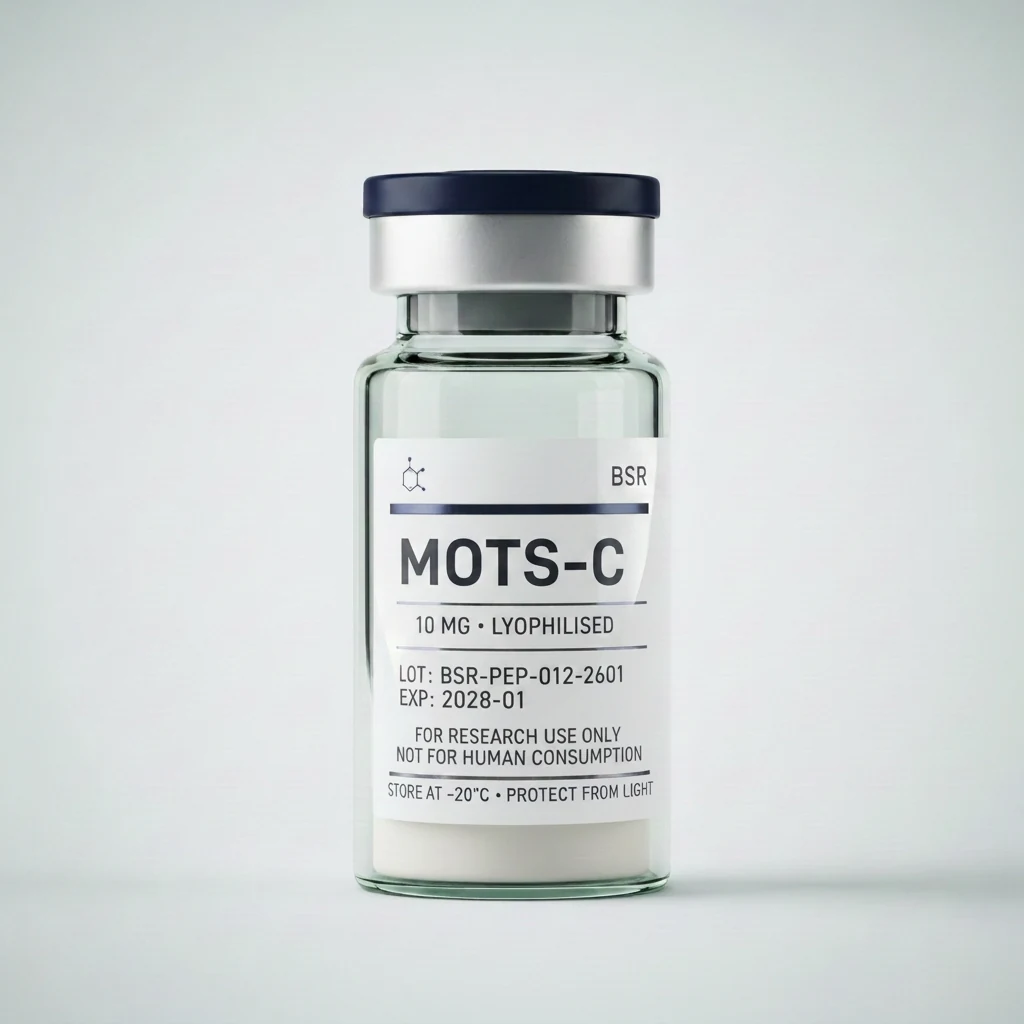
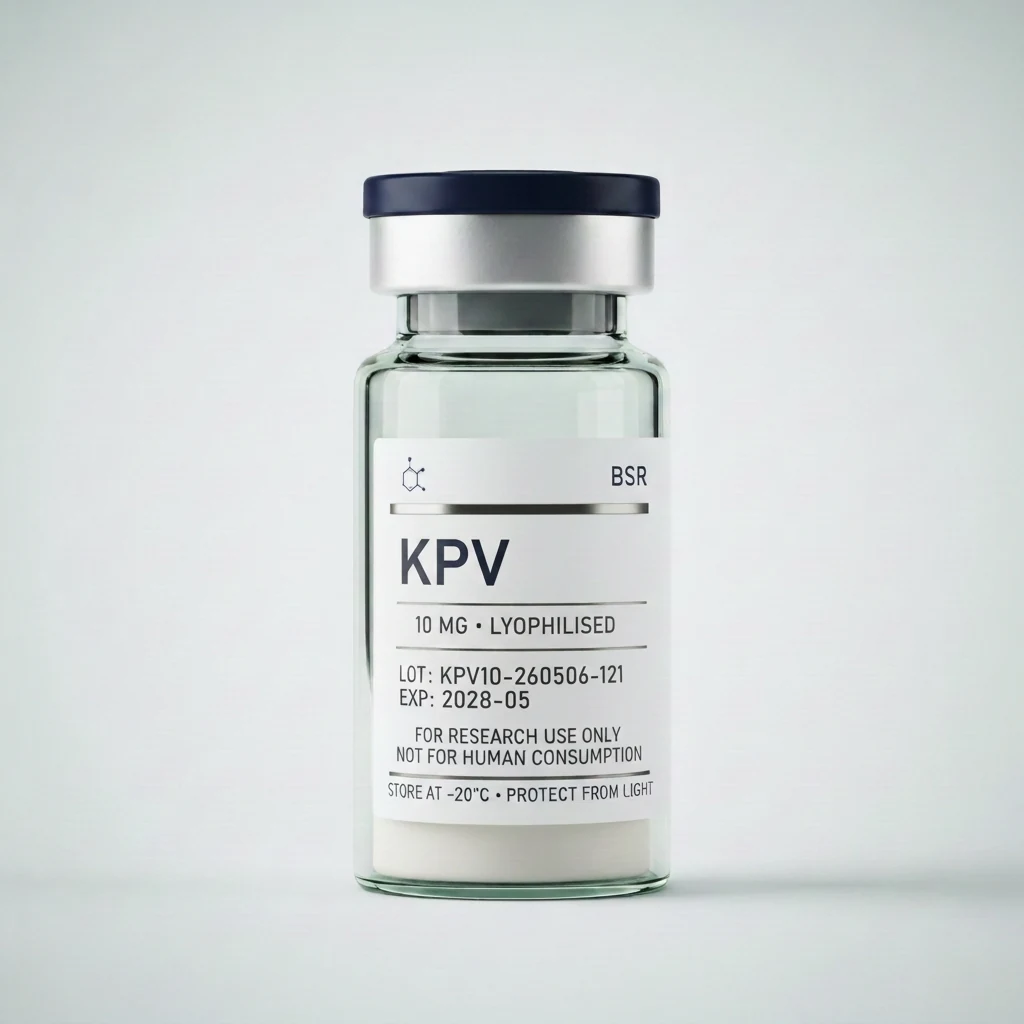
DataMeds AI's subsidiary Corexa Health announced on 2 November 2026 that it has secured a commercial supply agreement for bulk drug substance and API covering all six PCAC-recommended peptides — BPC-157, TB-500, KPV, MOTS-c, Epitalon, and Semax — with dispensing planned to begin this month under the HHS enforcement discretion policy. The move signals that the US compounding pharmacy market is beginning to mobilise around the October 28 policy, but formal 503A Bulks List status remains pending…
11 sources cited
Key takeaways
- DataMeds AI's (NASDAQ: MEDS) pharmacy subsidiary Corexa Health announced on 2 November 2026 that it has secured a commercial supply agreement for bulk drug substance and API covering six peptides: BPC-157, TB-500, KPV, MOTS-c, Epitalon, and Semax.
- Corexa Pharmacy intends to begin dispensing compounded prescriptions for all six peptides this month, operating under the HHS enforcement discretion policy issued on 28 October 2026.
- The enforcement discretion policy is not equivalent to formal 503A Bulks List inclusion; FDA notice-and-comment rulemaking — estimated to extend into 2027 or beyond — must be completed before legal compounding status is formalised.
- UK laboratories are not covered by the US HHS policy. These peptides remain in a research-use-only regulatory position in the United Kingdom.
The announcement
DataMeds AI, Inc. (NASDAQ: MEDS) announced on 2 November 2026 that its pharmacy-focused subsidiary Corexa Health has entered into a commercial supply agreement for bulk drug substance and active pharmaceutical ingredient (API) for six peptides recommended by the US Food and Drug Administration's Pharmacy Compounding Advisory Committee (PCAC) at its July 23–24, 2026 meeting. The six peptides are BPC-157, TB-500, KPV, MOTS-c, Epitalon, and Semax.
Corexa Pharmacy plans to begin dispensing compounded peptide prescriptions in November 2026 under HHS's updated enforcement discretion policy. According to the press release, the company intends to use its Health Lives Here mobile application to collect and report safety data in accordance with adverse event reporting obligations embedded in that policy.
Beyond direct dispensing, Corexa Distribution, another division of Corexa Health, plans to supply peptide drug substances to independent pharmacies and also intends to provide third-party logistics services to peptide manufacturers seeking access to its network. DataMeds states that the company will work with manufacturers to supply the peptides to 503A compounding pharmacies within its network of 6,500 independent pharmacies, positioning the announcement as a supply-chain infrastructure play as much as a direct dispensing move.
The press release acknowledged that the six peptides are compounded drugs, are not FDA-approved, and have not been evaluated by FDA for safety or efficacy — a disclosure required by the conditions of the enforcement discretion policy itself.
The regulatory context
The Corexa announcement is a downstream commercial consequence of two regulatory events that unfolded between July and October 2026.
First, at its two-day July 2026 public meeting, the PCAC narrowly voted to recommend six of the seven peptides under review — BPC-157, KPV, TB-500, MOTS-c, Semax, and Epitalon — for inclusion on the 503A Bulks List, going against FDA career scientists who had recommended against all seven. The committee's votes are advisory and non-binding; a peptide is only on the 503A Bulks List once FDA issues a final rule following notice-and-comment rulemaking.
Second, on 28 October 2026, HHS issued its Enforcement Discretion Policy Regarding 503A Compounding Using Certain Peptide Bulk Drug Substances, covering the same six substances. Under that policy, HHS does not intend to take action against state-licensed pharmacies or licensed physicians compounding these peptides provided a set of conditions is met — including sourcing from an FDA-registered facility with a valid certificate of analysis, compliance with current good manufacturing practice, and MedWatch reporting of serious adverse events.
The policy thus created an interim window in which 503A pharmacies can compound the six substances without immediate enforcement exposure — a window Corexa Health is the first major network to step into publicly.
However, the gap between enforcement discretion and formal legal authorisation remains substantial. Unless and until FDA takes further action, pharmacies must continue evaluating the legality of compounding these substances under the law and regulatory framework that currently exists. FDA must still publish a proposed rule, open a public comment period, and issue a final rule before any recommended peptide is formally added to the 503A Bulks List — a process that, based on historical precedent, could take twelve to twenty-four months or longer.
The risks flagged in Corexa's own regulatory disclosures are instructive: the company cited the possibility that FDA or HHS could change or withdraw the enforcement discretion policy, competition from unregulated research-use-only products, state pharmacy board variation, and reliance on a single supplier as among the material risks to its commercial programme.
The February 2027 PCAC meeting
Looking ahead, the FDA's PCAC is scheduled to meet again before the end of February 2027 to review five additional peptides: GHK-Cu (injectable route), Cathelicidin (LL-37), Dihexa acetate, Melanotan II, and Mechano Growth Factor, Pegylated (PEG-MGF). That follow-on meeting may provide further signal of how the committee and the agency will approach peptide nominations going forward, and — depending on how FDA responds to the October interim policy — could be the prelude to further enforcement discretion extensions or the beginning of the formal rulemaking pipeline.
Procurement teams monitoring the upstream supply side should note that the Samsung Biologics acquisition of PolyPeptide Group — which cleared the 90% squeeze-out threshold also on 2 November 2026, per preliminary results — means that a significantly enlarged peptide CDMO capacity base is being assembled in parallel. Samsung Biologics secured a 97.98% stake in PolyPeptide Group, a global peptide CDMO, through a tender offer — a result that far exceeded the minimum threshold required to complete the deal. With six peptide production and development hubs across five countries, the acquisition is expected to expand global manufacturing capacity, providing a structural backdrop to the growing number of commercial supply agreements now being established downstream.
What this means for UK research procurement
The HHS enforcement discretion policy and the Corexa commercial announcement are US domestic regulatory developments. They have no direct bearing on the regulatory status of these peptides in the United Kingdom.
In the UK, BPC-157, TB-500, KPV, MOTS-c, Epitalon, and Semax remain unlicensed substances. The MHRA has not approved any of them for human use, and importing them for clinical or personal use carries distinct legal risks under the Human Medicines Regulations 2012. For licensed UK research organisations procuring these peptides for legitimate laboratory research under appropriate governance, the substances continue to be available as research-use-only materials — and the US policy changes do not alter that procurement framework.
UK buyers should, however, take note of the supply conditions embedded in the HHS enforcement discretion policy, not because those conditions bind them, but because they mirror the quality benchmarks that prudent procurement already demands: sourcing from a facility with valid current good manufacturing practice certification; requiring a certificate of analysis with identity, purity, and potency data; and preferring suppliers with documented adverse event monitoring. These are characteristics that UK research procurement frameworks should already be requiring as standard.
The downstream consequence of US pharmacy market mobilisation may also be a gradual improvement in global supply quality and traceability as commercial actors with reputational and liability exposure enter the market — a development that benefits research procurement indirectly. Conversely, it may stimulate a parallel increase in substandard product aimed at the expanding US demand base, which could complicate lot-level quality assurance for buyers who source from intermediaries rather than directly from audited manufacturers.
Research procurement teams are advised to continue prioritising suppliers who can provide third-party certificate of analysis verification, documented API provenance, and cold chain compliance records regardless of jurisdiction-specific regulatory shifts.
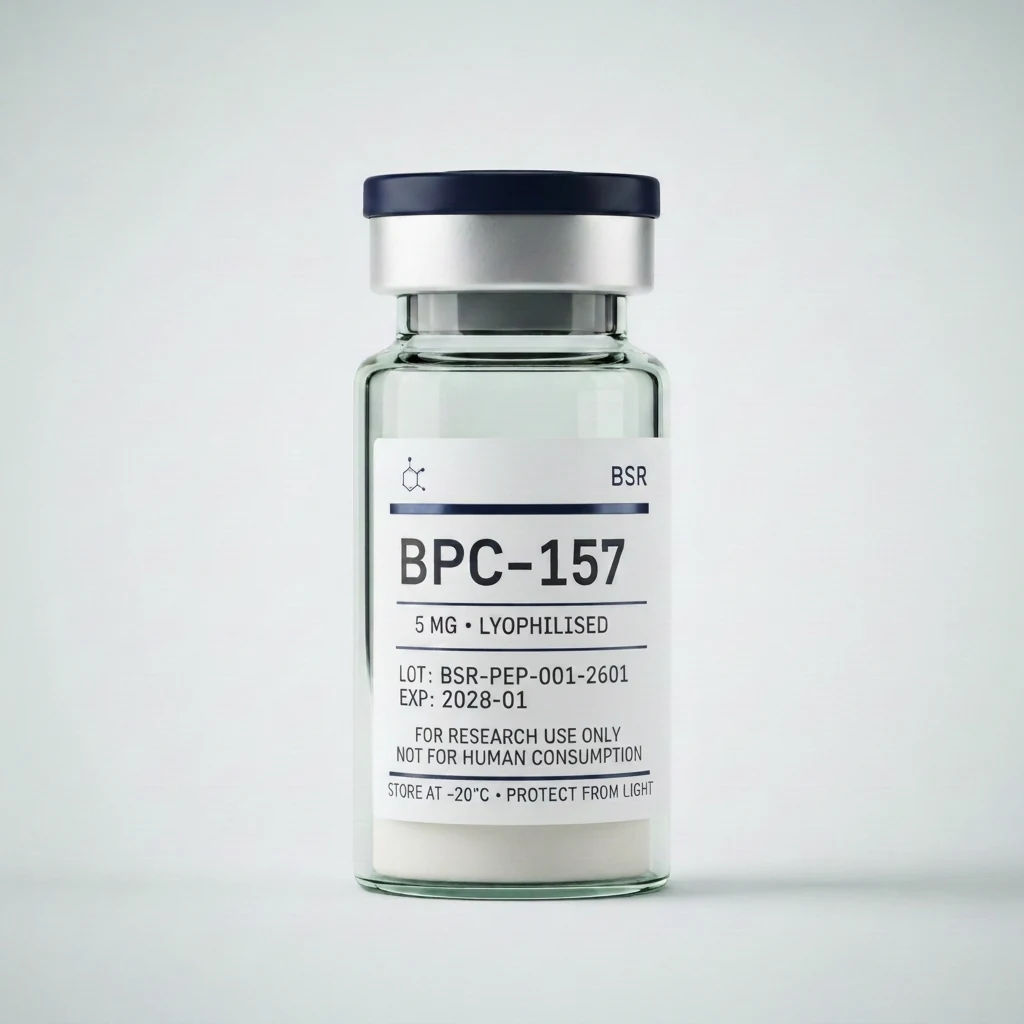
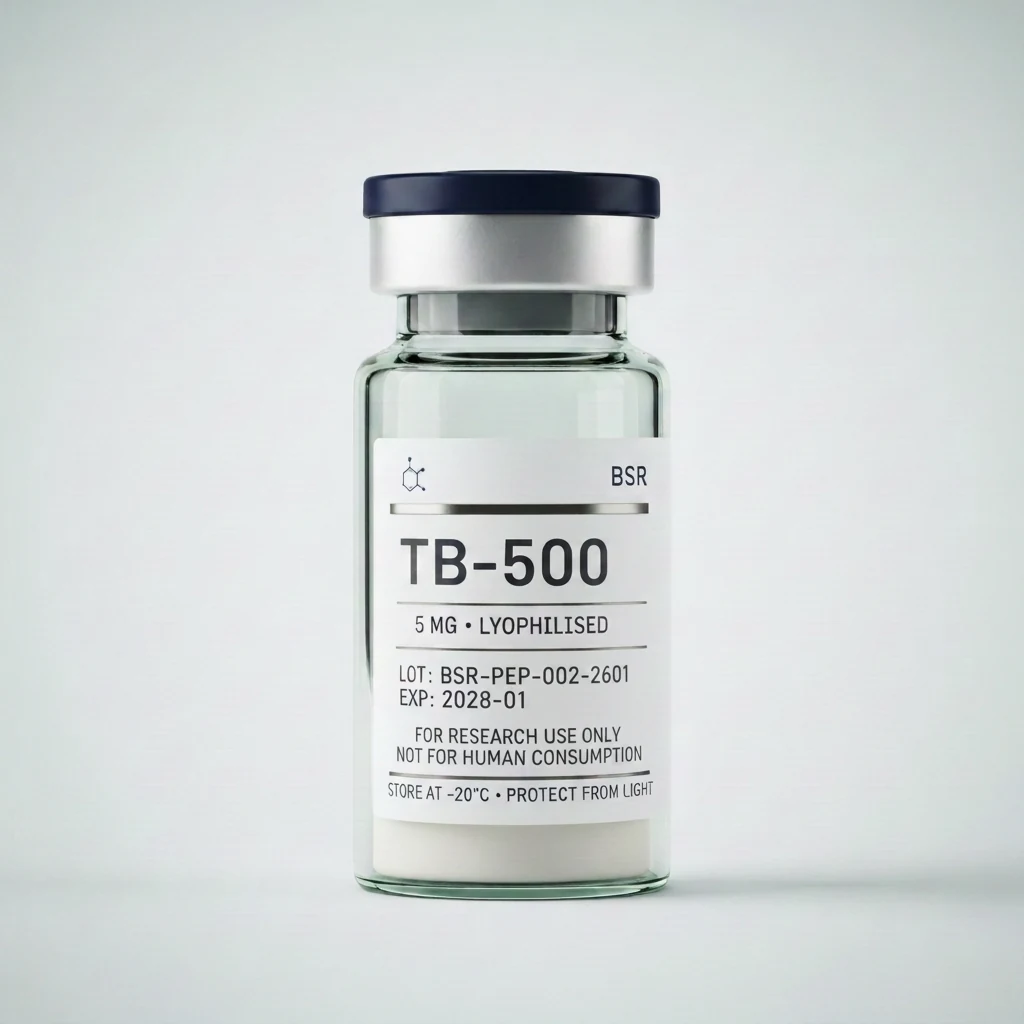
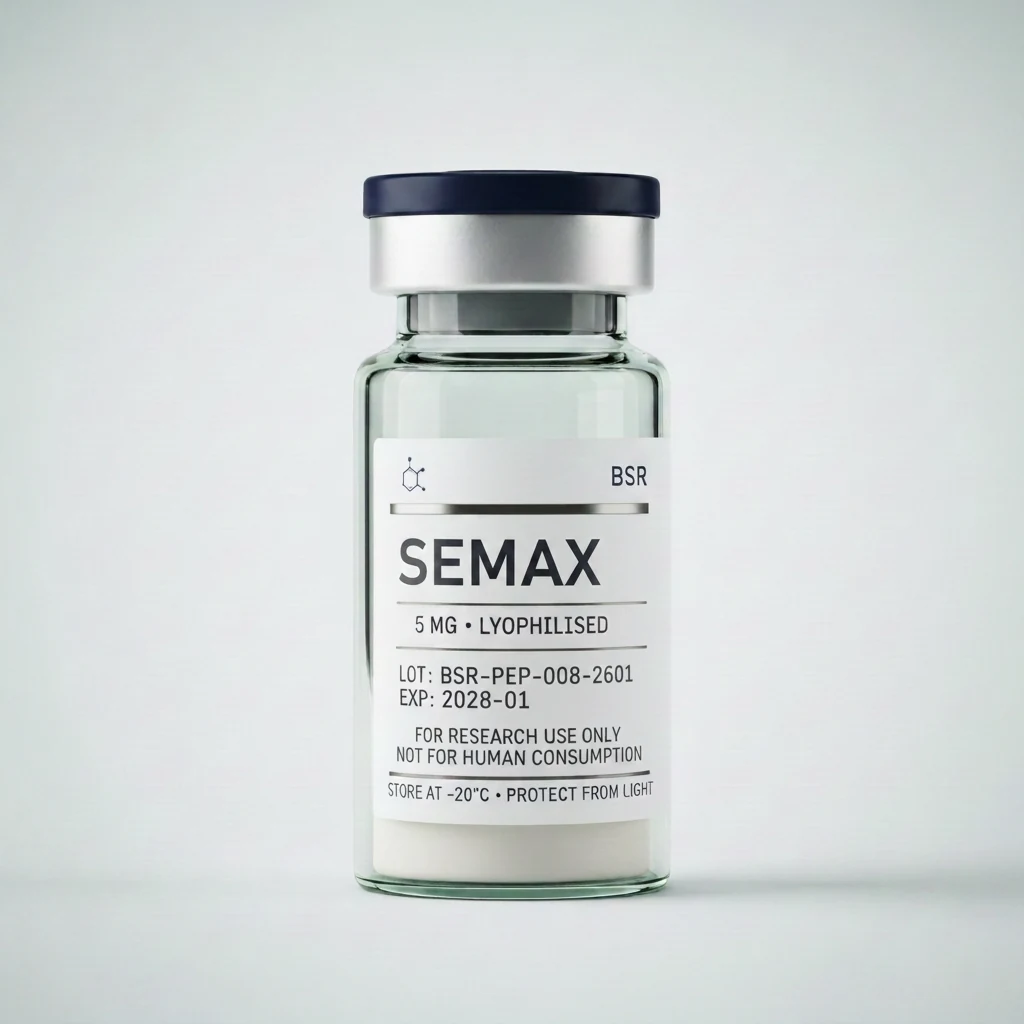
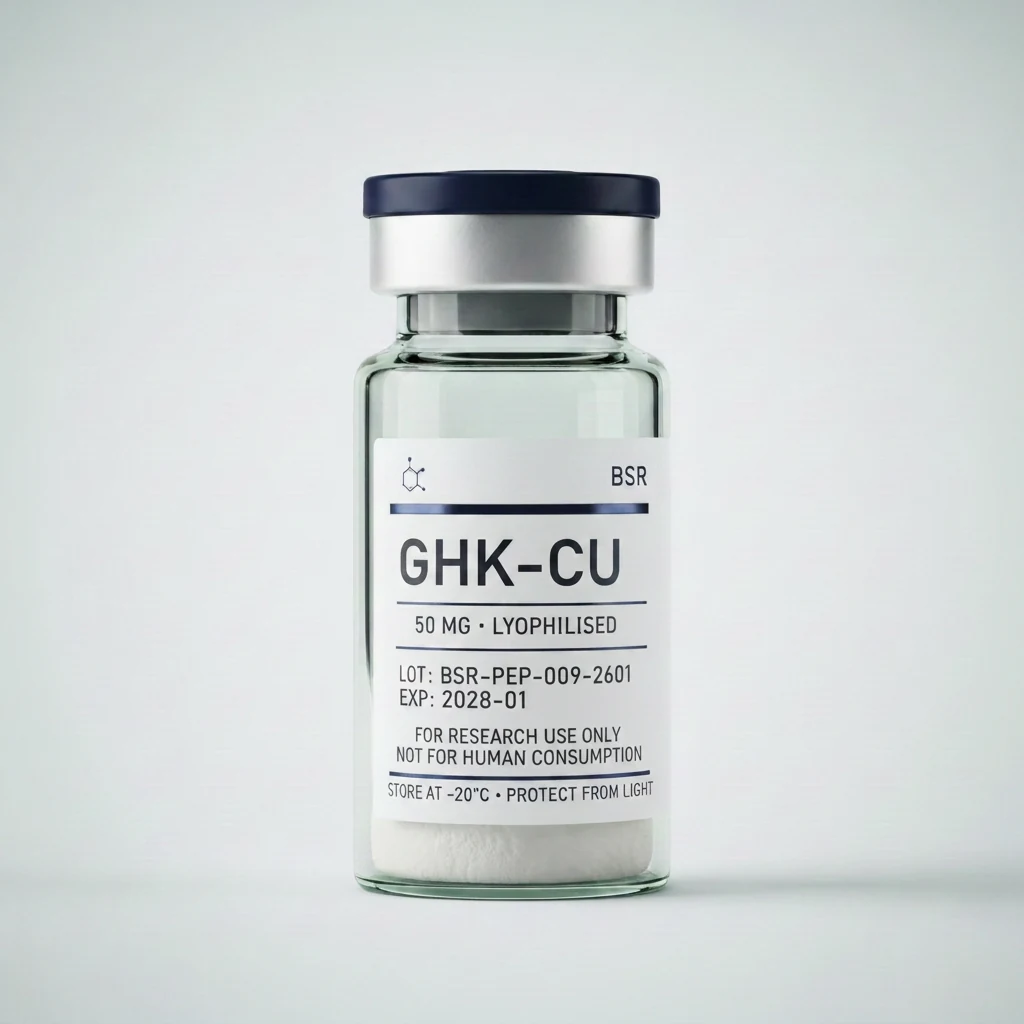
Research-grade material, HPLC verified, certificate of analysis with every order.
The week's Intelligence in one email, every Friday morning.
Regulatory moves, trial readouts, supply-chain news. No product pitches. Unsubscribe in one click.
More in Regulatory & Policy
HHS Issues Enforcement Discretion Policy for Six Peptides: What the 28 October Announcement Means for Research Procurement
29 Oct 2026
Safety Group Challenges PCAC Integrity as Peptide Access Policy Sits at the White House: What the PSM Citizen Petition Means for the Regulatory Outlook
25 Oct 2026
Peptide Interim Access Policy Enters White House Review: What the OIRA Submission and This Week's OMB Meeting Mean for Research Procurement
19 Oct 2026