Regulatory & Policy · 25 Oct 2026
Safety Group Challenges PCAC Integrity as Peptide Access Policy Sits at the White House: What the PSM Citizen Petition Means for the Regulatory Outlook
The Partnership for Safe Medicines has filed a formal citizen petition asking the FDA to block compounding of seven peptides — including BPC-157, TB-500 and Epitalon — and to disregard the July PCAC advisory vote as tainted by conflicts of interest. The petition lands while the agency's interim access policy remains under White House review, deepening the regulatory uncertainty facing research procurement teams.
8 sources cited
Key takeaways
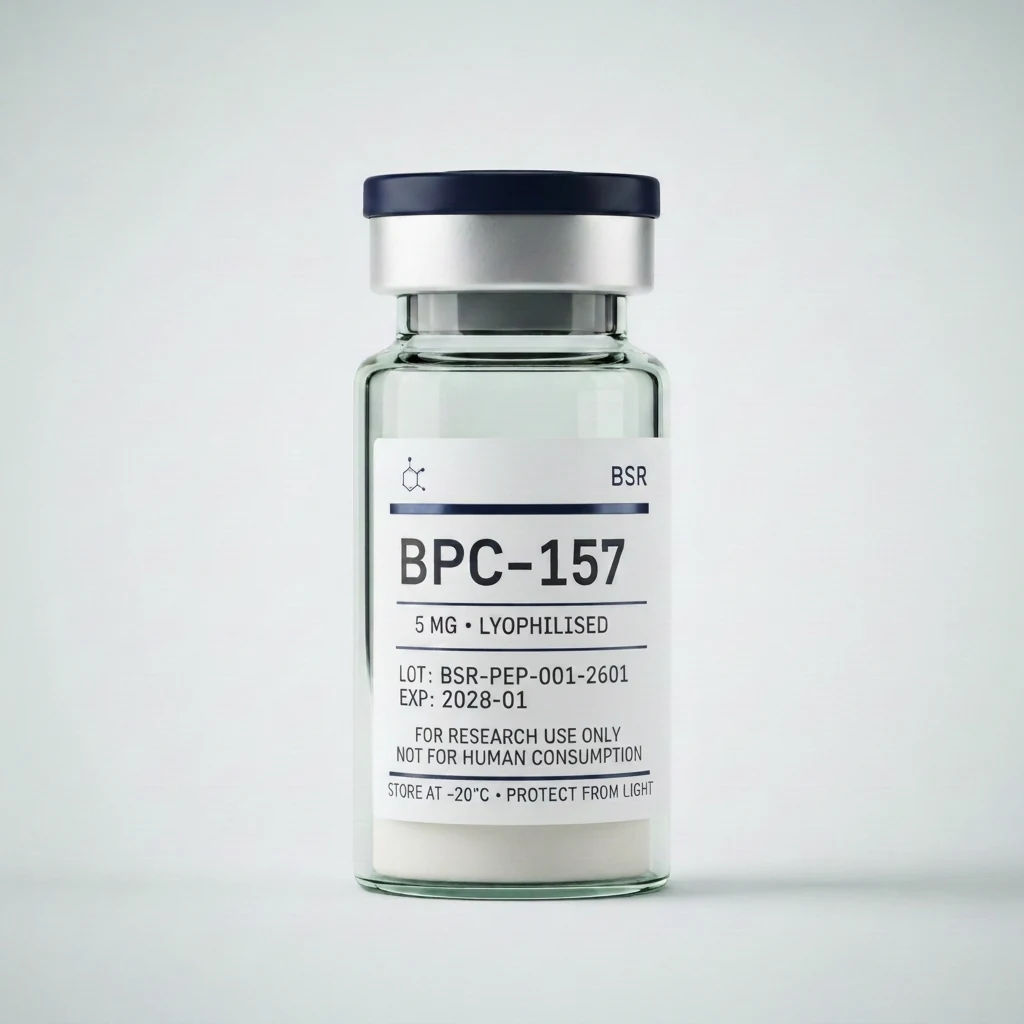
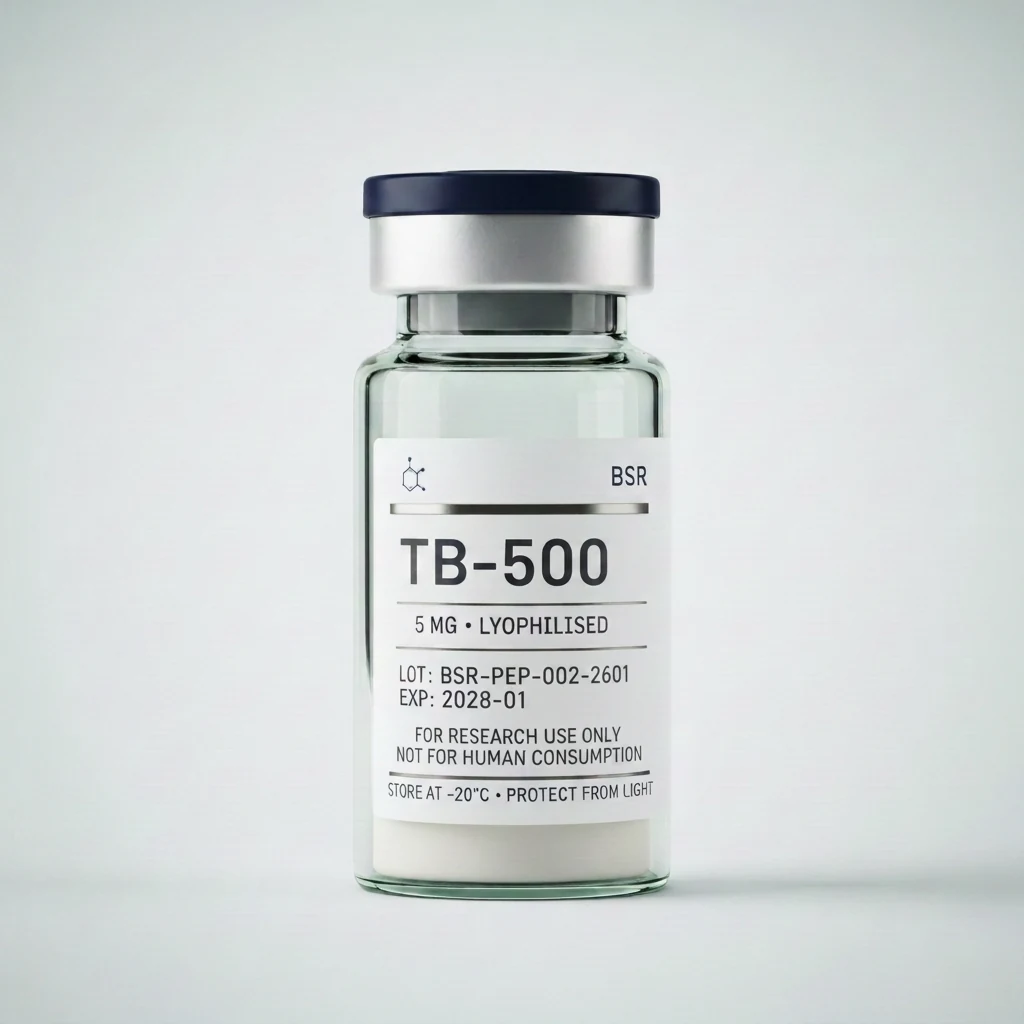
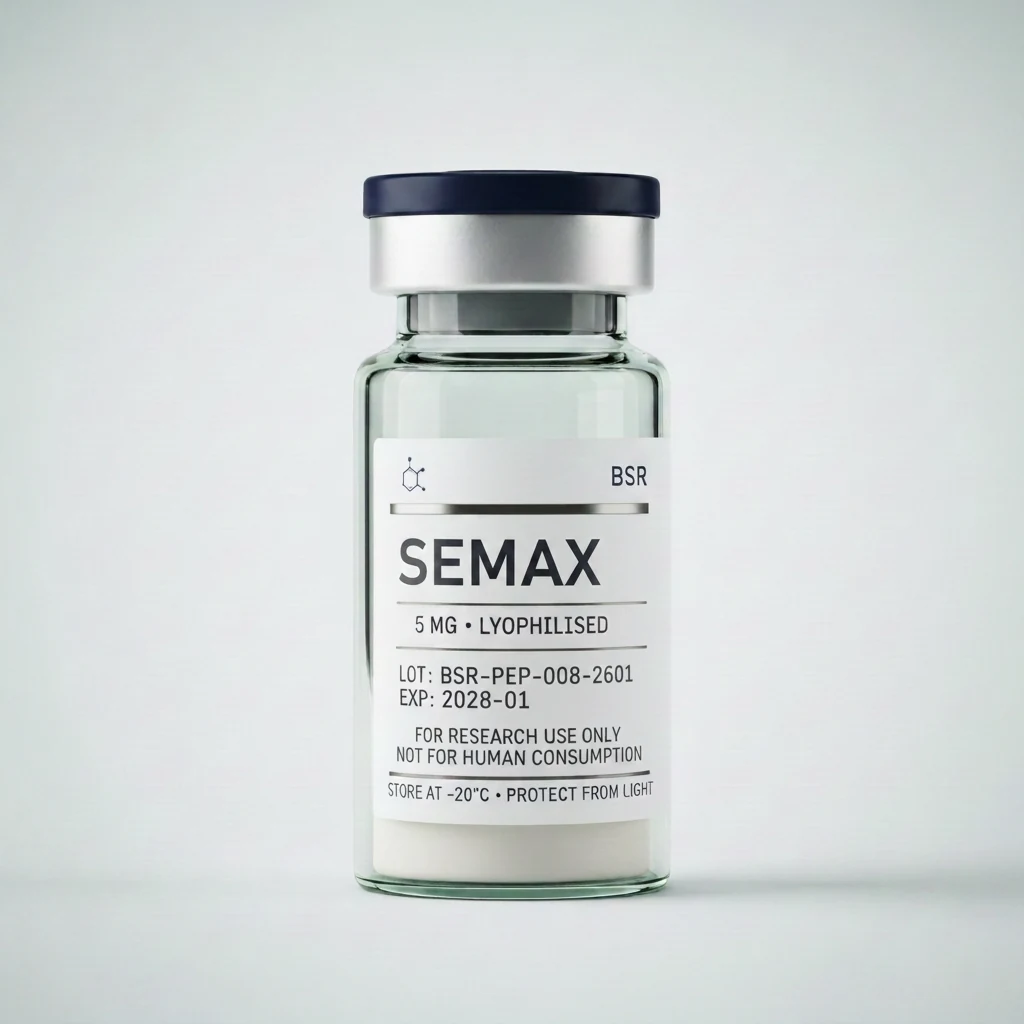
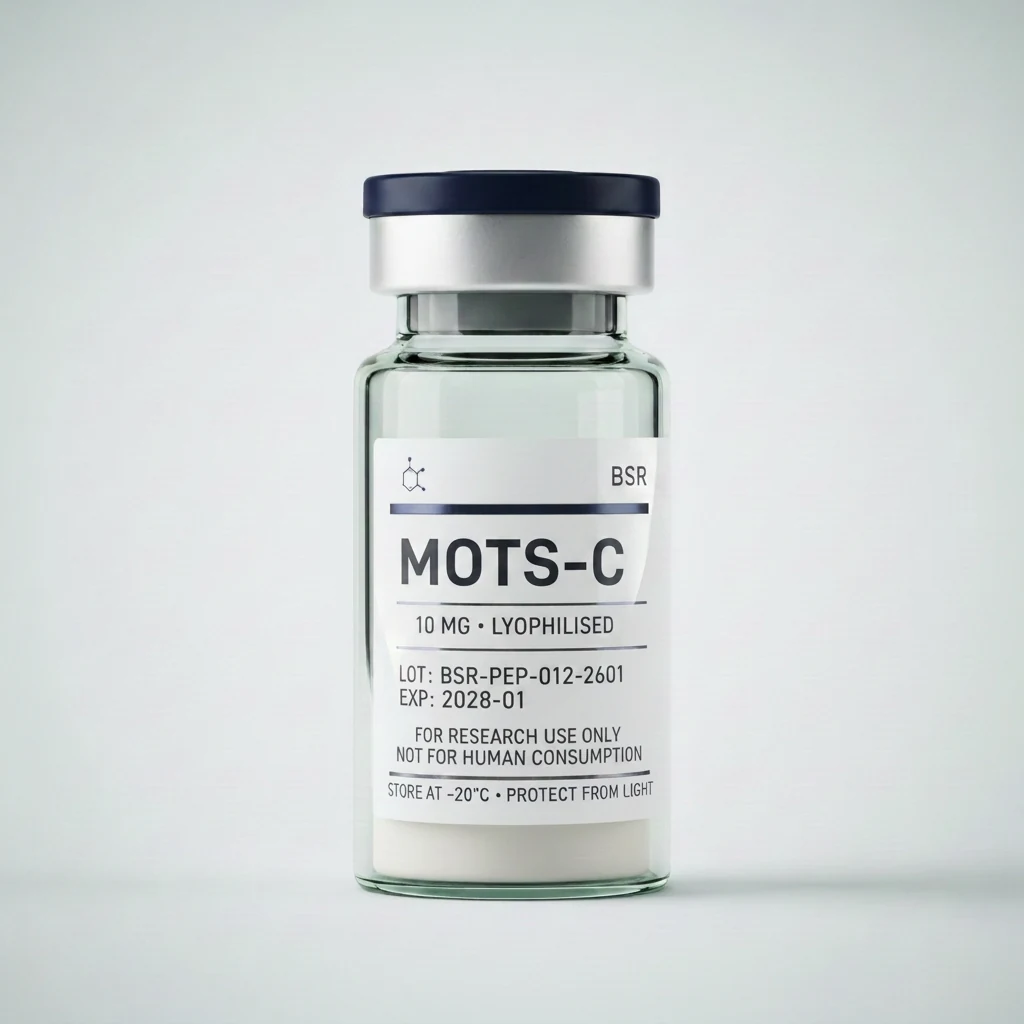
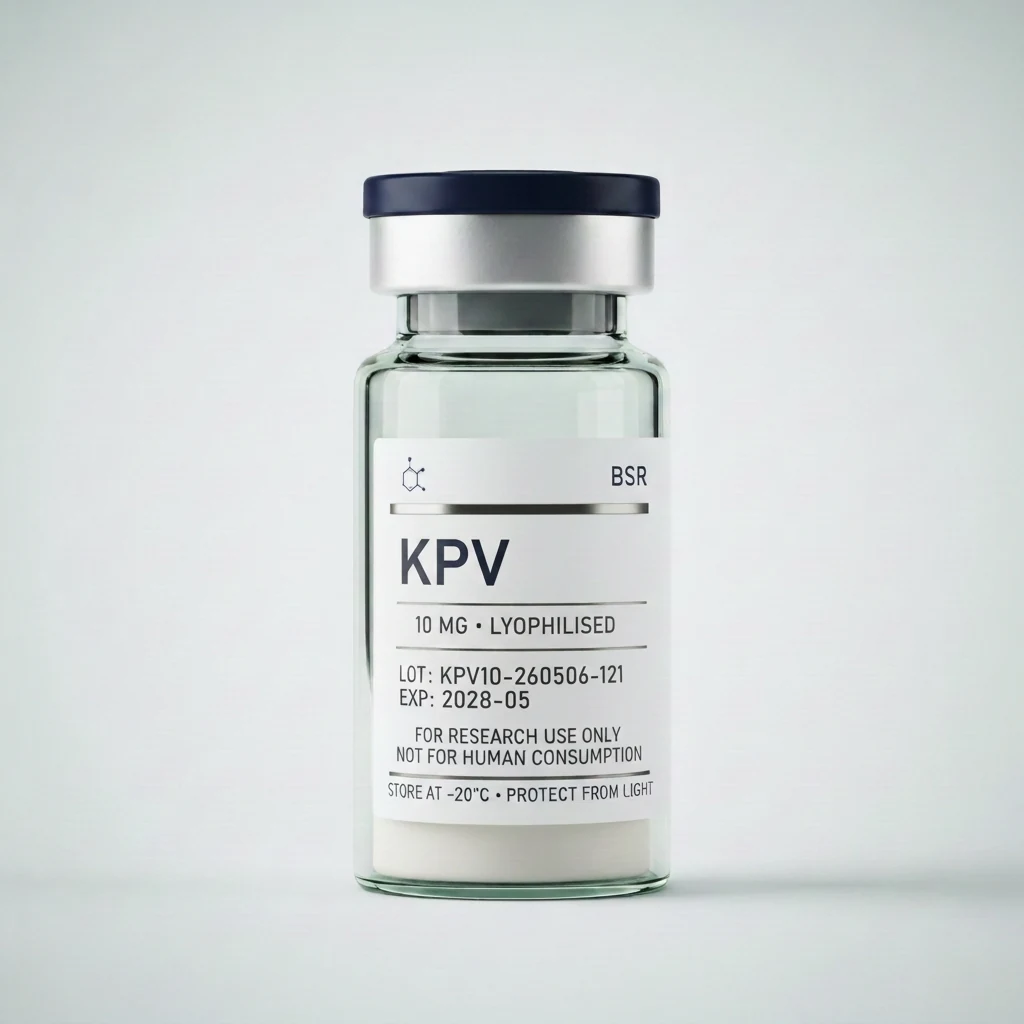
- The Partnership for Safe Medicines (PSM) filed a citizen petition on 16 October 2026 asking the FDA to block the compounding of seven peptides — BPC-157, KPV, TB-500, MOTS-c, emideltide, Semax, and Epitalon — and to set aside the July 2026 advisory committee vote that recommended six of them.
- PSM alleges the Pharmacy Compounding Advisory Committee (PCAC) was constituted in violation of the Federal Advisory Committee Act (FACA) and the Ethics in Government Act (EIGA) due to financial ties between newly appointed members and the peptide industry.
- The petition was made public on 21 October, one day after Bloomberg reported that the White House is reviewing a version of the interim access policy that reportedly includes more patient-protection requirements than initially anticipated.
- As of 25 October 2026, the interim access policy remains under review by the Office of Information and Regulatory Affairs (OIRA); its text, the list of covered substances, and any conditions have not been published.
- Research-procurement teams sourcing these peptides for legitimate laboratory use face a period of sustained ambiguity with no resolution date.
Background: how the dispute reached this point
The regulatory sequence began in February 2026, when HHS Secretary Robert F. Kennedy Jr. announced that approximately fourteen of the nineteen peptides previously placed on the FDA's Category 2 restricted list would be returned to Category 1 status. The regulatory landscape shifted significantly in early 2026 following that announcement, but as of October 2026 the FDA has not finalised the change, leaving the compounding status of the affected peptides still unsettled.
At a two-day public meeting on 23–24 July 2026, the FDA's PCAC reviewed seven peptides that had been nominated for inclusion on the 503A Bulks List. FDA scientists had recommended against bulk compounding of the seven substances under consideration — BPC-157, KPV, TB-500, MOTS-c, emideltide, Semax, and Epitalon. The committee, whose newly appointed members include individuals with financial ties to the peptide industry, voted in favour of allowing six out of the seven unapproved substances to be compounded.
That vote was non-binding on the agency. The July 2026 advisory committee vote recommending BPC-157 for the 503A bulks list was non-binding. The FDA subsequently moved toward an interim enforcement-discretion mechanism rather than formal rulemaking. On 14 October 2026, HHS and FDA submitted an "Interim Access Policy for Compounding Using Certain Peptides" to the Office of Management and Budget for regulatory review.
The PSM citizen petition: scope and legal arguments
On 16 October, the Partnership for Safe Medicines filed a citizen petition with the FDA asking the agency to refrain from taking action — whether through regulation, addition to the interim bulk compounding policy, or exercise of enforcement discretion — to allow compounding of drug products using seven peptide bulk drug substances: BPC-157, KPV, TB-500, MOTS-c, emideltide, Semax, and Epitalon.
The petition was publicised on 21 October alongside a press release setting out two formal requests: PSM asked the FDA to block compounding of these peptides by any route, and to disregard the PCAC meeting as a basis for future rulemaking.
The legal foundation of the challenge rests on two pillars. First, PSM urged the FDA to block compounding of unapproved peptides and to disregard the advisory committee vote on grounds that the committee was constituted in violation of the Federal Advisory Committee Act (FACA) and the Ethics in Government Act (EIGA), federal laws that govern conflicts of interest in agency advisory proceedings. Second, the group argued that evidence presented by FDA scientists does not justify allowing compounding, and that a contrary decision would lack a reasoned basis and violate the Administrative Procedure Act's requirements for reasoned decision-making.
Briefing documents submitted by FDA scientists to the PCAC in July state that none of these substances have been adequately tested in human trials. PSM's executive director framed the concern in direct terms: "FDA scientists reviewed these substances and found no adequate characterisation, extremely limited safety data, and no meaningful human evidence. Legitimising these compounds doesn't make them safer. It just makes them easier to sell."
PSM's petition is publicly available on the FDA's docket at regulations.gov.
What Bloomberg's reporting reveals about the interim policy's shape
Although the interim access policy's text remains undisclosed, Bloomberg reported on 22 October that the White House is reviewing a proposal to broaden access to peptides that includes more patient protections than initially expected, according to people familiar with the matter. According to a summary by Becker's Hospital Review, pharmacies would have to certify the purity and identity of what they make and report serious side effects.
A trade association account adds further detail. Three safeguards are reportedly under discussion: disclosures to patients, reporting of serious side effects, and data collection on how the peptides are used. These conditions stem from the Alliance for Pharmacy Compounding, which says it has met with the FDA twice to ask for temporary permission for state-licensed pharmacies on those terms. None of these conditions is confirmed, as the policy's text has not been published.
Critically, even if the policy is issued, its legal reach is limited. The interim policy would not approve any peptide or add anything to the 503A bulks list, and it would not change the position of research-use-only sellers, outsourcing facilities, or state regulators. The policy would essentially assure compounding pharmacies that they will not be targeted for producing certain peptides — an approach known as enforcement discretion that allows the FDA to selectively choose not to enforce some of its own regulations.
Concurrent enforcement actions: the wider compliance picture
The PSM petition did not emerge in isolation. It referenced a broader pattern of compliance failures that regulators have been documenting simultaneously. The state of California has sent a cease-and-desist notice to a Texas compounding pharmacy for illegally shipping a quarter of a million prescriptions to California patients over ten months. The FDA has also warned several compounders and one ingredient reseller for using or distributing ingredients from non-FDA-registered sources, including Darmerica, Belmar Pharma, Pharmacy Solutions, Staska Pharmaceuticals, and ProRX.
Widening access to peptides has become a contentious issue at the health department, since most of the compounds have not undergone the strict testing required of drugs and cannot legally be sold for human use. Health Secretary Kennedy has enthusiastically backed the products, while staff scientists at the FDA have been more cautious.
Implications for UK research-procurement teams
For laboratories sourcing research-grade peptides, several practical points follow from this week's developments.
Regulatory status unchanged. The FDA has not issued a proposed or final rule addressing access, and no executive order specifically addresses peptides. A look at the current landscape shows that FDA has taken several procedural steps toward expanding access, but absent the publishing of an interim policy, none yet authorises the compounding of these peptides.
OIRA review has no statutory deadline. The White House Office of Information and Regulatory Affairs received the HHS submission on 14 October 2026, and it is logged as a notice under review with no legal deadline. The text, the list of covered peptides, and its conditions are not public. Procurement decisions should not be premised on an expected publication date.
The citizen petition creates an additional procedural hurdle. Under FDA rules, the agency must respond to citizen petitions within ten months. FDA rules permit anyone to petition the agency to take or refrain from taking regulatory action. A reasoned response addressing the FACA and EIGA allegations — and the APA challenge — will add procedural complexity to any subsequent rulemaking, regardless of the merits.
Research-use-only supply remains legally distinct. The interim policy, if and when issued, will apply to state-licensed 503A compounding pharmacies, not to research-use-only suppliers. The policy would not make research-use-only sales lawful, and it would not affect outsourcing facilities or state law. UK researchers importing peptides for in-vitro or preclinical work should continue to verify that suppliers operate under correctly scoped research-use-only designations and provide documentation accordingly.
The PSM petition keeps the regulatory dispute active on multiple tracks simultaneously — OIRA review, PCAC conflict-of-interest challenge, APA reasoned-decision scrutiny, and concurrent state enforcement — ensuring that no single development will settle the question of which peptides may lawfully be compounded in the near term.
Sources: Partnership for Safe Medicines press release, 21 Oct 2026 · PSM citizen petition detail, safemedicines.org · RAPS — This Week at FDA, 22 Oct 2026 · Bloomberg — RFK Jr.'s Peptide Plan, 22 Oct 2026 · Mondaq / Buchanan Ingersoll — FDA Submits Interim Policy, 22 Oct 2026 · Holland & Knight — Peptides at a Crossroads, Oct 2026 · Modern Peptide Science — Interim Access Policy explainer · Peptide Association — Regulatory Landscape
Research-grade material, HPLC verified, certificate of analysis with every order.
The week's Intelligence in one email, every Friday morning.
Regulatory moves, trial readouts, supply-chain news. No product pitches. Unsubscribe in one click.
More in Regulatory & Policy
Peptide Interim Access Policy Enters White House Review: What the OIRA Submission and This Week's OMB Meeting Mean for Research Procurement
19 Oct 2026
One Amino Acid, Three High Stakes: What the Seventh Circuit's Pending Retatrutide Ruling Means for Exclusivity, Medicare Pricing, and Compounding Access
12 Oct 2026
FDA Career Scientists Formally Oppose Administration's Interim Peptide Dispensing Plan — and What the Internal Split Means for Research Procurement
11 Oct 2026