Regulatory & Policy · 18 Nov 2026
HHS Publishes Enforcement Discretion Policy for Six Compounded Peptides: What the Ten Conditions Mean for Research Procurement
The US Department of Health and Human Services published an interim enforcement discretion policy on 28–30 October 2026, permitting 503A compounding pharmacies to prepare BPC-157, TB-500, KPV, MOTS-c, Epitalon and Semax — provided all ten conditions are met. The policy overrides FDA's own scientific reviewers, creates the first structured quality-and-reporting framework for these peptides, and has direct implications for how UK research organisations assess the traceability and documentation…
9 sources cited
Key takeaways
- On 28–30 October 2026, HHS published its "Enforcement Discretion Policy Regarding 503A Compounding Using Certain Peptide Bulk Drug Substances," covering BPC-157, TB-500, KPV, MOTS-c, Epitalon and Semax.
- Enforcement discretion is available only when all ten conditions are satisfied — including CGMP-compliant sourcing, lot-specific certificates of analysis, single-ingredient formulations and mandatory MedWatch reporting.
- The policy is explicitly interim: it remains in force for each peptide only until a final rule on the 503A bulks list is issued. HHS may revise or withdraw it at any time.
- FDA's own Centre for Drug Evaluation and Research (CDER) recommended against listing all six peptides; HHS overrode those recommendations, citing the advisory committee's vote and new characterisation data.
- The policy does not confer FDA approval and does not alter the statutory status of any of the six compounds. It changes the federal government's enforcement posture only.
- UK research organisations should treat the conditions — particularly COA traceability, single-API formulation and registered-manufacturer sourcing — as a minimum benchmark when evaluating US-origin peptide documentation.
Background: how the six peptides came to be covered
The policy's origins lie in regulatory proceedings that began in mid-2026. According to chemverify.com, the six peptides were removed from the Category 2 restricted list on 22 April 2026. The FDA's Pharmacy Compounding Advisory Committee (PCAC) met on 23–24 July 2026 and recommended six of the seven peptides reviewed for the 503A bulks list; only DSIP (emideltide) was not recommended. Despite that advisory vote, FDA's CDER recommended against listing all six peptides, finding them poorly characterised, with missing endotoxin, impurity and microbial data, and flagging immunogenicity concerns.
HHS Secretary Robert F. Kennedy Jr. ultimately issued the enforcement discretion policy over CDER's objections. According to Holland & Knight's regulatory analysis, HHS relied in its published Appendix B on the PCAC's contrary vote, newly documented historical use, updated lot-specific characterisation data and the safeguards built into the ten conditions to justify interim access. The policy was announced on 28 October 2026 and formally published in the Federal Register on 30 October 2026 (Docket No. HHS-OASH-2026-0496; RIN 0910-ZD94).
Venable LLP describes this as "an unusual departure" by the HHS Secretary from CDER recommendations, marking the first time since September 2023 that licensed compounding pharmacies could legally prepare these compounds for patients, albeit under strict federal conditions.
The six peptides and their permitted routes
Each peptide is covered only in a specific salt form and via specific administration routes. According to the Holland & Knight analysis of the Federal Register notice:
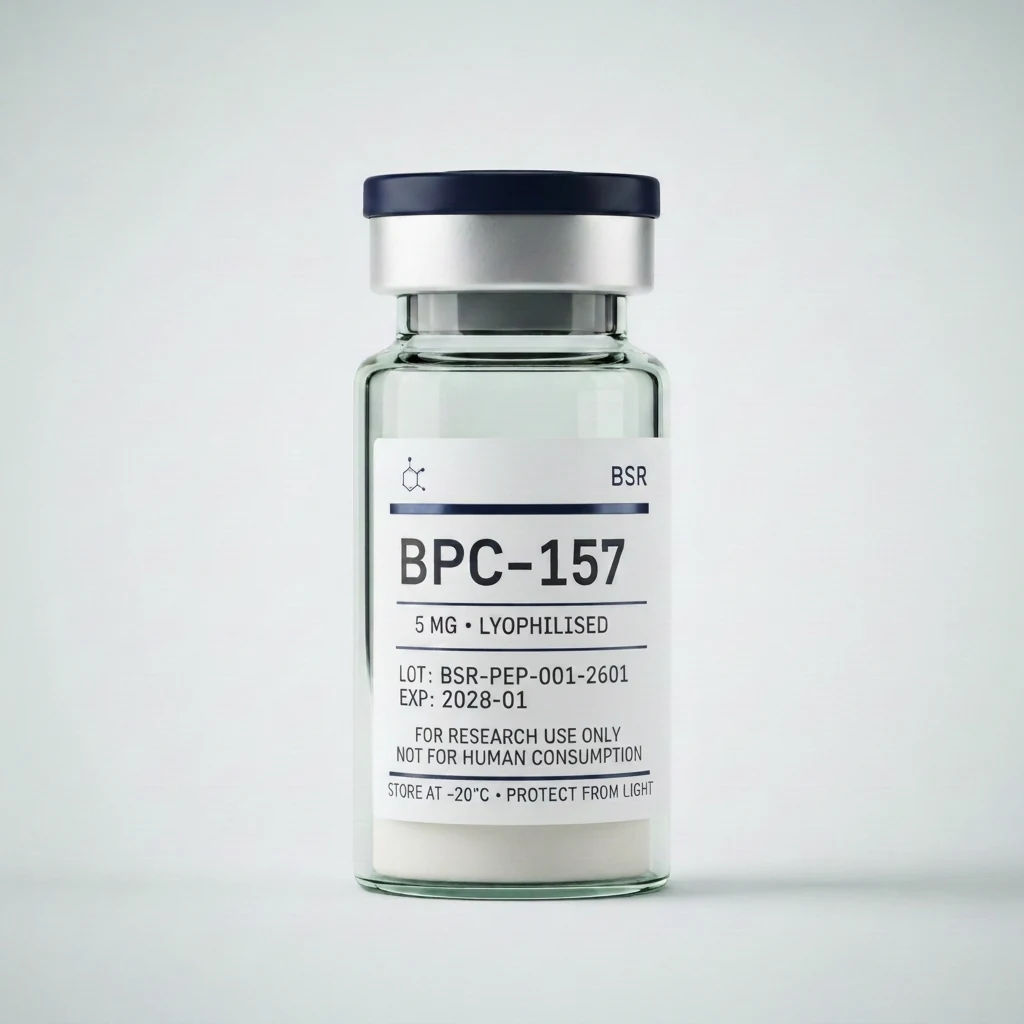
- BPC-157 acetate — subcutaneous, intramuscular, oral and topical dosage forms
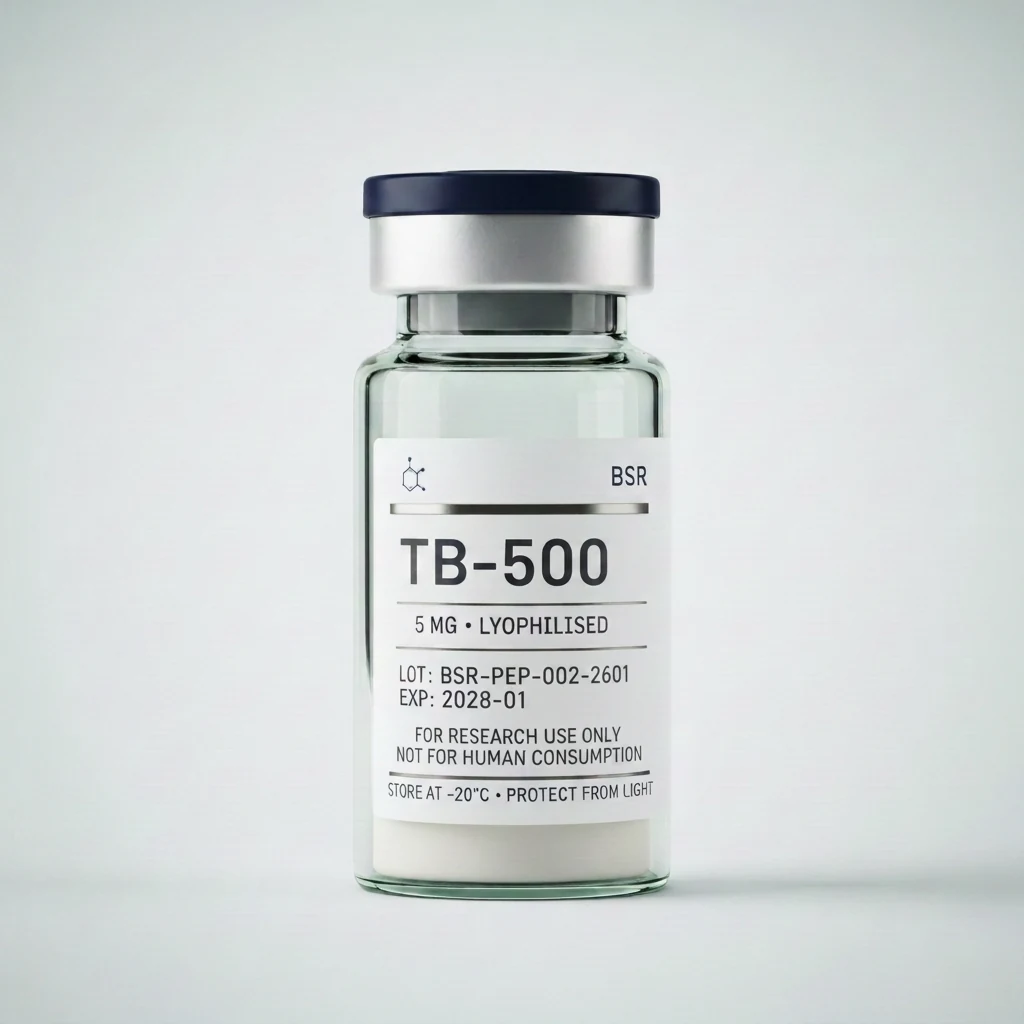
- TB-500 acetate — subcutaneous or intramuscular injectable dosage forms
- Epitalon acetate — subcutaneous or intramuscular injectable dosage forms, dispensed in intermittent courses
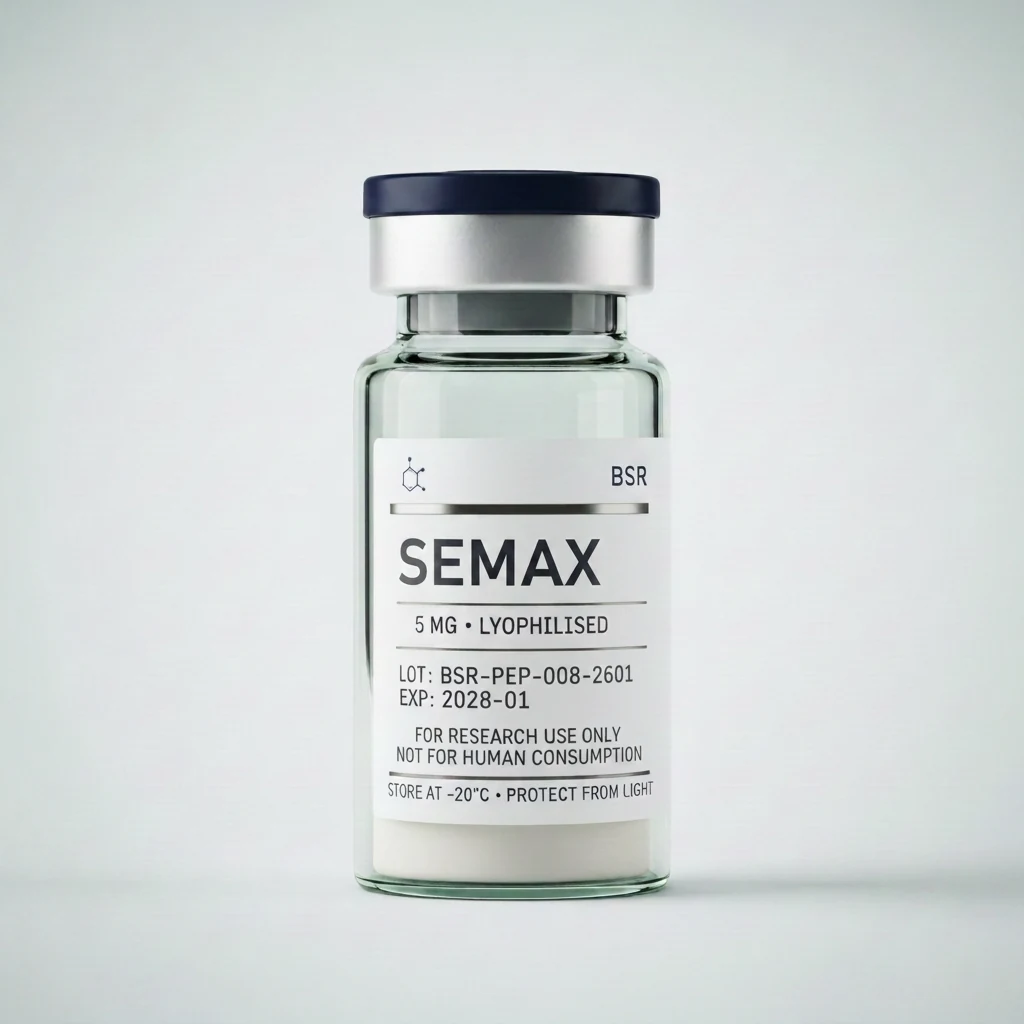
- Semax free base — intranasal use only
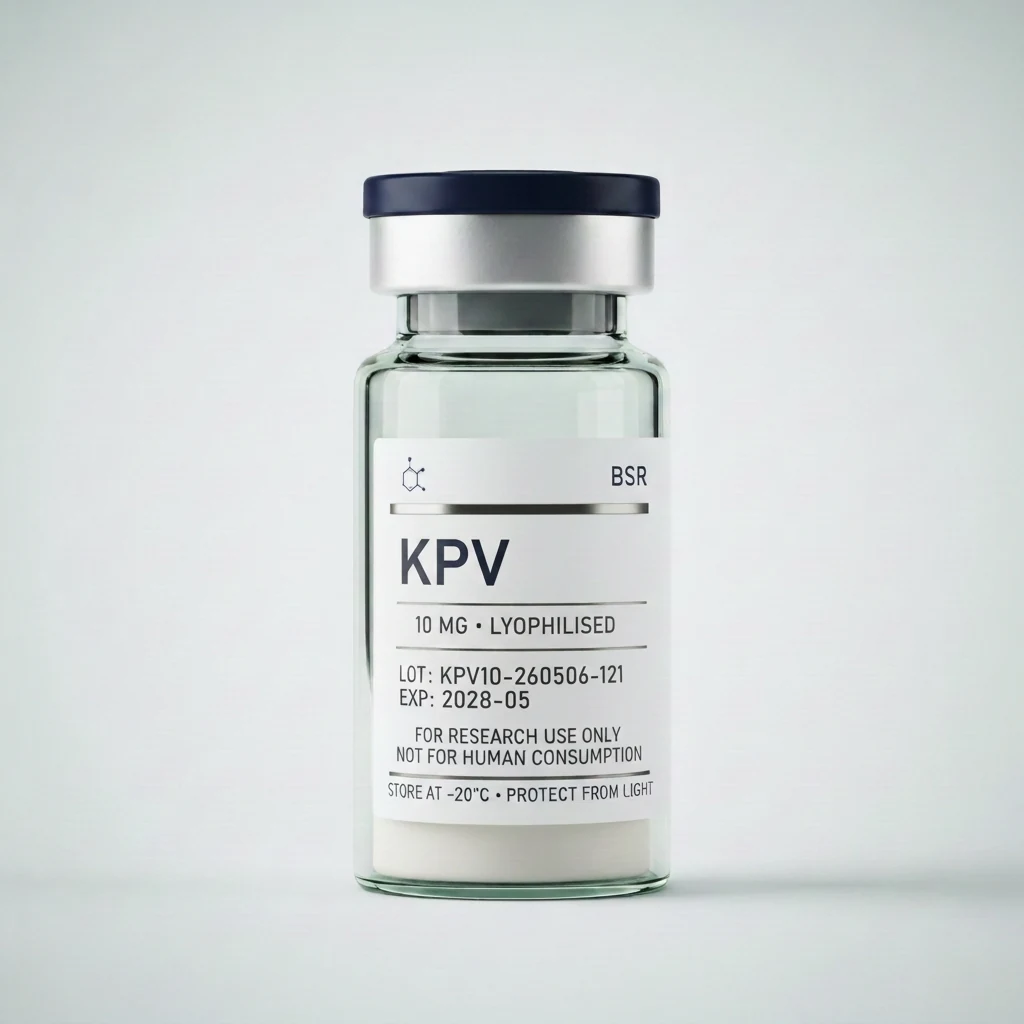
- KPV acetate — topical and oral dosage forms
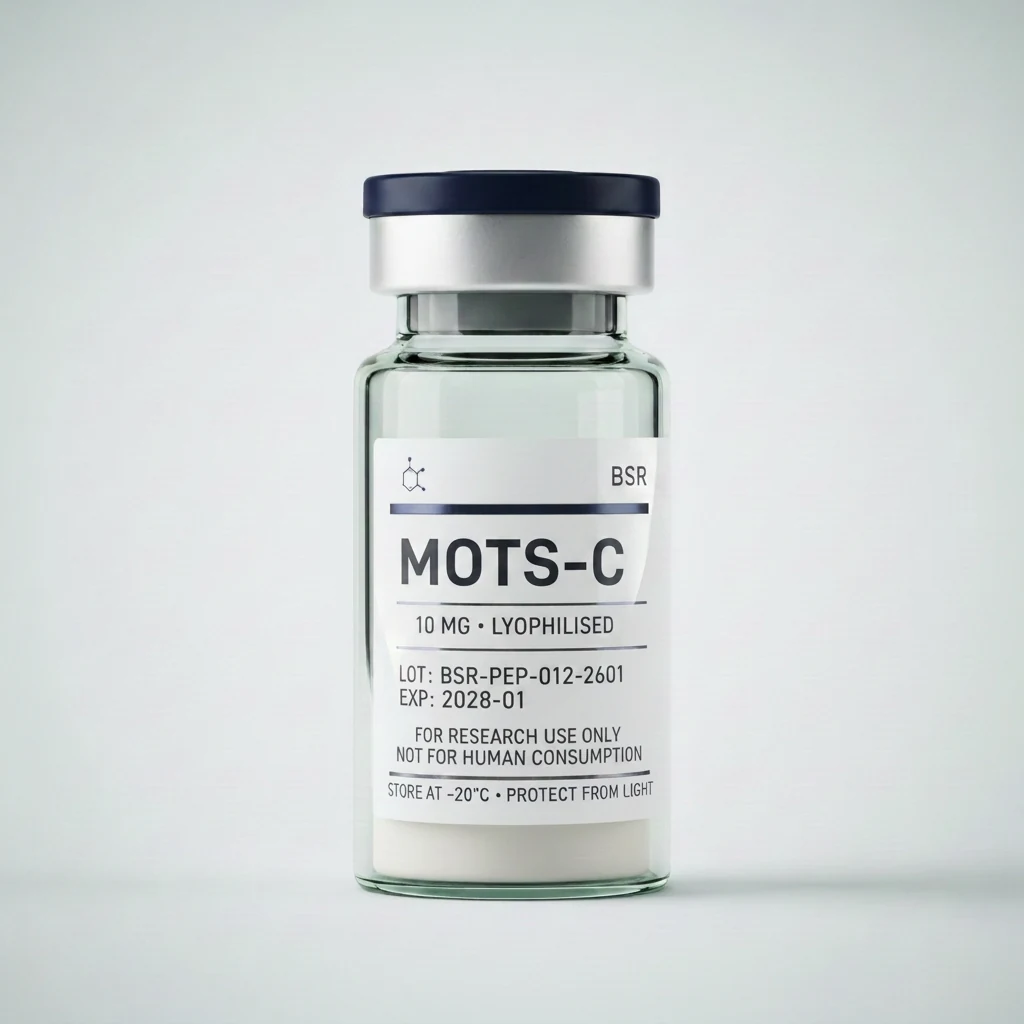
- MOTS-c acetate — subcutaneous or intramuscular injectable dosage forms
Compounding outside these specified forms and routes does not attract enforcement discretion. Blended formulations — such as the "Wolverine Stack" combining BPC-157 and TB-500 in a single vial — also fall outside the policy's scope.
The ten conditions in detail
The enforcement discretion is conditional on meeting all ten requirements simultaneously. According to AJMC's analysis of the Federal Register notice, bulk substances must come from an FDA-registered original manufacturer that complies with current good manufacturing practice (CGMP), and must carry a certificate of analysis (COA) demonstrating identity, purity, potency and the absence of contaminants including endotoxins, heavy metals and microbial matter.
Arnold & Porter's regulatory commentary summarises the remaining conditions as follows: products must be single-ingredient formulations only; labelling must carry a "Not for resale" statement and adverse event reporting instructions; compounders must report serious adverse events and product quality issues to FDA's MedWatch programme and to relevant state boards; and each compounded product must be supplied under a valid patient-specific prescription in compliance with Section 503A.
The single-API requirement is analytically significant. As noted by meto.co's policy breakdown, the restriction means that if an adverse event occurs, attribution to a specific compound remains possible — which is described by HHS as essential to the post-market surveillance rationale underpinning the whole policy.
The American Action Forum, in comments submitted to HHS during the policy's open comment period, noted that while the conditions address identifiable quality and distribution risks, reliance on post-market reporting has inherent limitations given the low frequency of FDA inspections at 503A pharmacies.
Why CDER objected — and why HHS overrode it
CDER's objections, as documented in Arnold & Porter's analysis of the Federal Register notice, centred on characterisation gaps: missing endotoxin, impurity and microbial data, together with immunogenicity concerns across all six compounds. HHS characterised CDER's safety concerns for several of the peptides as inferential rather than based on observed signals. The galizaidy.substack.com summary of the HHS policy appendix notes that HHS described the safety basis for CDER's objections to TB-500 as "inferential rather than observed" and for KPV as "an absence of information rather than an observed signal."
The divergence between CDER's scientific reviewers and HHS leadership is structurally notable for the peptide research sector. It signals that the administration is prepared to use enforcement discretion as a policy lever where it judges that access benefits and existing safeguards are sufficient, even without the evidence base that would ordinarily be required for a formal listing on the 503A bulks list.
Interim status and revocability
The policy is explicitly time-limited. According to Venable LLP's regulatory analysis, the policy applies only until each peptide bulk drug substance is addressed in a final rule as included or not included on the 503A bulks list — meaning the horizon is determined by FDA's rulemaking timeline, which remains unspecified. HHS has also stated that it may revise or withdraw the policy in whole or in part if safety signals or product quality issues arise.
AFS Law's commentary describes the enforcement discretion as "a revocable accommodation rather than a safe harbour" because HHS can narrow or withdraw it without rulemaking. Compounders that miss any one of the ten conditions lose the policy's protection immediately.
Implications for UK research procurement
The HHS policy has no direct legal effect in the United Kingdom. The MHRA regulates peptide supply in Great Britain independently, and none of the six covered compounds holds a UK marketing authorisation. Under current MHRA guidance, all peptide medicines should only be administered if prescribed by a registered healthcare professional; peptides supplied purely for laboratory research must be clearly designated as research-use-only and must not be represented as suitable for human administration.
However, the policy's ten conditions — particularly the COA requirements, CGMP-compliant sourcing and single-API formulation rules — represent a useful analytical benchmark for UK procurement teams evaluating documentation from US-linked suppliers. Research organisations procuring any of the six compounds for in-vitro or in-vivo non-clinical research should, at minimum, expect:
- A lot-specific COA from an identifiable, CGMP-registered manufacturer covering identity (sequence confirmation), purity (HPLC ≥98%), potency, endotoxin load, heavy metals and microbial contamination.
- Full traceability to the original bulk manufacturer, not merely a repackager or distributor.
- No blended or multi-peptide formulations, which under the HHS framework would not qualify even for the interim enforcement discretion in the US, and which present attribution difficulties in any safety-monitoring context.
According to AJMC, the policy does not add the six peptides to the 503A Bulks List, and its conditions principally address risks at the compounding stage rather than establishing safety or efficacy. UK buyers should be cautious of any marketing material that conflates enforcement discretion in the US with broader regulatory legitimation.
What comes next
The Federal Register notice invited public comments for two weeks following publication. According to the policy's own language as cited by multiple regulatory commentators, "FDA's future rulemakings may propose adding some or all of these peptides to the 503A bulks list based on the available evidence." A formal proposal to list any of the six would trigger a full public comment process and further advisory committee review before any final rule could take effect.
Until that formal listing — if it occurs — the enforcement discretion policy remains the governing framework. Research organisations should monitor the Federal Register for any notice of proposed rulemaking on the 503A bulks list, and treat the current policy as a floor of documentation expectations rather than a ceiling.
Research-grade material, HPLC verified, certificate of analysis with every order.
The week's Intelligence in one email, every Friday morning.
Regulatory moves, trial readouts, supply-chain news. No product pitches. Unsubscribe in one click.
More in Regulatory & Policy
US Peptide Compounding Comment Window Closes Today as AMA Calls for Rescission of HHS Enforcement Policy
13 Nov 2026
FDA Mandates Class-Wide NAION Warning for All GLP-1 Receptor Agonists: What the Labelling Change Means for Research and Procurement
10 Nov 2026
First Commercial Pharmacy Secures API Supply for All Six PCAC Peptides: What the Corexa Health Announcement Means for Research Procurement
02 Nov 2026