Research Pipeline · 28 Aug 2026
KPV: The Alpha-MSH Tripeptide With an 8-6 PCAC Vote, Two Decades of Preclinical Data, and No Human Clinical Trials
KPV (lysine-proline-valine) is a three-amino-acid fragment of alpha-melanocyte-stimulating hormone with preclinical anti-inflammatory evidence spanning gut, skin, and innate immunity. In July 2026 the FDA's Pharmacy Compounding Advisory Committee voted 8-6 to recommend it for the 503A Bulks List — but no human clinical trials have been completed, FDA staff recommended against inclusion, and formal rulemaking has yet to begin.
12 sources cited
Key takeaways
- KPV (Lys-Pro-Val) is the C-terminal tripeptide of alpha-melanocyte-stimulating hormone (α-MSH), representing amino acids 11–13 of the 13-residue parent molecule.
- On 23 July 2026, the FDA's Pharmacy Compounding Advisory Committee (PCAC) voted 8-6 to recommend KPV for the Section 503A Bulk Drug Substances List, covering wound healing and inflammatory conditions.
- FDA career scientists recommended against inclusion on all seven peptides under review; the committee overrode that position for KPV and five others.
- No registered Phase I or Phase II human clinical trial for KPV appears on ClinicalTrials.gov as of mid-2026; the evidence base is almost entirely preclinical.
- The PCAC recommendation is non-binding. Formal rulemaking — a Notice of Proposed Rulemaking, a public comment period, and a Final Rule — is required before KPV can be placed on the 503A Bulks List; that process could extend into 2027 or beyond.
- In the UK, KPV has no MHRA marketing authorisation and is not an authorised medicine; it may be procured strictly as a research material for laboratory use.
What KPV is and where it comes from
KPV is a tripeptide made up of three amino acids: lysine (K), proline (P), and valine (V). It occupies the C-terminal positions 11 through 13 of alpha-melanocyte-stimulating hormone (α-MSH), making it a natural fragment of an endogenous neuropeptide rather than a wholly synthetic construct.
The full α-MSH molecule is 13 amino acids long and mediates pigmentation, inflammation control, appetite regulation, and sexual behaviour through melanocortin receptors (MC1R–MC5R). Researchers found that the KPV sequence alone preserves much of that anti-inflammatory activity while being smaller, more stable, and easier to deliver, without the pigmentation and appetite effects associated with the full molecule.
Molecular weight is approximately 341 Da — extremely small even by peptide standards — and the compound's size has implications for delivery routes that larger peptides cannot exploit.
Mechanism of action
KPV's primary mechanism involves inhibition of nuclear factor-kappa B (NF-κB) signalling, a central pathway in acute and chronic inflammatory responses. KPV activates anti-inflammatory signalling and reduces the production of pro-inflammatory mediators in human keratinocyte cell models. The melanocortin receptors through which it acts — particularly MC1R and MC3R — are expressed on immune cells, epithelial cells, and keratinocytes, which accounts for the breadth of tissue types in which preclinical effects have been observed.
A feature that distinguishes KPV from many anti-inflammatory compounds is its apparent selectivity. Preclinical researchers found that KPV achieved anti-inflammatory effects while preserving — and actually enhancing — antimicrobial defence, without reducing neutrophil killing capacity. Most conventional anti-inflammatory agents, including corticosteroids and NSAIDs, demonstrate some degree of immunosuppression at therapeutic doses.
A further structural property of interest to researchers is oral bioavailability. KPV is actively transported into intestinal epithelial cells and immune cells via the PepT1 di/tripeptide transporter. Oral bioavailability is lower than injectable forms, but direct delivery to gut tissue may be advantageous for gastrointestinal conditions — a consideration relevant to inflammatory bowel disease research.
State of the preclinical evidence
The published evidence base for KPV spans roughly two decades but remains confined to cell culture and animal models.
Inflammatory bowel disease. In a cell and mouse colitis study, KPV entered intestinal cells through the PepT1 transporter and reduced inflammatory signalling; oral KPV also reduced inflammation in two mouse models. Research published in Inflammatory Bowel Diseases (Kannengiesser et al., 2008) demonstrated anti-inflammatory potential in murine IBD models, and this work forms part of the frequently cited preclinical foundation for KPV's gut applications.
Skin inflammation. Preclinical studies show KPV suppresses contact hypersensitivity and dermatitis in animal models when applied topically or administered systemically, reducing pro-inflammatory cytokines in keratinocytes and inducing hapten-specific tolerance. A US patent (US 6,894,028) was granted for the use of KPV tripeptide in dermatological disorders, reflecting the therapeutic potential identified in preclinical research.
Recent work in environmental dermatology. A 2025 study investigated the protective effects of KPV against PM10 (particulate matter) damage in human keratinocytes; treatment restored cell viability, reduced IL-1β secretion, inhibited reactive oxygen species production, and decreased apoptosis-related protein expression. While this extends the mechanistic picture into a new context, the study design — cell culture and three-dimensional skin models — does not constitute human clinical evidence.
Wound healing. A body of preclinical work has examined KPV in cutaneous wound models. This is one of the two specific indications — alongside inflammatory conditions — under which the PCAC reviewed KPV's candidacy for the 503A Bulks List, consistent with the areas best supported by existing data.
Human evidence: the critical gap
The honest assessment of the clinical evidence base is that it does not exist in any meaningful form. As of 2026, no registered Phase I or Phase II trials for KPV in humans are listed on ClinicalTrials.gov; the FDA specifically cited the lack of human exposure data as part of its 2023 categorisation decision.
This was a central factor in the FDA career scientists' pre-meeting briefing. FDA's briefing documents proposed the same conclusion for each of the seven peptides under review: do not add them to the 503A Bulks List. The agency's career scientists applied the four-factor framework under 21 CFR 216.23(c) — physical and chemical characterisation, historical use in compounding, evidence of effectiveness, and safety — and concluded that none satisfied the applicable criteria for inclusion.
For research-procurement professionals, the implication is straightforward: KPV lacks the human pharmacokinetic, pharmacodynamic, or safety data that would normally underpin procurement decisions involving clinical-grade materials. Claims about efficacy in human patients are not supported by the current evidence base.
The July 2026 PCAC vote: what happened and what it means
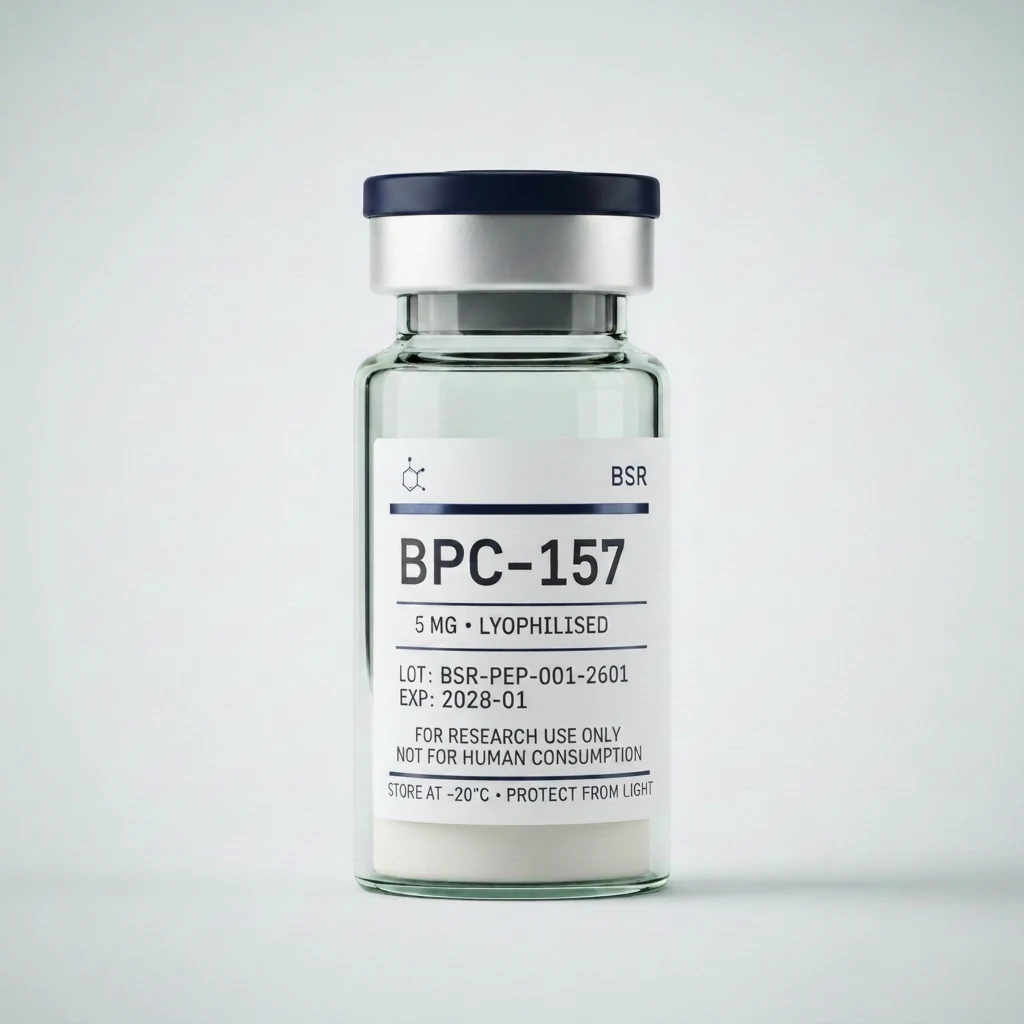
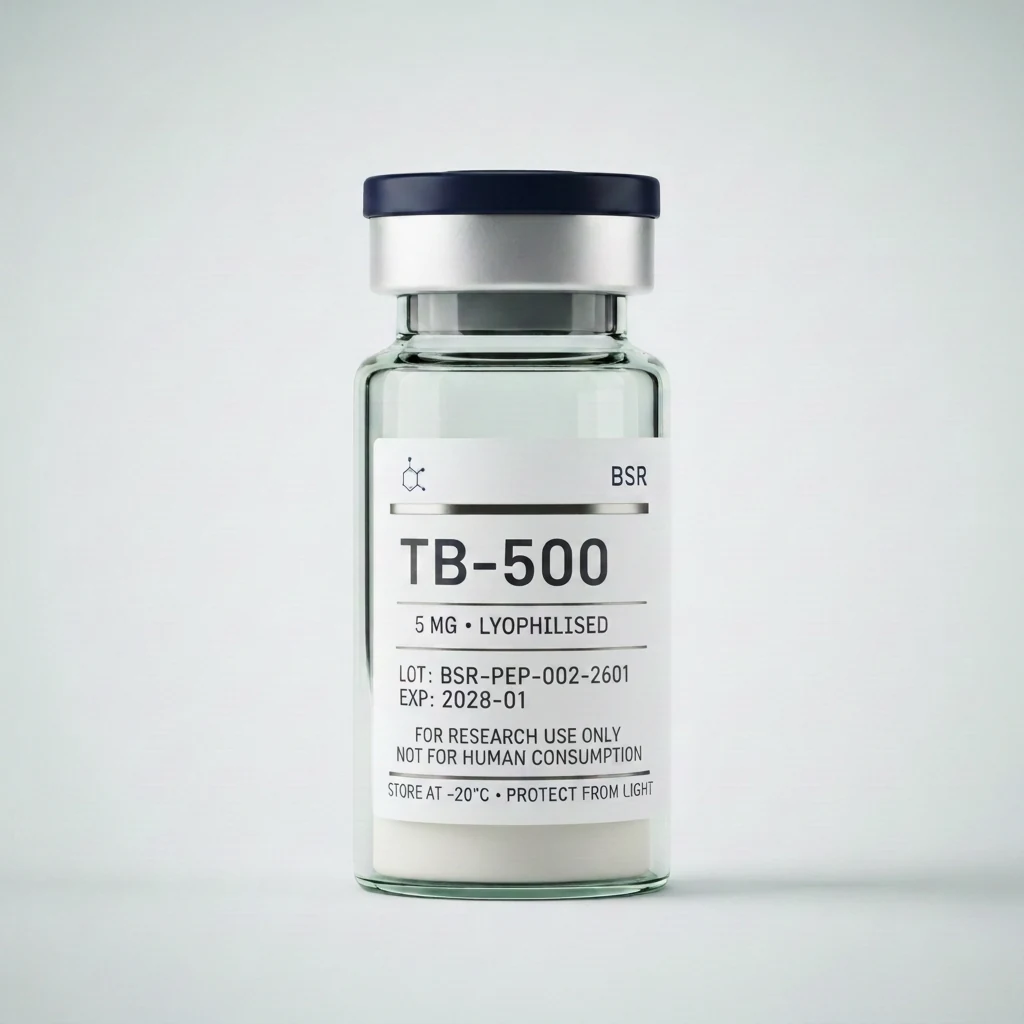
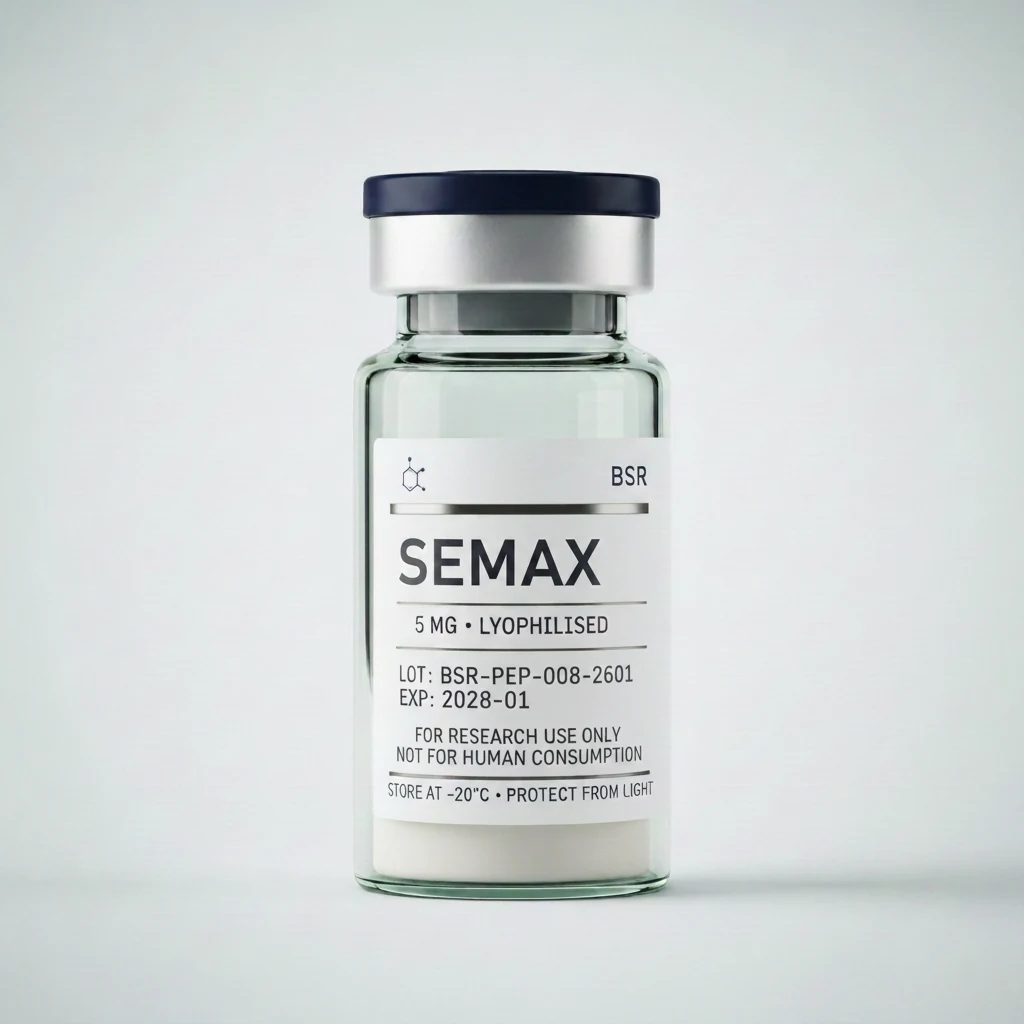
The Pharmacy Compounding Advisory Committee met at FDA's White Oak campus on 23–24 July 2026 to vote on whether seven peptides should be recommended for the Section 503A Bulk Drug Substances List. On day one, it voted in favour of BPC-157, KPV and TB-500 (8-6, one abstention) and MOTS-c (7-5, two abstentions). Semax and Epitalon were approved on day two; DSIP (emideltide) was rejected.
The July 2026 votes represented a significant development for the compounding industry, particularly because FDA staff had recommended against inclusion of the peptides before PCAC reached a different conclusion. The committee's composition attracted scrutiny: eight of the panel's voting members were newly appointed as temporary members on 29 June 2026, drawn from fields including clinical research, neurology, gastroenterology, pain management, and patient advocacy, and pre-hearing reporting raised conflict-of-interest questions about some members, citing financial ties to clinics and pharmacies that sell peptide products — concerns the FDA itself reportedly flagged.
These procedural questions do not invalidate the vote, but they are part of the record that FDA will weigh when deciding whether to accept the recommendation.
The regulatory road ahead
The PCAC vote is the beginning of a process, not its conclusion. PCAC serves an advisory role, and FDA retains the authority to ultimately decide whether a substance is placed on the 503A Bulks List. The rulemaking steps that must follow are:
- FDA internal review — the agency assesses whether to accept the committee's recommendation.
- Notice of Proposed Rulemaking (NPRM) — if FDA decides to proceed, a proposed rule is published.
- Public comment period — typically 60 to 90 days.
- Final Rule — FDA reviews the administrative record and issues a binding determination.
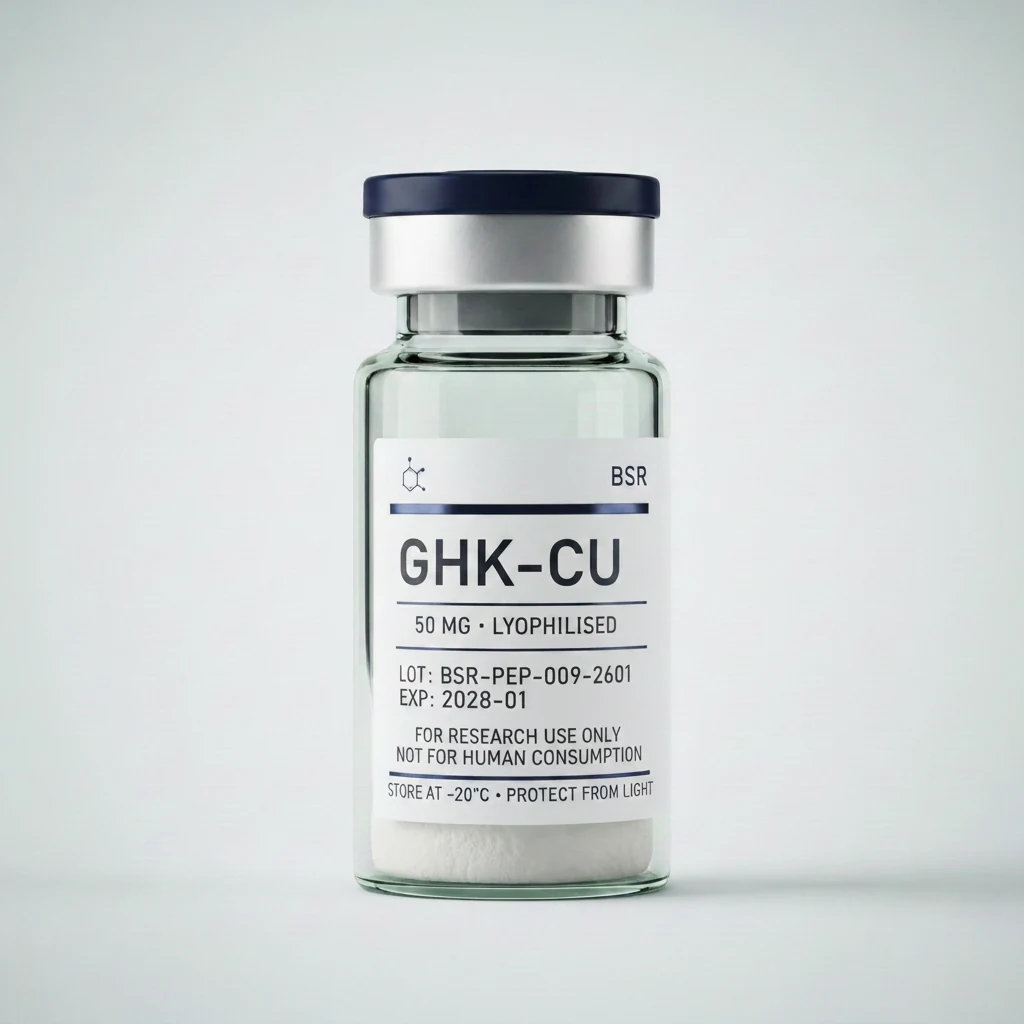
A second PCAC meeting is planned before the end of February 2027 to review additional peptides including GHK-Cu, LL-37, Dihexa, Melanotan II, and PEG-MGF.
UK and European regulatory status
In the UK, KPV has no marketing authorisation from the MHRA and is not an authorised medicine. Under the Human Medicines Regulations 2012, supplying a product for treating, preventing or diagnosing a condition in people requires a marketing authorisation from the MHRA; selling or using peptides for human consumption, or marketing them with medical claims, is unlawful.
Research peptides are legal to buy and sell as laboratory research materials in the UK in 2026, provided they are not supplied for human use and carry no medical claims. The MHRA has launched investigations into UK clinics making medicinal claims for unregulated, experimental peptides, and if clinics offering peptide injections make medicinal claims for those treatments, the products will be considered medicines and subject to regulation under the Human Medicines Regulations 2012.
UK laboratory researchers procuring KPV should ensure suppliers provide a batch-specific Certificate of Analysis confirming purity by HPLC, hold appropriate documentation, and label materials clearly for research use only.
What the evidence gap means for research procurement
KPV occupies a similar position to BPC-157 and TB-500 in the research landscape: extensive and internally consistent preclinical data, a plausible mechanistic rationale, a favourable PCAC recommendation, and an absence of any registered human trial. The 8-6 vote reflects genuine scientific interest in the compound's therapeutic potential; it does not constitute an endorsement of its safety or efficacy in human subjects.
For UK labs, the practical upshot is unchanged by the PCAC outcome: KPV remains a research-use-only material. Its interest to procurement teams lies in its mechanistic profile — NF-κB inhibition via melanocortin receptors, PepT1-mediated gut uptake, and a favourable in vitro safety signal — rather than in any approved clinical application. The rulemaking process in the US will take additional months to years to complete; UK regulatory status is unaffected by US compounding determinations.
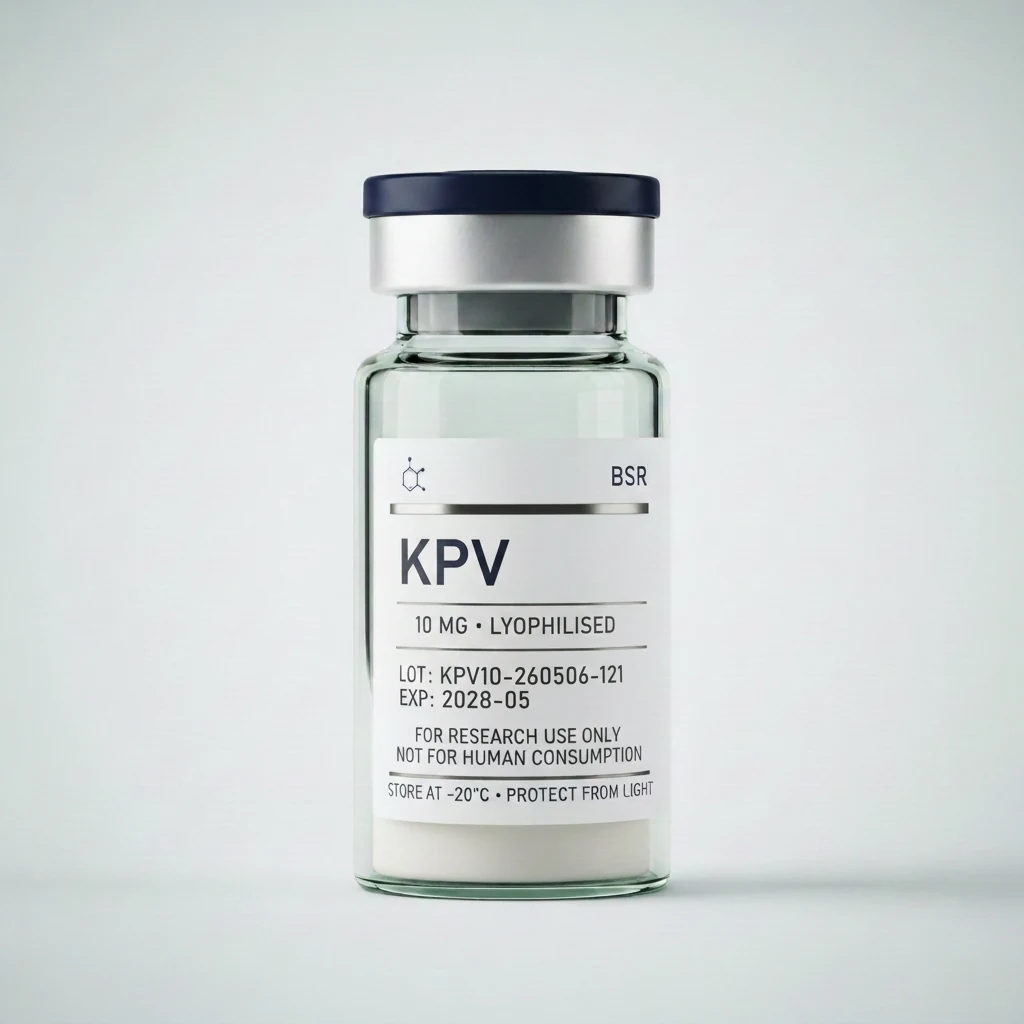
Research-grade material, HPLC verified, certificate of analysis with every order.
The week's Intelligence in one email, every Friday morning.
Regulatory moves, trial readouts, supply-chain news. No product pitches. Unsubscribe in one click.
More in Research Pipeline
Thymosin Alpha-1: What 35 Countries of Clinical Use and a Lopsided PCAC Vote Mean for Research Access in 2026
07 Oct 2026
Viking Therapeutics Initiates Oral Maintenance Dosing Study for VK2735: What the GLP-1/GIP Dual Agonist's Two-Part Programme Tells Researchers About the Weight-Regain Problem
06 Oct 2026
GHK-Cu: What a Fresh Diabetic Wound Study and a Recruiting Phase 2 Trial Mean for the Copper Peptide's Research Standing
03 Oct 2026