Research Pipeline · 17 Aug 2026
KPV: The Anti-Inflammatory Tripeptide With a PCAC Vote, a Compelling Preclinical Mechanism, and No Confirmed Human Trials
KPV — the three-amino-acid C-terminal fragment of alpha-melanocyte-stimulating hormone — received a narrow 8-6 PCAC recommendation for inclusion on the FDA's 503A Bulk Drug Substances List in July 2026. Its NF-κB inhibitory mechanism is well-characterised in cell and animal models, but no controlled human trials have confirmed clinical benefit, leaving procurement teams in a familiar position: strong mechanistic rationale, thin translational evidence, and an unresolved regulatory pathway.
12 sources cited
Key takeaways
- KPV is a tripeptide (Lys-Pro-Val) derived from the C-terminus of alpha-melanocyte-stimulating hormone (α-MSH), with a well-characterised NF-κB inhibitory mechanism across multiple preclinical models.
- On 23 July 2026, the FDA's Pharmacy Compounding Advisory Committee (PCAC) voted 8-6 — with one abstention — to recommend KPV for inclusion on the Section 503A Bulk Drug Substances List, against the position of FDA's own scientific staff.
- The PCAC vote is advisory and non-binding. Formal rulemaking — proposed rule, public comment, and final rule — must follow before any 503A compounding pathway is legally established, a process that could take twelve months or longer.
- No controlled human clinical trials have validated KPV's therapeutic effects; the evidence base consists of in vitro experiments and animal models of inflammatory bowel disease, wound healing, and dermatological inflammation.
- UK-based research procurement teams should note that KPV carries no MHRA approval and no CE-marked clinical-use designation; it remains a research-use-only substance in Great Britain.
Structure and origin
KPV is a tripeptide composed of lysine (K), proline (P), and valine (V) — hence the abbreviated designation. It corresponds to the C-terminal fragment of alpha-melanocyte-stimulating hormone (α-MSH), a 13-amino-acid peptide involved in melanocortin signalling. The C-terminal region of α-MSH is notably active in pathogen neutralisation, and this property carries over to the KPV fragment.
The tripeptide's small size confers practical advantages that larger peptides lack. Because it is structurally compact and relatively stable, KPV is considered a candidate for topical, oral, and injectable formulation research. Oral delivery is of particular interest: KPV is transported into intestinal epithelial cells via the PepT1 transporter, which is upregulated during inflammatory bowel disease — a pharmacokinetic feature that makes oral dosing biologically plausible in gut-inflammation contexts, in contrast to many larger peptides that are degraded before absorption.
Mechanism of action
KPV's primary mechanism is inhibition of nuclear factor kappa-B (NF-κB), the master transcription factor governing inflammatory gene expression. Its primary mechanism is NF-κB inhibition — suppressing the transcription factor that drives inflammatory gene expression — achieved via competitive blocking of the importin-alpha3/p65 interaction following nuclear import of the peptide.
Researchers describe a dual model: KPV can be delivered into the cytoplasm through the PepT1 transporter and may additionally modulate melanocortin receptor signalling, with both routes converging on reduced inflammatory gene expression.
Beyond NF-κB, studies report that KPV can reduce recruitment of neutrophils and other immune cells to inflamed tissue and may help preserve epithelial barrier function. Additionally, alpha-MSH peptides including KPV have demonstrated antimicrobial effects against Staphylococcus aureus (including methicillin-resistant strains) and Candida albicans at physiological picomolar concentrations in laboratory settings.
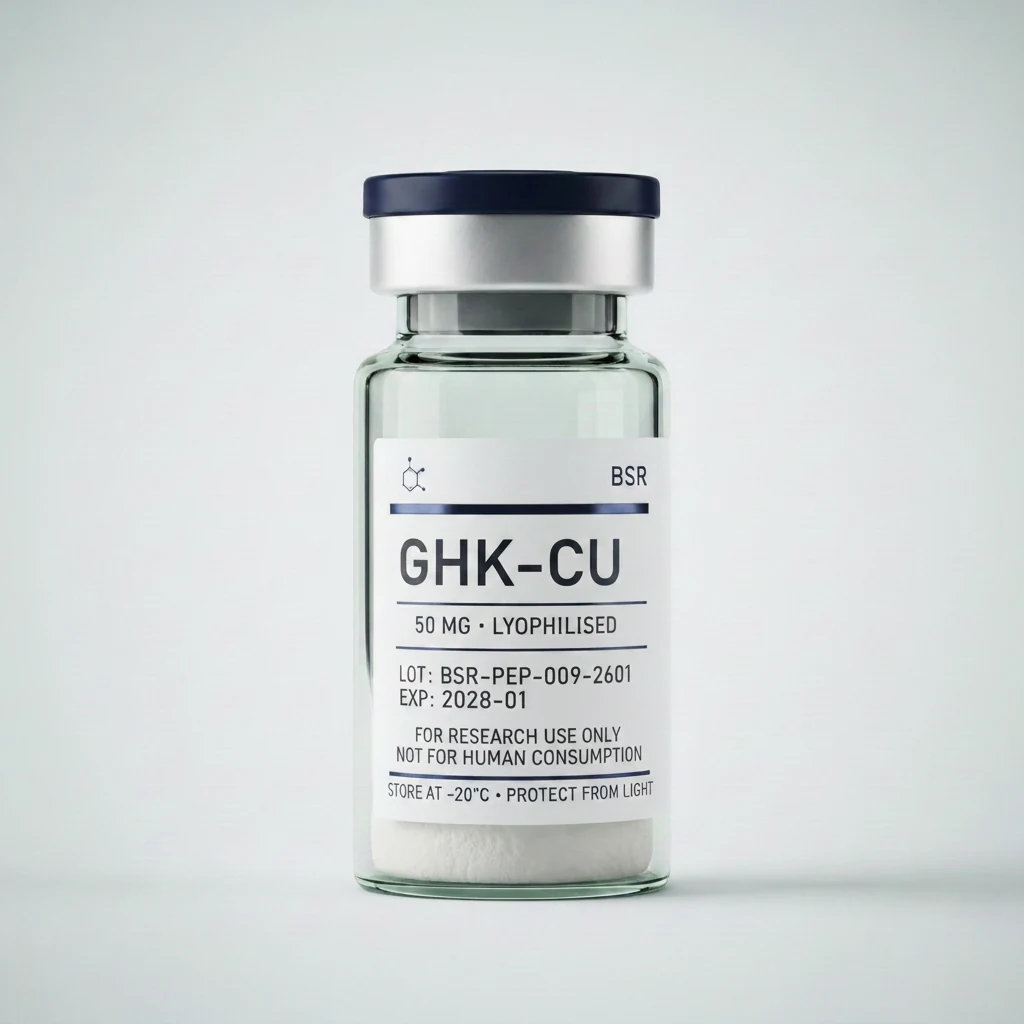
A mechanistically important distinction from comparable research compounds: KPV suppresses NF-κB as a central transcription factor in inflammatory gene regulation, a mechanism distinct from and complementary to BPC-157 (nitric oxide pathway), GHK-Cu (TGF-β and cytokine modulation), and NSAIDs (COX enzyme inhibition). Unlike corticosteroids, the mechanism does not appear to engage broad immunosuppressive pathways in cell models. The mechanism is well-characterised in cell and animal models, and the absence of melanocortin-receptor-mediated side effects has been confirmed in preclinical work.
Preclinical evidence base
The bulk of KPV research resides in three domains: gut inflammation, dermatology, and wound healing.
Gastrointestinal research. The strongest body of preclinical evidence for KPV lies in the gut, particularly in models of inflammatory bowel disease such as ulcerative colitis and Crohn's-like inflammation. Preclinical research in animal models of colitis suggests KPV reduces intestinal inflammation by inhibiting NF-κB signalling and pro-inflammatory cytokine production. The oral bioavailability mechanism via PepT1 is considered relevant here because the transporter is upregulated at sites of active intestinal inflammation, potentially concentrating the peptide at the target tissue.
Dermatological and wound-healing research. Multiple studies have shown that KPV suppresses contact hypersensitivity in mouse models and induces hapten-specific tolerance; in keratinocyte cell cultures, KPV reduces inflammatory cytokine production and mitigates fine dust-induced cellular damage via MAPK/NF-κB pathway modulation. For wound healing, studies suggest KPV may help modulate the inflammatory phase of repair, potentially supporting a more orderly transition toward tissue regeneration.
Critical appraisal. No human clinical trials have confirmed these effects. The evidence is largely from cell and animal research; human clinical data is limited. The FDA review ahead of the July 2026 PCAC meeting reached the same conclusion: FDA found the characterisation, effectiveness, and safety evidence insufficient to support 503A listing. Specifically, FDA deemed both KPV forms not well-characterised, citing inconsistent naming conventions and missing substance-specific quality data, and noted that there is no human safety data by any route and that injectable peptides can pose immunogenicity risk from aggregation and impurities that has not been characterised for KPV.
The July 2026 PCAC vote and what it means
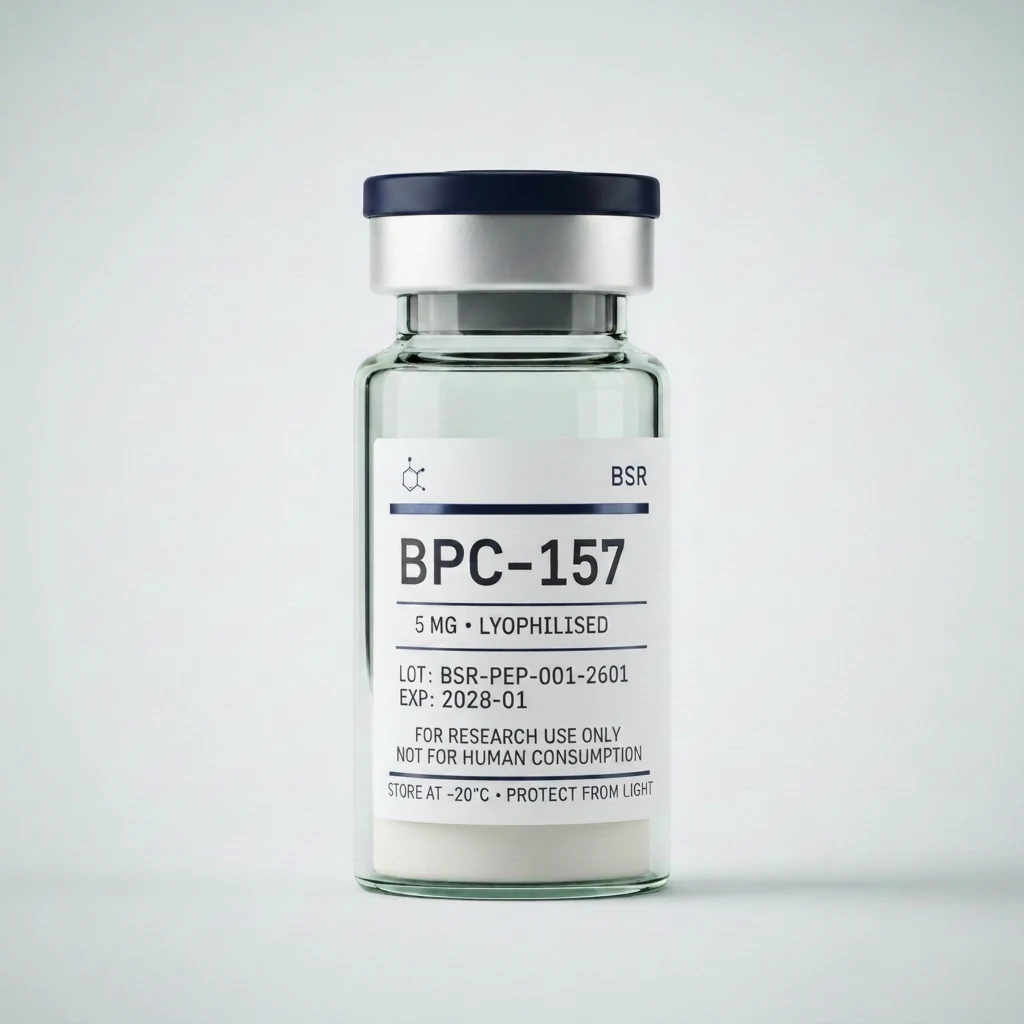
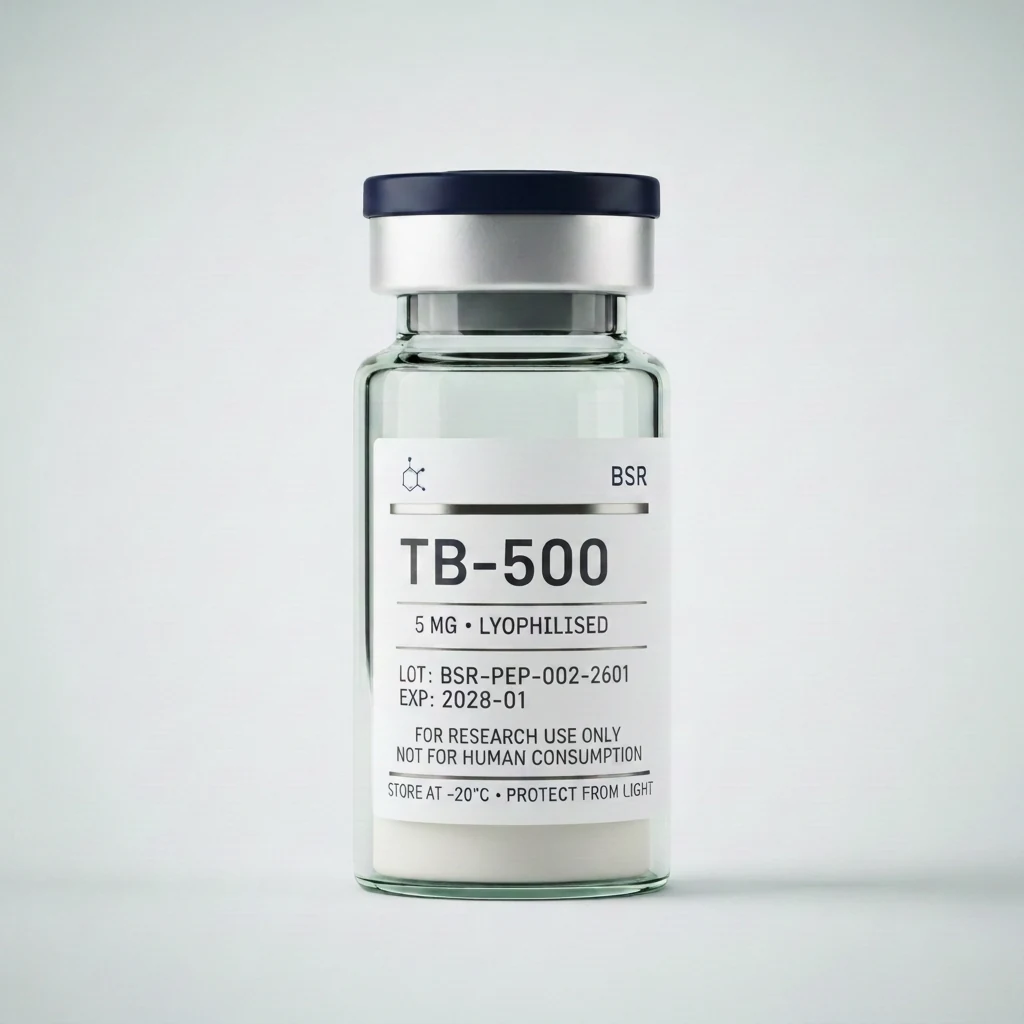
At the July 23, 2026 PCAC meeting, KPV-related bulk drug substances — in both free base and acetate salt forms — were among the compounds being considered for inclusion on the 503A Bulks List, reviewed alongside BPC-157, TB-500, and MOTS-c.
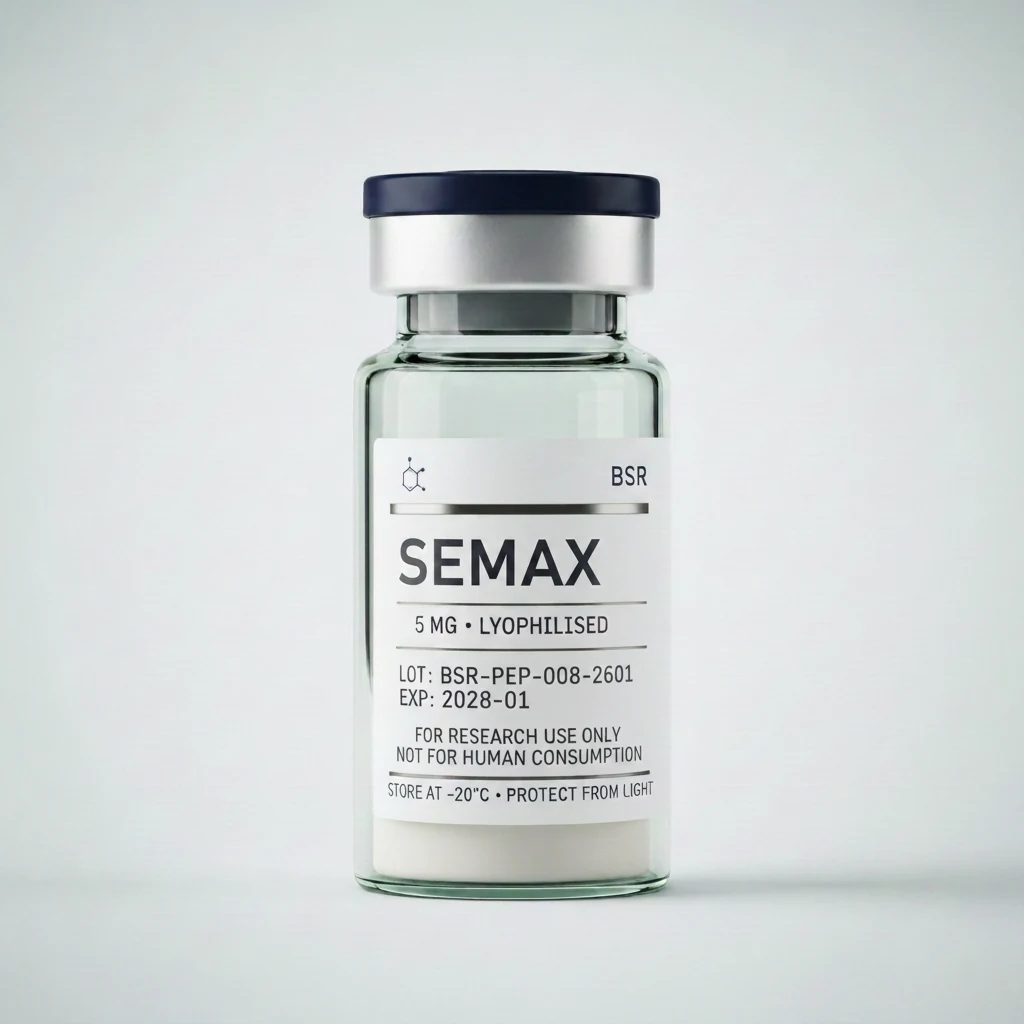
KPV passed with a vote of 8-6 with one abstention on Day 1. Overall, the six recommended peptides include BPC-157, KPV, TB-500, MOTS-c, Epitalon, and Semax; the PCAC's vote is only advisory, not binding, and the FDA must still weigh the recommendation, issue a proposed rule, run a notice-and-comment period, and publish a final rule.
The legal path from here is protracted. The PCAC vote is one step in a three-part process; formal FDA rulemaking — the third step — has no announced timeline, and the FDA is not legally required to follow the committee's recommendation; any formal addition of these peptides to the 503A list requires the agency to publish a proposed rule, open public comment, review that comment, and publish a final rule.
Realistic timelines for a legal 503A compounding pathway run eight to twelve months at minimum, into 2027; until then, anything sold as KPV remains an unapproved research chemical with no FDA oversight of purity or dosing.
It is also worth noting that a PCAC recommendation for the 503A Bulks List must not be conflated with drug approval. Nothing about the FDA-approval status of these peptides changed: none was FDA-approved before, and none is now. If adopted, the recommendation would permit compounding pharmacies to use KPV in compounded preparations, providing a pathway under FDCA §503A for access to individual patients who receive a valid prescription — which is categorically different from marketing authorisation.
UK regulatory position
KPV holds no approval from the Medicines and Healthcare products Regulatory Agency (MHRA) and is not listed as an authorised medicinal product in Great Britain or Northern Ireland. The PCAC process is a US-specific compounding framework that has no direct UK equivalent; MHRA operates a separate licensing regime under the Human Medicines Regulations 2012, and unlicensed preparations require a specific clinical justification under the "specials" framework.
For UK research laboratories procuring KPV, the substance is lawful to import and possess for genuine research purposes, but it may not be administered to humans or represented as a medicinal product without appropriate authorisation. Procurement teams should conduct supplier due diligence — including review of Certificates of Analysis and third-party purity testing data — and should not treat the US regulatory trajectory as a proxy for UK market access.
Outlook for research procurement
KPV occupies a credible but early position in the peptide research hierarchy. Its mechanism is specific and well-documented at the preclinical level; its PepT1-mediated oral bioavailability is a rare advantage among injectable research peptides; and the PCAC vote signals that a regulated US compounding channel may eventually materialise. However, the gap is familiar: no controlled human trial validates these benefits in actual patients.
Research teams assessing KPV for in vitro or animal-model inflammation research should note the mechanistic differentiation from other NF-κB-targeting tools and the established literature in colitis models. Teams sourcing the compound should verify purity specifications rigorously — the FDA's own briefing document flagged characterisation inconsistencies that are likely to be reflected in the wider research-chemical supply chain.
A second PCAC meeting covering five additional peptides is expected before the end of February 2027, according to the FDA's April 2026 announcement. KPV's formal listing, if it proceeds, will depend on the pace of FDA rulemaking following the July 2026 recommendations.
Research-grade material, HPLC verified, certificate of analysis with every order.
The week's Intelligence in one email, every Friday morning.
Regulatory moves, trial readouts, supply-chain news. No product pitches. Unsubscribe in one click.
More in Research Pipeline
Thymosin Alpha-1: What 35 Countries of Clinical Use and a Lopsided PCAC Vote Mean for Research Access in 2026
07 Oct 2026
Viking Therapeutics Initiates Oral Maintenance Dosing Study for VK2735: What the GLP-1/GIP Dual Agonist's Two-Part Programme Tells Researchers About the Weight-Regain Problem
06 Oct 2026
GHK-Cu: What a Fresh Diabetic Wound Study and a Recruiting Phase 2 Trial Mean for the Copper Peptide's Research Standing
03 Oct 2026