Regulatory & Policy · 06 Aug 2026
PCAC July 2026: Six Peptides Cleared, FDA Staff Overruled — What the Vote Results Mean for Research Procurement
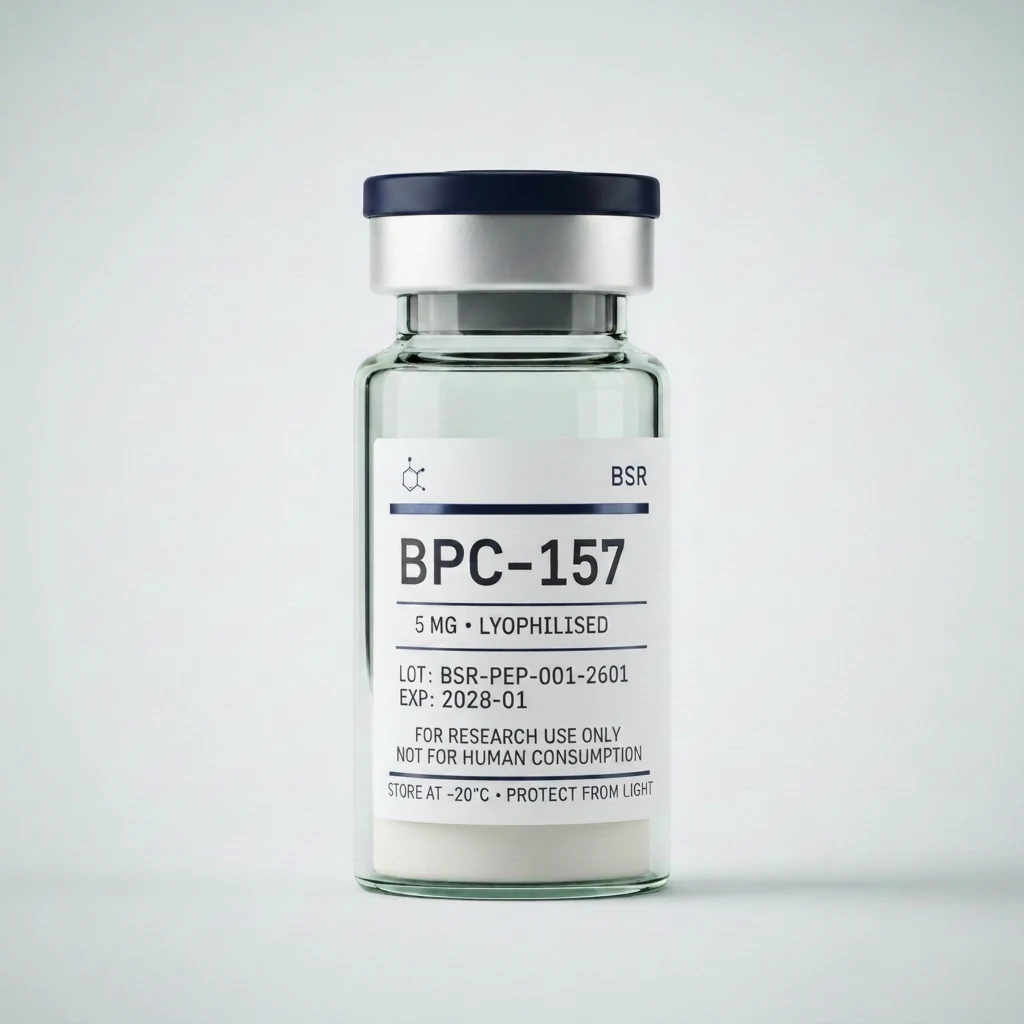
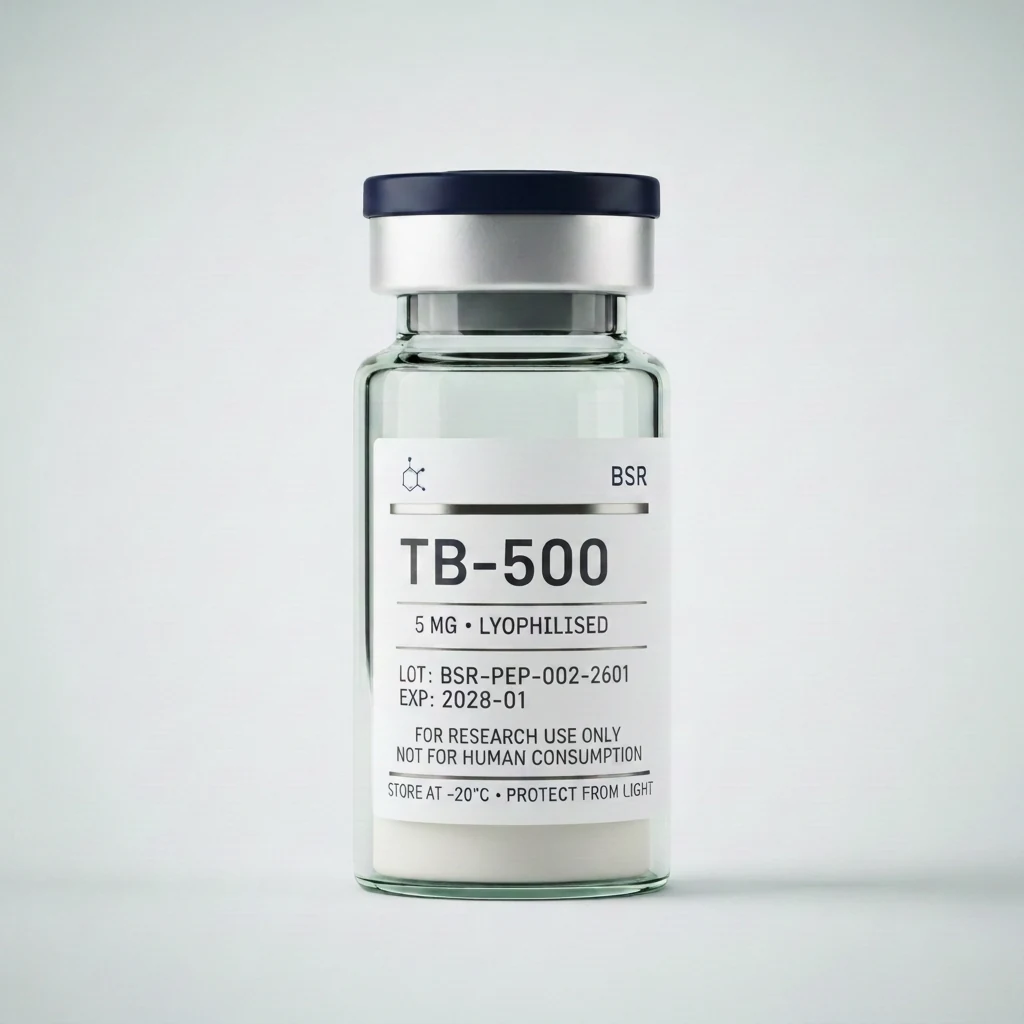
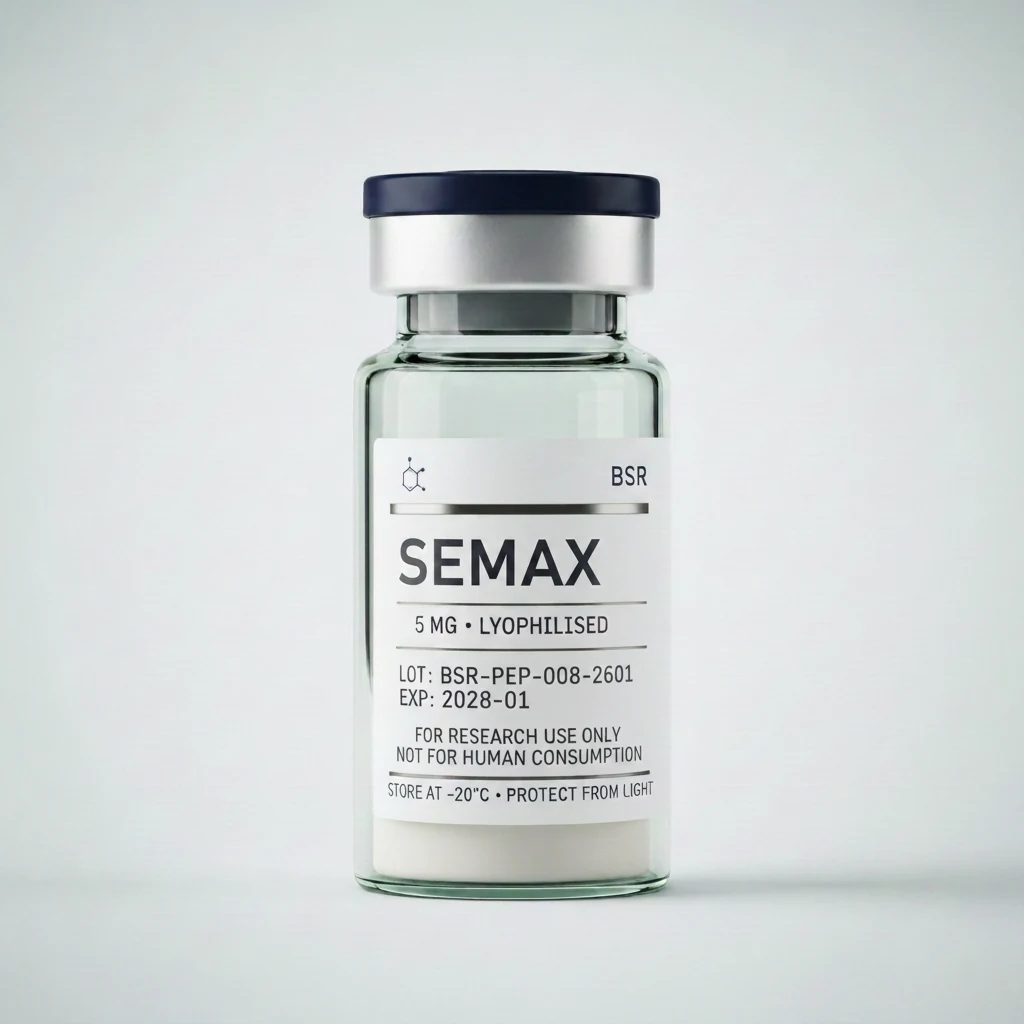
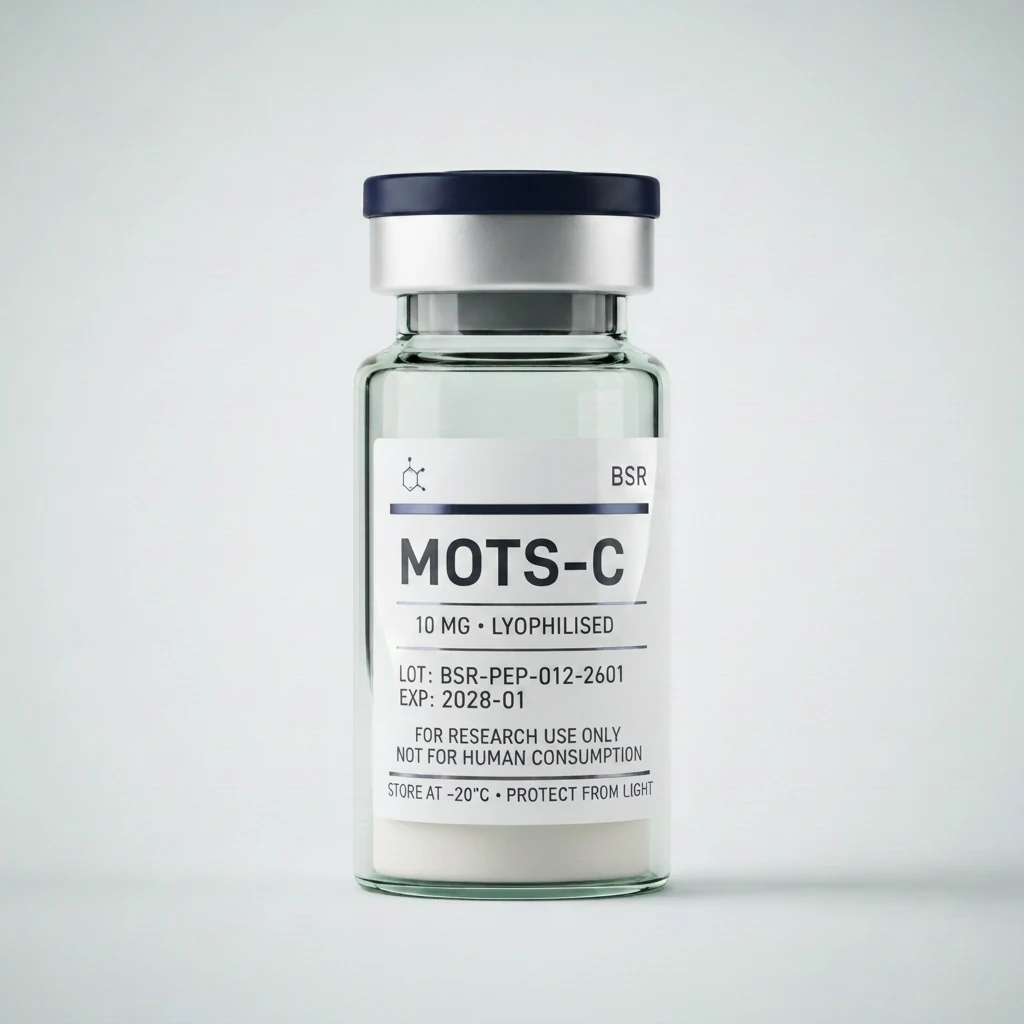
The FDA's Pharmacy Compounding Advisory Committee voted on 23–24 July 2026 to recommend six of seven peptides — BPC-157, KPV, TB-500, MOTS-c, Semax, and Epitalon — for the Section 503A Bulks List, overriding its own career scientists on every favourable decision. Emideltide was the sole rejection. Formal rulemaking now begins, and none of the six can be legally compounded until that process concludes — a timeline that may extend to 2027 or 2028.
14 sources cited
Key takeaways
- The FDA Pharmacy Compounding Advisory Committee (PCAC) voted on 23–24 July 2026 to recommend six of seven peptides for the Section 503A Bulks List: BPC-157, KPV, TB-500, MOTS-c, Semax, and Epitalon.
- Emideltide (delta sleep-inducing peptide, DSIP) was the sole rejection, failing 6–7 with one abstention.
- FDA career scientists recommended against listing all seven compounds; the committee sided with staff on only one.
- The votes are non-binding. Formal notice-and-comment rulemaking must still run to completion — a process that typically takes 12 months or more and could extend into 2027 or 2028.
- None of the six peptides may be legally compounded under Section 503A until a final rule is published. Research-use procurement is unaffected by the PCAC process.
The vote in detail
On 23–24 July 2026, the FDA's Pharmacy Compounding Advisory Committee held what legal analysts described as one of the most closely watched PCAC meetings in recent years. After two days of presentations, scientific debate, and public testimony, the committee voted to recommend that six of the seven nominated peptides be added to the Section 503A Bulks List: BPC-157, KPV, TB-500, MOTS-c, Epitalon, and Semax — while recommending against Emideltide.
The vote margins were consistently narrow throughout. On Day 1 (23 July), BPC-157, KPV, and TB-500 each passed 8–6 with one abstention, and MOTS-c passed 7–5 with two abstentions. On Day 2 (24 July), Semax passed 8–5 with one abstention and Epitalon 7–5 with one abstention, while Emideltide was voted down 6–7 with one abstention — the panel's only rejection.
Observers in the room described an audible reaction when the first tally was announced, noting that a PCAC panel had rarely, if ever, voted against FDA staff's written recommendation.
FDA staff versus committee: a direct conflict
The peptides were reviewed in both free base and acetate salt forms. Despite FDA's scientific review team's opposition to including all seven substances, PCAC voted to recommend that six be included on the 503A Bulks List.
FDA's briefing documents proposed the same conclusion for each of the seven peptides: do not add them to the 503A Bulks List. Agency career scientists applied the four-factor framework under 21 CFR 216.23(c) — physical and chemical characterisation, historical use in compounding, evidence of effectiveness, and safety — and concluded that none satisfies the applicable criteria for inclusion.
Recurring concerns cited by FDA scientists included inadequate characterisation of the substances; insufficient or absent human clinical trial evidence — including no human data for KPV, TB-500, and MOTS-c; small, poorly controlled studies for BPC-157, Emideltide, and Semax; and safety flags including immunogenicity risks, FAERS adverse event reports for BPC-157, and World Anti-Doping Agency (WADA)-prohibited status for MOTS-c and TB-500.
FDA scientists' briefing materials specifically noted that available studies — including five trials of BPC-157 — were short in duration, small in sample size, and insufficient to establish safety or effectiveness for the indications under review, which spanned ulcerative colitis, wound healing, obesity, osteoporosis, and opioid withdrawal.
PCAC members who voted in favour placed significant weight on patient-safety concerns about unregulated access — an argument that positions regulated compounding as preferable to the existing grey market rather than as an endorsement of clinical proof of concept.
Panel composition draws scrutiny
The reconstituted PCAC roster released ahead of the meeting drew scrutiny for including more health professionals who prescribe, produce, or promote peptides than prior iterations of the panel, a shift from committees historically composed mainly of academics and researchers.
Under the current administration, the FDA has rarely convened the panels of outside advisers frequently used in the past. The July meeting was therefore notable both for being convened at all and for producing outcomes that diverged sharply from agency staff recommendations across nearly the entire docket.
The political context
The meeting followed April 2026 action by HHS Secretary Robert F. Kennedy Jr. to remove 12 peptides from Category 2 of the 503A Bulks List, clearing the path for PCAC consideration and signalling a policy shift toward broader peptide access.
The outcome represents a win for Health Secretary Kennedy, who has publicly supported peptide therapies, and the broader wellness and longevity industry, which stands to profit substantially.
Consumers are still accessing these peptides even though compounding pharmacies are not legally permitted to compound and sell them, as none is currently on the 503A Bulks List or contained in an approved drug. The patient-safety argument — that regulated compounding is preferable to unsupervised purchasing from unvetted sources — was central to the committee majority's reasoning, even where the evidence base for therapeutic use remained thin.
Why emideltide was rejected
The advisers voted 7–6 against including the sleep-inducing peptide emideltide, with one abstention. Unlike the six recommended compounds, emideltide (DSIP) did not have a comparable patient advocacy presence in the docket, and the committee appeared less persuaded that the public-health case for regulated access outweighed the evidentiary gaps. The rejection does not permanently foreclose the nomination; negative votes generally end the current nomination, though substances can be re-nominated in future cycles.
What happens next: the rulemaking road
The PCAC votes are advisory only and do not alter the current legal status of any of the six recommended compounds. The FDA must still decide whether to accept the committee's nonbinding recommendations and, if so, proceed through notice-and-comment rulemaking — a proposed rule, a public comment period, and a final rule — before compounding pharmacies could legally prepare the substances for patients.
If the FDA initiates formal rulemaking, it publishes a Notice of Proposed Rulemaking in the Federal Register, opens a public comment period, reviews those comments, and publishes a Final Rule adding the substances to the 503A Bulks List. This process typically takes 12 months or more after the committee recommendation.
If the FDA moves to reclassify the peptides so that compounding pharmacies can legally produce them, the process could stretch into 2027 or 2028. There is a possibility that Kennedy could invoke special authority to make them available sooner.
The 503A review process is entirely separate from 503B outsourcing facility regulations; the July meeting did not address outsourcing facilities, which operate under different legal frameworks. Research-procurement professionals sourcing peptides for in vitro or preclinical laboratory use under "research use only" designation operate outside the 503A and 503B frameworks entirely, and the PCAC outcome does not alter that status.
Implications for the February 2027 slate
A second panel is scheduled to take up five more peptides by February 2027. The July vote outcomes are likely to influence the tenor of that meeting. The committee's willingness to side with access arguments over evidence-sufficiency arguments — and to do so by narrow but consistent majorities — sets a precedent that nominators for the February slate will cite. At the same time, FDA staff will presumably defend the same four-factor framework, and the February peptides are considered by analysts to present harder evidentiary cases.
What procurement professionals should monitor
Research-procurement teams sourcing any of the six recommended peptides for legitimate laboratory use should note the following:
- No immediate legal change. The votes are advisory, not binding, and none of the six is legal to compound today; the FDA still has to run months of rulemaking first.
- Supply chain signal. A formal rulemaking process, once initiated, will draw increased scrutiny to the quality of bulk drug substance used by 503A pharmacies. Certificate of Analysis standards and raw-material provenance are likely to receive greater regulatory attention as the process advances.
- WADA status unchanged. FDA rulemaking has no bearing on WADA classification. MOTS-c was added to the WADA Prohibited List in 2024 as an AMPK activator due to its exercise-mimetic properties, and TB-500 remains prohibited; those designations are unaffected by any FDA 503A action.
- 503B pathway separate. The 503A Bulks List ruling applies only to Section 503A compounding pharmacies dispensing to individual patients. Outsourcing facilities operating under Section 503B are governed by a distinct regulatory framework and were not addressed in the July meeting.
This article draws on public filings, meeting records, and post-meeting legal analysis from multiple sources. It is intended for research-procurement and regulatory-affairs professionals and does not constitute legal or clinical advice.
Research-grade material, HPLC verified, certificate of analysis with every order.
The week's Intelligence in one email, every Friday morning.
Regulatory moves, trial readouts, supply-chain news. No product pitches. Unsubscribe in one click.
More in Regulatory & Policy
One Amino Acid, Three High Stakes: What the Seventh Circuit's Pending Retatrutide Ruling Means for Exclusivity, Medicare Pricing, and Compounding Access
12 Oct 2026
FDA Career Scientists Formally Oppose Administration's Interim Peptide Dispensing Plan — and What the Internal Split Means for Research Procurement
11 Oct 2026
HHS Stopgap Plan for Restricted Peptides: What the Reported Enforcement-Discretion Proposal Means for Research Procurement
09 Oct 2026