Industry & Community · 23 Nov 2026
Samsung Biologics' $1.8 Billion PolyPeptide Acquisition and the Race to Build Peptide API Capacity
Samsung Biologics has secured nearly 98% of Swiss peptide CDMO PolyPeptide Group through a tender offer valued at approximately CHF 1.46 billion, the largest pharmaceutical M&A deal in South Korean industry history. The transaction, awaiting multi-jurisdictional regulatory clearance, positions the world's largest biologics manufacturer by capacity inside the GLP-1 and broader peptide API supply chain — arriving as demand signals from US telehealth launches and persistent downstream supply…
12 sources cited
Key takeaways
- Samsung Biologics has secured approximately 98% of PolyPeptide Group's shares through a public tender offer valued at roughly CHF 1.46 billion (approximately $1.8 billion); settlement is pending multi-jurisdictional regulatory clearance expected by end-2026 or Q1 2027.
- The deal is described as the largest M&A transaction in South Korean pharmaceutical and biotechnology history, and the first significant CDMO acquisition to bring peptide API manufacturing under a biologics-focused contract manufacturer at this scale.
- Shilpa CDMO (India) simultaneously announced a $50 million phased investment in peptide manufacturing capacity; Lonza completed the acquisition of CDMO assets from GSK for $427 million — signalling broad sector-wide capacity investment.
- US telehealth platforms Hims & Hers and Noom launched separate compounded peptide programmes in mid-November 2026, adding further near-term demand pressure to an already stretched peptide API supply chain.
- Kentucky's Board of Pharmacy declined to extend the HHS enforcement discretion policy, illustrating that the downstream commercial environment for compounded peptides remains legally fragmented.
The transaction in detail
In July 2026, Samsung Biologics announced it would acquire Swiss peptide contract development and manufacturing organisation PolyPeptide Group for approximately 1.46 billion Swiss francs, in what was described as the largest merger and acquisition in the history of South Korea's pharmaceutical and biotechnology industry.
The offer was structured through a Swiss special-purpose vehicle. Samsung Biologics announced on 2 November 2026 that 97.66% of PolyPeptide Group's issued share capital and voting rights had been validly tendered into its public tender offer by the end of the additional acceptance period on 30 October 2026. The offer was made through Swiss subsidiary Samsung Peptide AG.
Settlement, originally expected on 13 November 2026, was postponed pending regulatory approval procedures in several countries; the transaction is currently expected to be completed towards the end of 2026 or in Q1 2027. Samsung Biologics is pursuing regulatory approvals from authorities in Europe, India, Australia, and Brazil, and plans to complete the transaction by paying the consideration within ten business days after approval.
The company raised approximately 2.7 trillion won ($1.8 billion) through a rights offering to fund the acquisition of PolyPeptide Group. Samsung Biologics plans to proceed with the compulsory acquisition of remaining minority shareholder stakes to ultimately secure 100% ownership.
What Samsung acquires
PolyPeptide is a specialist peptide API CDMO with manufacturing sites spanning the United States, Europe, and India. The combination would add peptide manufacturing to Samsung's existing biologics network; the company previously stated the acquisition would support its strategy to offer a broader range of manufacturing modalities, including peptide therapeutics such as GLP-1-based products.
With this acquisition, Samsung Biologics will expand its CDMO business beyond its existing antibody drugs, messenger RNA and antibody-drug conjugates to include peptides, diversifying its portfolio and strengthening its medium- to long-term growth drivers by securing peptide development and manufacturing capabilities.
The PolyPeptide deal gives Samsung peptide sites in the US, Europe, and India, placing Korea's largest CDMO into the GLP-1 supply chain. That supply-chain positioning matters: semaglutide and tirzepatide — both peptide-based GLP-1 receptor agonists — remain among the highest-volume pharmaceutical products by value, and manufacturing capacity for their active ingredients has been a persistent constraint on market supply.
The transaction marks Samsung Biologics' largest-ever outbound M&A and a milestone for the CDMO sector. Samsung Biologics' acquisition of PolyPeptide followed an auction process involving global private equity firms, reportedly including EQT and IDG.
Sector-wide capacity buildout
The Samsung-PolyPeptide deal is not an isolated event. It sits inside a broader pattern of capacity investment that is reshaping the peptide API manufacturing landscape.
Swiss rival Lonza announced on 3 November the acquisition of CDMO assets from GSK for $427 million, underscoring intensifying capacity expansion and M&A activity in the sector.
Separately, India's Shilpa CDMO announced on 3 November 2026 that it will invest $50 million, in phases over the next few years, in peptide manufacturing at its Raichur campus in Karnataka. The Shilpa investment is notably smaller in scale but signals that mid-tier Indian manufacturers are also moving to capture a share of peptide API demand — relevant to procurement teams that evaluate supply-chain diversification away from Chinese API sources.
For research procurement professionals, the significance of these moves lies in their effect on lot availability, lead times, and pricing stability. When a single CDMO changes ownership, existing supply agreements may be renegotiated, batch scheduling can be disrupted during integration, and quality systems may require re-qualification against new parent-company standards. Research-use suppliers who source API from PolyPeptide's network — covering compounds including semaglutide precursors and a range of research peptides — should monitor whether Samsung Biologics intends to pursue capacity expansion or rationalisation at PolyPeptide's existing sites.
Downstream demand signals
The Samsung-PolyPeptide transaction is proceeding against a demand backdrop that has shifted materially in recent weeks. Hims & Hers launched Peptides+ on Wednesday, 18 November — a programme offering five compounded treatments including sermorelin, glutathione, NAD+, vitamin B12, and L-carnitine. A day earlier, Noom launched OpenRx, a separate brand for peptides and preventive health.
OpenRx offers clinician-prescribed, compliant peptide therapies for a range of health goals including muscle health, energy, recovery, skin care, gut health, sexual health, and sleep, backed by licensed clinicians and an accredited 503A pharmacy network.
The launches move unapproved wellness products from wellness clinics and online "research" sellers into two of the country's best-known telehealth applications. Both launches explicitly reference the HHS enforcement discretion policy announced in October 2026 as the enabling regulatory environment.
Many compounded peptides marketed to consumers are experimental: they have not been approved by the FDA, nor are there randomised controlled trials establishing their safety and efficacy in humans. That evidence gap — which the AMA cited in its 9 November vote urging HHS to rescind its enforcement discretion policy — does not diminish the commercial reality that volumes of prescribed peptides are rising, placing incremental demand on the same API supply chains that research-use suppliers draw upon.
The state-level complication
The commercial outlook for compounded peptides is further complicated by state-level divergence. On 19 November 2026, the Kentucky Board of Pharmacy issued a compliance alert confirming that it will not extend similar enforcement discretion under Kentucky law, citing state regulations and safety concerns; pharmacies must halt distribution.
Under Kentucky regulation, preparations compounded for human use must comply with an applicable USP or National Formulary monograph, be compounded from a component of an FDA-approved human drug, or be compounded from a component appearing on FDA's list of bulk drug substances. None of the six peptides covered by the HHS policy meet those criteria under Kentucky's existing framework.
The Kentucky decision illustrates the legal fragmentation that procurement professionals must navigate: a supplier operating lawfully under federal enforcement discretion may nonetheless face state-level enforcement action depending on where it, or its patients, are based. For research-use purchasers — operating under "research use only" designations rather than compounding frameworks — this state-level dynamic is less directly applicable, but the overall legal uncertainty it reflects does affect supplier confidence and market stability.
Procurement implications
For UK research laboratories procuring peptide APIs or finished research-grade vials, the consolidation underway in the peptide CDMO market carries several near-term considerations:
Supply continuity. The Samsung Biologics / PolyPeptide integration is not expected to be completed before late 2026 at the earliest. During the integration period, procurement teams with existing relationships with PolyPeptide-network suppliers should seek written confirmation of batch scheduling continuity and any anticipated changes to minimum order quantities or lead times.
Purity documentation. Changes in CDMO ownership can affect Certificate of Analysis format, reference standards, and the laboratory responsible for release testing. Procurement protocols should require that any change in manufacturing site or analytical release laboratory triggers a new qualification review before the next procurement cycle.
Diversification. The parallel investments by Shilpa CDMO in India and Lonza's expansion of CDMO capacity suggest that alternative supply routes for many peptide APIs are expanding. Research teams procuring moderate volumes may benefit from maintaining relationships with two qualified sources.
GLP-1 API availability. Samsung's stated intention to use PolyPeptide's platform to service GLP-1 product demand may, over time, increase total peptide synthesis capacity globally — but the near-term effect is likely to be prioritisation of commercial-scale GLP-1 customers over research-grade or small-volume buyers.
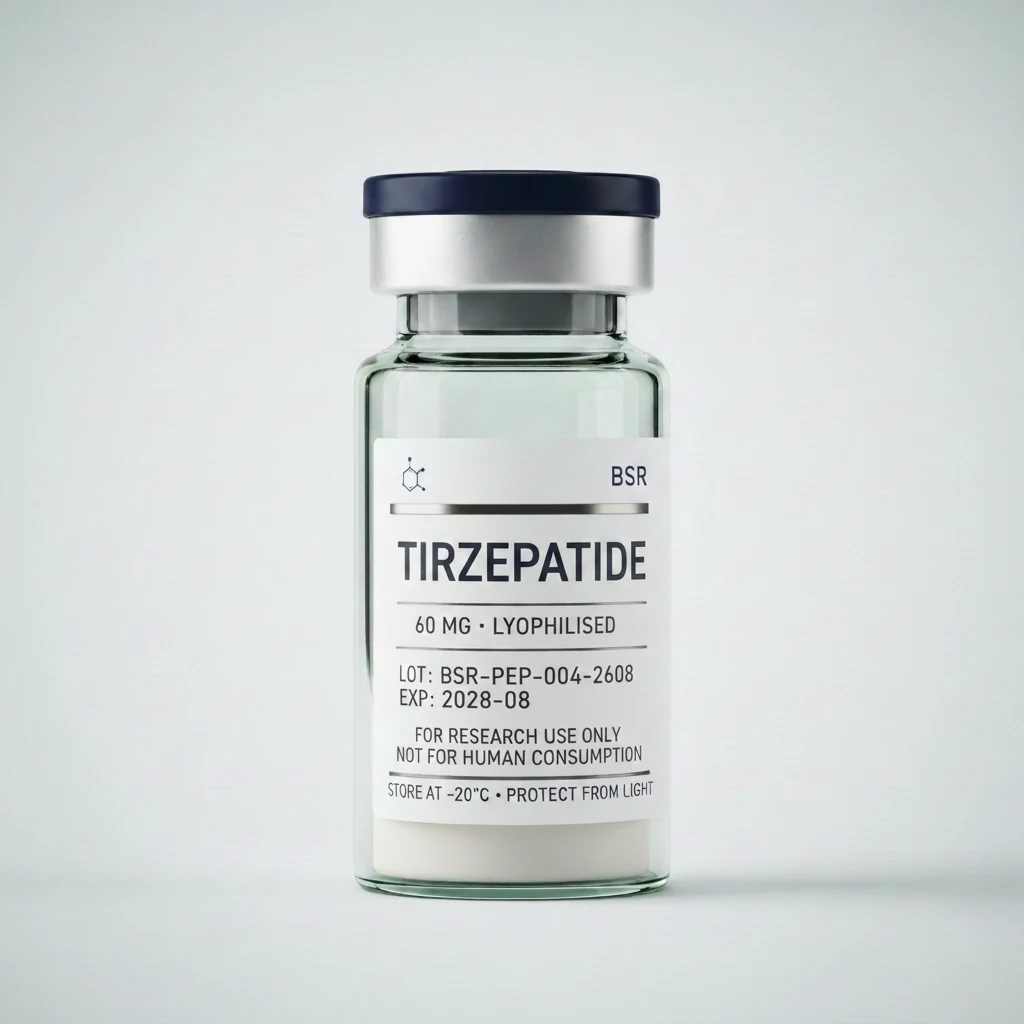
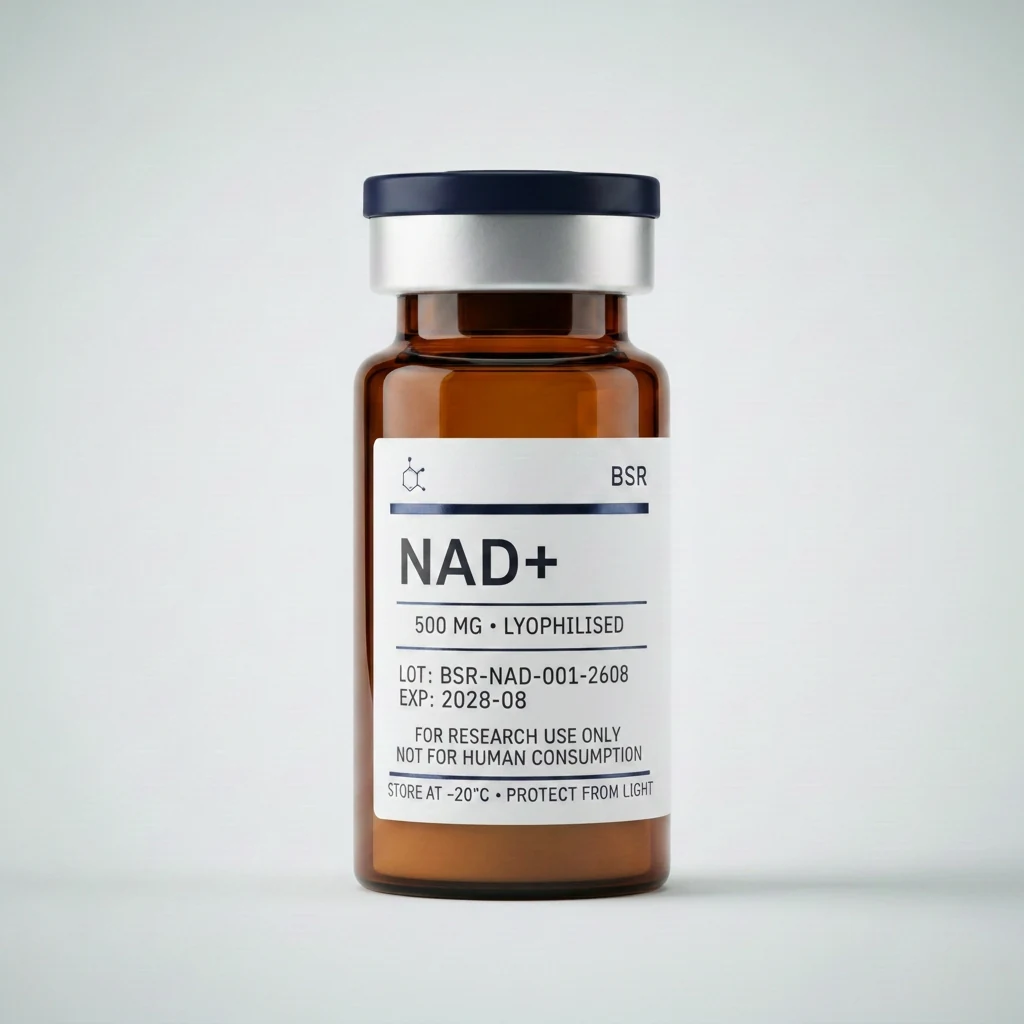
Research-grade material, HPLC verified, certificate of analysis with every order.
The week's Intelligence in one email, every Friday morning.
Regulatory moves, trial readouts, supply-chain news. No product pitches. Unsubscribe in one click.
More in Industry & Community
India Scales Up, Samsung Consolidates: The Peptide API Manufacturing Landscape Reshapes Ahead of 2027
29 Nov 2026
HHS Enforcement Discretion in Action: Hims & Hers Launches Peptides+, argenx Bets $1.15 Billion on Oral Macrocyclics
20 Nov 2026
Samsung Biologics Secures PolyPeptide Group in $1.8 Billion Deal: What the Largest Korean Pharma Acquisition Means for Global Peptide CDMO Supply
12 Nov 2026