Research Pipeline · 09 Sep 2026
Semax: The ACTH-Derived Heptapeptide With an 8-5 PCAC Vote, Russian Clinical Approval, and a Research-Use-Only Status in the UK
Semax, a synthetic heptapeptide derived from the ACTH(4–10) fragment, received a favourable 8-5 vote from the FDA's Pharmacy Compounding Advisory Committee on 24 July 2026 — overriding its own agency scientists — for proposed neurological indications. It remains unapproved in the US and UK, where it may be supplied only for research use, but a decades-long evidence base and Russian clinical approval make it one of the more scientifically documented compounds now in the 503A rulemaking queue.
12 sources cited
Key takeaways
- On 24 July 2026, the FDA's Pharmacy Compounding Advisory Committee (PCAC) voted 8-5 to recommend Semax for inclusion on the Section 503A Bulk Drug Substances List, specifically for selected neurological indications — overriding FDA staff's written recommendation against all seven peptides under review.
- Semax is a synthetic heptapeptide analogue of the ACTH(4–10) fragment, approved in Russia and Ukraine for stroke recovery, optic nerve disease, and cognitive impairment since the late 1990s. It has no approved indication in the United States or the United Kingdom.
- The PCAC vote is advisory only. Formal notice-and-comment rulemaking must be completed before Semax may legally be used in 503A-compounded preparations; analysts estimate that process will take six to twenty-four months from the date of the recommendation.
- In the UK, Semax is not a controlled substance under the Misuse of Drugs Act 1971 and may be supplied for in vitro and laboratory research purposes only. The MHRA does not recognise any clinical indication for it and opened an enforcement investigation in April 2026 into peptide clinics making health claims about unlicensed compounds.
What Semax is
Semax is a synthetic heptapeptide with the amino acid sequence Met-Glu-His-Phe-Pro-Gly-Pro (MEHFPGP). Astra Labs describes it as a synthetic analogue of the ACTH(4-10) fragment with a modified C-terminal Pro-Gly-Pro tail that significantly increases metabolic stability — meaning that while full-length adrenocorticotropic hormone breaks down rapidly in biological systems, Semax is engineered to resist enzymatic degradation.
The compound was developed at the Institute of Molecular Genetics of the Russian Academy of Sciences, with a formal research programme underway by the early 1990s. PeakedLabs notes that the researchers responsible identified the ACTH(4–10) sequence, added the C-terminal Pro-Gly-Pro extension to increase metabolic stability, and created a peptide that retained a cognitive activation profile while eliminating the adrenal-stimulating effects of full ACTH. The result is a structurally compact molecule that has accumulated over 100 peer-reviewed publications.
Mechanism of action
The primary pharmacological mechanism identified in preclinical literature is upregulation of brain-derived neurotrophic factor (BDNF) and nerve growth factor (NGF). Iron Peak Peptides summarises Semax's multi-mechanism pharmacology as engaging BDNF/TrkB neurotrophic signalling, dopaminergic and serotonergic modulation, and neuroimmune regulation — a combination that provides a basis for continued investigation into peptide-based approaches to neuroprotection.
PeakedLabs further attributes the primary cognitive effects to MC4R (melanocortin receptor subtype 4) agonism and downstream BDNF/TrkB pathway activation — the same signalling cascade implicated in synaptic plasticity and long-term potentiation.
SourcePeptides describes the preclinical research as spanning cerebral ischaemia models, cognitive behavioural paradigms, optic nerve biology, and neurotrophin gene expression studies, reflecting the compound's versatility as a research tool for investigating CNS biology.
One recurring limitation in the field is the absence of harmonised in vitro assay protocols. SourcePeptides notes that "different research groups have employed varying cell line selections, peptide concentrations, exposure durations, and endpoint measurement methodologies," introducing variability that can obscure mechanistic signals or generate apparently contradictory findings. That standardisation problem is compounded in intranasal formulation studies by differences in membrane models and vehicle compositions.
State of the clinical evidence
The evidence base for Semax is asymmetric: extensive preclinical literature from a single country, a modest but non-trivial human clinical dataset, and no completed randomised controlled trials outside Russia. Iron Peak Peptides confirms that Semax has been approved as a prescription nootropic in Russia since the late 1990s, primarily for neuroprotective and cognitive-enhancing applications, and is used clinically for ischaemic stroke and the management of cerebrovascular conditions and cognitive impairment.
PeakedLabs characterises the human trial data as strongest for neurological recovery and cognitive impairment contexts, while cognitive enhancement in healthy subjects is primarily supported by animal data and self-report evidence.
The indications reviewed by the PCAC on 24 July 2026 focused specifically on neurological uses, which corresponds to the area with the deepest existing clinical data. Procurement professionals should note that Russian regulatory approval, while substantive, does not constitute evidence that any Western regulator has evaluated Semax against its own standards of safety and efficacy.
The July 2026 PCAC vote and what follows
On 23–24 July 2026, the FDA's PCAC met at the White Oak campus in Silver Spring, Maryland, to review seven peptide nominees for the 503A Bulks List. Peptide Dossier provides a detailed account: on Day 2 (24 July), Semax passed by a vote of 8-5 with one abstention, while Epitalon passed 7-5 and Emideltide (DSIP) was rejected 6-7 — the only compound the committee voted down across the two-day meeting.
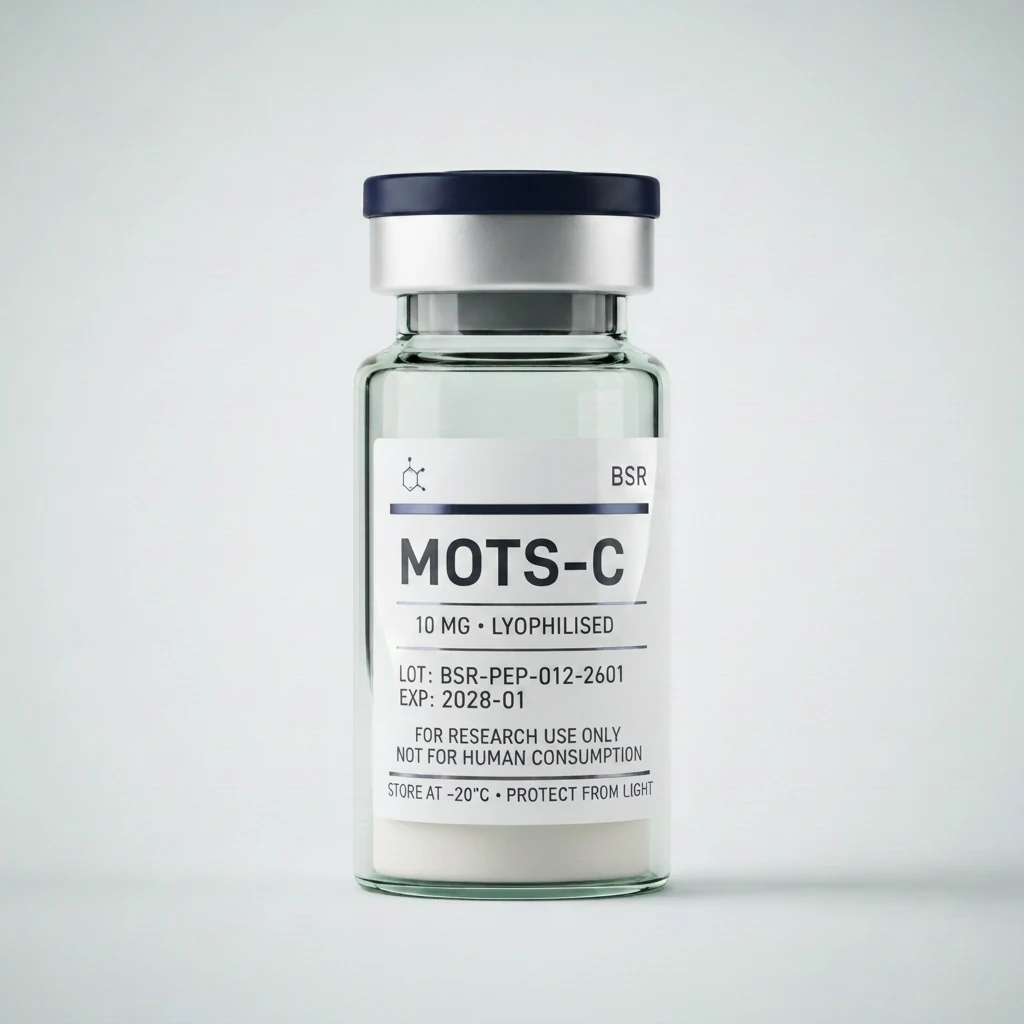
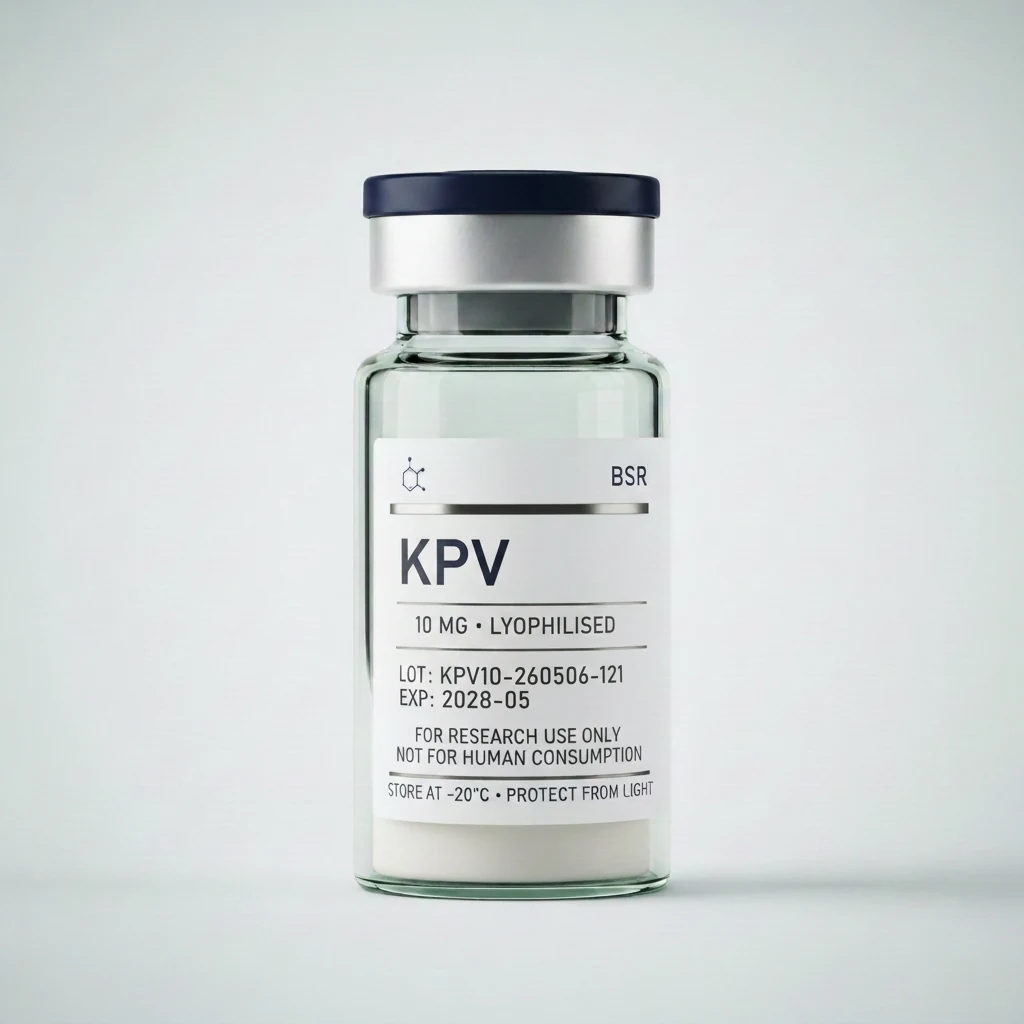
Restore Health Consulting confirms that for each of the six peptides receiving favourable votes — BPC-157, KPV, TB-500, MOTS-c, Epitalon, and Semax — the committee's recommendation differed from FDA's position as presented in briefing materials, which had proposed that none of the fourteen peptide forms under consideration be included.
The vote outcomes applied equally to both the free-base and acetate salt forms of Semax.
Buchanan Ingersoll & Rooney characterises the votes as "an important milestone, but not the finish line." McDermott Will & Emery notes that if adopted, the recommendations would permit compounding pharmacies to use the added peptides in compounded preparations, providing a pathway under FDCA §503A for access through individual patient prescriptions.
The pathway to that outcome, however, involves formal FDA notice-and-comment rulemaking: draft rule publication, a public comment period (typically 60–90 days), review and response to comments, and a final rule. Clinical Peptide estimates this process realistically runs eight to twenty-four months from a favourable committee recommendation to actual inclusion on the list. In the interim, the regulatory status of Semax under 503A is unchanged: compounding pharmacies cannot legally prepare it in bulk until rulemaking concludes.
McDermott Will & Emery additionally notes that FDA is expected to exercise some form of informal enforcement discretion in the interim period for those peptides receiving favourable votes, though the boundaries of that discretion are not formally defined.
UK and MHRA position
Semax holds no marketing authorisation in the United Kingdom. Astra Labs confirms that it is not MHRA-approved for medical use and cannot be marketed for human consumption, therapeutic use, or as a licensed medicine in the UK. Any UK supplier making medical claims about Semax is operating outside compliance.
Semax is nonetheless lawful to supply in the UK for laboratory research purposes. Peptify UK explains the legal framework: research peptides are generally lawful to purchase when supplied strictly for in vitro and laboratory research and not marketed for human consumption. The legal position rests on a distinction the MHRA draws consistently — purpose and presentation — such that the identical molecule can be entirely lawful as a research compound or constitute an unlicensed medicine depending on how it is presented and for what purpose it is sold.
Semax is not scheduled under the Misuse of Drugs Act 1971 and does not require a licence for research procurement. Nexyra Lab confirms that the large majority of research peptides, including Semax, are not scheduled under that Act.
The MHRA heightened its enforcement posture in April 2026. WellFounded Health reports that the UK medicines regulator opened an investigation into peptide clinics making health claims about compounds they cannot legally sell as medicines, with BPC-157 named first but the investigation covering unlicensed peptide marketing more broadly. UK research labs procuring Semax should ensure suppliers provide research-use-only labelling, no therapeutic claims, and third-party analytical documentation.
Procurement considerations for UK research labs
Research-procurement professionals sourcing Semax for laboratory use should verify:
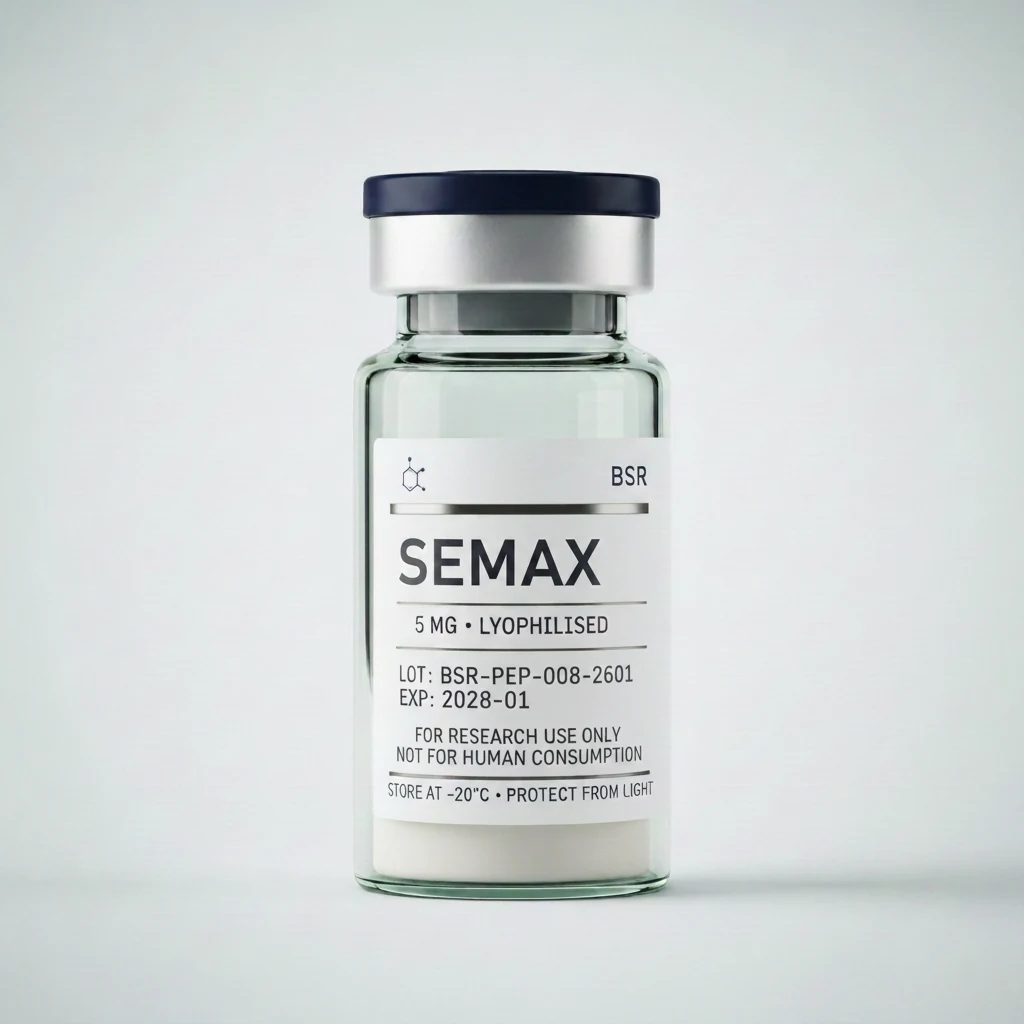
- Labelling compliance — product must carry "for research use only / not for human consumption" labelling.
- Analytical documentation — a third-party Certificate of Analysis (CoA) confirming identity, purity by HPLC, and absence of common contaminants remains the minimum acceptable standard. Lot-specific CoAs are preferable to batch-level averages.
- No medicinal claims — suppliers making therapeutic or health claims about Semax are in breach of the Human Medicines Regulations 2012 and should be avoided.
- Cold chain and storage — as with most lyophilised peptides, storage at −20 °C is standard to preserve stability; reconstituted solutions should be used promptly or stored at 4 °C for short periods.
- Regulatory monitoring — the US 503A rulemaking timeline for Semax is now running. Procurement teams with an interest in downstream compounding developments in the US should monitor FDA's Federal Register for proposed rule publication, which would mark the next formal milestone in the process.
No date has been announced for the next MHRA review of Semax specifically. The PCAC is scheduled to reconvene before February 2027 to consider a further five peptides — GHK-Cu, Melanotan II, Cathelicidin (LL-37), Dihexa acetate, and PEG-MGF — but Semax is not among that cohort.
Research-grade material, HPLC verified, certificate of analysis with every order.
The week's Intelligence in one email, every Friday morning.
Regulatory moves, trial readouts, supply-chain news. No product pitches. Unsubscribe in one click.
More in Research Pipeline
Beyond the GLP-1 Duopoly: Three October Developments That Signal a Broadening Obesity Pipeline
22 Oct 2026
Thymosin Alpha-1: What 35 Countries of Clinical Use and a Lopsided PCAC Vote Mean for Research Access in 2026
07 Oct 2026
Viking Therapeutics Initiates Oral Maintenance Dosing Study for VK2735: What the GLP-1/GIP Dual Agonist's Two-Part Programme Tells Researchers About the Weight-Regain Problem
06 Oct 2026