Research Pipeline · 28 Jul 2026
Semax: The Russian Neuropeptide That Just Won an FDA Compounding Recommendation — What the Evidence Actually Shows
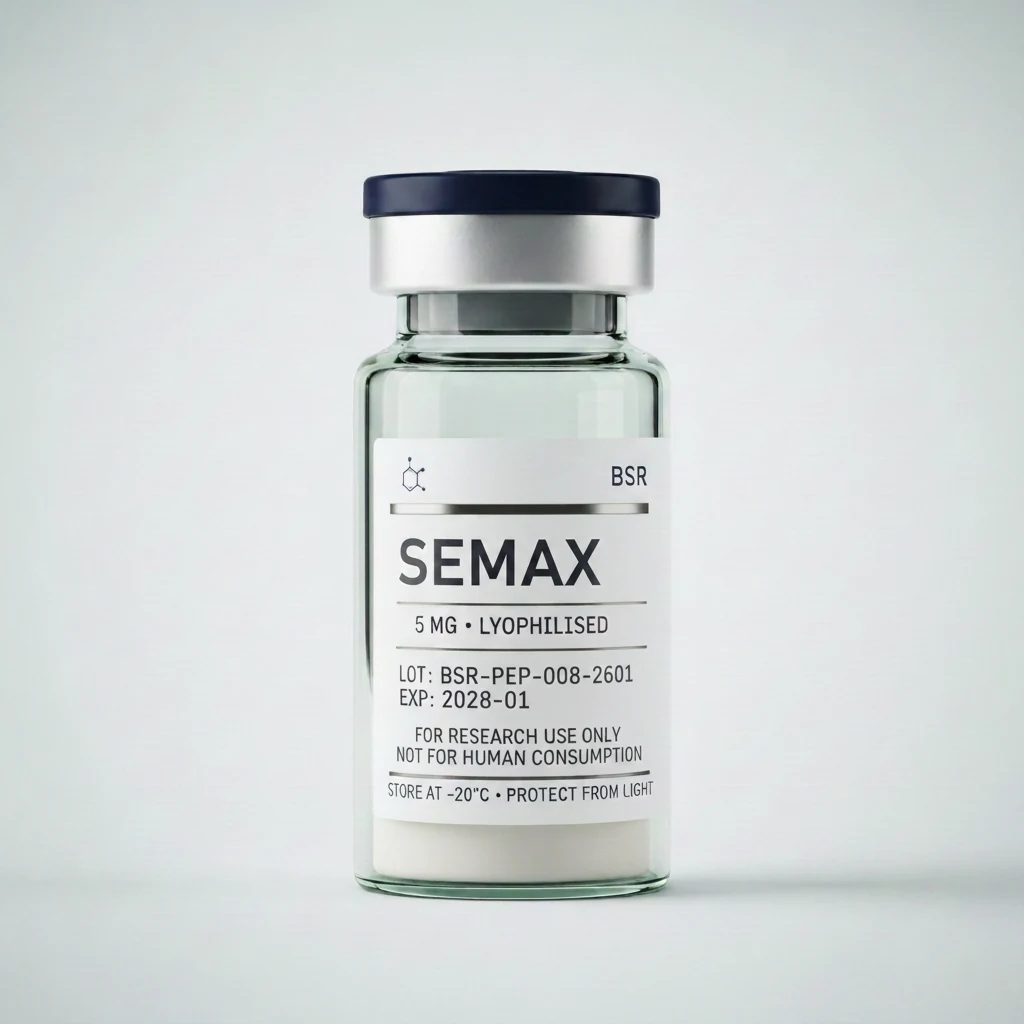
Semax, a synthetic heptapeptide derived from the ACTH(4-10) sequence, received a non-binding PCAC recommendation for inclusion on the FDA's 503A Bulk Drug Substances List on 24 July 2026. This profile examines its mechanism, the depth of its evidence base, and what the rulemaking path ahead means for research procurement.
12 sources cited
Key takeaways
- On 24 July 2026, the FDA's Pharmacy Compounding Advisory Committee (PCAC) voted 8–5 to recommend Semax for inclusion on the 503A Bulk Drug Substances List, making it one of six peptides to receive a favourable recommendation at the two-day meeting.
- The vote is non-binding. Formal notice-and-comment rulemaking is required before any compounding pharmacy may legally prepare Semax under 503A, a process that under standard timelines runs 12 to 18 months — meaning realistic availability, if the FDA acts, is unlikely before mid-2027 at the earliest.
- Semax has been approved in Russia and Ukraine for clinical use in stroke rehabilitation and cognitive impairment since the late 1990s, giving it a more substantial human evidence base than most peptides currently under review.
- The compound's primary mechanism involves MC4R agonism and downstream upregulation of brain-derived neurotrophic factor (BDNF) via the TrkB pathway, alongside modulation of dopaminergic and serotonergic systems.
- In the United Kingdom, Semax holds no MHRA licence; it is not a controlled substance but its supply for human use falls into a legally ambiguous position. For UK research institutions, it remains a research-use-only compound.
What is Semax?
Semax is a synthetic heptapeptide analogue of the adrenocorticotropic hormone fragment ACTH(4–10), developed at the Institute of Molecular Genetics of the Russian Academy of Sciences beginning in the 1980s. According to Iron Peak Peptides, it has accumulated more than 100 peer-reviewed publications documenting its effects on BDNF expression, monoaminergic neurotransmission, cognitive function, and neuroprotection following ischaemic injury — an unusually extensive literature for a compound that has not completed a Western regulatory review.
The compound is administered intranasally in its approved Russian formulations, which exist as a 0.1% solution and a 1% solution differing in indication and dosing. According to peptides.org, the 0.1% formulation is approved for conditions including mental fatigue and mild cognitive dysfunction, while the 1% formulation is directed at more acute neurological presentations.
Mechanism of action
Semax's pharmacology is described as multi-mechanism, which is both a feature of research interest and a complication for regulatory characterisation. According to Biomeme's peptide evidence database, the proposed mechanisms include melanocortin receptor modulation as an ACTH fragment, BDNF upregulation, and dopaminergic and serotonergic system modulation, with neuroprotective effects mediated in part through NGF and BDNF-dependent neuroplasticity pathways.
Iron Peak Peptides summarises its multi-mechanism pharmacology as "engaging BDNF/TrkB neurotrophic signalling, dopaminergic and serotonergic modulation, and neuroimmune regulation" — a breadth that distinguishes it structurally from single-mechanism nootropic compounds, though it also means the precise contribution of each pathway to clinical outcomes remains incompletely resolved.
Critically, despite its structural derivation from ACTH, research reviewed by Biomeme suggests Semax does not reproduce the hormonal effects of the parent molecule. No endocrine disruption or dependence liability has been documented in the published toxicology literature, according to research supplier review sites — though these characterisations are based predominantly on Russian-language preclinical and clinical sources that have not been independently replicated under Western trial conditions.
The evidence base: what it shows and where it stops
The evidence base for Semax is weighted heavily towards Russian clinical data. According to Peaked Labs, the compound's "human evidence base is strongest in neurological rehabilitation contexts — stroke, optic nerve disease, and cognitive impairment — where it is an approved clinical agent in Russia and Ukraine." Evidence for enhancement in healthy adults is characterised as more limited in controlled trial format.
Iron Peak Peptides notes that Semax has been used clinically in Russia for the treatment of ischaemic stroke, showing improvements in neurological function and recovery. In Russia, it has held prescription approval as a nootropic and neuroprotective agent since the late 1990s, which provides a form of real-world safety signal spanning over two decades — though the regulatory standards under which that approval was obtained differ materially from those applied by the FDA or MHRA.
Biomeme's analysis notes that published studies are "primarily in Russian-language journals" and that the compound "has not undergone Western regulatory evaluation." Long-term safety data outside the Russian clinical experience is not available, and the existing evidence on mood regulation in conditions such as anxiety and depression is described by peptides.org as scarce.
For research procurement purposes, this profile means Semax occupies a more evidence-supported position than many research peptides, but its evidence remains geographically and linguistically siloed in ways that complicate the peer review process familiar to Western institutions.
The PCAC vote in context
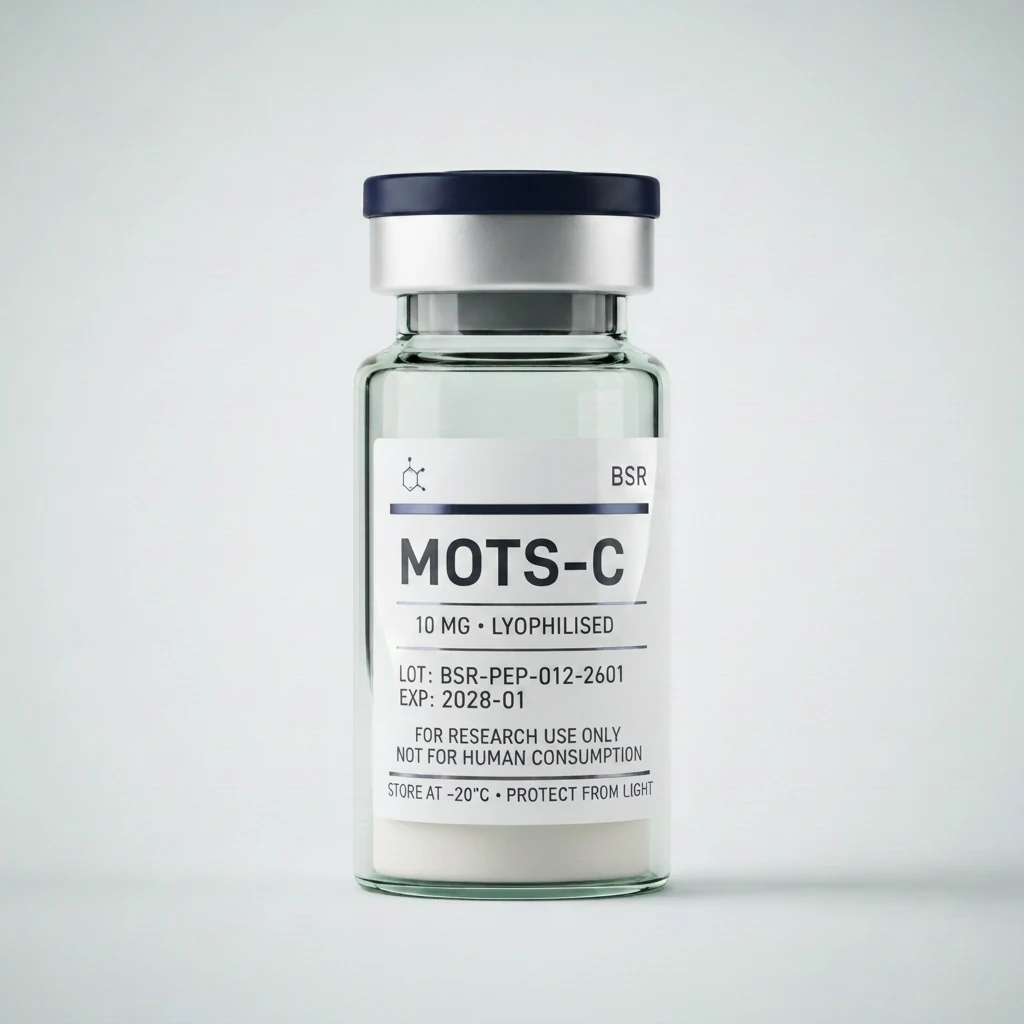
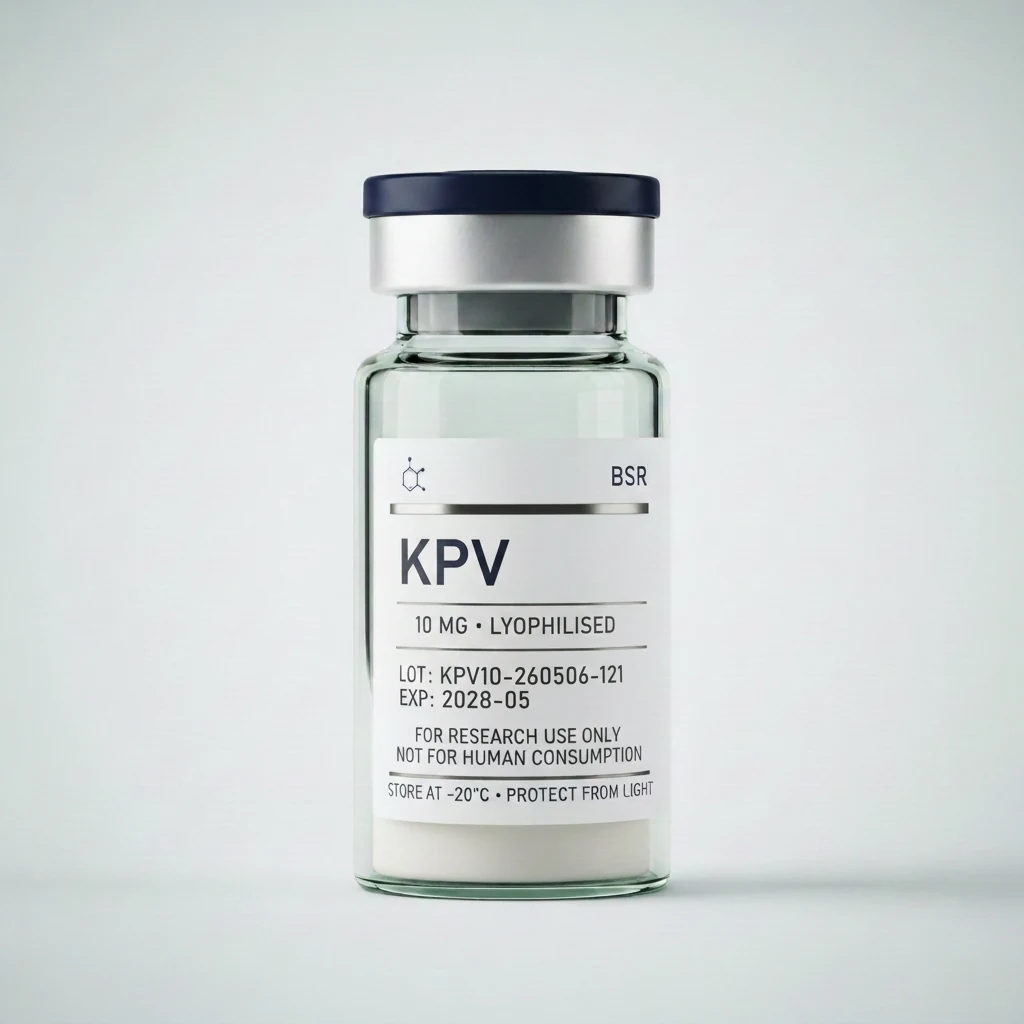
At the 24 July meeting, US News reported that the PCAC voted to add Semax and Epitalon to the 503A Bulk Drug Substances List alongside the four peptides — BPC-157, KPV, MOTS-c, and TB-500 — recommended on the first day. Emideltide (DSIP) was the sole rejection across the two-day meeting.
According to Meto, Semax passed with a vote of 8–5 with one abstention. The committee voted separately on free base and acetate forms of each compound — a procedural detail reflecting the FDA's characterisation standard for bulk substances, where chemical form matters to the legal determination.
Per NPR's reporting on the meeting, the votes overruled the FDA's own scientific staff, who had recommended against all seven compounds. The committee included doctors, academics, and pharmacists; STAT News coverage noted the meeting ran across two days at FDA's White Oak Campus in Silver Spring, Maryland.
What comes next: the rulemaking path
The PCAC recommendation initiates, but does not complete, the regulatory process. The FDA Law Blog is direct on this point: "even if PCAC recommends adding these peptides to 503A's 'Category 1' list, and even if FDA agrees, notice-and-comment rulemaking is still required — a process that, under standard timelines, can take more than a year."
Restore Health Consulting sets out the procedural sequence: following the vote, the FDA considers the committee's advice alongside USP consultation and evaluation against the criteria in 21 CFR §216.23, then publishes a Notice of Proposed Rulemaking (NPRM), opens a public comment period, and issues a final rule. The committee's role is advisory; the FDA is not required to follow it.
As Orrick noted ahead of the meeting, a second PCAC meeting is expected before the end of February 2027 to review five additional peptides not addressed in July: LL-37 (Cathelicidin), GHK-Cu (injectable), Dihexa acetate, Melanotan II, and PEG-MGF. According to Newtropin, LL-37, Dihexa, Melanotan II, and PEG-MGF were previously in a "withdrawn, no active review" status and are now being reconsidered — a notable broadening of scope.
For compounding pharmacies and their supply chains, PeptideStaff cautions that the 503A review process is entirely separate from 503B outsourcing facility regulations, and that the July meeting does not address outsourcing facilities at all.
Regulatory status in the United Kingdom
Semax holds no marketing authorisation from the Medicines and Healthcare products Regulatory Agency (MHRA). It is not listed as a controlled substance under the Misuse of Drugs Act 1971. In practice, this places it in the same category as most research peptides supplied to UK institutions: lawful to procure and possess for genuine research purposes, but not authorised for human therapeutic use, and therefore ineligible for prescription by UK clinicians. UK importers should note that MHRA may regard unlicensed injectable preparations for human use as medicinal products requiring authorisation, regardless of "research use only" labelling.
For UK-based research procurement, the practical implication of the July PCAC vote is indirect: it signals that the FDA regards the existing Semax evidence base as sufficient to merit formal rulemaking consideration, which may inform institutional risk assessments around compound sourcing. It does not alter the UK legal position.
Procurement considerations for research labs
Any UK institution procuring Semax for research use should verify the following before purchase:
- Certificate of Analysis (CoA): Confirm HPLC purity ≥98%, mass spectrometry confirmation of molecular identity, and endotoxin testing results. Semax is a heptapeptide with a molecular weight of approximately 813 Da; mass confirmation at this weight is a minimum verification step.
- Sterility data: Injectable research-grade peptides should carry sterility testing documentation. New Drug Loft notes that research-only products may not undergo stability, potency, and endotoxin testing — and that the absence of such safeguards carries liability implications.
- Cold chain integrity: Semax is typically supplied lyophilised and should be stored at −20°C; reconstituted solutions require refrigeration at 2–8°C.
- Supplier documentation: Reputable suppliers should be able to provide batch-specific CoAs, not generic or undated documents. Lot-to-lot consistency is a material concern for peptides sourced from third-party manufacturers.
Research-grade material, HPLC verified, certificate of analysis with every order.
The week's Intelligence in one email, every Friday morning.
Regulatory moves, trial readouts, supply-chain news. No product pitches. Unsubscribe in one click.
More in Research Pipeline
Thymosin Alpha-1: What 35 Countries of Clinical Use and a Lopsided PCAC Vote Mean for Research Access in 2026
07 Oct 2026
Viking Therapeutics Initiates Oral Maintenance Dosing Study for VK2735: What the GLP-1/GIP Dual Agonist's Two-Part Programme Tells Researchers About the Weight-Regain Problem
06 Oct 2026
GHK-Cu: What a Fresh Diabetic Wound Study and a Recruiting Phase 2 Trial Mean for the Copper Peptide's Research Standing
03 Oct 2026