Research Pipeline · 01 Aug 2026
Thymosin Alpha-1: The Immunomodulatory Peptide With Decades of Clinical Data — and a Complicated Regulatory Position
Thymosin alpha-1 (Tα1) has been approved as Zadaxin in more than 35 countries for chronic hepatitis B and studied across over 80 clinical trials — making it one of the most clinically documented peptides available. Yet it remains unapproved in the US and carries no MHRA marketing authorisation in the UK, leaving research-procurement teams navigating a jurisdiction-dependent patchwork of access and legal constraints.
11 sources cited
Key takeaways
- Thymosin alpha-1 (Tα1) is a 28-amino-acid, N-terminally acetylated peptide isolated from the thymus gland and approved as Zadaxin in roughly 35 countries — primarily for chronic hepatitis B — but it holds no FDA approval and no MHRA marketing authorisation.
- Its mechanism centres on TLR9 signalling in dendritic cells, driving Th1 polarisation and T-cell maturation rather than broad immunostimulation — a distinction that matters for research design.
- The clinical evidence base is unusually deep for a research-grade peptide: more than 80 trials and approximately 4,400 patients, spanning hepatitis B, hepatitis C, sepsis, and cancer adjunct therapy.
- In the US, Tα1's 503A compounding status is unsettled; it was placed in Category 2 in September 2023, removed from Category 2 in September 2024 after nominators withdrew, and was reviewed by the PCAC in December 2024, with a final determination still pending. The July 2026 PCAC meeting did not re-examine it.
- UK procurement teams should note that no Zadaxin marketing authorisation exists under MHRA, and research-grade material is subject to standard import and "research use only" constraints.
Origins and chemical identity
Thymosin alpha-1 (Tα1, thymalfasin; CAS 62304-98-7) is a synthetic 28-amino-acid peptide identical to the N-terminal fragment of the larger thymic protein prothymosin alpha. It is frequently confused in lay commentary with thymosin beta-4 (TB-500), an unrelated tissue-repair peptide; the two share only the "thymosin" family name and a thymus-gland origin, not mechanism or indication.
The peptide was first isolated by Dr Allan Goldstein and colleagues at the Albert Einstein College of Medicine in the 1970s as part of a programme to identify active molecules in Thymosin Fraction 5, a crude thymus extract that had shown immune-modulating properties in preclinical models. Goldstein's foundational 1977 paper (PMID: 265233) characterised the compound's distinctive N-terminal acetylation and demonstrated specific effects on T-cell differentiation markers in vitro.
The commercially available research form — a white lyophilised powder supplied at 1.6 mg or 5 mg fill weights — is entirely synthetic. Peptide research reviews confirm that researchers must verify the acetylated identity of supplier material and not conflate its international approved-medicine status with the regulatory position of supplier-grade product.
Mechanism of action
According to a detailed 2026 mechanism review, Tα1 acts as an immunomodulator rather than a stimulant — it does not push the immune system in one direction but recalibrates T-cell maturation and Th1/Th2 balance. The established pathway proceeds through dendritic-cell TLR9 → MyD88 → IRF7-dependent activation of indoleamine 2,3-dioxygenase, with downstream restoration of T-regulatory and effector T-cell balance.
A 2026 research review from US Peptide Science describes this as Tα1 binding to or modulating TLR9 receptors on dendritic cells, enhancing antigen presentation and priming adaptive immune responses. The same review characterises the compound as an "immune rheostat" capable of upregulating responses in states of immunosuppression and dampening them in hyper-inflammatory conditions — a profile that has motivated research across disparate disease states.
Research-grade compound reviews caution that whilst the TLR9-dependent mechanism is reasonably well characterised, the precise downstream pharmacodynamics in diverse human contexts remain incompletely understood. The compound's pleiotropic properties, often cited as an advantage, also complicate prediction of effect in novel disease models.
Clinical evidence: what the data show
Tα1 has accumulated clinical evidence well beyond the typical research peptide. According to Proxiva Labs' 2026 review, it has been evaluated in over 4,400 patients across more than 80 clinical trials spanning hepatitis B, hepatitis C, HIV adjunct therapy, and sepsis.
Chronic hepatitis B constitutes the strongest and most consistent evidence base. A 2026 clinical data summary at Medsbase notes that multiple controlled trials between 1995 and 2010 found that Tα1 monotherapy at 1.6 mg subcutaneous twice-weekly for 24–26 weeks achieves HBeAg seroconversion rates of roughly 25–40%, comparable to interferon-alpha but with a substantially better tolerability profile — without the flu-like syndrome or haematological toxicity associated with interferon. A pivotal 1998 RCT in 98 hepatitis B patients reported by Superpower found complete virological response in 40.6% on Tα1 versus 9.4% in untreated controls, with four decades of low adverse-event data across indications.
Sepsis has attracted considerable attention, partly driven by pandemic-era use of Tα1 in Italian and Chinese intensive care units. The picture here is more mixed than in hepatitis. According to a clinical dosing review, the large TESTS trial — enrolling 1,106 adults with sepsis across 22 Chinese centres — reported a 28-day all-cause mortality hazard ratio of 0.94 (95% CI 0.76–1.16, p=0.54), a statistically non-significant result. A 2025 meta-analysis published via PubMed (PMC12208829), examining five randomised controlled trials in 706 patients with severe acute pancreatitis, found evidence that Tα1 alleviates inflammation and may prevent secondary infection — though the authors note the current evidence base for that specific indication requires further validation.
Tolerability is generally described as favourable across the published literature. US Peptide Science notes that because Tα1 acts as an immunomodulator rather than a traditional immunosuppressant or stimulant, it is less likely to cause severe adverse events associated with broad-spectrum cytokines. The same review notes that researchers should remain alert to the potential for hypersensitivity reactions and the theoretical risk of stimulating autoimmunity in susceptible subjects, and that longitudinal safety data in diverse populations remain incomplete.
Regulatory status: US
The regulatory position of Tα1 in the United States is notably more complicated than that of the six peptides recently voted on by the PCAC.
According to a May 2026 clinical resource review at RonanRx, the evidence base for Tα1 is broader than many Category 2 peptides because Zadaxin and related thymalfasin products have been studied and used abroad — but that international record does not create an FDA-approved US product or automatic 503A availability.
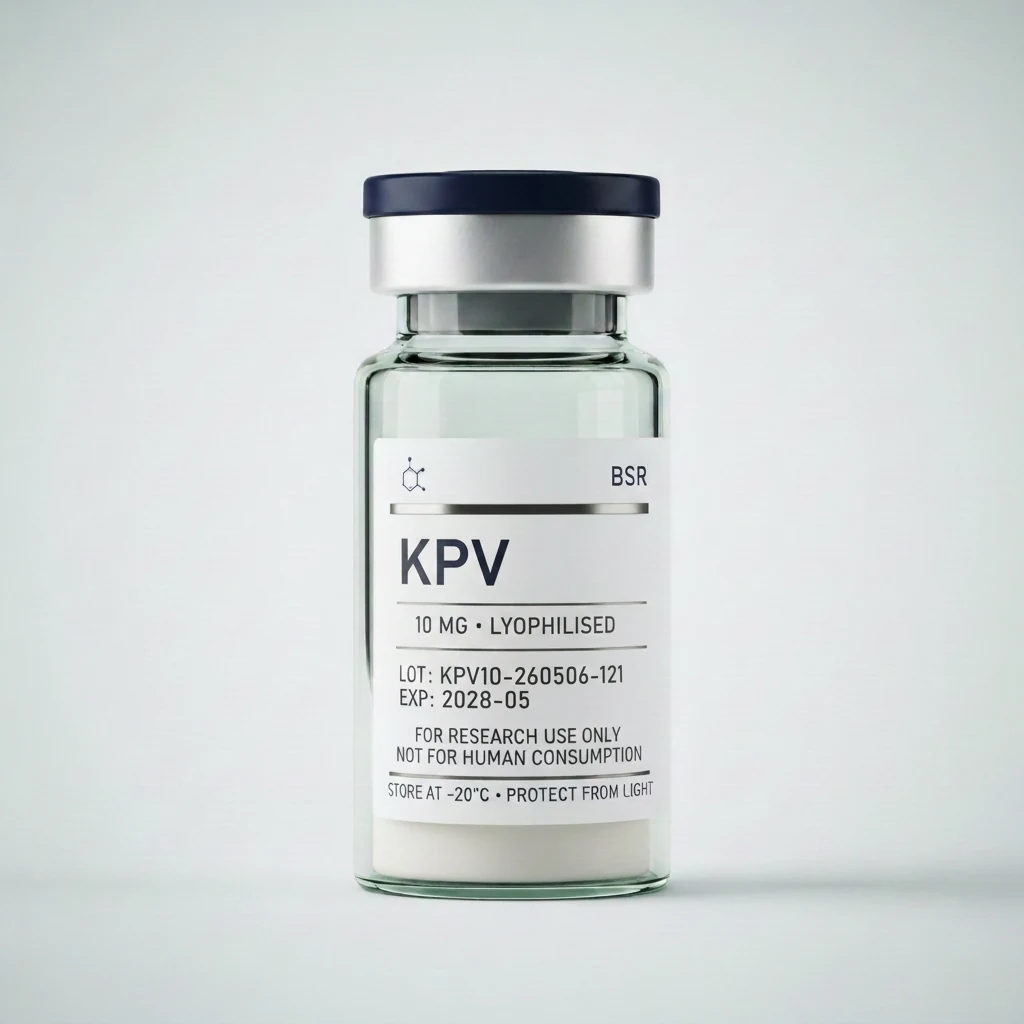
A detailed timeline at PeptideDosing Protocols indicates that as of June 2026, Tα1's US 503A compounding status remains unsettled: the FDA placed it in Category 2 in September 2023, removed it from Category 2 in September 2024 after the original nominators withdrew their nominations, and the PCAC reviewed it on 4 December 2024, with a final determination still pending. The July 2026 PCAC session — which recommended BPC-157, KPV, TB-500, MOTS-c, Epitalon, and Semax — did not re-examine Tα1.
Legal analysis from MyPeptideMatch confirms that as of early 2026, compounding pharmacies operating under 503A or 503B frameworks cannot legally compound Tα1 for patient use without FDA authorisation, and no such authorisation currently exists. The FDA has taken enforcement action against companies marketing unapproved Tα1 products, though the specific scope and targets of such actions warrant verification against current FDA enforcement records.
Regulatory status: UK and EU
According to MyPeptideMatch's legal status review, no MHRA marketing authorisation for Thymosin Alpha-1 exists as of March 2026. Zadaxin is approved in Italy, China, and much of Southeast Asia and parts of Latin America, but there is no EU-wide marketing authorisation, and individual EU member states may have their own authorisation pathways.
For UK research-procurement teams, this means that Tα1 sourced as a research-grade peptide is subject to standard MHRA import provisions, must be labelled and sold as "research use only," and cannot be administered to humans under that legal designation. The absence of MHRA authorisation also means that clinical institutions cannot access Tα1 through the standard licensed-medicine supply chain without engaging the Specials or Named Patient supply routes, which carry their own documentation requirements.
Procurement considerations for UK laboratories
Tα1 is among the more chemically well-defined peptides available through research suppliers: the 28-mer sequence is fully established, solid-phase synthesis is well understood, and there is no ambiguity about the active form (the N-terminally acetylated version). Certificates of Analysis should confirm acetylation status, sequence identity confirmed by mass spectrometry, and HPLC purity of 98% or above.
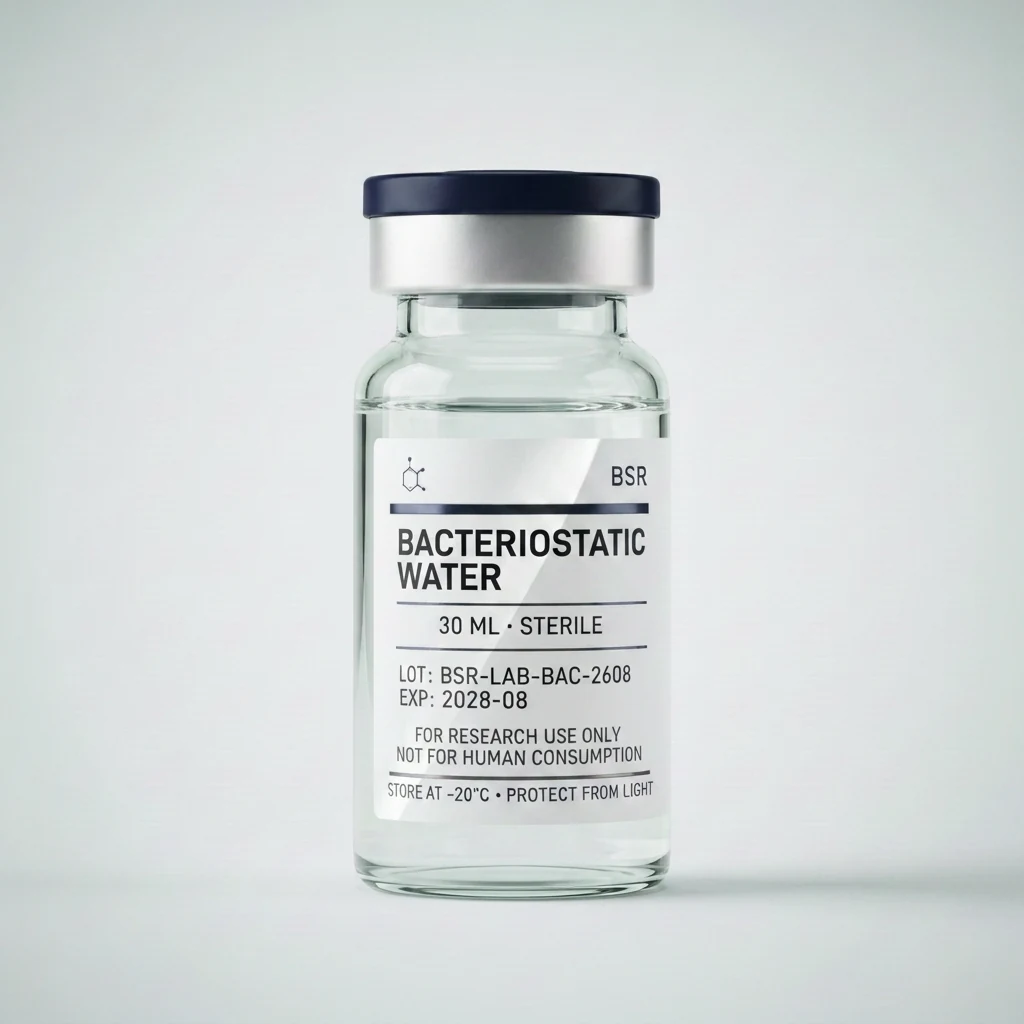
The molecule is hydrophilic and relatively stable in lyophilised form under recommended cold-chain conditions. Clinical protocols studied in approved-medicine jurisdictions have used reconstituted 1.6 mg doses in bacteriostatic water or sterile saline, with twice-weekly subcutaneous administration — though for research purposes, dosing schedule decisions sit with the principal investigator in the context of the approved study protocol.
The split international regulatory status of Tα1 — approved medicine in some jurisdictions, research compound in the UK and US — is both its defining characteristic and its chief complication for procurement teams. As Medsbase's 2026 review observes, this split status is unusual and is the reason almost all primary clinical-research literature originates from Italy and China. It also means that quality benchmarks from approved-medicine supply chains are not directly applicable to research-grade purchases, and verification against supplier-specific analytical data remains essential for each lot.
Research-grade material, HPLC verified, certificate of analysis with every order.
The week's Intelligence in one email, every Friday morning.
Regulatory moves, trial readouts, supply-chain news. No product pitches. Unsubscribe in one click.
More in Research Pipeline
Thymosin Alpha-1: What 35 Countries of Clinical Use and a Lopsided PCAC Vote Mean for Research Access in 2026
07 Oct 2026
Viking Therapeutics Initiates Oral Maintenance Dosing Study for VK2735: What the GLP-1/GIP Dual Agonist's Two-Part Programme Tells Researchers About the Weight-Regain Problem
06 Oct 2026
GHK-Cu: What a Fresh Diabetic Wound Study and a Recruiting Phase 2 Trial Mean for the Copper Peptide's Research Standing
03 Oct 2026