Research Pipeline · 22 Jun 2026
Thymosin Alpha-1: The Internationally Approved Immune Peptide in Regulatory Limbo — What the PCAC Vote and Category 2 Removal Mean for Research Procurement
Thymosin alpha-1 is the most clinically validated immune-modulating peptide in the research catalogue — approved as Zadaxin in over 35 countries and evaluated in more than 80 clinical trials. Yet in the United States it remains without FDA approval, was removed from Category 2 in September 2024, and was voted down 4-17 by the PCAC in December 2024. It is not scheduled for the July 2026 PCAC meeting. This briefing examines what that regulatory history means for UK research procurement in…
12 sources cited
Key takeaways
- Thymosin alpha-1 (Tα1) is a 28-amino acid thymic peptide approved as Zadaxin in more than 35 countries for chronic hepatitis B and as a cancer-treatment adjunct — a distinction no other peptide in the current research catalogue can claim.
- In the United States, Tα1 is not FDA-approved. It was removed from the 503A Category 2 restricted list in September 2024 following withdrawal of nominators, but the PCAC voted 4-17 against its inclusion on the 503A Bulks List in December 2024.
- Tα1 is not on the agenda for the July 23–24, 2026 PCAC meeting, which is focused on the 2026 batch of twelve peptides removed from Category 2 in April 2026.
- A January 2026 meta-analysis of 1,972 sepsis patients and a September 2025 systematic review each produced mixed but nuanced findings, reinforcing the view that Tα1's evidence profile is strong in some contexts and genuinely uncertain in others.
- In the UK, Zadaxin holds no MHRA marketing authorisation. UK laboratories sourcing Tα1 as a research compound must apply standard research-use-only procurement and quality controls.
What thymosin alpha-1 is
Tα1 is a 28-amino acid peptide originally isolated from the thymus gland by Allan Goldstein at George Washington University in 1977. The synthetic version, thymalfasin, is commercialised under the brand name Zadaxin. Zadaxin is approved in more than 35 countries for chronic hepatitis B, chronic hepatitis C, and as a cancer-treatment adjunct, making it one of the most clinically validated immune-modulating compounds in the peptide research space.
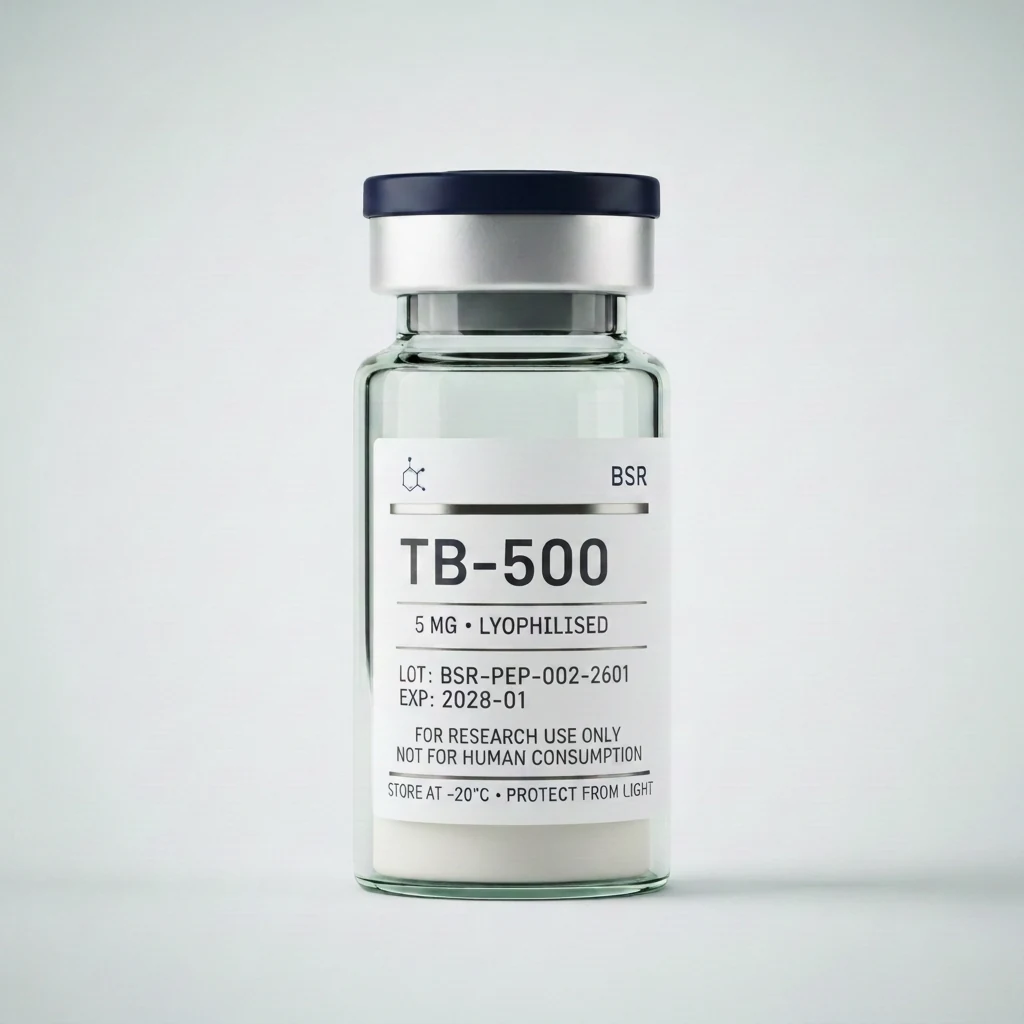
Despite sharing "Thymosin" in their names, Tα1 and TB-500 (Thymosin Beta-4) are entirely different peptides. Tα1 (28 amino acids) modulates T-cell immunity and holds drug approval in 35+ countries; TB-500 (43 amino acids) promotes tissue repair through actin regulation and has no clinical drug approval. The compounds work through entirely separate pathways and serve different research applications.
Mechanism of action
Tα1 works by activating toll-like receptor 9 signalling on dendritic cells, driving Th1 polarisation. At the cellular level, thymosin alpha-1 stimulates the proliferation, differentiation, and maturation of T cells in the thymus; this process elevates CD4⁺ T lymphocyte levels and bolsters the CD4⁺/CD8⁺ ratio, thereby enhancing immune function.
Rather than simply boosting immune activity, thymosin alpha-1 supports regulatory T-cell function and helps restore immune balance. This immunomodulatory — as distinct from immunostimulatory — character is significant for safety reasons. A safety review of more than 11,000 subjects across 30 or more trials found no reports of autoimmune flares or immune overstimulation despite the peptide's immune-enhancing properties, suggesting genuine immunomodulation rather than pure immune stimulation.
Clinical evidence: what the trials actually show
Hepatitis B
This is the indication with the most robust data. Multiple randomised controlled trials established Tα1 at 1.6 mg subcutaneous twice weekly as an effective treatment for chronic hepatitis B. A pivotal RCT of 98 patients showed complete virological response rates of 40.6% (26-week course) and 26.5% (52-week course) versus 9.4% in controls, with durable sustained HBeAg seroconversion at follow-up. These results led to regulatory approval of thymalfasin in over 30 countries, making Tα1 one of very few peptides with international drug approval for a specific clinical indication.
Sepsis — nuanced picture
The sepsis evidence base is substantial but not straightforward. A previous meta-analysis of 19 studies involving 1,354 adult patients suggested that Tα1 might benefit patients with sepsis; however, the subsequent TESTS trial — the largest multicentre, double-blind RCT to date with 1,106 participants — failed to corroborate these results.
The TESTS trial, published in The BMJ in January 2025, enrolled 1,106 adults aged 18–85 years with sepsis across 22 centres in China. The primary endpoint result was not statistically significant: 28-day all-cause mortality occurred in 127 participants (23.4%) in the thymosin α1 group and 132 (24.1%) in the placebo group (hazard ratio 0.99, 95% CI 0.77 to 1.27; P=0.93 with log-rank test).
A more recent meta-analysis published in January 2026, covering 1,972 sepsis patients, found a more encouraging signal for secondary endpoints. Patients receiving Tα1 had a shorter duration of mechanical ventilation (mean difference −1.80 days [95% CI: −3.47 to −0.13], p = 0.03), indicating faster respiratory recovery. The same analysis found that Tα1 was associated with more ICU-free days compared to placebo (mean difference 3.80 days, p = 0.05) and increased ventilator-free days (mean difference 3.73 days [95% CI: 1.03–6.43], p = 0.007), reflecting improved respiratory independence.
A September 2025 systematic review and meta-analysis (Frontiers in Cellular and Infection Microbiology) concluded that Tα1 has the potential to decrease 28-day mortality rates in patients with sepsis, but its efficacy differs among various subgroups. The divergence between positive earlier meta-analyses and the neutral TESTS primary endpoint suggests that patient selection — particularly age and immune phenotype — may determine clinical benefit.
Emerging research directions
The COVID-19 pandemic changed the profile of Tα1, and the 2024–2026 research that followed has positioned it as one of the most clinically validated immune-modulating peptides in existence. Research interest has expanded into severe acute pancreatitis: a 2025 meta-analysis published in Frontiers in Immunology covering five RCTs with 706 patients evaluated Tα1 in severe acute pancreatitis, where immune and inflammatory disorders are part of the complex pathophysiological processes that exacerbate the condition; the review identified Tα1 as an important immunomodulatory agent in clinical practice, though noting a lack of definitive evidence for efficacy in that specific indication.
Regulatory status in detail
United States
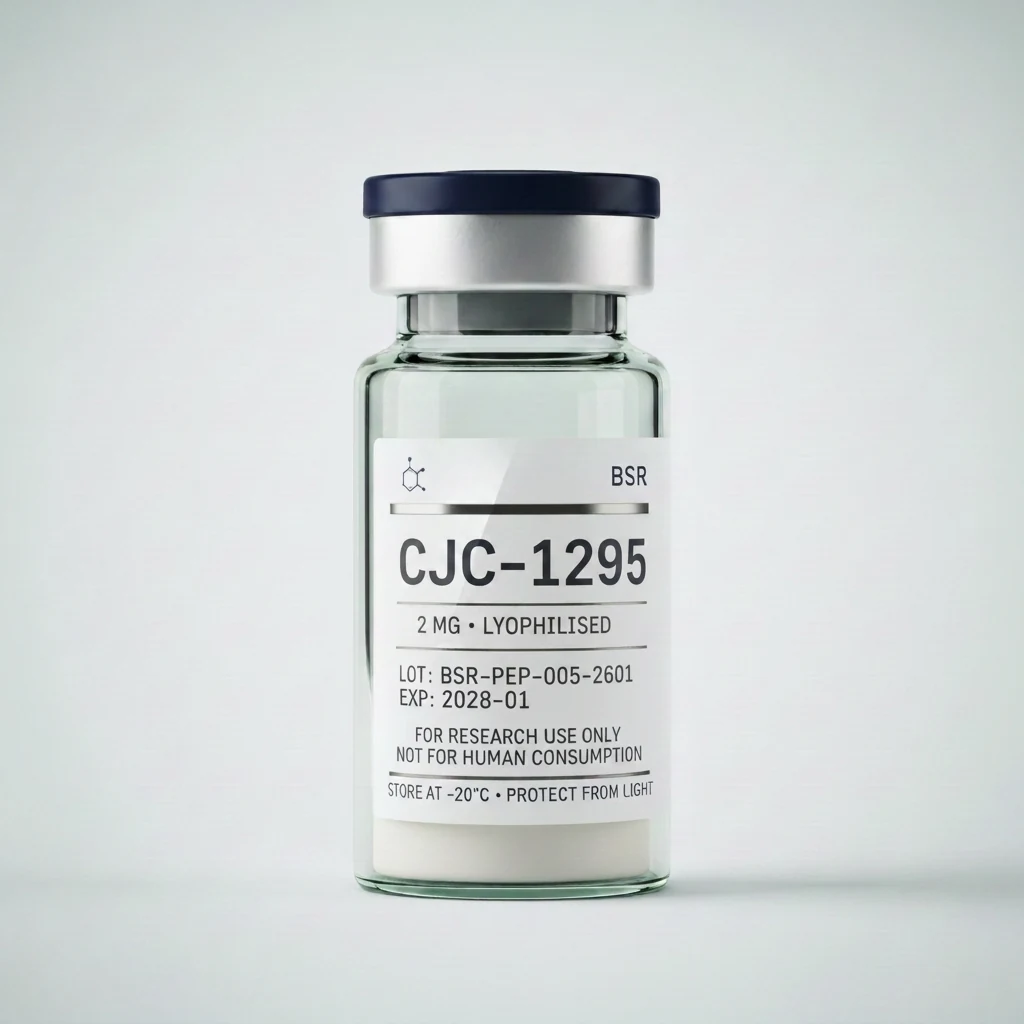
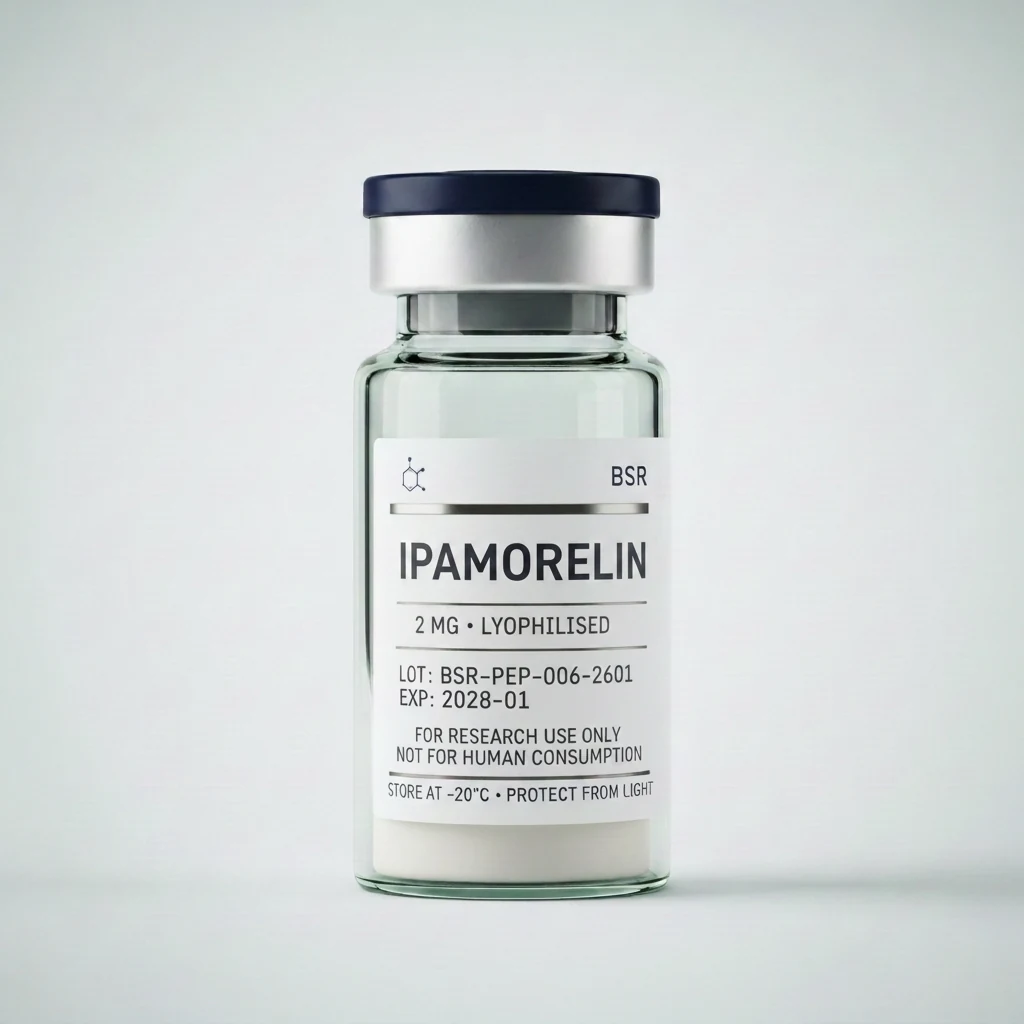
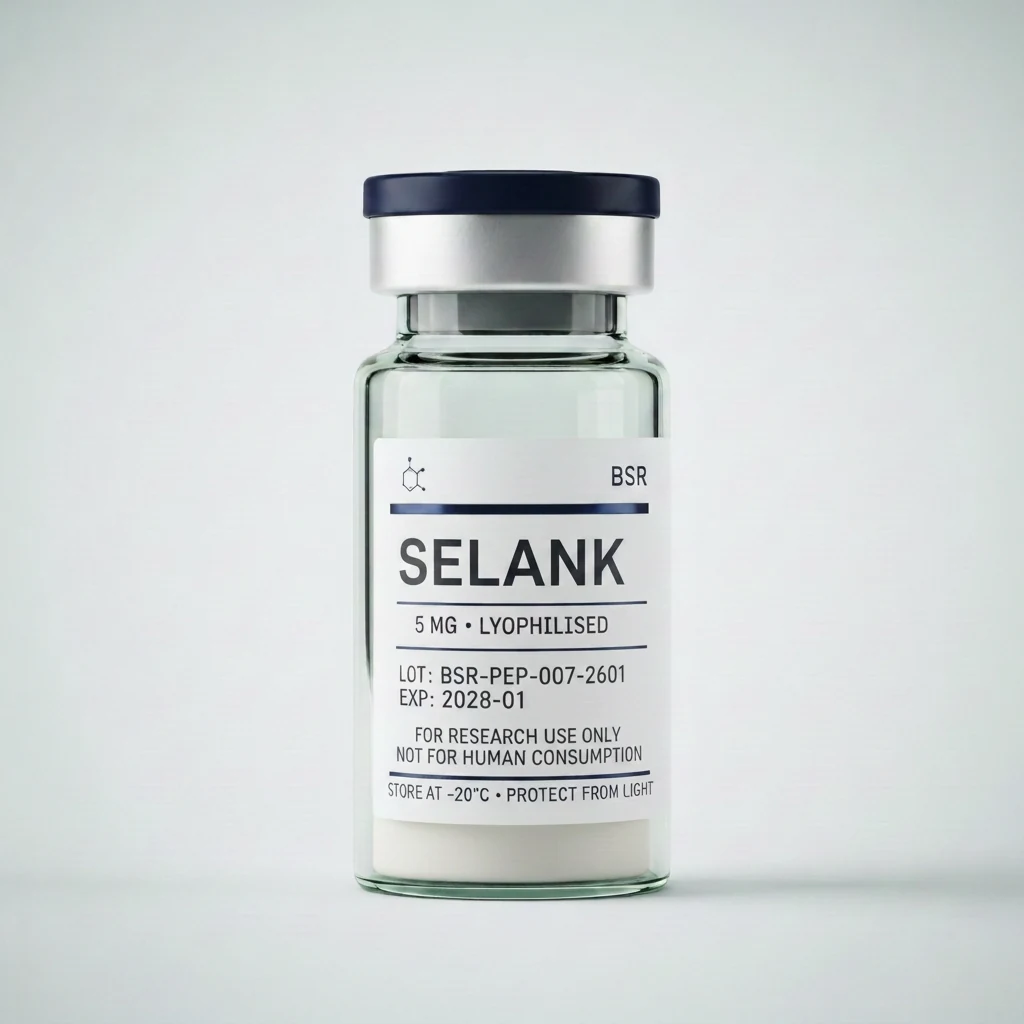
In September 2024, the FDA announced that thymosin alpha-1 (along with AOD-9604, CJC-1295, ipamorelin acetate, and Selank acetate) was being removed from Category 2 based on the nominators' withdrawal. These bulk drug substances were withdrawn from Category 2 as of 27 September 2024.
The FDA further advised that these bulk drug substances would be reviewed for potential inclusion in the 503A Bulks Regulation at the October and December 2024 PCAC meetings. CJC-1295, Ipamorelin, AOD-9604, and Thymosin Alpha-1 were voted against by the PCAC at meetings in October and December 2024. The decisive vote against Tα1 was 4-17, according to Nootroholic's PCAC tracker, despite its approval record in dozens of countries.
The stated basis for committee scepticism reflects a pattern across all peptides reviewed. Immunogenicity concerns are pervasive at the class level: the FDA's pharmaceutical quality team has consistently flagged peptides as a category where impurities can trigger antibody responses that cross-react with endogenous peptides.
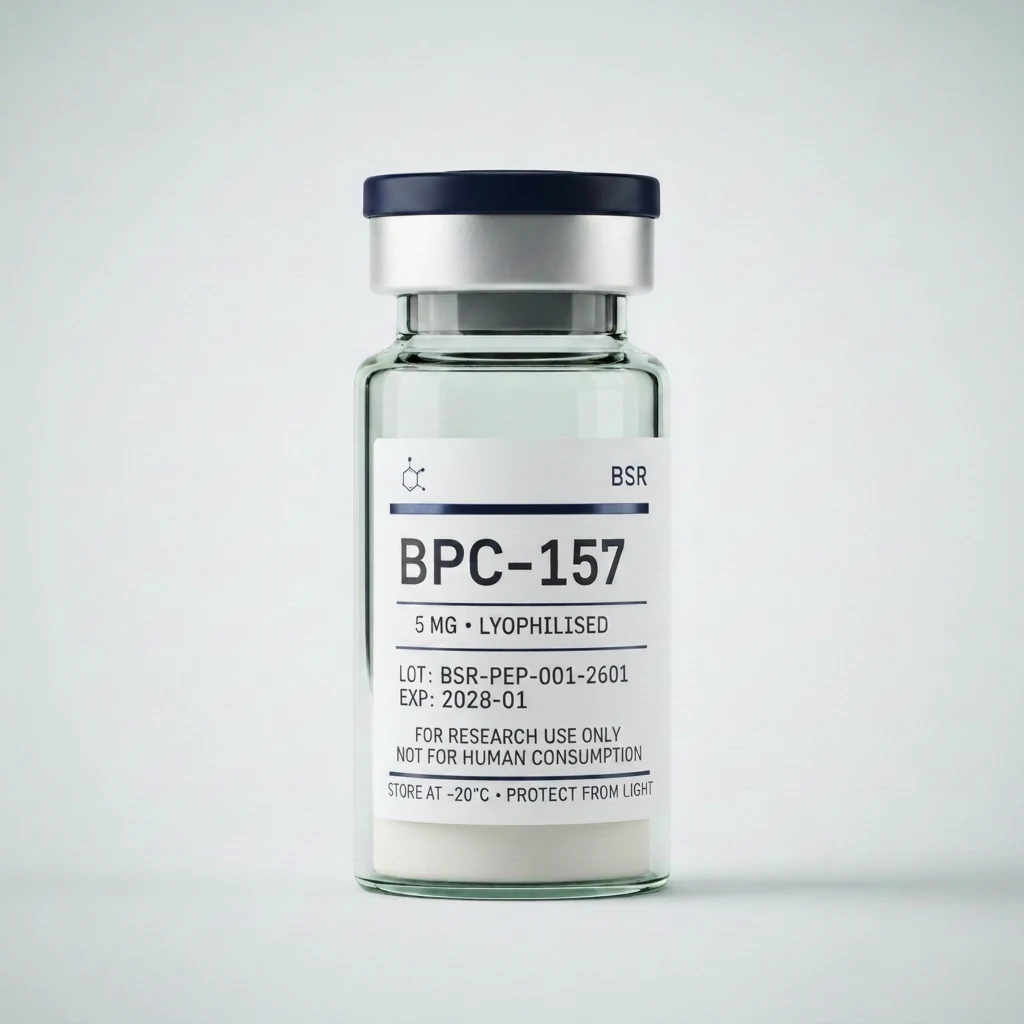
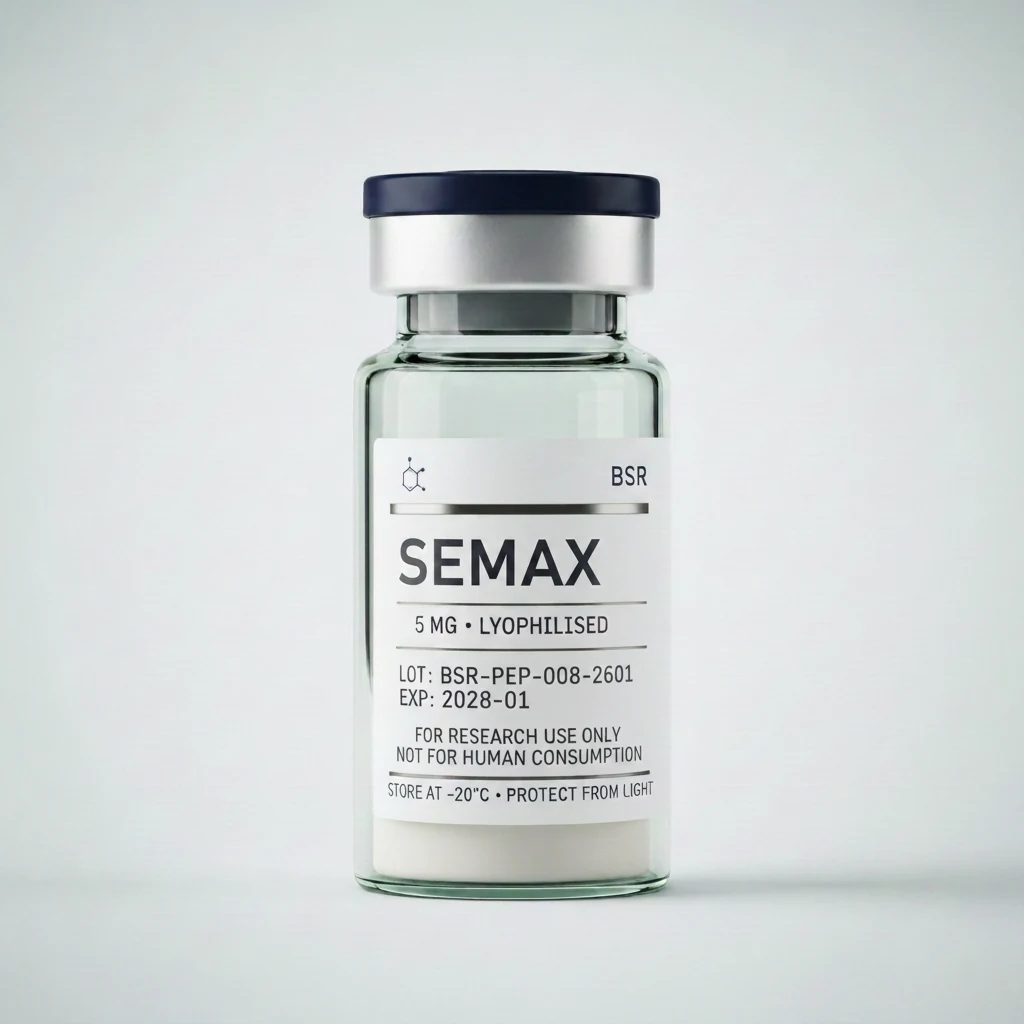
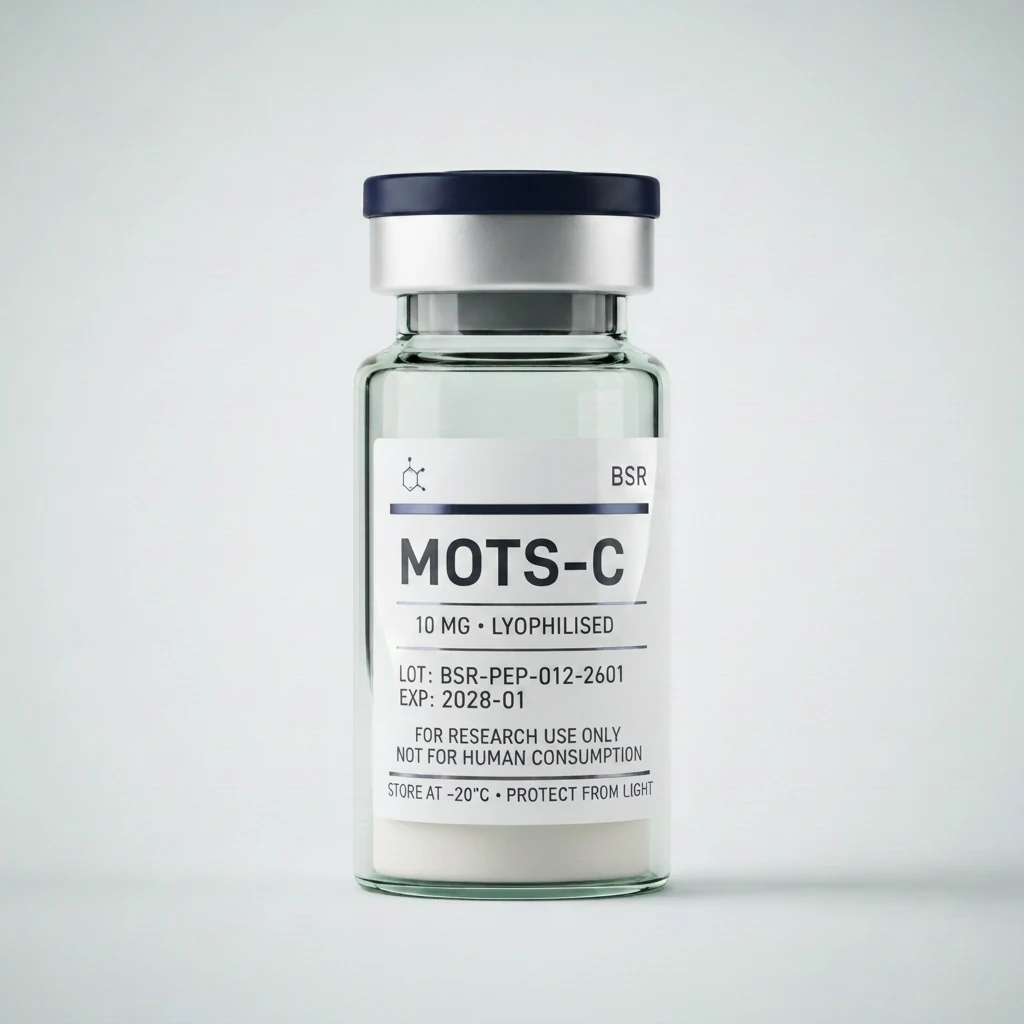
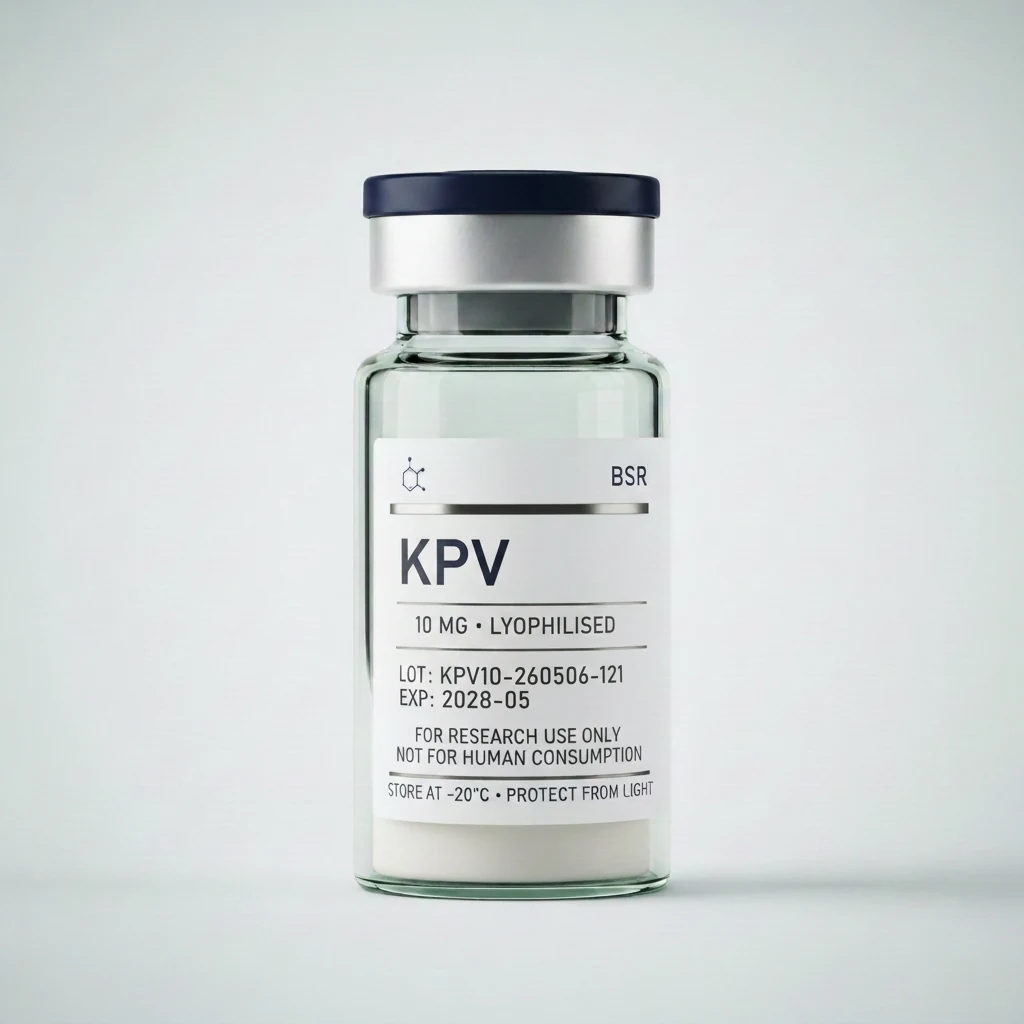
Critically, Selank has not been scheduled for review at either of the two announced PCAC meetings — and the same applies to Tα1. The July 23–24, 2026 PCAC meeting will focus on the twelve peptides removed from Category 2 in April 2026 (BPC-157, KPV, TB-500, MOTS-c, DSIP, Semax, Epitalon, and others). A second PCAC meeting is scheduled before the end of February 2027 to discuss an additional five peptides. Whether Tα1 will be included in any future PCAC agenda remains publicly unconfirmed.
The practical consequence for compounders is described clearly by legal commentary at Sheppard Mullin: these substances currently exist in a regulatory grey zone — they are no longer designated as posing a "significant safety risk," but they have not been affirmatively authorised for compounding under Section 503A or FDA guidance. Compounders who interpret removal from Category 2 as implicit permission to compound do so at considerable enforcement risk.
PCAC's recommendation is non-binding, and formal rulemaking is what comes next. Even if PCAC recommends adding peptides to 503A's Category 1 list, and even if FDA agrees, notice-and-comment rulemaking is still required — a process that, under standard timelines, can take more than a year.
UK and Europe
Zadaxin (thymalfasin) is approved internationally under the brand name Zadaxin for chronic hepatitis B in more than 35 countries, including China and Italy. It has not received a marketing authorisation from the MHRA in the United Kingdom, nor from the European Medicines Agency. SciClone Pharmaceuticals attempted FDA approval but the patent situation and the cost of US-specific Phase 3 trials made the approval path uneconomical. The same commercial calculus applies in Europe.
For UK researchers, Tα1 therefore has no licensed supply chain to draw on domestically. Any Tα1 sourced for legitimate laboratory research must be procured as a research-use-only material, with all the attendant Certificate of Analysis and purity-verification obligations that entails.
What this means for research procurement
Availability and supply chain risk. Tα1 is available from research-use-only peptide suppliers, but its removal from Category 2 — and the absence of any near-term PCAC review — leaves its US status indeterminate. UK labs face no direct exposure to FDA compounding rules, but grey-market supply chains serving the US market can affect product availability and lot consistency for research-grade material.
Quality requirements. Given Tα1's immunomodulatory mechanism, certificate of analysis verification is particularly important. The FDA's pharmaceutical quality team has flagged peptides as a category where impurities can trigger antibody responses that cross-react with endogenous peptides. UK procurement officers should require HPLC purity data (typically ≥98% for research-grade Tα1), mass spectrometry confirmation, endotoxin testing, and sterility documentation.
Evidence context. Tα1 occupies a different evidential tier from most research peptides. Tα1 (marketed as Zadaxin) has been evaluated in over 4,400 patients across more than 80 clinical trials, spanning hepatitis B, hepatitis C, and HIV adjunct therapy. Researchers working in immunology, critical care modelling, or cancer-adjunct contexts will find an unusually deep published literature to draw upon. The TESTS trial's neutral sepsis primary endpoint and the subsequent meta-analytic signal for secondary endpoints make it clear that study design and patient-population selection warrant careful scrutiny.
Regulatory trajectory. Tα1's PCAC defeat in December 2024 is a materially different position from the twelve peptides heading for the July 2026 meeting. Unless it is placed on a future PCAC agenda — either as part of the pre-February 2027 second meeting or through a subsequent process — formal 503A authorisation in the United States remains at least 18–24 months away under standard rulemaking timelines. UK procurement decisions should be calibrated against that timeline rather than the more immediate July 2026 PCAC outcomes.
Research-grade material, HPLC verified, certificate of analysis with every order.
The week's Intelligence in one email, every Friday morning.
Regulatory moves, trial readouts, supply-chain news. No product pitches. Unsubscribe in one click.
More in Research Pipeline
Thymosin Alpha-1: What 35 Countries of Clinical Use and a Lopsided PCAC Vote Mean for Research Access in 2026
07 Oct 2026
Viking Therapeutics Initiates Oral Maintenance Dosing Study for VK2735: What the GLP-1/GIP Dual Agonist's Two-Part Programme Tells Researchers About the Weight-Regain Problem
06 Oct 2026
GHK-Cu: What a Fresh Diabetic Wound Study and a Recruiting Phase 2 Trial Mean for the Copper Peptide's Research Standing
03 Oct 2026