Research Pipeline · 23 Sep 2026
Thymosin Alpha-1 (Zadaxin): The Thymic Peptide With Genuine Clinical Approval in 35 Countries, a Contested US Compounding Status, and No MHRA Licence
Thymosin alpha-1 (Tα1) is a 28-amino-acid thymic peptide approved as Zadaxin in more than 35 countries for chronic hepatitis B, yet it holds no FDA approval in the United States and no MHRA marketing authorisation in the United Kingdom. This briefing sets out its mechanism, the state of clinical evidence across hepatitis, sepsis and oncology indications, and the US compounding regulatory position following the February 2026 reclassification.
9 sources cited
Key takeaways
- Thymosin alpha-1 (Tα1, thymalfasin) is a 28-amino-acid synthetic peptide identical to a natural hormone secreted by the thymus gland, approved under the brand name Zadaxin in more than 35 countries, primarily for chronic hepatitis B.
- No FDA approval exists for the United States; as of the February 2026 reclassification, Tα1 sits in FDA 503A Category 2 status, meaning it remains accessible through licensed compounding pharmacies against a patient-specific prescription, but under restricted conditions.
- No MHRA marketing authorisation for thymosin alpha-1 (or its INN thymalfasin) appears in the MHRA Products register as verified at 31 August 2026.
- Its evidence base for approved indications is substantive by peptide-sector standards, resting on decades of randomised controlled trials; evidence for generalised "immune optimisation" in healthy subjects is not established.
- Procurement professionals supplying Tα1 for research use should note that its regulatory trajectory differs sharply from the six peptides voted onto the PCAC-recommended 503A list at the July 2026 PCAC meeting — Tα1 was not on that agenda.
What thymosin alpha-1 is
Thymosin alpha-1 is a 28-amino-acid peptide naturally produced in the thymus gland, the organ located behind the sternum that drives T-lymphocyte maturation during childhood and adolescence. As the thymus involutes with age, its output of Tα1 and related peptides declines — a process broadly associated with age-related changes in immune competence.
Immunologist Allan Goldstein at George Washington University first isolated and synthesised Tα1 from thymus extracts in 1977. The synthetic form — thymalfasin — is chemically identical to the endogenous molecule and is the active pharmaceutical ingredient in the Zadaxin formulation developed and commercialised by SciClone Pharmaceuticals.
Mechanism of action
Tα1 activates toll-like receptor 9 signalling on dendritic cells, driving Th1 polarisation, T-cell maturation, and coordinated adaptive immune responses. The net effect is broadly immunomodulatory: it tends to strengthen deficient immune responses (as in chronic viral infection or immune senescence) while also dampening excessive inflammatory activation.
The peptide acts bidirectionally — strengthening weak immune defence and dampening excessive reactions — which is why it has attracted clinical interest across conditions as distinct as chronic hepatitis B, sepsis, and adjunctive oncology support. This dual profile distinguishes it from purely stimulatory immunomodulators and is central to understanding both its therapeutic rationale and its safety record.
Clinical evidence: what the trials show
Tα1's evidence base is, by the standards of the peptide research sector, unusually deep for its approved indications.
Hepatitis B. A pivotal randomised controlled trial in 98 patients with chronic hepatitis B found complete virological response in 40.6% of those treated with thymosin alpha-1 compared with 9.4% in untreated controls. This trial formed the bedrock of the Zadaxin approval in multiple Asian and European jurisdictions. In most clinical studies, Tα1 has not been associated with significant adverse events when administered in doses in the range of 1–16 mg via the subcutaneous route for up to 12 months; the most common reactions reported are local irritation, redness, or discomfort at the injection site.
Severe acute pancreatitis. A 2025 systematic review and meta-analysis published on PubMed, encompassing five randomised controlled trials and 706 patients with severe acute pancreatitis (SAP), evaluated Tα1 as an immunomodulatory intervention. The authors concluded that Tα1 alleviates inflammation and reduces infection risk in SAP patients through immune regulation, though they noted limitations in trial heterogeneity and sample sizes.
Sepsis and oncology. Evidence for Tα1 in sepsis and as an adjunct in cancer immunotherapy settings exists principally from observational studies and smaller controlled trials, predominantly conducted in China. Data on sepsis and COVID-19 come from observational studies rather than the large-scale RCTs that supported the hepatitis B approval. Procurement professionals and research teams should treat these indications as hypothesis-generating rather than confirmatory.
General immune enhancement. Evidence for general immune boosting in healthy people is not established. This is a material distinction given that much of the lay-market interest in Tα1 is framed around wellness applications.
Regulatory status: United States
The US position is more nuanced than for many peptides currently in the public discourse around FDA compounding reform.
Tα1's 503A bulk-substance nomination was withdrawn by the nominator, and in December 2024 the FDA's Pharmacy Compounding Advisory Committee voted against adding thymosin alpha-1 to the 503A Bulks List. Despite this, the peptide has remained accessible through 503A compounding pharmacies under prescription throughout the 2023–2026 period.
As of the February 2026 FDA reclassification, thymosin alpha-1 holds Category 2 status under the 503A bulk substance framework, meaning it remains available by prescription through licensed compounding pharmacies but under more restricted conditions. Any prescribing represents the independent clinical judgement of the provider, not an FDA-approved indication.
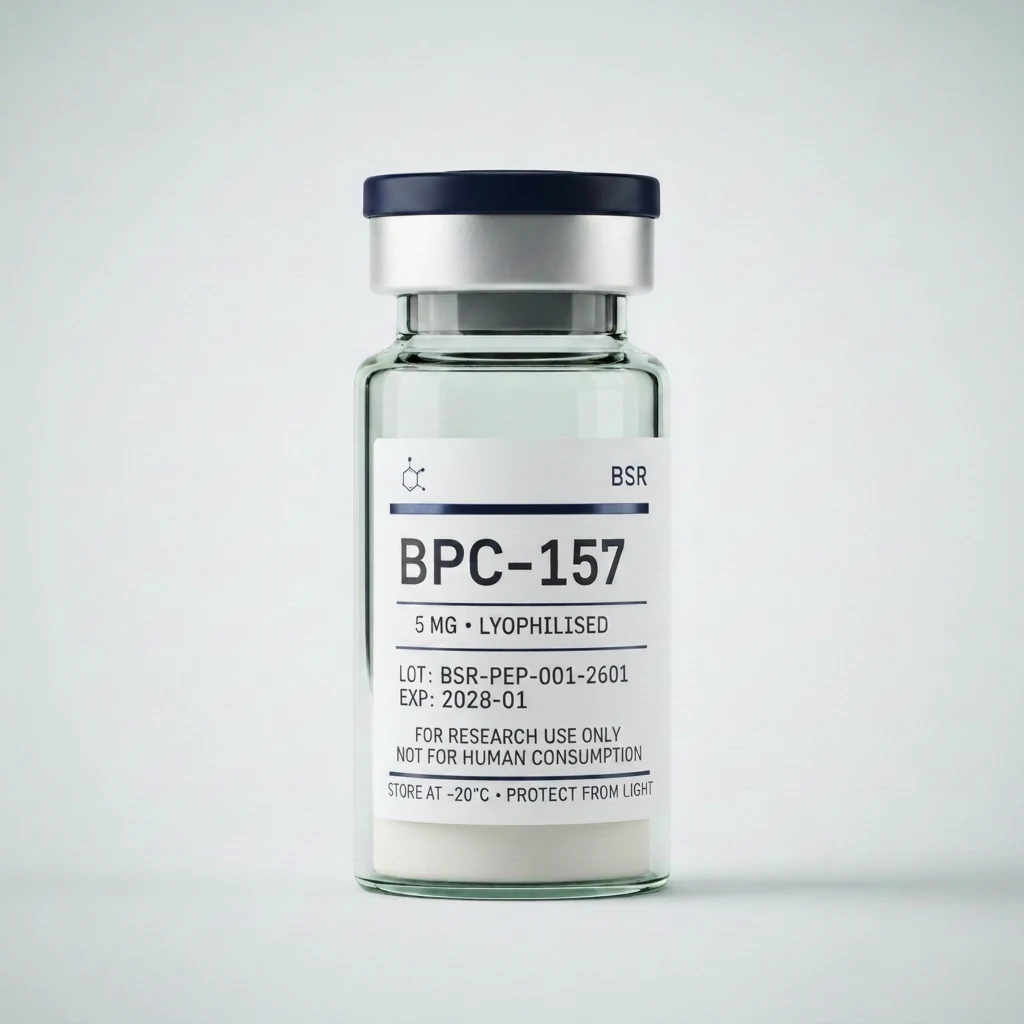
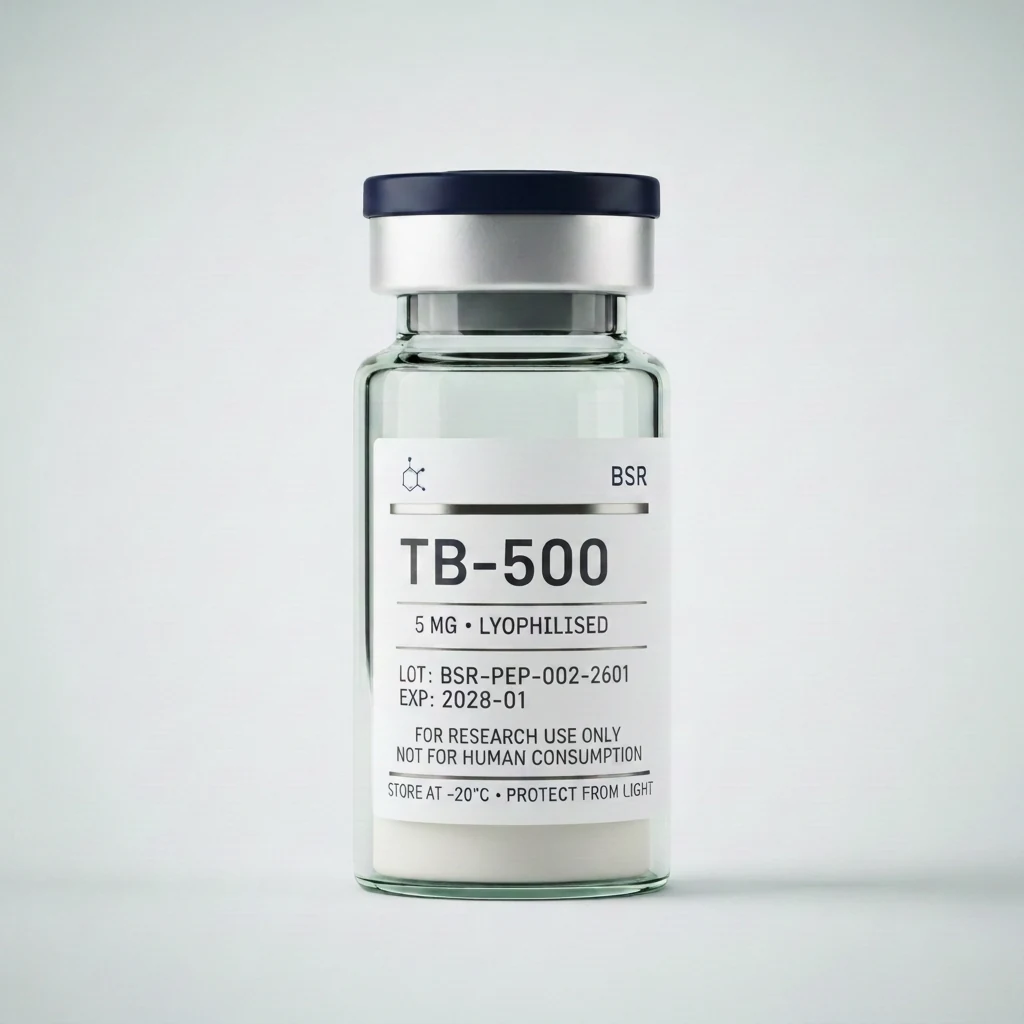
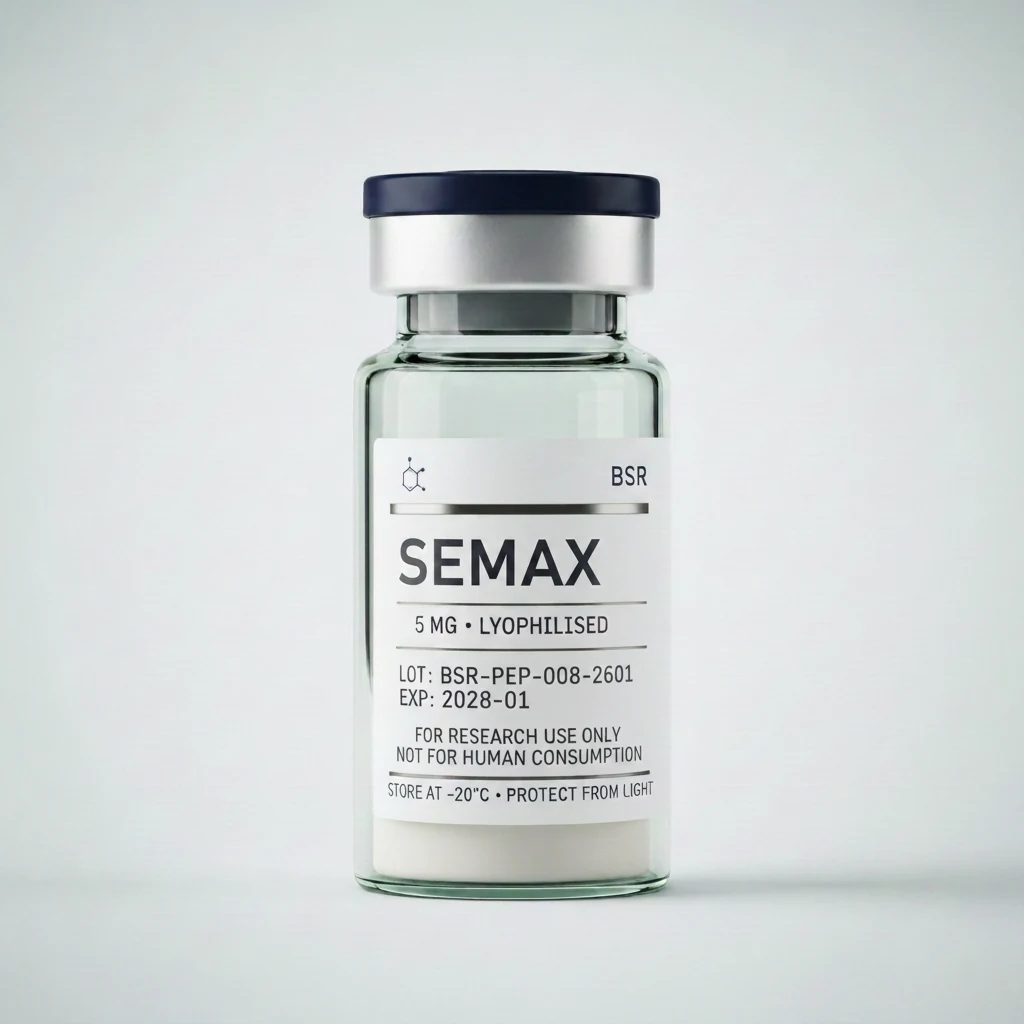
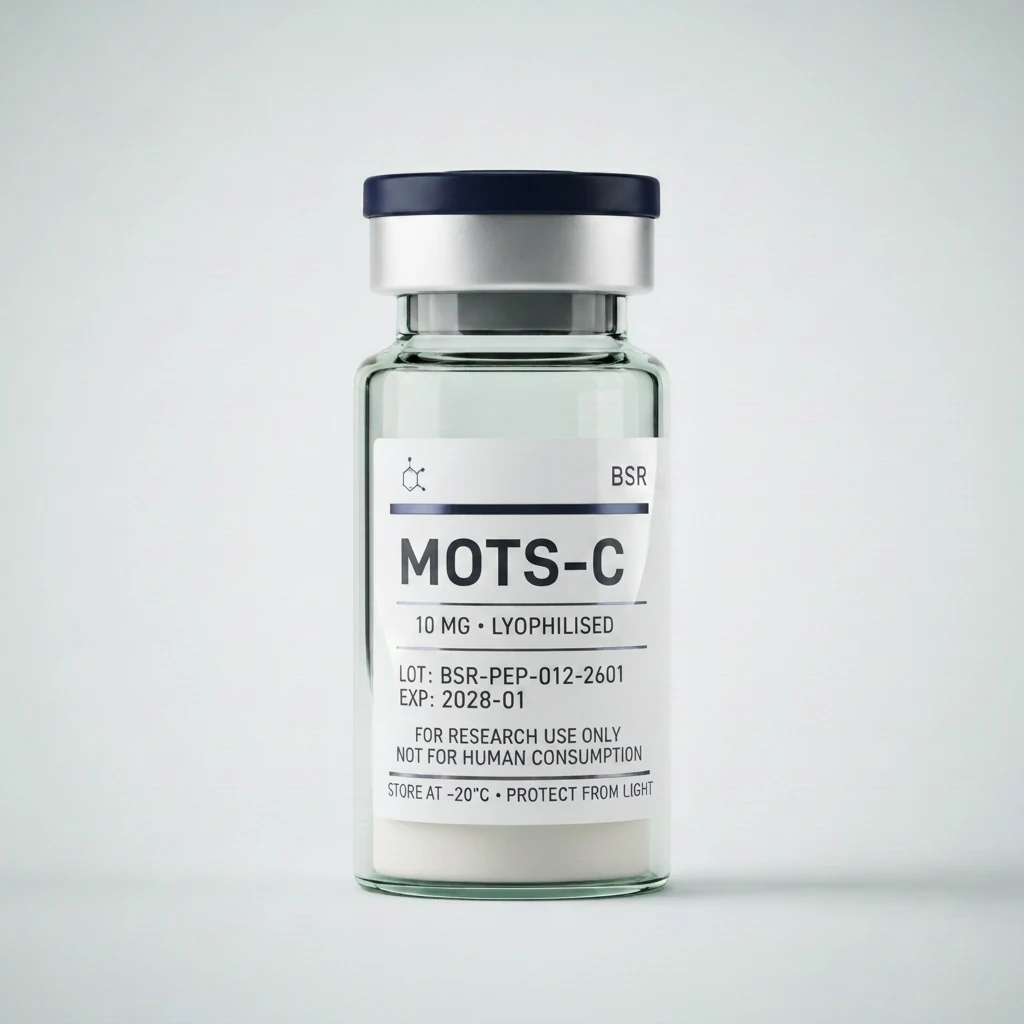
Critically, unlike BPC-157, TB-500, MOTS-c, KPV, Epitalon and Semax — which received favourable advisory votes at the July 2026 PCAC meeting — Tα1 was not part of the February 2026 reclassification group, nor was it reviewed at the July 2026 PCAC session. The FDA's Pharmacy Compounding Advisory Committee plans to review another group of peptides at its February 2027 meeting, but Tα1 has not been publicly confirmed as part of that agenda.
It is also worth noting that becoming eligible for compounding is not the same as FDA approval, and does not mean the FDA has determined that a peptide is safe and effective for its promoted uses. This distinction matters particularly for Tα1, whose international Zadaxin approval sometimes leads to conflation with US authorisation — the two are entirely separate regulatory determinations.
Regulatory status: United Kingdom
No current UK marketing authorisation was found for thymosin alfa-1, or for thymalfasin, in the MHRA Products register as of 31 August 2026. There is no licensed medicinal product equivalent to Zadaxin available through UK pharmacies.
In the UK, Tα1 is not a controlled substance under the Misuse of Drugs Act 1971. Its supply for legitimate laboratory research under appropriate "research use only" labelling is subject to the same general medicines regulation framework as other unlicensed peptide substances. UK researchers and procurement teams should verify their institution's internal governance requirements before acquiring the peptide, and should ensure suppliers provide full certificates of analysis, purity documentation (HPLC and mass spectrometry confirmation), and appropriate declarations of intended use.
Approved international position
Thymosin alpha-1 is approved internationally under the brand name Zadaxin in more than 35 countries, including China and Italy, primarily for chronic hepatitis B. In Italy, it is approved and marketed as Zadaxin for hepatitis and specific immune-compromised conditions; in much of the broader EU, no marketing authorisation exists. This geography of approval — concentrated in Asia and a handful of European states — reflects both the burden of hepatitis B in those markets and the fact that SciClone has not pursued an NDA submission with the FDA or a corresponding application with the MHRA or EMA. The US regulatory pathway has not included an NDA submission by the international manufacturer.
Procurement considerations for UK research laboratories
Research-grade Tα1 is commercially available from several established peptide API suppliers. Procurement teams should apply the same diligence framework applicable to any injectable-grade peptide:
- Purity specification. Request certificates of analysis showing HPLC purity of ≥98%, with mass spectrometry data confirming molecular weight consistent with the 28-amino-acid sequence (MW approximately 3,108 Da).
- Endotoxin testing. Given Tα1's subcutaneous administration route in clinical contexts, bacterial endotoxin testing data (LAL assay) from the supplier is material for any preclinical in vivo application.
- Storage and stability. Lyophilised thymalfasin is stable at −20°C; the reconstituted peptide should be used promptly and is not stable for extended periods once in solution.
- Supply chain provenance. The majority of Tα1 API is manufactured in China. Researchers should ensure their supplier can demonstrate GMP-compliant manufacturing documentation and that the synthesis process is consistent with the endogenous 28-amino-acid sequence, not a truncated or modified analogue.
Summary assessment
Thymosin alpha-1 occupies a genuinely distinct position in the peptide landscape. It is, by a meaningful margin, the most clinically validated peptide currently in common discussion for immune modulation, with decades of controlled trial data for its approved hepatitis B indication and an established safety record across those studies. That said, its regulatory position in the US and UK requires careful characterisation: the Zadaxin approvals abroad do not confer any equivalent status in either jurisdiction, the FDA has not approved it, and the MHRA holds no marketing authorisation on file. Research-procurement professionals should treat the international approval record as an indicator of clinical plausibility, not as regulatory clearance for UK or US clinical use.
The February 2026 FDA reclassification maintained Tα1 in Category 2 compounding access in the United States without expanding or resolving its regulatory ambiguity. Unless and until an NDA is submitted and reviewed by the FDA, or a marketing authorisation application is filed with the MHRA or EMA, Tα1 will remain outside formal approval in both jurisdictions.
Research-grade material, HPLC verified, certificate of analysis with every order.
The week's Intelligence in one email, every Friday morning.
Regulatory moves, trial readouts, supply-chain news. No product pitches. Unsubscribe in one click.
More in Research Pipeline
Peptide-Drug Conjugates Move Closer to the Clinic: TwoStep Therapeutics' FDA IND Clearance and the Emerging PDC Landscape
19 Sep 2026
BPC-157: The Gastric Pentadecapeptide With Three Decades of Animal Data, a 2026 MDPI Formulation Review, and No Completed Phase II Trial
14 Sep 2026
MOTS-c: The Mitochondria-Encoded Peptide With a 7-5 PCAC Vote, a Metabolic Evidence Base Built Largely in Rodents, and No Human Drug-Product Data on Record
13 Sep 2026