Regulatory & Policy · 18 May 2026
Twelve peptides off Category 2: what April's reclassification means before the July PCAC review
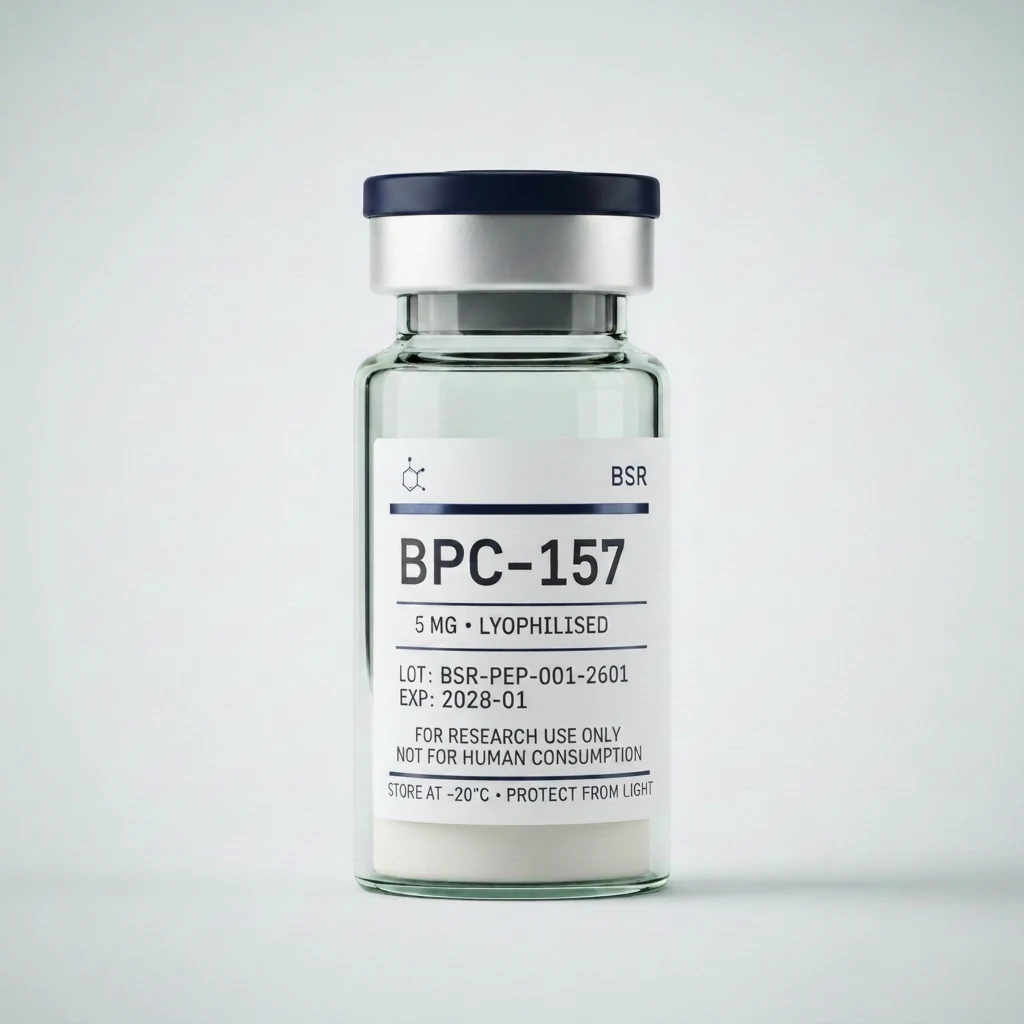
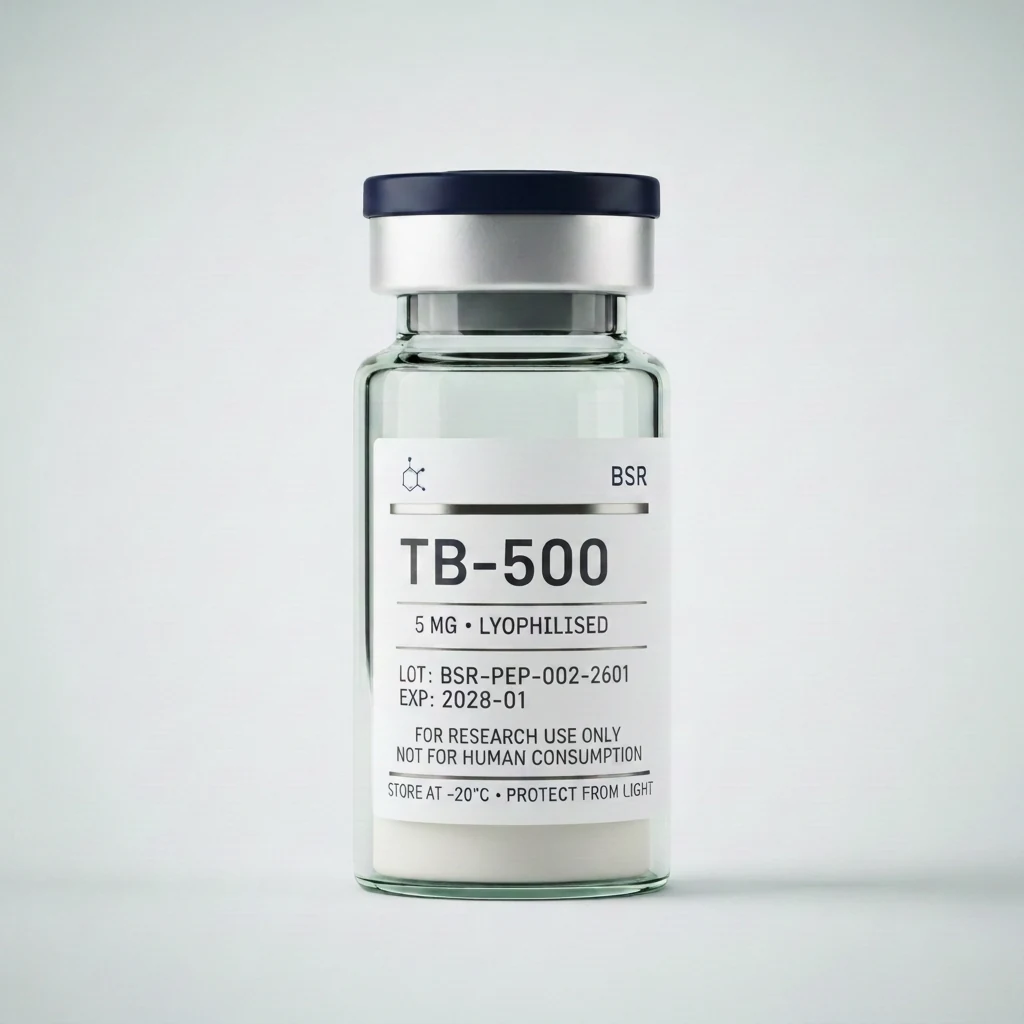
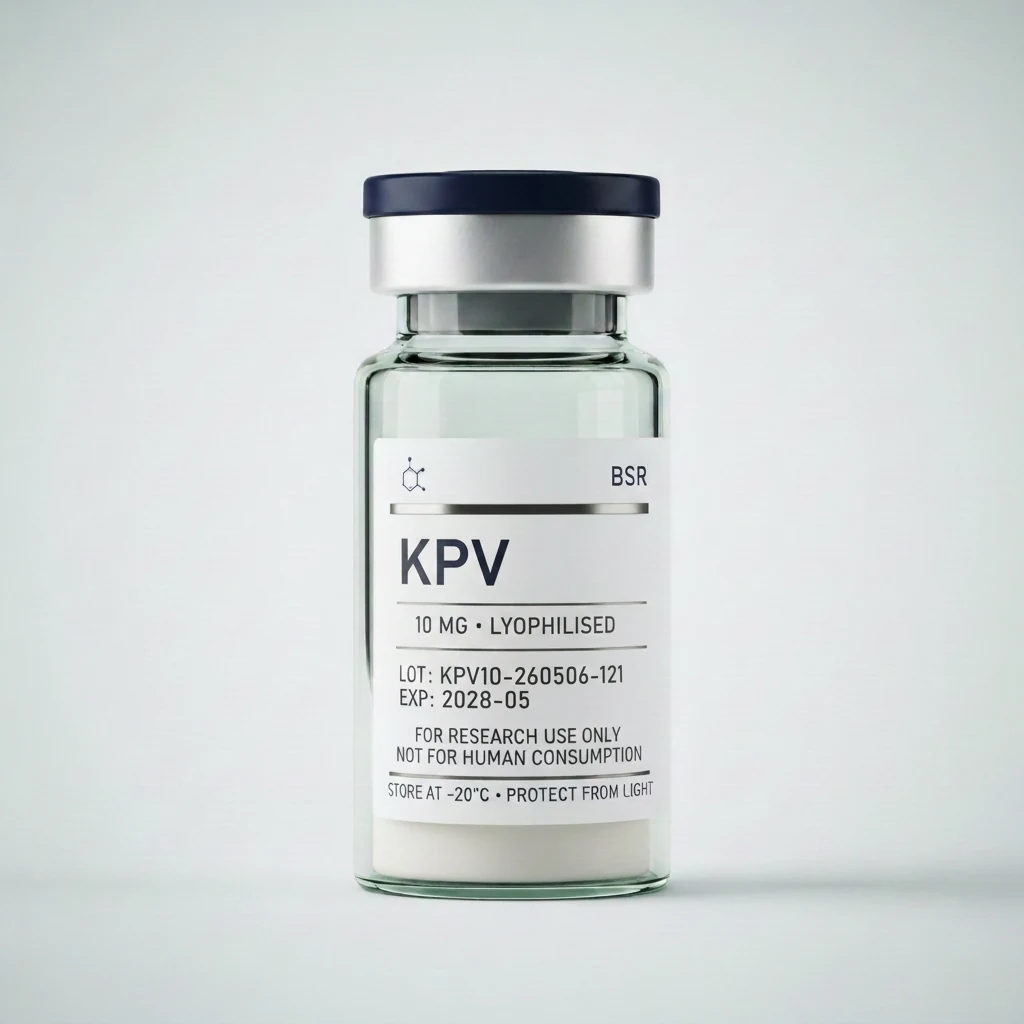
The FDA's removal of twelve peptide bulk drug substances from Category 2 in late April was procedural, not permissive. It clears a path for the Pharmacy Compounding Advisory Committee to review them at its 23-24 July meeting, but until then the affected peptides — including BPC-157, Epitalon, KPV and TB-500 — sit in a regulatory grey area that procurement teams need to understand.
3 sources cited
Key takeaways
- Twelve peptide bulk drug substances were removed from FDA Category 2 effective around 22 April 2026, after the original nominators withdrew their submissions.
- Removal does not authorise compounding. It only lifts the "significant safety risks" designation that previously underpinned FDA enforcement against compounders.
- The Pharmacy Compounding Advisory Committee (PCAC) will review whether to recommend any of these substances for the 503A bulk drug substances list at its 23-24 July 2026 meeting, with a further meeting scheduled before the end of February 2027.
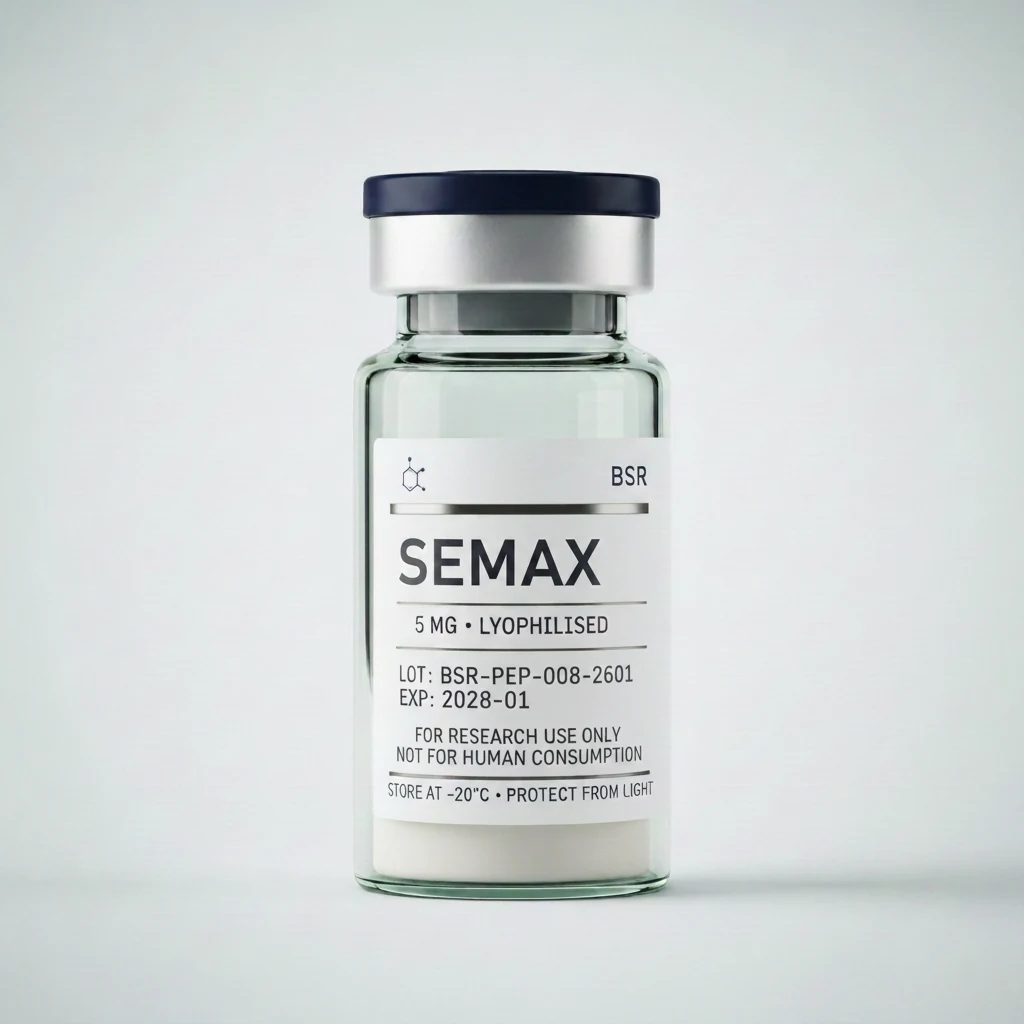
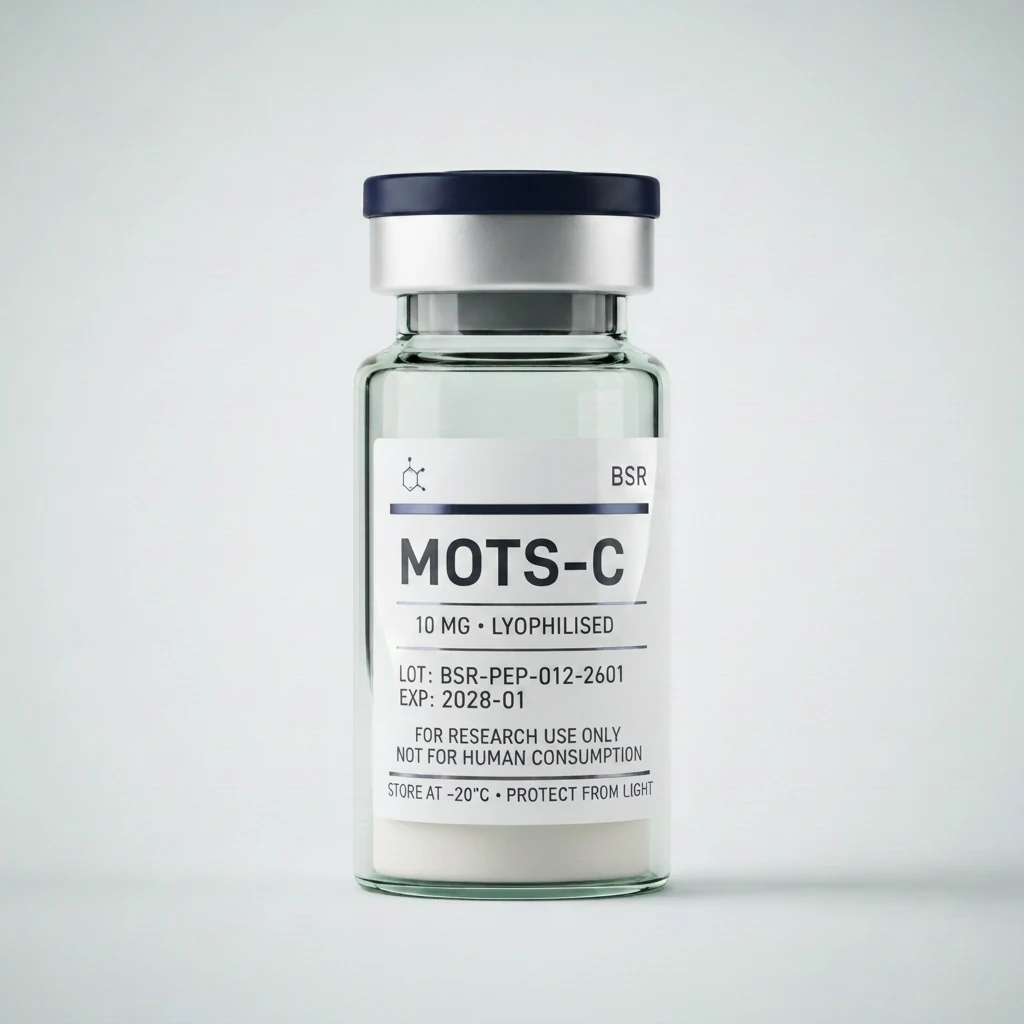
- Substances expected to be considered include BPC-157, KPV, MOTS-C, Epitalon, Semax (heptapeptide) and TB-500.
- Until PCAC review concludes and FDA acts, these peptides occupy what one law firm has called "a regulatory grey area" — neither prohibited nor approved for routine compounding.
The FDA's mid-April announcement and subsequent removal of twelve peptide bulk drug substances from Category 2 has been read in the trade press as a green light for the compounding sector. That reading is wrong, and procurement teams making purchasing decisions on the strength of it risk acquiring inventory ahead of a regulatory outcome that may not arrive until 2027.
What actually changed in April was procedural: a clear-out of inactive nominations. What happens in July is the real test.
What changed in April
The FDA published its updated Category 2 list — formally titled "Certain Bulk Drug Substances for Use in Compounding that May Present Significant Safety Risks" — and signalled the removal of twelve peptides whose nominators had withdrawn the original 503A bulks-list applications. Per analysis by Orrick, the removal took effect approximately seven days after the 15 April announcement.
The practical effect is narrow. Category 2 was the basis on which FDA could pursue enforcement against compounding pharmacies dispensing these substances. Without that designation, the previous enforcement footing is gone — but no positive authorisation has replaced it. The substances are not on the 503A bulks list (Category 1) and they have not been formally cleared for use in compounding.
What removal from Category 2 actually does — and does not do
This is the point most secondary coverage misses. According to Orrick's analysis, "removal from Category 2 does not, by itself, place these substances on the 503A bulks list or into Category 1." The affected peptides enter what the firm characterises as "a regulatory grey area until the PCAC meets and the FDA takes final action."
For a compounding pharmacy, this matters in two ways. First, enforcement risk is reduced, not eliminated — FDA retains other regulatory tools, and individual state boards of pharmacy continue to set their own rules. Second, any inventory acquired now carries the risk that PCAC may recommend against 503A listing for any given substance, leaving compounders holding stock they cannot lawfully dispense.
For research procurement, the change is more straightforward: research-use-only sales are not directly affected by the 503A framework, which governs compounding for human clinical use. But the regulatory signal matters for forecasting both demand and supply chain pressure on bulk peptide manufacturers.
What's on the table at the July PCAC meeting
The Pharmacy Compounding Advisory Committee will meet on 23-24 July 2026 to review evidence on the affected substances and recommend whether any should be added to the 503A bulks list. According to coverage by Frier Levitt, the substances expected to be reviewed include BPC-157, KPV, MOTS-C, Emideltide (DSIP), Epitalon, Semax (heptapeptide) and TB-500.
The comment process is open: written comments are due by 9 July 2026, with requests to present orally due by 30 June 2026. Procurement teams or supplier-side participants seeking to influence the outcome have a narrow window to file evidence on safety, manufacturing controls and clinical need.
A second PCAC meeting is scheduled before the end of February 2027, providing a second pass on any substances not resolved in July.
What it means for research procurement
For laboratories sourcing these peptides under research-use-only terms, the immediate practical implications are limited. UK MHRA enforcement on import of research peptides has been steady through 2025 and into 2026, and the FDA's actions do not change UK customs treatment.
However, supply chain pricing is likely to soften as compounding-adjacent demand recalibrates around the July outcome. Suppliers running large Chinese manufacturing relationships have already begun to signal capacity availability through trade-press channels, anticipating that at least some PCAC recommendations will be favourable.
Laboratories planning extended studies through Q3 and Q4 should consider that procurement timelines may shorten and that purity documentation requirements from suppliers should be reviewed before bulk commits.
What to watch
The July PCAC meeting will be the most consequential regulatory event for the peptide research and compounding sector in 2026. Three signals will matter most:
- Recommended additions to the 503A bulks list — any peptide receiving a positive PCAC recommendation gains an authoritative basis for compounding consideration, though final FDA action remains discretionary.
- Dissenting evidence presented during the comment period — particularly on immunogenicity, sterility validation and clinical data quality.
- State pharmacy board responses following any PCAC recommendation, which historically have varied in their alignment with federal positions.
We will cover the PCAC outcomes in detail as they emerge from the July meeting.
Research-grade material, HPLC verified, certificate of analysis with every order.
The week's Intelligence in one email, every Friday morning.
Regulatory moves, trial readouts, supply-chain news. No product pitches. Unsubscribe in one click.
More in Regulatory & Policy
One Amino Acid, Three High Stakes: What the Seventh Circuit's Pending Retatrutide Ruling Means for Exclusivity, Medicare Pricing, and Compounding Access
12 Oct 2026
FDA Career Scientists Formally Oppose Administration's Interim Peptide Dispensing Plan — and What the Internal Split Means for Research Procurement
11 Oct 2026
HHS Stopgap Plan for Restricted Peptides: What the Reported Enforcement-Discretion Proposal Means for Research Procurement
09 Oct 2026