Research Pipeline · 09 Jul 2026
CJC-1295 and Ipamorelin: The Dual-Pathway GH Secretagogue Stack With a Decade of Preclinical Evidence and an Unresolved Regulatory Position
CJC-1295 and ipamorelin are among the most studied growth-hormone secretagogue peptides available for research procurement, each targeting a distinct receptor pathway. This briefing examines the pharmacology, available clinical evidence, US compounding status, MHRA position, and WADA classification that procurement teams need to understand before acquiring either compound.
11 sources cited
Key takeaways
- CJC-1295 is a growth hormone–releasing hormone (GHRH) analogue; ipamorelin is a selective ghrelin-receptor agonist. The two peptides stimulate GH release via mechanistically independent pathways, making the combination a synergistic research stack.
- Neither compound holds FDA approval or MHRA marketing authorisation for any clinical indication. In the US, both are available through 503A compounding pharmacies under physician prescription; they have not been placed on the FDA's 503B bulks list and are not among the seven peptides currently scheduled for PCAC review in July 2026.
- In the United Kingdom, the MHRA has not authorised either peptide and the "research chemical" label does not confer legal supply status for human-use purposes.
- Both CJC-1295 and ipamorelin appear on the WADA Prohibited List under Section S2 (Peptide Hormones, Growth Factors, Related Substances, and Mimetics) and are detectable in sport doping controls.
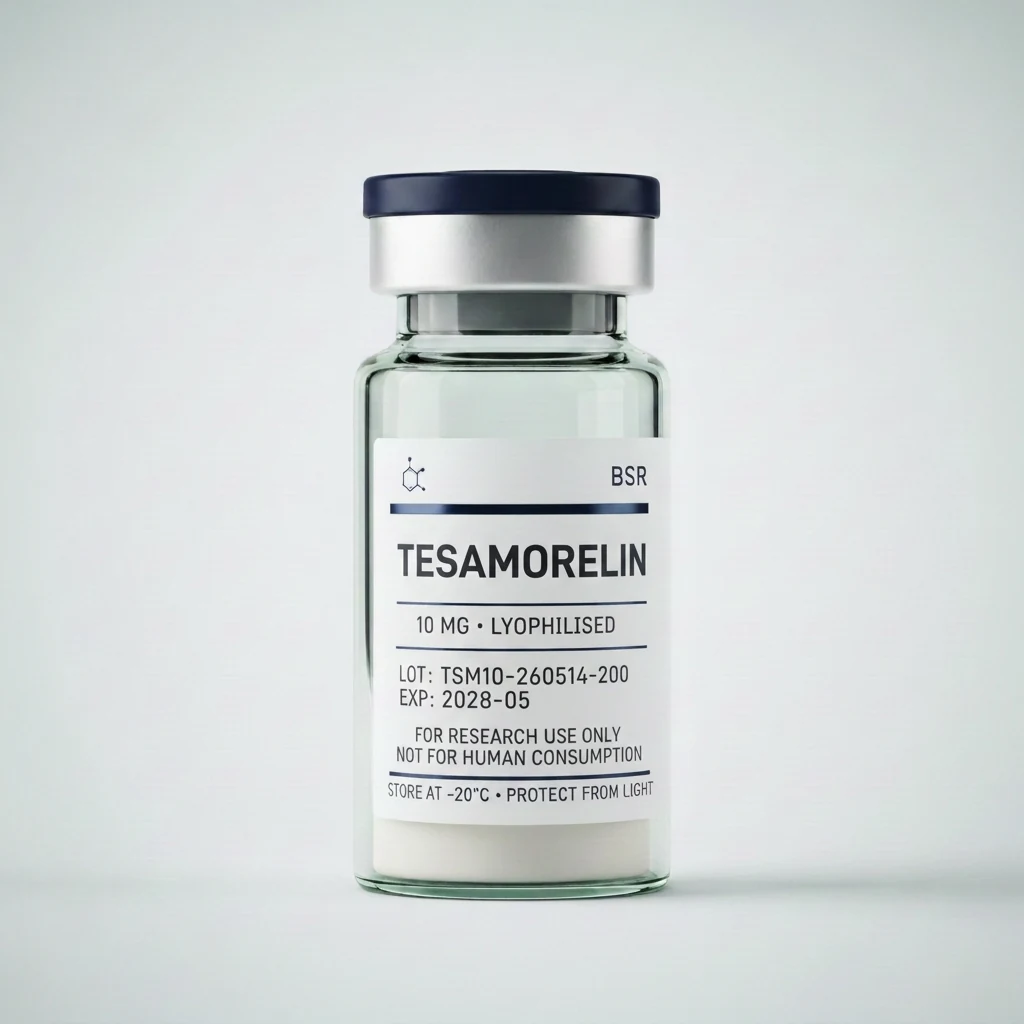
- Tesamorelin (Egrifta) remains the only FDA-approved GHRH analogue, providing a regulatory reference point for this peptide class.
What the peptides are and why they are paired
CJC-1295 and ipamorelin are among the most frequently procured peptides in the growth-hormone secretagogue research category, yet their mechanisms are fundamentally different — which is precisely the rationale for studying them together.
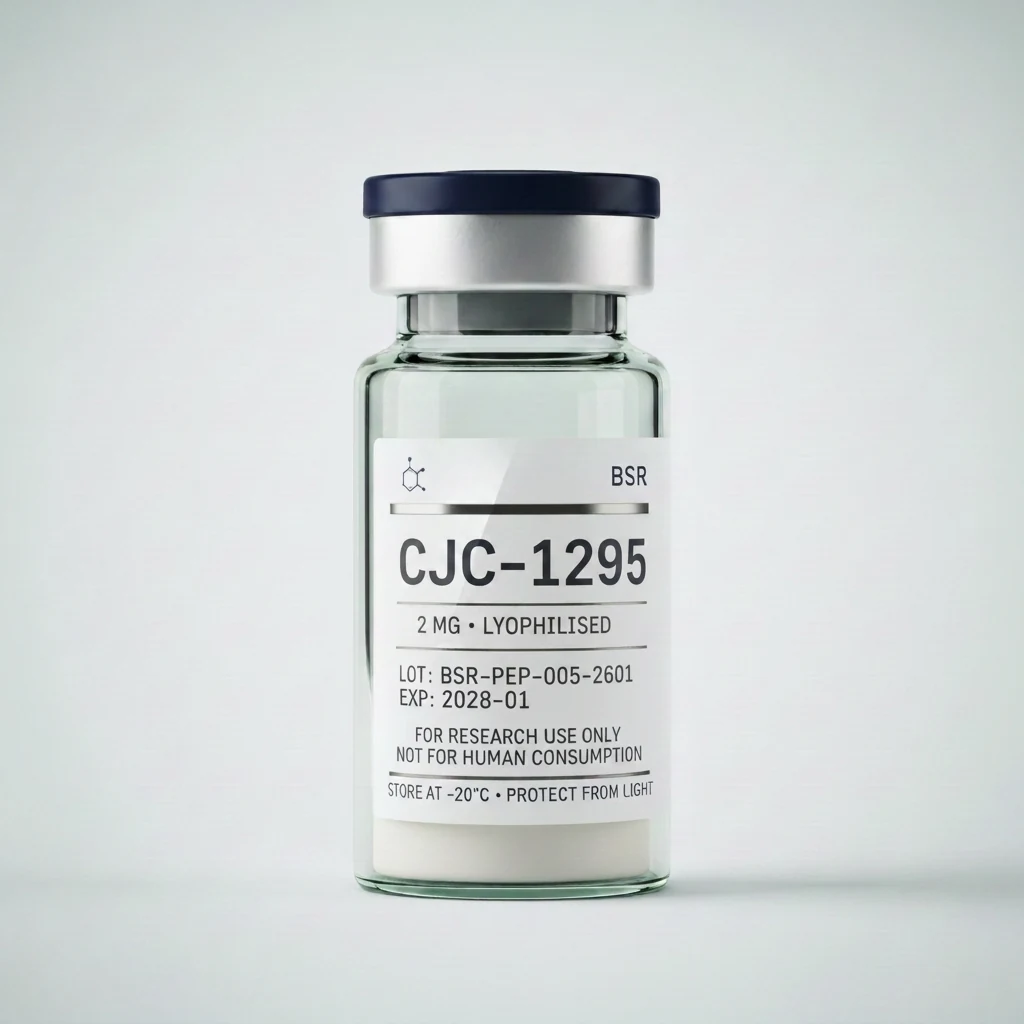
CJC-1295 is a GHRH analogue that binds the pituitary GHRH receptor (GHRHR), increasing cyclic AMP signalling and triggering GH synthesis and secretion. It is available in two pharmacokinetic forms: a "no-DAC" version (modified GRF 1-29) with a half-life of approximately 30 minutes, and a "with-DAC" version incorporating a drug affinity complex that extends the half-life to roughly eight days. The no-DAC version produces a more acute GH peak that researchers can time to specific physiological windows — typically pre-sleep, when natural GH secretion is highest.
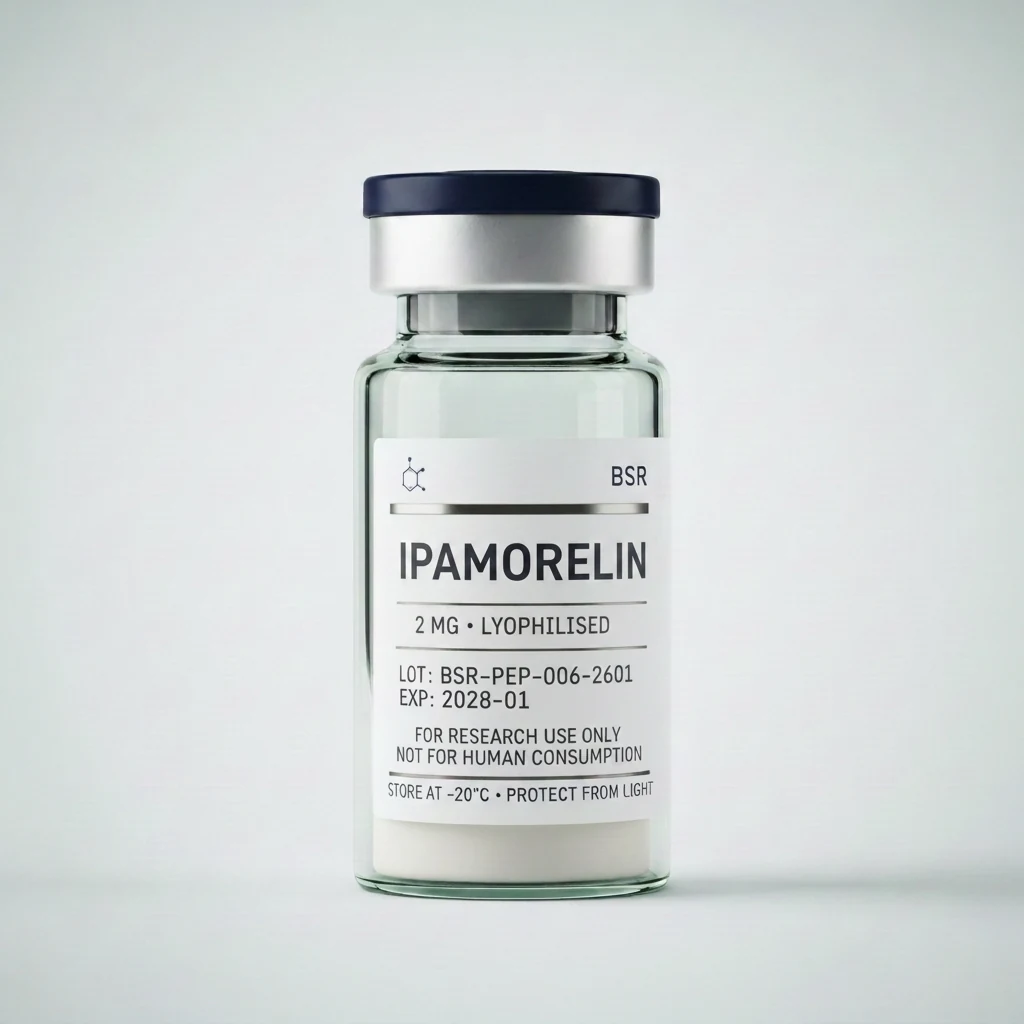
Ipamorelin (NNC 26-0161) is a pentapeptide growth hormone secretagogue receptor (GHSR) agonist originally developed by Novo Nordisk in the late 1990s. It acts as a selective agonist at the ghrelin receptor (GHS-R1a), the same receptor through which acylated ghrelin stimulates GH release from pituitary somatotrophs. What distinguishes ipamorelin from earlier GHS-R agonists such as GHRP-2 and GHRP-6 is its receptor selectivity: older compounds triggered meaningful cortisol and prolactin release alongside GH, complicating longer-term research protocols.
When combined, CJC-1295 and ipamorelin produce synergistic GH pulse amplitude because their signalling pathways converge on somatotroph cyclic AMP and calcium via independent receptors. A landmark mechanistic study found that co-administration of a GHRH analogue with a GHRP-class peptide produced GH release six to ten times greater than either peptide administered alone at matched doses, an effect attributed to simultaneous receptor activation creating additive intracellular cAMP signalling plus synergistic amplification of somatotroph sensitivity. This synergy is the mechanistic foundation underpinning the stack's prominence as a research-grade combination.
State of the clinical and preclinical evidence
The human evidence base for CJC-1295 is limited but includes credible pharmacokinetic data. A published clinical study (Walker et al., 2006, Journal of Clinical Endocrinology and Metabolism) found that CJC-1295 with DAC produced sustained, dose-dependent increases in plasma GH and IGF-1 lasting several days from a single injection, with mean IGF-1 levels rising 1.5- to 3-fold above baseline in healthy adults. That study established proof of pharmacological activity in humans but did not examine therapeutic outcomes.
For ipamorelin, the human evidence is similarly pharmacokinetic rather than outcomes-focused. Scientific research suggests that combined GH secretagogue actions may be relevant to outcomes including growth hormone deficiency, body composition, and recovery physiology, with two human trials — one in 2006, the other in 2013 — evaluating components of this compound class in adult populations. Neither CJC-1295 nor ipamorelin has completed a Phase 3 programme.
Ipamorelin's selectivity profile — minimal cortisol and prolactin release, no significant appetite stimulation, no binding of GHS-R splice variants mediating cardiovascular ghrelin effects — makes it particularly suitable for clean preclinical experimental designs where GH-axis effects need to be isolated. For UK laboratory research into GH pulse biology, IGF-1 induction, or somatotroph receptor pharmacology, this pairing is described in UK research literature as the reference combination.
The absence of Phase 3 data is a material limitation. Neither compound has an established safety profile across the dose ranges, treatment durations, or patient populations relevant to any proposed clinical use. Immunogenicity assessment — a recurrent concern raised by the FDA in its July 2026 PCAC briefing documents for other injectable peptides — has not been formally conducted for either compound. This gap is particularly relevant given both are administered parenterally in most research protocols.
FDA regulatory status: compounding, not approval
Neither CJC-1295 nor ipamorelin are FDA-approved drugs for human therapeutic use. Tesamorelin (brand name Egrifta) is the only FDA-approved GHRH analogue, approved in November 2010 for reducing excess abdominal fat in HIV-infected patients with lipodystrophy, and it provides the sole regulatory benchmark for the class.
CJC-1295 is not on the FDA's Difficult to Compound list and has not been formally nominated for the 503B bulks list as of mid-2026. The practical consequence is that outsourcing facilities compound it under general 503B provisions rather than a specific FDA category determination. US clinicians can prescribe CJC-1295 from compounding pharmacies, but patients receive no FDA-reviewed package insert, no Risk Evaluation and Mitigation Strategy (REMS) programme, and no formal post-market surveillance through the FDA Sentinel system.
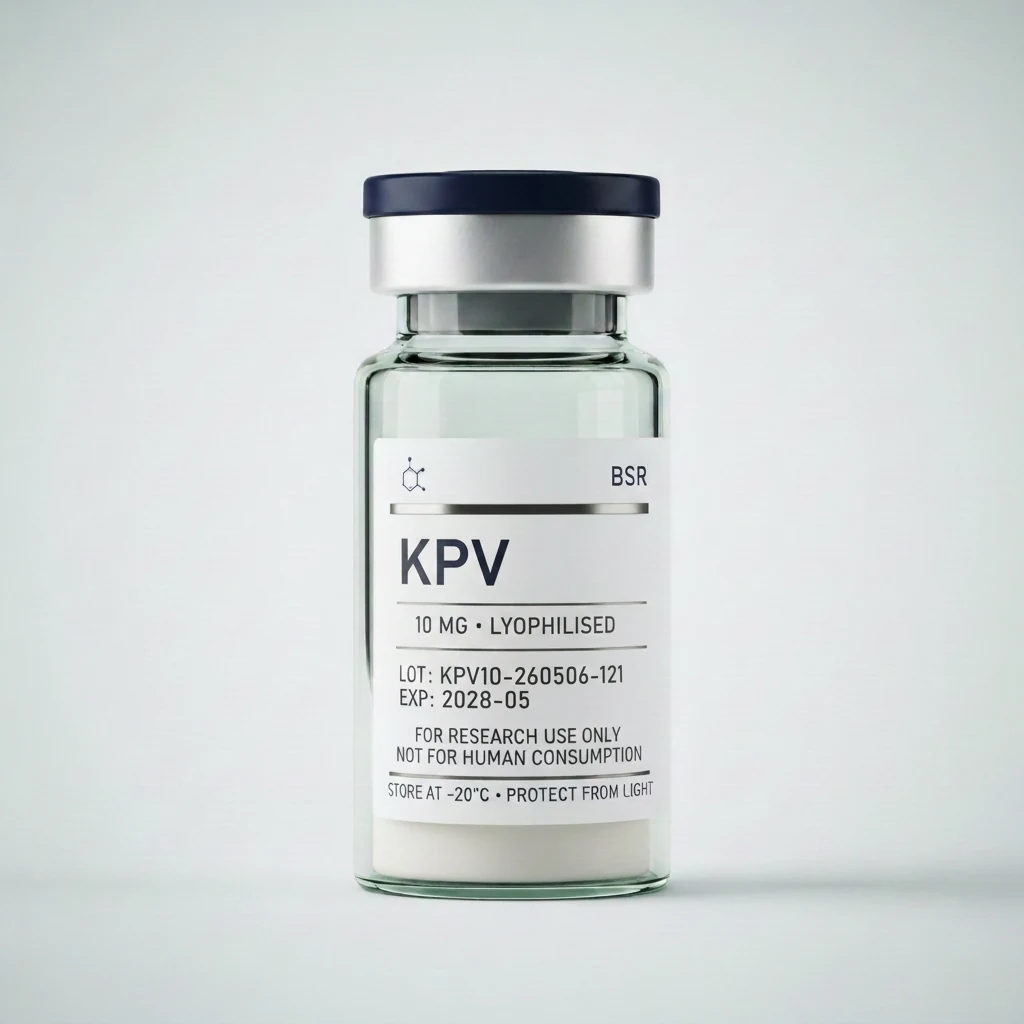
Critically, neither CJC-1295 nor ipamorelin is among the seven peptides (BPC-157, KPV, TB-500, MOTS-c, Emideltide, Epitalon, Semax) scheduled for PCAC review on 23–24 July 2026. The FDA also announced that a second PCAC meeting will convene before February 2027 to review five additional peptides, including GHK-Cu and Melanotan II. CJC-1295 and ipamorelin are not on that agenda either, meaning no formal FDA review of their compounding suitability is publicly scheduled at this time.
For procurement teams supplying US-facing research operations, the compounding pathway remains accessible but informal. Compounded medications are prescribed by licensed providers and prepared by pharmacies that operate under federal and state law, but the regulatory pathway is different from commercial drug approval.
MHRA and UK regulatory position
The UK position is more restrictive in practice. CJC-1295 is a synthetic GHRH analogue that stimulates pituitary growth hormone release; it is not licensed by the MHRA for any clinical indication. Ipamorelin likewise has no MHRA authorisation for any indication, in any patient group.
"Research chemical — not for human use" labelling that often appears on online stores does not make supply legal under the Human Medicines Regulations 2012. Supply of unlicensed medicinal products for human administration remains an offence under those Regulations regardless of how the product is labelled, and the MHRA has repeatedly cautioned the public against purchasing performance-enhancing substances from unregulated online sources, noting that such products may contain harmful impurities, incorrect active ingredients, or inaccurate dosing information. The NHS does not prescribe or endorse either compound.
For UK academic and institutional laboratory research using these peptides strictly in vitro or in animal models under appropriate licences, the procurement route is through research-use-only (RUO) suppliers operating under explicit "not for human use" frameworks. Procurement professionals should verify supplier accreditation, certificate of analysis (CoA) provision, and cold-chain compliance before purchase.
WADA prohibition: relevance for research supply chains
Both peptides carry a significant anti-doping classification that procurement teams in institutions linked to sport science should document carefully. As of the 2026 WADA Prohibited List, all growth hormone-releasing factors — including GHRH analogues and GH secretagogues — are classified as prohibited substances in competition under Section S2 (Peptide Hormones, Growth Factors, Related Substances, and Mimetics). This prohibition applies to CJC-1295 and ipamorelin specifically, and a 2021 review in Drug Testing and Analysis confirmed that GHRH analogues including CJC-1295 are detectable in sport doping controls.
Laboratories supplying samples derived from CJC-1295 or ipamorelin research to sport-science collaborators, or procuring these peptides for institutions with anti-doping obligations, should maintain clear chain-of-custody documentation and ensure that institutional ethics frameworks address the WADA dimension.
Procurement considerations for UK research laboratories
Research-procurement professionals sourcing either compound should assess the following before purchase:
Purity verification. Third-party HPLC analysis to at least ≥98% purity is the minimum standard for research-grade peptides. Mass spectrometry confirmation of molecular identity (expected molecular weight: CJC-1295 no-DAC approximately 3,368 Da; ipamorelin approximately 712 Da) provides additional assurance.
Certificate of Analysis. Request lot-specific CoA showing HPLC purity, amino acid composition, residual solvent data, and sterility confirmation. Reject suppliers who cannot provide lot-specific documentation.
Storage and stability. Both peptides are lyophilised powders that should be stored at −20°C; reconstituted solutions require refrigeration (2–8°C) and should be used within the period specified in the CoA, typically 30–90 days depending on formulation.
Cold chain. Confirm that the supplier's dispatch and transit arrangements maintain an unbroken cold chain to avoid degradation before receipt.
RUO labelling compliance. Under UK and EU frameworks, research-use-only peptides must be explicitly labelled as not for human use. Procurement from suppliers whose labelling or marketing implies clinical application introduces regulatory and reputational risk for the purchasing institution.
Research-grade material, HPLC verified, certificate of analysis with every order.
The week's Intelligence in one email, every Friday morning.
Regulatory moves, trial readouts, supply-chain news. No product pitches. Unsubscribe in one click.
More in Research Pipeline
Thymosin Alpha-1: What 35 Countries of Clinical Use and a Lopsided PCAC Vote Mean for Research Access in 2026
07 Oct 2026
Viking Therapeutics Initiates Oral Maintenance Dosing Study for VK2735: What the GLP-1/GIP Dual Agonist's Two-Part Programme Tells Researchers About the Weight-Regain Problem
06 Oct 2026
GHK-Cu: What a Fresh Diabetic Wound Study and a Recruiting Phase 2 Trial Mean for the Copper Peptide's Research Standing
03 Oct 2026