Research Pipeline · 13 Aug 2026
Epitalon: Mechanism, Evidence Base, and Regulatory Position After the July 2026 PCAC Vote
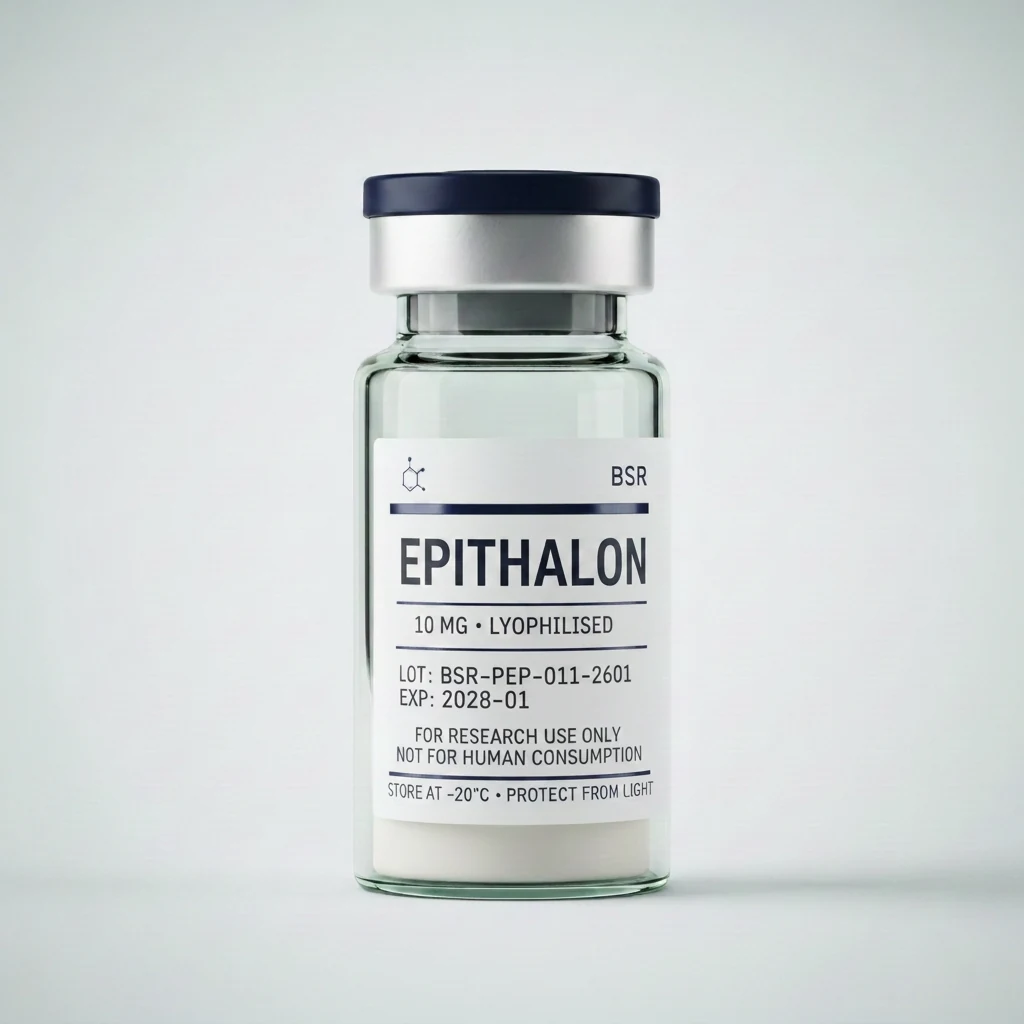
Epitalon is a synthetic tetrapeptide developed over four decades of Russian research and centred on proposed telomerase activation and pineal-gland regulation. Following the PCAC's 7-to-4 vote in its favour on 24 July 2026, it now sits closer to legitimate US compounding than at any previous point — though formal 503A listing remains months of rulemaking away. This profile examines what the evidence actually shows and what the regulatory path forward means for UK research procurement.
11 sources cited
Key takeaways
- Epitalon is a four-amino-acid synthetic peptide (Ala-Glu-Asp-Gly) derived from the pineal-gland extract epithalamin, studied principally by Vladimir Khavinson's group in St Petersburg since the 1980s.
- Its proposed mechanism centres on telomerase activation and pineal-gland regulation of the circadian axis; both strands are better characterised in animal and in vitro models than in independently replicated human trials.
- On 24 July 2026, the FDA's Pharmacy Compounding Advisory Committee (PCAC) recommended Epitalon for inclusion on the Section 503A Bulk Drug Substances list by a 7-to-4 vote — overruling the agency's own scientists who had recommended against it.
- The vote is advisory only; formal 503A listing requires notice-and-comment rulemaking that analysts estimate will take a further eight to twelve months.
- Epitalon is unapproved in both the United States and the United Kingdom and is not listed by the MHRA as an authorised medicinal product; it remains a research-use-only compound in both jurisdictions.
- Quality-control risk is material: without regulatory manufacturing oversight, purity and concentration vary substantially across suppliers.
What Epitalon is and how it was developed
Epitalon (also written Epithalon) is a synthetic tetrapeptide comprising the sequence Ala-Glu-Asp-Gly. It was developed in the 1980s by Vladimir Khavinson and colleagues at the St Petersburg Institute of Bioregulation and Gerontology, who designed it as a chemically defined analogue of epithalamin — a crude polypeptide extract isolated from bovine pineal glands. The rationale was to reproduce the gland's endocrine regulatory properties in a structurally defined, manufacturable molecule.
Unlike most peptides that have entered the longevity and wellness market on the back of brief preclinical datasets, Epitalon has a research programme spanning more than four decades, encompassing animal studies, in vitro telomere work, and long-running human observational studies — almost all conducted or co-authored by the originating group.
Proposed mechanism: telomerase and the pineal axis
The compound's claimed biology divides into two related strands.
Telomerase activation. Telomere shortening is a recognised hallmark of cellular ageing. Research has reported that Epitalon activates telomerase, the enzyme that maintains the protective caps on chromosomes; if that activation is durable and tissue-relevant, it would theoretically slow one contributor to replicative senescence. This mechanism is better characterised in research models than in independently replicated human studies, and the telomerase findings have not been broadly confirmed in Western clinical trials.
Pineal-gland and circadian regulation. The pineal gland produces melatonin, the primary hormonal signal governing sleep-wake cycles. Epitalon is thought to support the pineal gland's regulation of melatonin and circadian rhythm, which is the mechanistic basis for its investigated use in insomnia — the specific indication under which it was presented to the PCAC in July 2026. Some users report improved sleep quality, easier sleep onset, and better circadian rhythm regulation, but controlled human trials evaluating these effects are lacking.
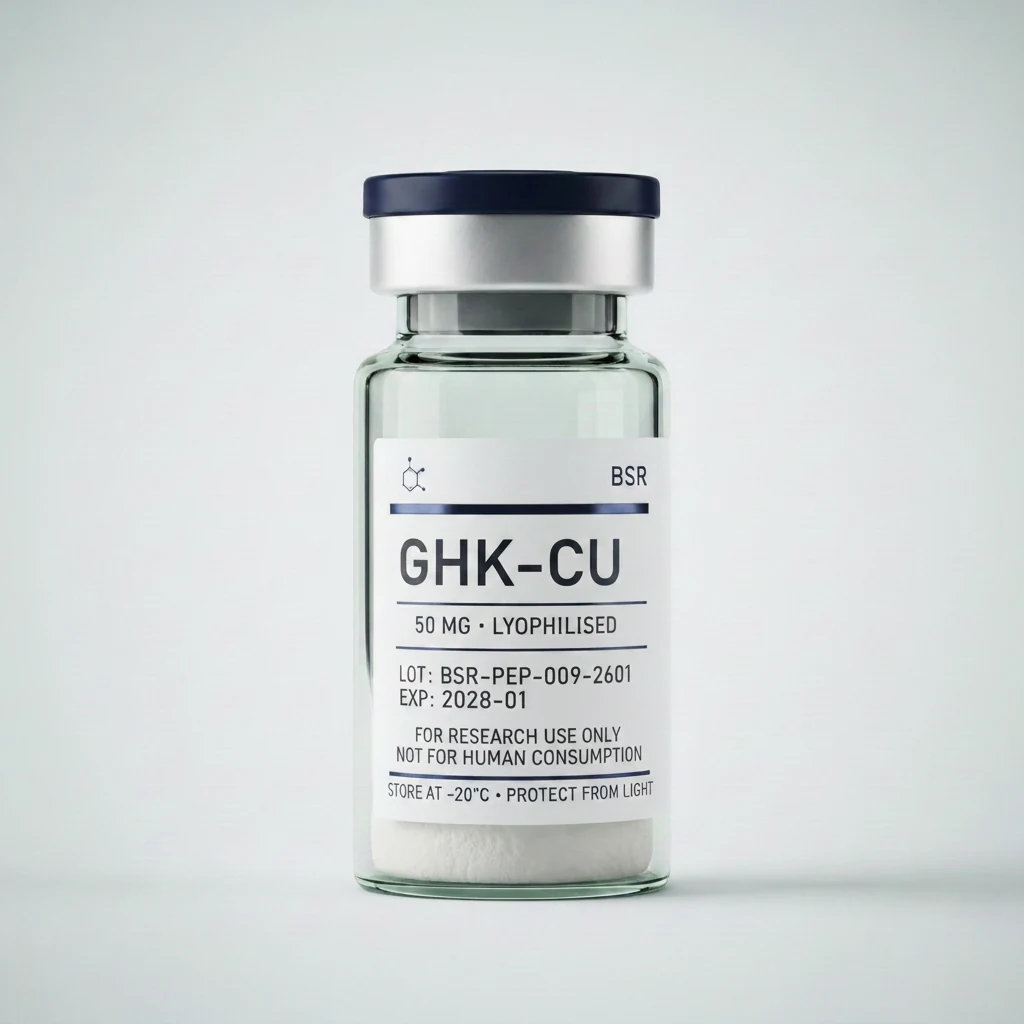
A 2026 narrative review published in Frontiers in Aging covering therapeutic peptides in gerontology included Epitalon in its systematic search of PubMed and Scopus, characterising the peptide category as targeting fundamental hallmarks of ageing including telomere attrition, metabolic dysfunction, and hormonal decline. The review searched literature through January 2026 and contextualised Epitalon alongside GHK-Cu, BPC-157, and other compounds under active research scrutiny.
State of the clinical evidence
The evidentiary picture is genuinely uneven, and procurement teams should approach vendor claims with corresponding scepticism.
As of 2026, no large-scale, peer-reviewed, double-blind human clinical trials on Epitalon have been completed or published. Most available research consists of animal model studies and in vitro experiments, the majority conducted by the same research group that originally developed the compound. Independent replication in human populations remains essentially absent from the scientific literature.
The Khavinson group has published long-term human data — observational studies tracking biomarkers of ageing, telomere length, and mortality rates in elderly cohorts. Those studies have generated meaningful hypotheses, but the longevity claims are particularly speculative, and claims that Epitalon has been proven to extend human lifespan, reverse ageing, or safely rejuvenate telomeres are stronger than the data justify. The scientific community's position is that interest in the compound has elevated it from fringe curiosity to a serious candidate in the longevity toolkit, but it still occupies a grey zone: scientifically fascinating, clinically provocative, but not yet fully understood.
For research procurement, this matters practically: a compound with a thin independent evidence base and no regulatory manufacturing oversight is a compound where quality-control claims by suppliers should be scrutinised with particular rigour.
The July 2026 PCAC vote: what happened and what it means
Epitalon was one of seven peptides reviewed at the FDA's Pharmacy Compounding Advisory Committee meeting on 23–24 July 2026, convened to consider nominations for the Section 503A Bulk Drug Substances list. The specific indication under review was insomnia, reflecting the pineal-regulation strand of the compound's proposed biology.
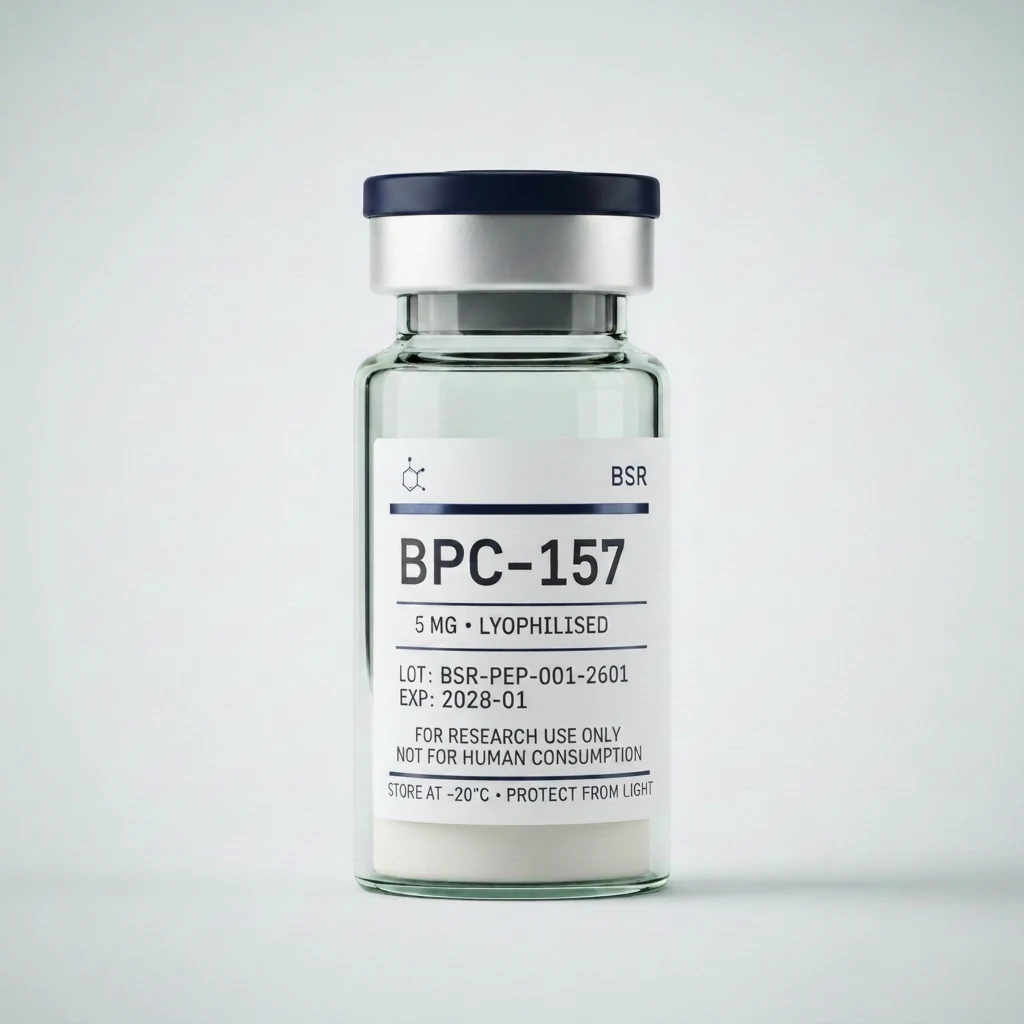
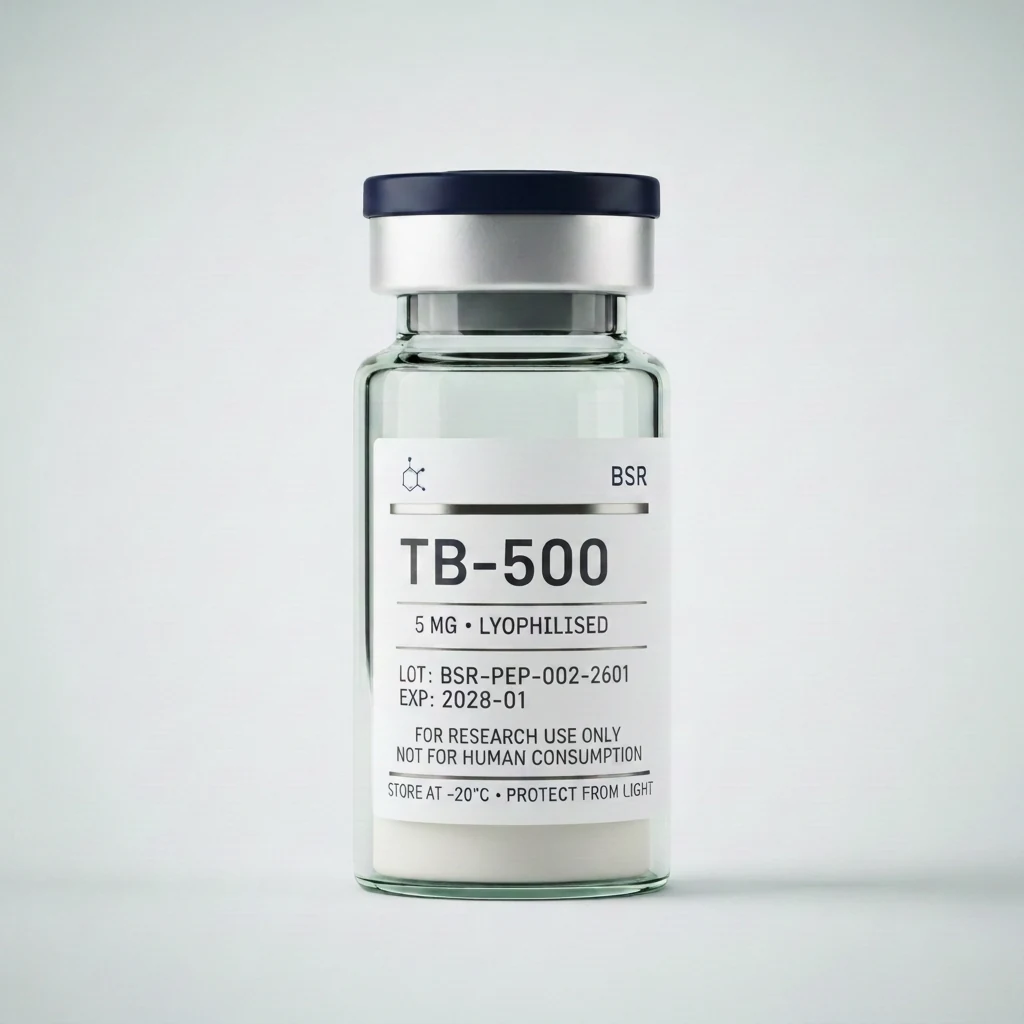
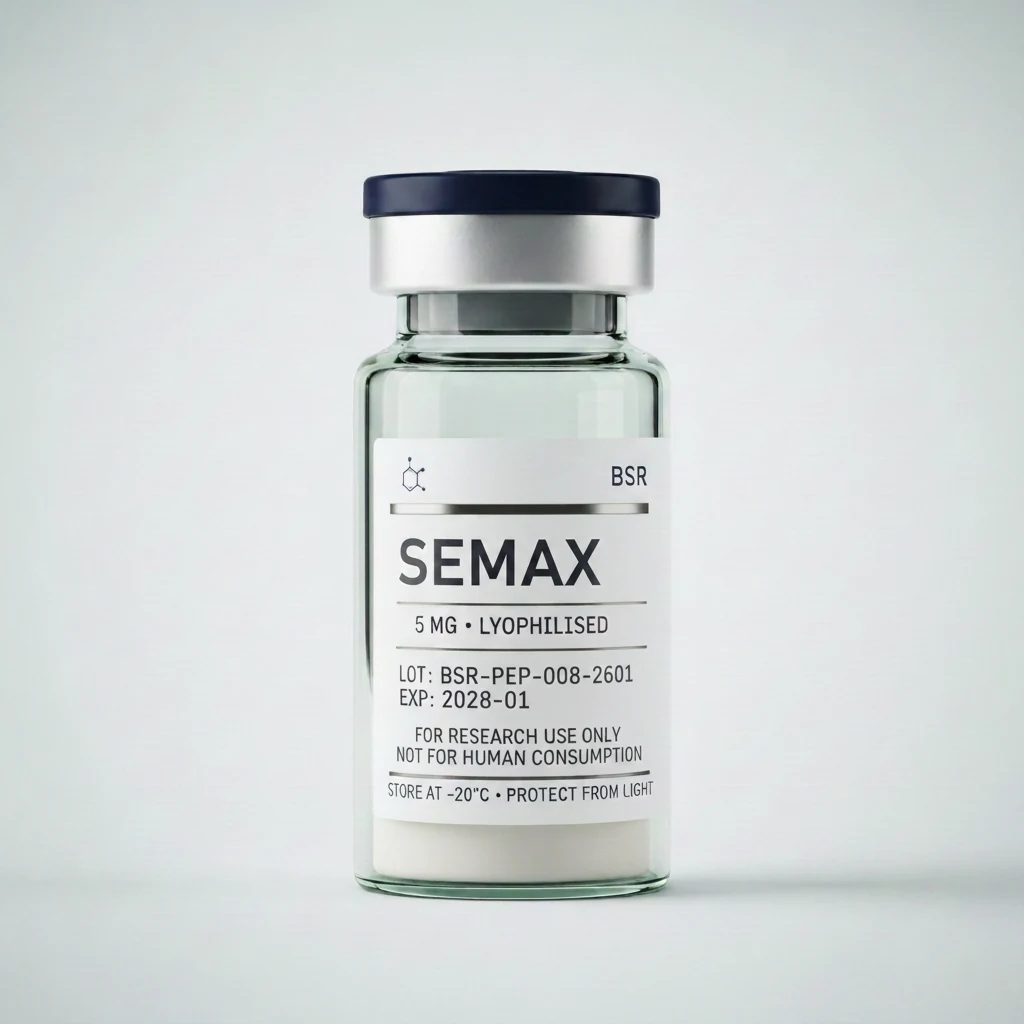
On Day 2 of the meeting, 24 July 2026, the PCAC voted in favour of Epitalon by 7 votes to 4 with one abstention, and separately voted in favour of Semax. Emideltide (DSIP) was the only compound the committee declined to recommend, by a narrow 6-to-7 margin. In total, PCAC voted to recommend six of the seven nominated peptides — BPC-157, KPV, TB-500, MOTS-c, Epitalon, and Semax — for the 503A affirmative list, overruling FDA career scientists who had recommended against all seven.
Several procedural points are material to how that vote should be interpreted by procurement professionals.
The vote is advisory, not binding. The PCAC does not make law and does not issue approvals. When PCAC votes on a substance, the FDA receives that vote as a recommendation it can accept, reject, or sit on for years. That said, the FDA has acknowledged during the meeting itself that it rarely diverges from PCAC recommendations.
Formal rulemaking is still required. Any formal addition to the 503A list requires the agency to publish a proposed rule, open public comment, review that comment, and publish a final rule — a process that typically takes eight to twelve months. Nothing is legal to compound today that was not legal yesterday.
503A listing is not approval. A 503A bulk listing does not certify that a substance works; it permits a licensed compounding pharmacy to prepare it for an individual patient when a clinician writes a prescription. Manufacturing oversight at 503A compounders is governed largely by state pharmacy boards rather than the FDA's manufacturing standards that govern approved drugs.
Enforcement discretion in the interim. The FDA is expected to exercise some form of informal enforcement discretion in the interim, at least for those peptides the PCAC recommended — but the agency has not formalised that position as of this writing.
Regulatory position in the United Kingdom
Epitalon has no authorised medicinal product status under MHRA oversight. It is neither approved as a prescription medicine nor listed as a licensed veterinary product. The MHRA's enforcement framework distinguishes between products making medicinal claims (subject to the Human Medicines Regulations 2012) and genuine research-use-only reagents supplied to qualified facilities. Epitalon supplied to UK research institutions under a research-use-only designation occupies the latter category in most circumstances, but suppliers making therapeutic or clinical claims would be subject to MHRA enforcement action.
The PCAC vote in Washington has no direct effect on UK regulatory status. Any future MHRA review of Epitalon for compounding eligibility would be a separate domestic process.
Quality and supply considerations for UK research labs
Without regulatory manufacturing oversight, quality control varies significantly between suppliers — contamination, incorrect peptide concentration, and inconsistent manufacturing practices are real risks when sourcing from unregulated vendors. The FDA has separately noted that compounded drugs containing Epitalon may pose risks related to immunogenicity, aggregation, and peptide-related impurities, and that the agency lacks sufficient information to know whether the drug would cause harm for the proposed route of administration.
For research procurement, minimum due diligence benchmarks should include: HPLC purity certificates from an independent third-party laboratory (not internal supplier testing); mass spectrometry confirmation of molecular identity; lot-specific Certificates of Analysis with batch traceability; and cold-chain documentation covering storage and transit temperatures. Tetrapeptides of Epitalon's size (molecular weight approximately 432 Da) are generally stable under appropriate lyophilised storage conditions, but aqueous reconstituted solutions should be handled under bacteriostatic conditions and used promptly.
Given the absence of independent large-scale clinical data, Epitalon remains strictly a research-use compound. Labs should document intended use clearly in procurement records and ensure that supplier agreements include explicit research-only declarations consistent with MHRA guidance on unapproved substances.
Summary
Epitalon occupies a distinctive position in the peptide landscape: it has a longer and more systematic research history than most wellness-market peptides, but the bulk of that research originates from a single group and has not been independently replicated in large-scale human trials. The 7-to-4 PCAC vote on 24 July 2026 represents a meaningful regulatory signal in the United States — the advisory panel saw sufficient evidence to recommend compounding access despite FDA staff opposition — but formal listing will not arrive until after rulemaking that runs well into 2027 at the earliest. UK research buyers should treat it as what it legally is: a research reagent requiring rigorous quality verification and clear documentation of research-only intended use.
Research-grade material, HPLC verified, certificate of analysis with every order.
The week's Intelligence in one email, every Friday morning.
Regulatory moves, trial readouts, supply-chain news. No product pitches. Unsubscribe in one click.
More in Research Pipeline
Thymosin Alpha-1: What 35 Countries of Clinical Use and a Lopsided PCAC Vote Mean for Research Access in 2026
07 Oct 2026
Viking Therapeutics Initiates Oral Maintenance Dosing Study for VK2735: What the GLP-1/GIP Dual Agonist's Two-Part Programme Tells Researchers About the Weight-Regain Problem
06 Oct 2026
GHK-Cu: What a Fresh Diabetic Wound Study and a Recruiting Phase 2 Trial Mean for the Copper Peptide's Research Standing
03 Oct 2026