Research Pipeline · 28 Sep 2026
Epitalon: What the Pineal Tetrapeptide's 40-Year Research Record Actually Shows — And Where Its Regulatory Status Stands After the July 2026 PCAC Vote
Epitalon (Ala-Glu-Asp-Gly) is a synthetic tetrapeptide developed at the St. Petersburg Institute of Bioregulation and Gerontology with over four decades of preclinical research in ageing biology, telomere biology, and melatonin regulation. On 24 July 2026, the FDA's Pharmacy Compounding Advisory Committee voted 7–4 to recommend it for the 503A Bulks List — overriding the FDA's own staff recommendation against inclusion — though formal rulemaking has not yet begun and it remains unlicensed in…
16 sources cited
Key takeaways
- Epitalon is a synthetic tetrapeptide (Ala-Glu-Asp-Gly) with over 40 years of research originating at the St. Petersburg Institute of Bioregulation and Gerontology, primarily in animal and cell models.
- As of 2026, no large-scale, peer-reviewed, double-blind human clinical trials on Epitalon have been completed or published.
- On 24 July 2026, the FDA's Pharmacy Compounding Advisory Committee (PCAC) voted 7–4 to recommend Epitalon for inclusion on the 503A Bulks List — notably overriding the FDA's own staff, which had recommended against inclusion.
- The vote is advisory only. Any formal addition of Epitalon to the 503A list requires the FDA to publish a proposed rule, open public comment, review that comment, and publish a final rule.
- Epitalon holds no licence from the MHRA, the FDA, or the European Medicines Agency for any indication.
What Epitalon is and where it came from
Epitalon is a synthetic tetrapeptide (Ala-Glu-Asp-Gly) developed by Russian scientist Vladimir Khavinson at the St. Petersburg Institute of Bioregulation and Gerontology. It is based on epithalamin, a peptide extract from the pineal gland. The rationale behind its development was straightforward: Soviet gerontologists began investigating whether the ageing process could be modulated at the peptide level. Their central hypothesis was that the pineal gland — a small endocrine organ that regulates melatonin and circadian rhythm — produced regulatory peptides that declined with age, and that restoring these peptides might slow the hallmarks of ageing.
Epitalon is proposed to support pineal gland function and normalise melatonin production, particularly in ageing individuals whose melatonin output has declined. The compound's other headline mechanism concerns telomere biology: Epitalon's primary claim to fame is its purported effect on telomerase, the enzyme that maintains telomere length. Published cell studies have reported that Ala-Glu-Asp-Gly can increase the lifespan and longevity of mammalian cells through the activation of telomerase, which results in telomere length extension.
A 2026 narrative review published in Frontiers in Aging — which surveyed peptides including Epitalon, GHK-Cu, BPC-157, and Semax across PubMed, Scopus, and regulatory databases — characterised the field broadly: peptide therapeutics represent an emerging frontier in gerontological medicine, targeting fundamental hallmarks of ageing including metabolic dysfunction, telomere attrition, tissue repair impairment, and hormonal decline.
The state of the clinical evidence
For researchers assessing Epitalon as a procurement decision, the evidence gap is the defining feature of the compound's profile. As of 2026, no large-scale, peer-reviewed, double-blind human clinical trials on Epitalon have been published. Most available research consists of animal model studies and in vitro experiments, the majority conducted by the same research group that originally developed the compound. Independent replication in human populations remains essentially absent from the scientific literature.
Human in vivo randomised controlled trial data does not yet exist in the public literature. Epitalon is a research compound with no FDA approval and no published in vivo human clinical trial data. The cell and animal evidence is genuinely impressive, but the translation to living humans has not been formally established.
There are small human studies — primarily observational or open-label, conducted in Eastern European clinical settings — that report effects on melatonin secretion patterns and immune parameters in elderly subjects, and these have been cited in support of PCAC nominations. However, these do not meet the standard of evidence that UK regulatory bodies or the FDA use as a basis for marketing authorisation. Reported side effects of Epitalon are poorly documented because human trial data is sparse. Without robust clinical studies, a complete safety profile simply does not exist.
One area of particular interest to the longevity research community — and one where the scientific debate is genuinely unsettled — is the theoretical relationship between telomerase activation and oncogenesis. The theoretical cancer risk with telomerase activation is a topic of ongoing scientific debate; current animal data suggests Epitalon may actually inhibit certain cancers, but more research is needed. Brunel University researchers have separately investigated whether Epitalon produces a quantitative increase in telomere length, telomerase activity, and hTERT expression in human breast cancer cells, noting that a comprehensive study of dose-response relationships in this context had not previously been published. There has not been a comprehensive study directly showing a quantitative increase in telomere lengths, telomerase activity, hTERT expression, and even alternative lengthening of telomeres (ALT) activity post-treatment with different doses of Epitalon.
The July 2026 PCAC vote: what happened and what it means
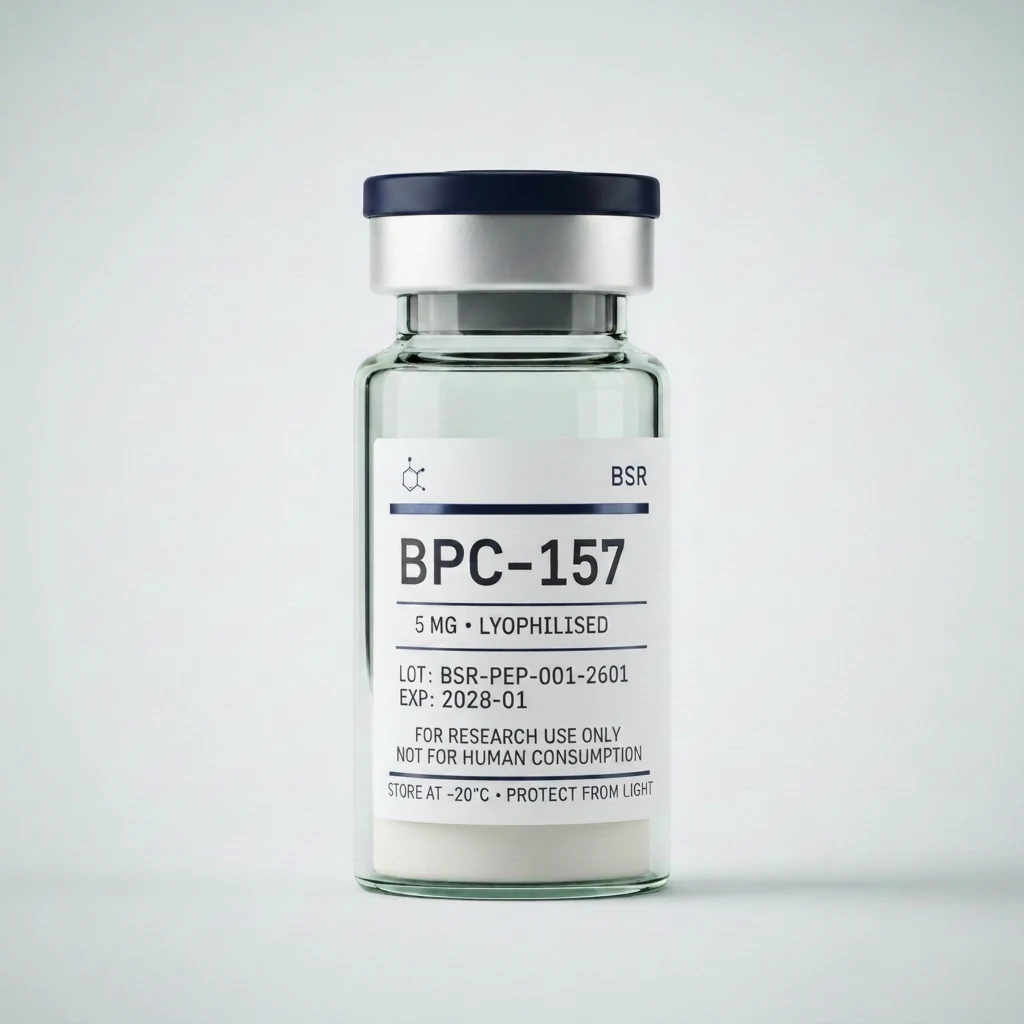
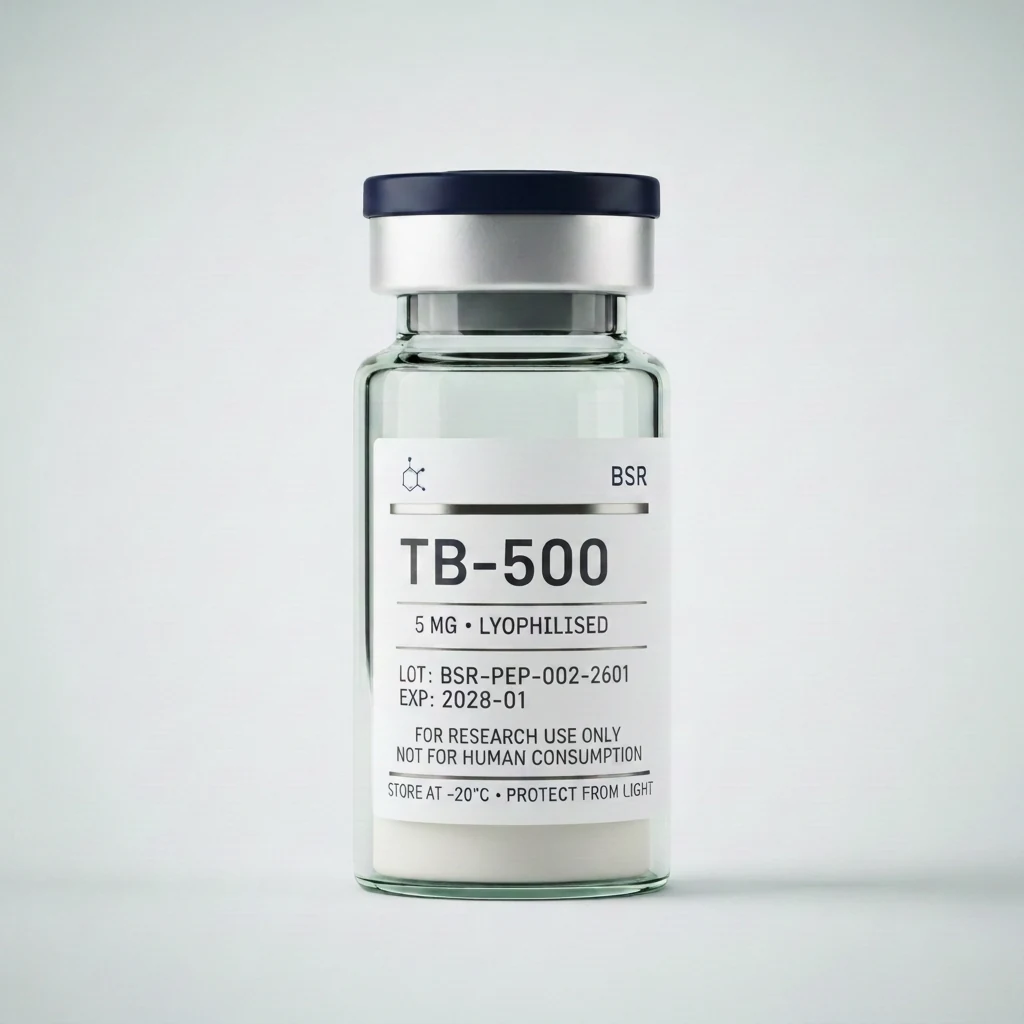
The FDA's Pharmacy Compounding Advisory Committee (PCAC) voted at its July 23–24, 2026, meeting to recommend adding certain peptides to the 503A compounding bulk substance list, a step toward making them eligible for lawful compounding. The seven peptides up for discussion, which cannot legally be compounded currently, were BPC-157, KPV, TB-500, MOTS-c, Emideltide (also referred to as delta sleep-inducing peptide), Semax, and Epitalon.
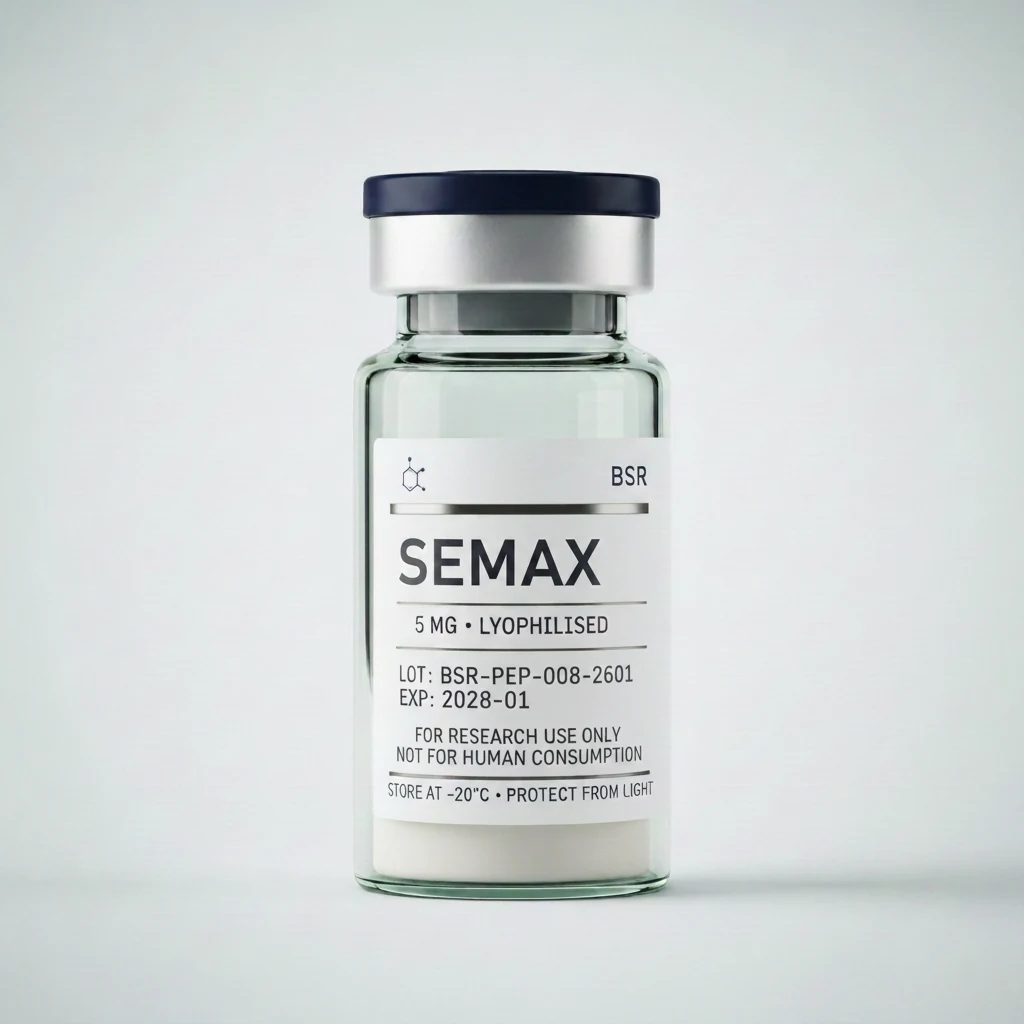
On day two (24 July), the committee voted in favour of Semax (8–5) and Epitalon (7–4), and rejected DSIP, also called emideltide (6–7). The July 2026 votes represented a significant development for the compounding industry, particularly because FDA staff had recommended against inclusion of the peptides before PCAC reached a different conclusion.
The indicated use reviewed by the FDA for Epitalon at this meeting was insomnia, consistent with its proposed mechanism on melatonin regulation via pineal support. Proposed uses included insomnia for Epitalon, and selected neurologic uses for Semax.
However, procurement professionals and researchers should be precise about what the vote does and does not change. The PCAC votes did not immediately make Epitalon lawful for compounding under Section 503A. PCAC serves an advisory role, and the FDA retains the authority to ultimately decide whether a substance is placed on the 503A Bulks List. Accordingly, pharmacies should not interpret the favourable vote as authorisation to begin compounding Epitalon.
The formal process that must follow is multi-step and carries no announced timeline. The FDA must review the PCAC's recommendations and public comments from the hearing, then decide whether to open formal notice-and-comment rulemaking. That rulemaking process typically takes 8–12 months before formal 503A listing is complete. HHS Secretary Robert F. Kennedy Jr. will still need to formally approve the substances' addition to the 503A Bulks List.
The distinction between the three stages of this process matters materially: removal from Category 2, a PCAC recommendation, and formal placement on the 503A list following rulemaking are legally separate events. The PCAC votes should not be described in marketing materials as FDA "approval" of Epitalon, because the FDA has not approved this peptide through the drug approval process or added it to the 503A Bulks List.
UK and European regulatory position
Epitalon holds no marketing authorisation in the United Kingdom. The MHRA has not assessed it as a medicinal product, and it appears in no approved medicine or licensed compounded preparation in Great Britain or Northern Ireland. Epitalon is not approved by the US Food and Drug Administration or the European Medicines Agency for any medical use. It exists in a regulatory grey zone, commonly marketed as a research chemical, which means it is technically not intended for human consumption under federal guidelines in the United States.
For UK-based research-procurement teams, the practical implication is that Epitalon may be sourced as a research-use-only compound subject to standard controls applicable to unapproved substances. Supply chain due diligence — certificate of analysis confirming purity by HPLC (minimum 98%), endotoxin testing, and lot traceability — remains essential, as without regulatory oversight, quality control varies significantly between suppliers, and contamination, incorrect peptide concentration, and inconsistent manufacturing practices are real risks when sourcing from unregulated vendors.
What to watch next
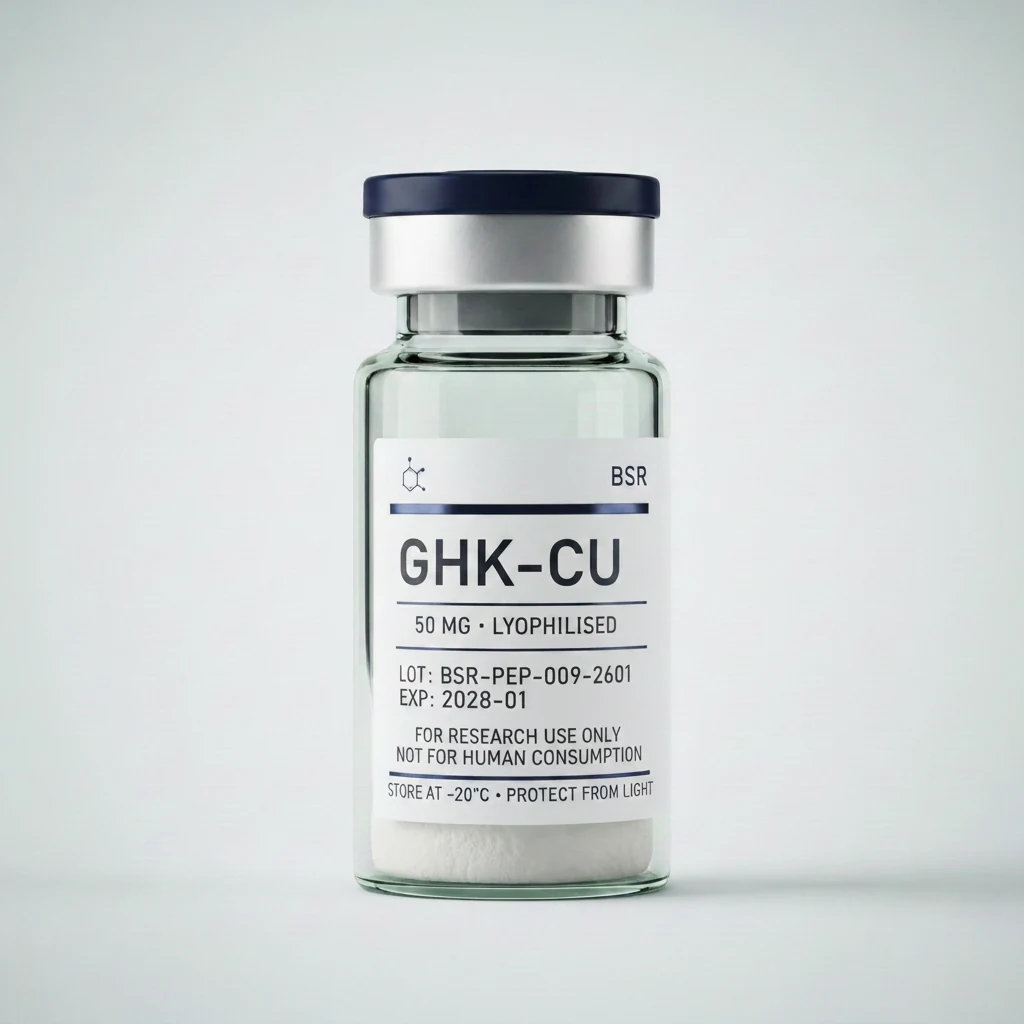
The next regulatory milestone for Epitalon in the US is the FDA's formal response to the PCAC's July recommendations. No timeline has been published. A second PCAC panel, covering peptides including GHK-Cu (injectable), is scheduled before February 2027, when the group will meet again to review the evidence for GHK-Cu as an injectable, among other peptides. That round will shape the broader contours of the 503A landscape into 2027.
For research purposes, the most significant near-term development to monitor would be initiation of an independent, randomised human trial of native Epitalon — something the evidence base does not yet contain. Despite its growing popularity in biohacking circles and advanced longevity practitioners, Epitalon's long-term safety remains unclear: no large-scale toxicology or pharmacokinetic studies in humans have been published. Until that changes, Epitalon remains a compound with a biologically coherent hypothesis, an unusually long preclinical research history, and a human evidence base that is still materially incomplete.
Research-grade material, HPLC verified, certificate of analysis with every order.
The week's Intelligence in one email, every Friday morning.
Regulatory moves, trial readouts, supply-chain news. No product pitches. Unsubscribe in one click.
More in Research Pipeline
Beyond Semaglutide and Tirzepatide: What a September 2026 Systematic Review Reveals About the Next Wave of GLP-1 Peptide Candidates
25 Sep 2026
Thymosin Alpha-1 (Zadaxin): The Thymic Peptide With Genuine Clinical Approval in 35 Countries, a Contested US Compounding Status, and No MHRA Licence
23 Sep 2026
Peptide-Drug Conjugates Move Closer to the Clinic: TwoStep Therapeutics' FDA IND Clearance and the Emerging PDC Landscape
19 Sep 2026