Regulatory & Policy · 25 Jul 2026
FDA's Two-Track Compounding Posture: Closing the Door on Approved GLP-1s While Opening a New Review for Novel Peptides
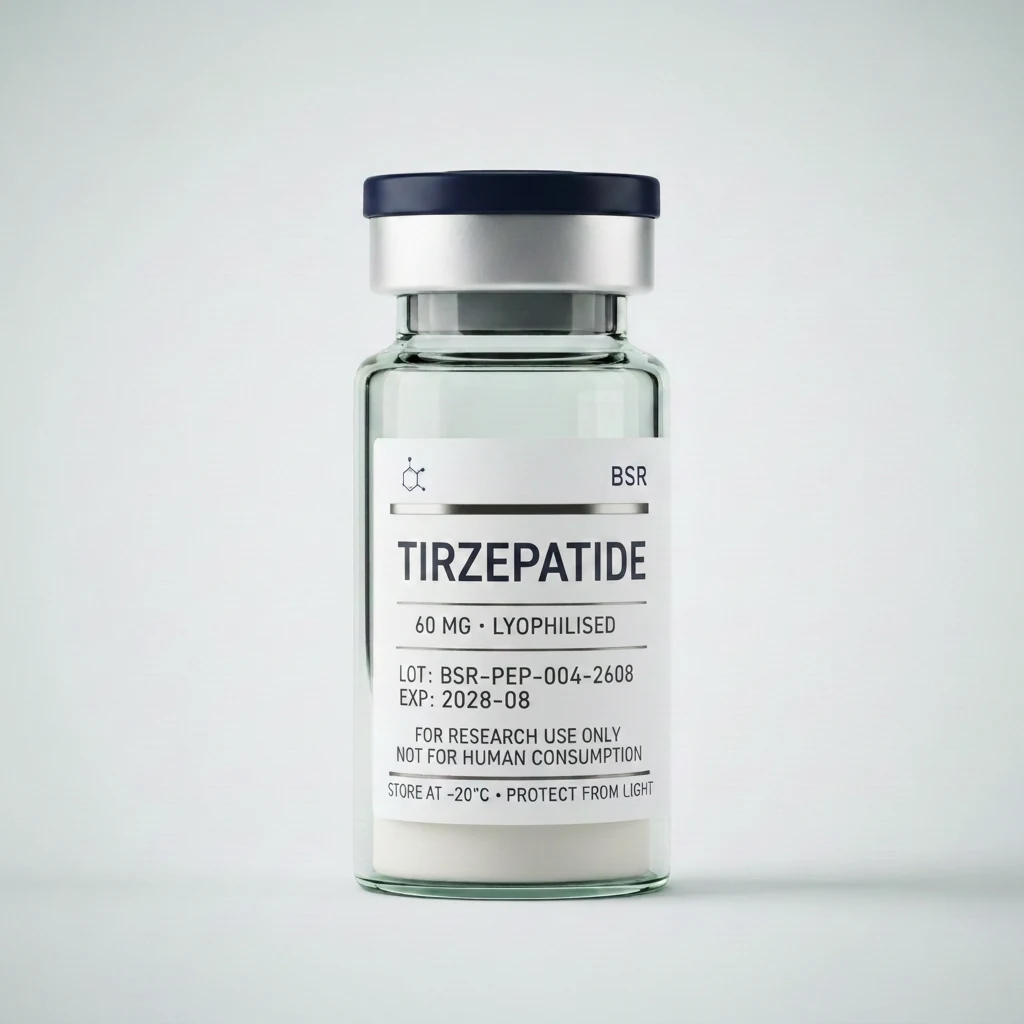
The FDA is simultaneously moving to permanently bar large-scale compounding of semaglutide, tirzepatide and liraglutide from the 503B Bulks List, while convening a Pharmacy Compounding Advisory Committee meeting on 23–24 July 2026 to consider opening regulated compounding pathways for seven novel, currently unapproved peptides. Research-procurement professionals need to understand how these two tracks interact — and what each means for sourcing decisions.
13 sources cited
Key takeaways
- On 30 April 2026, the FDA proposed to formally exclude semaglutide, tirzepatide and liraglutide from the 503B Bulks List, citing no clinical need for large-scale outsourced compounding of drugs for which approved alternatives exist.
- The public comment period closed on 29–30 June 2026; a final determination is now pending, and if adopted, no future shortage designation could reopen the 503B bulk-compounding pathway for these three agents.
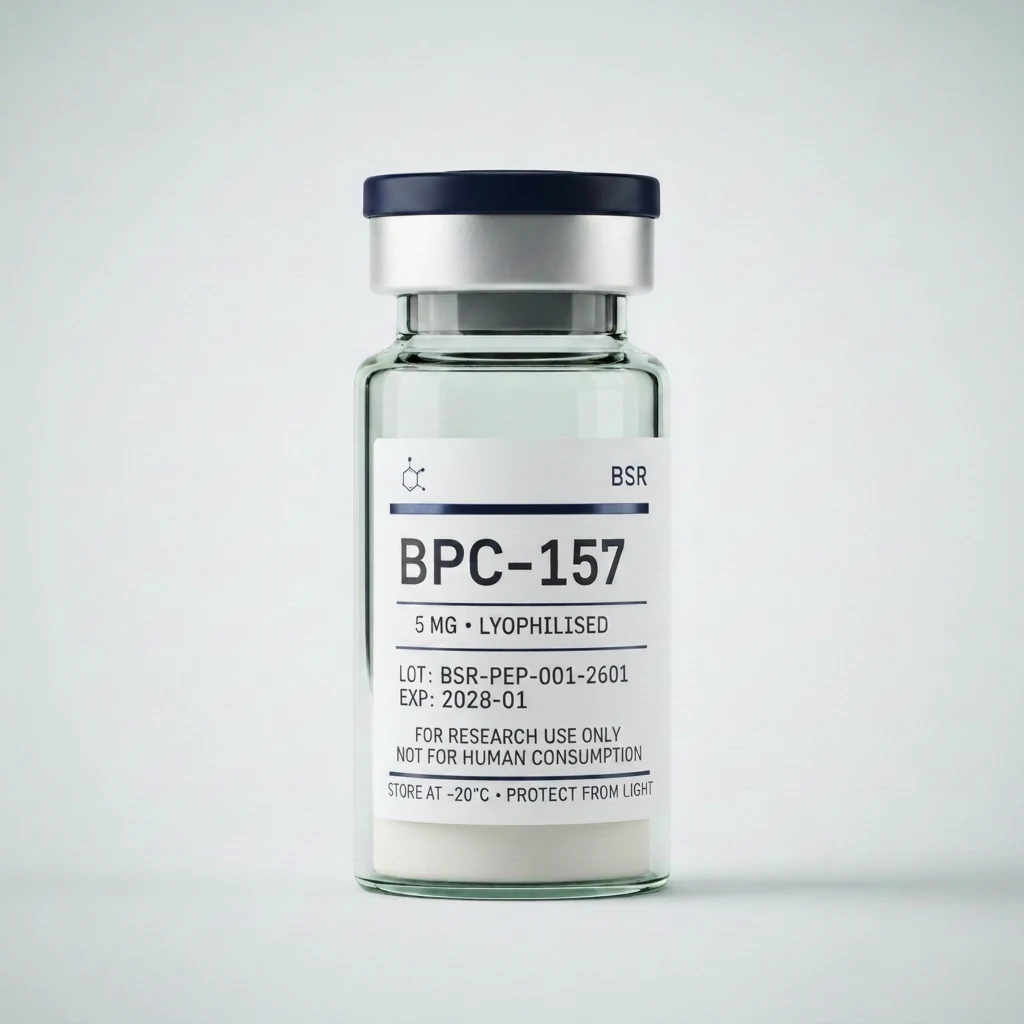
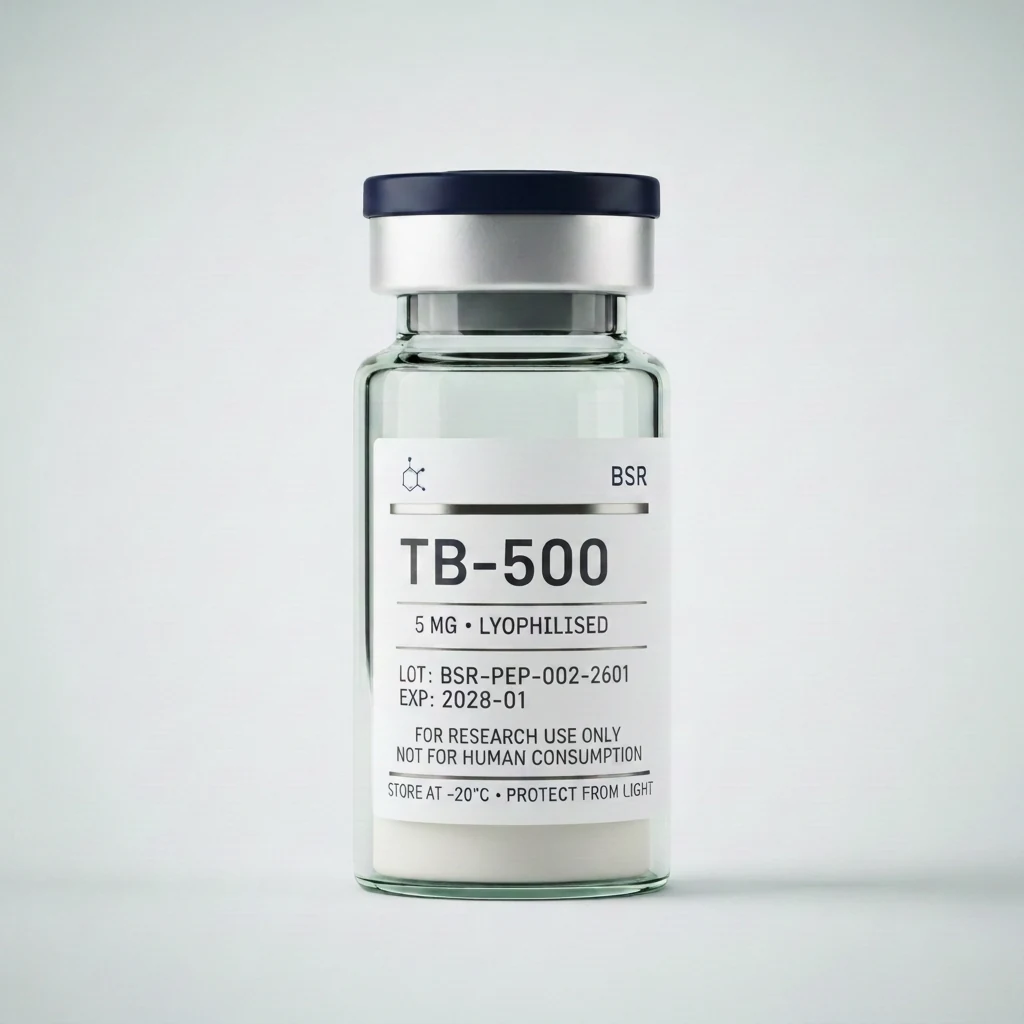
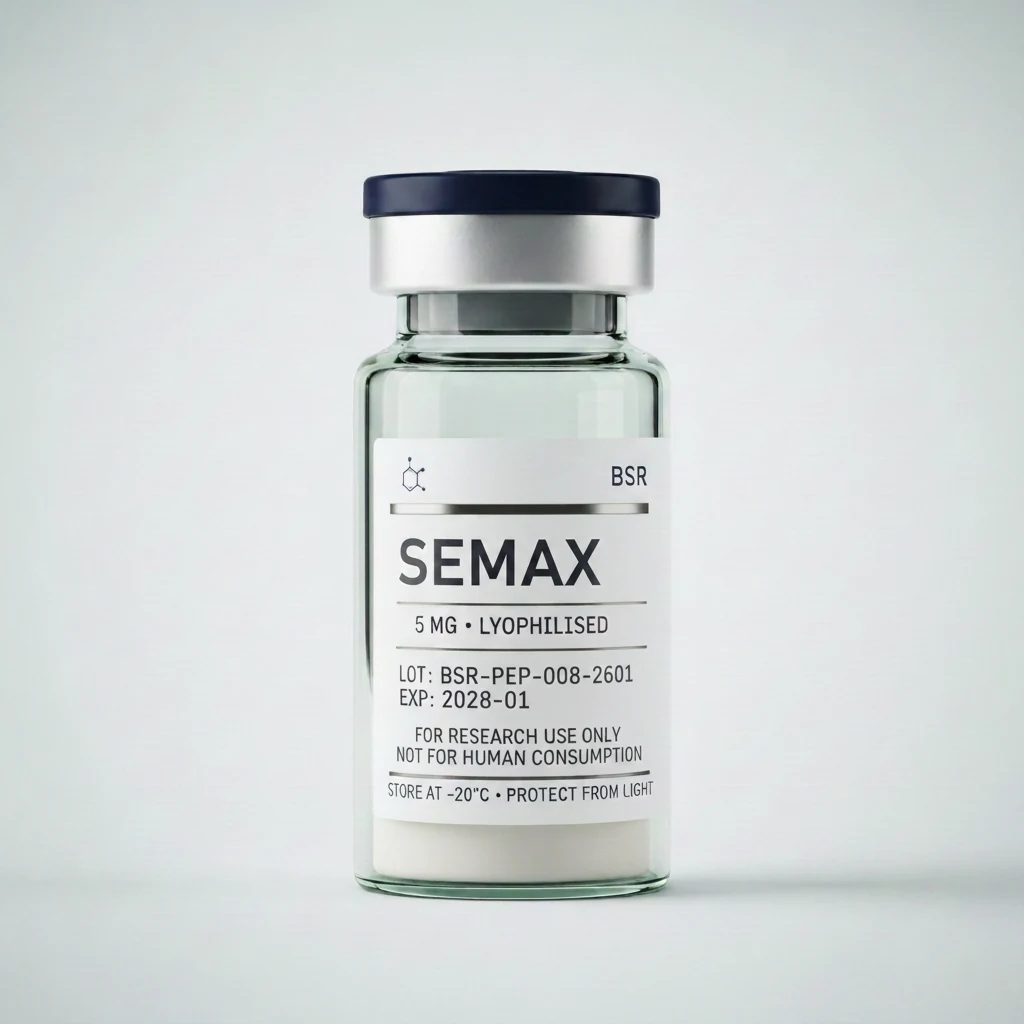
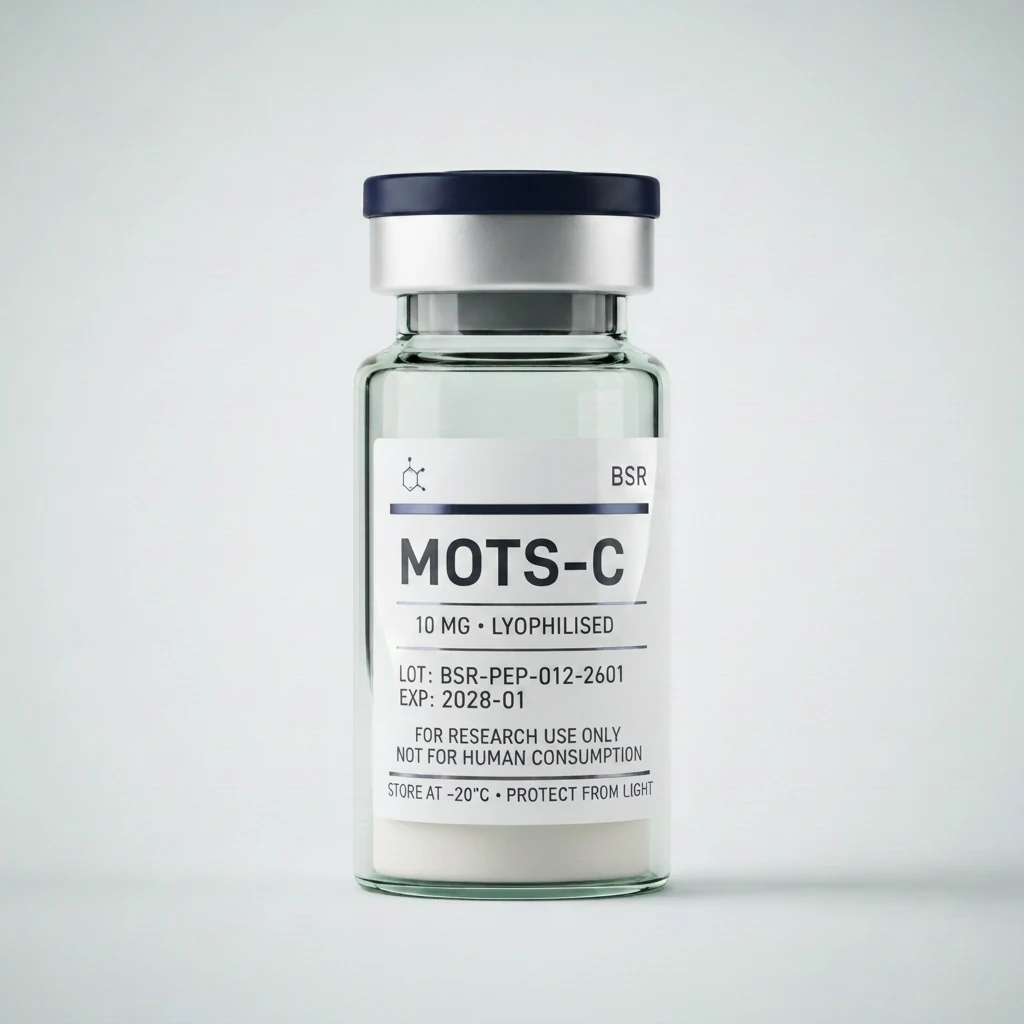
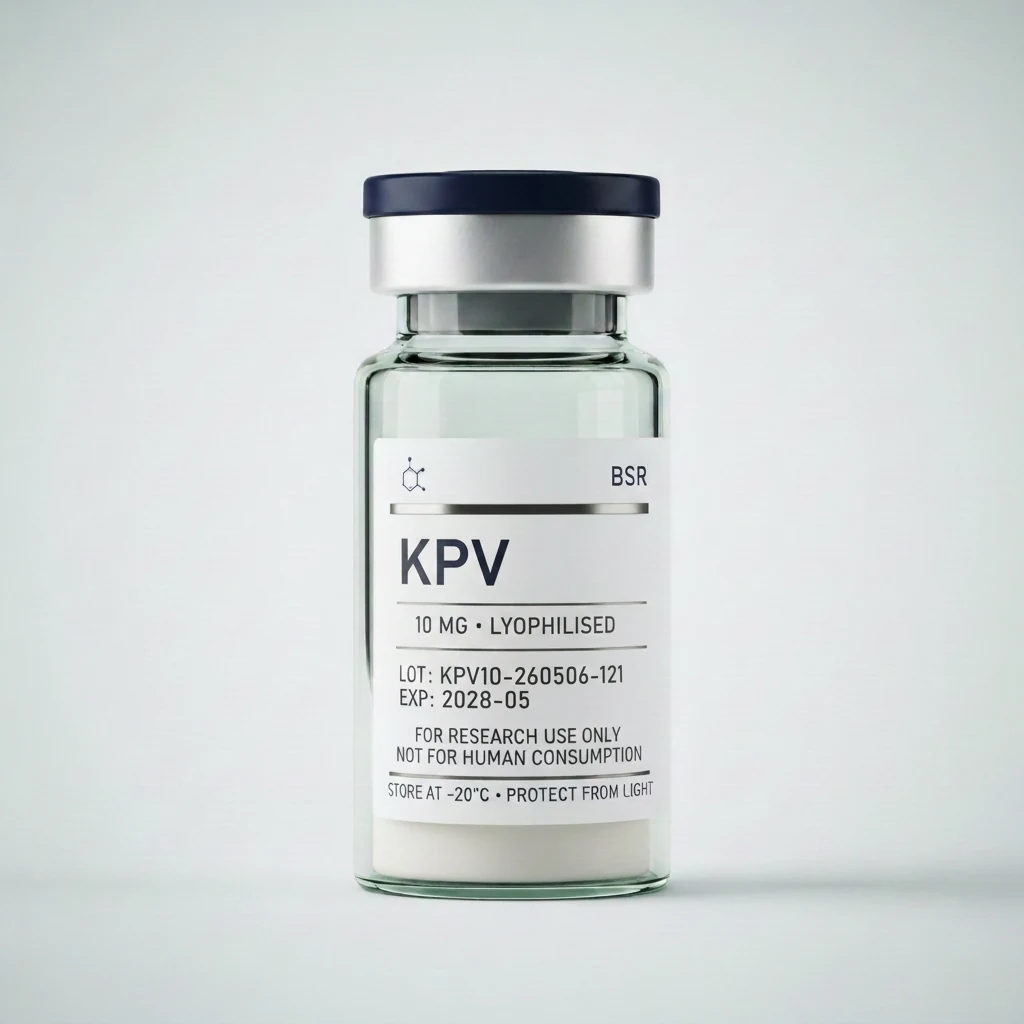
- Five days from today, the FDA's Pharmacy Compounding Advisory Committee (PCAC) meets on 23–24 July 2026 to evaluate seven novel, unapproved peptides — BPC-157, KPV, TB-500, MOTS-c, Emideltide, Semax and Epitalon — for potential inclusion on the 503A Bulk Drug Substances List.
- The two processes represent opposite ends of the compounding policy spectrum and should not be conflated: the 503B GLP-1 exclusion concerns approved small-molecule mimetics of a gut hormone; the 503A peptide review concerns structurally distinct, unapproved research compounds with no marketed equivalents.
- For UK and European research-procurement teams, neither action has direct domestic legal effect, but both reshape the US supply landscape from which many bulk research peptides originate.
The 503B GLP-1 proposal: what the FDA decided and why
On 30 April 2026, the FDA announced a proposal to formally exclude semaglutide, tirzepatide and liraglutide from the 503B Bulks List — the regulatory mechanism that governs which active pharmaceutical ingredients large-scale compounding outsourcing facilities are permitted to use. According to FDA.gov, the agency found no clinical need for outsourcing facilities to compound these drugs from bulk substances.
The Federal Register notice, published 1 May 2026, sets out the agency's statutory logic: under Section 503B of the Federal Food, Drug, and Cosmetic Act, outsourcing facilities cannot compound drugs using bulk drug substances unless the substance appears on the 503B Bulks List, or the compounded drug is on the FDA's drug shortage list at the time of compounding, distribution, and dispensing. With both shortage pathways now closed — the tirzepatide shortage was resolved in December 2024 and the semaglutide shortage in February 2025 — the proposed rule would remove the last remaining legal route for industrial-scale bulk compounding of all three agents.
The significance of the exclusion proposal extends beyond the immediate market. If finalized, semaglutide, tirzepatide and liraglutide would be formally excluded from the 503B Bulks List on a finding of no clinical need, meaning outsourcing facilities could not compound these drugs from bulk substances even if nominated to the list — and even if a future shortage were declared. According to legal analysis published by Orrick, that structural closure would apply regardless of future market conditions.
Safety data underpinning the agency's position
Patient safety evidence appears to have materially influenced the FDA's posture. As of early 2025, the agency had received more than 455 adverse event reports linked to compounded semaglutide and more than 320 associated with compounded tirzepatide, many involving dosing errors from patients self-administering incorrect doses from multidose vials — some of which required hospitalisation. A separate concern involves the use of salt forms: some compounders use semaglutide sodium rather than the free-acid semaglutide found in approved products; the effectiveness of these salt forms can differ, and they have not been proven safe and effective in humans, according to Stanford Medicine clinicians.
A 2026 study cited by Stanford found that when tirzepatide is compounded with vitamin B12 — an additive used by many compounders — the two substances can chemically bond, forming a new molecule not found in the FDA-approved product. The FDA has also sent warning letters to dozens of companies for making false or misleading claims about their compounded GLP-1 preparations.
What the exclusion does not do
The proposal concerns 503B outsourcing facilities exclusively. The decision not to include these GLP-1 agents on the bulk compounding list does not directly alter the legal framework for 503A compounding pharmacies, which operate under a separate statutory provision and compound drugs pursuant to individual patient-specific prescriptions under state board of pharmacy oversight. However, 503A pharmacies remain constrained: the removal of semaglutide and tirzepatide from the shortage list in 2025 already eliminated the primary legal basis that had permitted 503A pharmacies to compound drugs that are "essentially a copy" of commercially available branded products. Absent a shortage listing, 503A pharmacies are prohibited from regularly compounding drugs that are essentially copies of commercially available products.
Legal challenges mounted by the Outsourcing Facilities Association have not succeeded: courts denied preliminary injunctions challenging the FDA's shortage determinations, and the enforcement deadlines held.
The 503A PCAC track: novel peptides and a different regulatory logic
While the FDA moves to close compounding access for approved GLP-1 therapies, a parallel process is running in the opposite direction for a set of structurally distinct, unapproved peptides. The Pharmacy Compounding Advisory Committee is scheduled to meet on 23–24 July 2026 at the FDA's White Oak Campus in Silver Spring, Maryland, to evaluate seven peptides for potential inclusion on the 503A Bulk Drug Substances List.
The distinction between the two tracks matters considerably for research-procurement teams. The GLP-1 exclusion applies to compounds that already have FDA-approved marketed equivalents; the PCAC review covers compounds that are, at present, not components of any approved drug. The proposed exclusion of semaglutide, tirzepatide and liraglutide from the 503B Bulks List has no independent legal effect on the 503A PCAC process, and FDA has explicitly acknowledged it is simultaneously considering the addition of certain peptide active ingredients not found in FDA-approved drugs to the list of bulk ingredients via the PCAC mechanism.
The seven peptides on the July 23–24 agenda — BPC-157, KPV, TB-500, and MOTS-c on day one, and Emideltide (DSIP), Semax, and Epitalon on day two — were among the twelve that had been removed from Category 2 (a restricted-compounding classification) in April 2026, after their nominators withdrew submissions. However, as National Law Review legal analysis makes clear, that procedural removal should not be read as a go-ahead to compound these peptides; removal from Category 2 does not, on its own, authorise use in compounding or bring these substances within the FDA's interim enforcement discretion policy for substances in Category 1. A further five peptides are expected to be reviewed at a separate PCAC meeting before the end of February 2027.
The broader pipeline context: where orforglipron and retatrutide fit
The compounding story sits alongside significant pipeline activity in the GLP-1 class. On 1 April 2026, the FDA approved Foundayo (orforglipron), Eli Lilly's once-daily oral GLP-1 receptor agonist for adults with obesity or overweight with weight-related comorbidities. Unlike the oral peptide form of semaglutide, orforglipron is a small-molecule non-peptide agent that can be taken at any time of day without restrictions on food or water intake, and is easier to manufacture at scale. Lilly has submitted orforglipron for approval in more than 40 countries; a NICE committee was due to meet in July 2026 to discuss NHS use in England and Wales, according to The Pharmaceutical Journal.
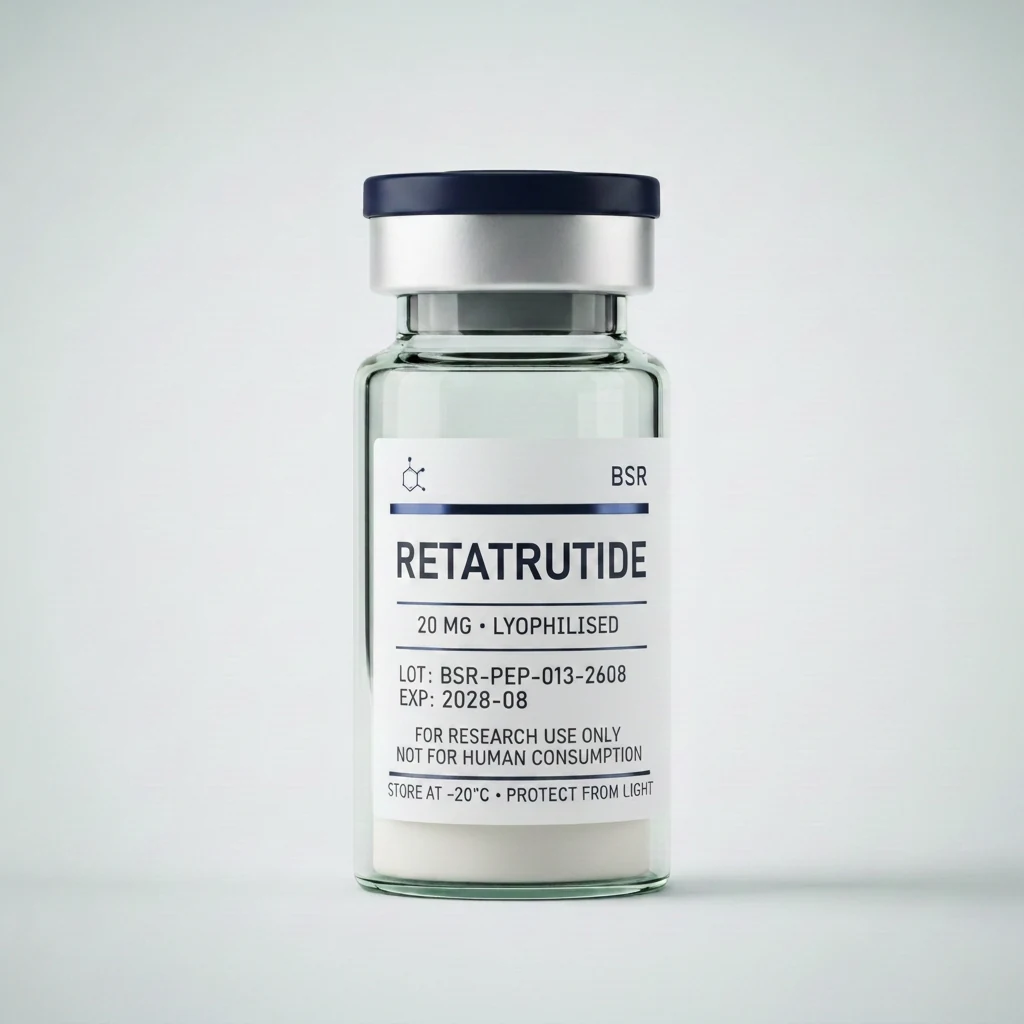
Retatrutide, Lilly's triple agonist targeting GLP-1, GIP and glucagon receptors simultaneously, remains investigational. The TRIUMPH-1 pivotal study confirmed 28.3% mean weight loss at 80 weeks in 2,339 patients; an NDA submission is expected in Q4 2026, with projected FDA approval in the late 2027 to early 2028 window. For UK researchers, MHRA approval under the International Recognition Procedure is considered earliest in late 2027, with NHS access via NICE potentially from 2029.
The FDA's generic pipeline also advanced in this period. Federal regulators agreed to review applications from Swiss pharmaceutical company Sandoz for two cheaper generic versions of tirzepatide (Zepbound and Mounjaro); Eli Lilly's US patents on those products are valid until 2036, limiting the near-term commercial pathway for generics in the US market even if the review proceeds.
Implications for UK and European research-procurement teams
The FDA's 503B exclusion proposal has no direct legal effect on UK procurement, but it will reshape the US supplier landscape from which bulk research peptides — including many GLP-1 analogues sold under "research use only" labelling — are sourced. As National Law Review advises, bulk drug substances marketed as "research grade" or "research use only" present heightened regulatory and quality risk. That designation does not confer legality, quality assurance or regulatory standing in any jurisdiction.
For procurement teams evaluating research-grade peptide suppliers, the PCAC meeting on 23–24 July 2026 represents the most significant near-term regulatory signal. A positive PCAC recommendation for any of the seven nominated peptides would not immediately authorise compounding, but it would represent formal advisory endorsement of their inclusion on the 503A Bulks List — a meaningfully different regulatory footing from their current position. Conversely, a negative recommendation would reinforce the FDA's longstanding caution about compounds characterised by limited human clinical evidence, immunogenicity data gaps, or manufacturing-quality uncertainty.
Procurement professionals sourcing peptides for laboratory research should note that the FDA's briefing documents for all seven PCAC nominees were published ahead of the meeting, providing an unusually detailed window into the agency's current scientific assessment of each compound's safety, efficacy evidence, and characterisation status.
Research-grade material, HPLC verified, certificate of analysis with every order.
The week's Intelligence in one email, every Friday morning.
Regulatory moves, trial readouts, supply-chain news. No product pitches. Unsubscribe in one click.
More in Regulatory & Policy
Peptide Interim Access Policy Enters White House Review: What the OIRA Submission and This Week's OMB Meeting Mean for Research Procurement
19 Oct 2026
One Amino Acid, Three High Stakes: What the Seventh Circuit's Pending Retatrutide Ruling Means for Exclusivity, Medicare Pricing, and Compounding Access
12 Oct 2026
FDA Career Scientists Formally Oppose Administration's Interim Peptide Dispensing Plan — and What the Internal Split Means for Research Procurement
11 Oct 2026