Research Pipeline · 14 Aug 2026
TB-500 and Thymosin Beta-4: Mechanism, Evidence Base, and Regulatory Position After the July 2026 PCAC Vote
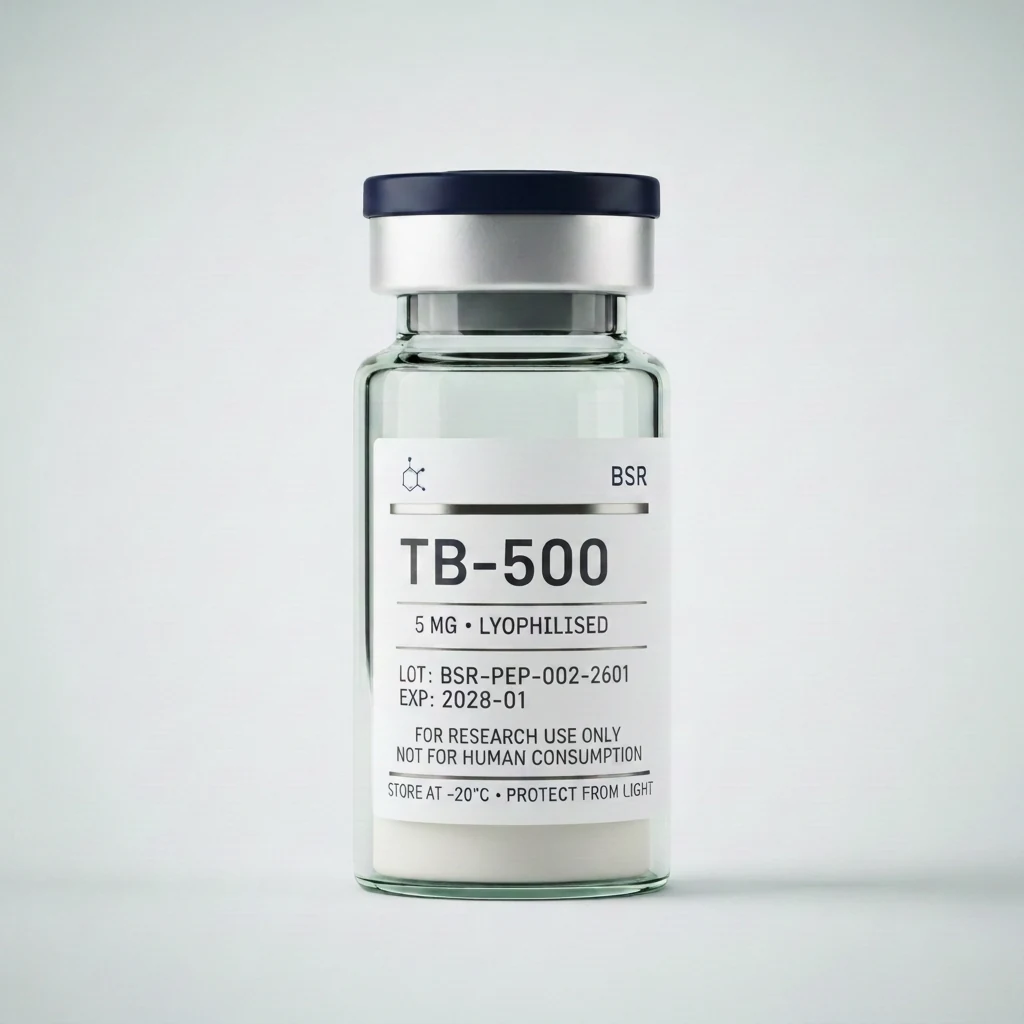
TB-500 is the synthetic research peptide most associated with thymosin beta-4, a naturally occurring actin-sequestering protein with preclinical evidence across wound healing, cardiac repair, and neural tissue models. A June 2026 scoping review mapped 80 published studies, and the FDA's PCAC voted in July 2026 to recommend the compound for the 503A compounding list — a non-binding step that leaves its formal regulatory status unchanged for now.
14 sources cited
Key takeaways
- TB-500 is a synthetic peptide derived from a short active-region fragment of thymosin beta-4 (Tβ4), a 43-amino-acid intracellular protein; the two are related but molecularly distinct, and most peer-reviewed clinical data concern full-length Tβ4, not the fragment.
- A June 2026 scoping review published in Applied Sciences (MDPI) mapped 80 studies through March 2026, finding the evidence base weighted toward in vitro and animal models with limited human data.
- The most clinically significant human data — a 2025 Cardiovascular Research study reporting improved cardiac function in STEMI patients — involved recombinant full-length Tβ4, not TB-500.
- The FDA's Pharmacy Compounding Advisory Committee (PCAC) voted in July 2026 to recommend TB-500 for the 503A affirmative list, overruling FDA career-scientist staff; the recommendation is non-binding and formal rulemaking has not begun.
- In the UK, the MHRA does not licence TB-500 for any use; it is classified as a research-use-only compound. WADA prohibits it at all times under Section S2.
- Research procurement teams should note a supplier-level distinction: some vendors supply full-length 43-amino-acid Tβ4 under the TB-500 commercial name, while others supply a shorter synthetic fragment — a difference that has direct consequences for interpreting certificates of analysis.
What TB-500 and thymosin beta-4 are
Thymosin beta-4 is a naturally occurring 43-amino-acid peptide found in virtually all mammalian cells, present at high concentrations in blood platelets and wound fluid. Its primary molecular function is G-actin sequestration: it binds monomeric actin, regulating the equilibrium between G-actin (monomeric) and F-actin (filamentous), which in turn controls cell migration, cytoskeletal remodelling, angiogenesis, and inflammatory signalling.
TB-500 is the synthetic research-grade counterpart, most commonly described as containing the active actin-sequestering fragment of Tβ4 — typically the LKKTET motif region. Beyond its cytoskeletal role, Tβ4 exerts anti-apoptotic, anti-inflammatory, and pro-angiogenic effects relevant to tissue repair across multiple organ systems.
A critical sourcing distinction noted in the 2026 research literature is that "TB-500" is used inconsistently in the market: some suppliers offer the full 43-amino-acid Tβ4 protein under that commercial name, while others supply a shorter synthetic fragment. The majority of the strongest peer-reviewed evidence — cardiac repair studies, corneal healing trials, traumatic brain injury research — was conducted using full-length Tβ4. Research procurement teams should verify the exact molecular species and sequence length on certificates of analysis before comparing study findings to purchased material.
The evidence base: what 80 studies show
A June 2026 scoping review published in Applied Sciences (MDPI) systematically mapped the Tβ4 and TB-500 literature, searching PubMed, Europe PMC, and ClinicalTrials.gov through March 2026. Eighty studies were included in the final analysis, published from 1997 through 2026. The authors noted that the overall evidence base was weighted toward mixed and in vitro designs, and that the review was designed specifically to help clinicians and researchers distinguish biological plausibility and preclinical signal from direct human clinical evidence.
Wound healing
Wound healing is among the most developed areas of the Tβ4 literature. Phase 2 clinical trials tested topical Tβ4 in patients with venous stasis ulcers and pressure ulcers, with treatment accelerating healing by nearly a month in patients who healed; the compound was reported to be safe and well-tolerated (Philp et al., 2012; PMID: 23050815). Earlier preclinical work established the mechanistic basis: the foundational Malinda et al. study (1999; PMID: 10469335) demonstrated that topical or intraperitoneal Tβ4 increased wound re-epithelialisation at day 4 and day 7, with effects reproduced across normal rats, steroid-impaired rats, diabetic mice, and aged mice.
Cardiac repair
Cardiac repair represents the most translationally significant recent development. A 2025 study in Cardiovascular Research provided the first human clinical evidence, reporting that recombinant human Tβ4 improved ischemic cardiac dysfunction in STEMI patients after reperfusion, with results also confirmed in mouse models (Zhang et al., 2025). Earlier preclinical work described Tβ4 as the first molecule shown to simultaneously trigger both myocardial and vascular regeneration after systemic administration in animal models (PMID: 20536454). The mechanistic pathway in cardiac tissue involves Akt phosphorylation and activation of the ILK-Pinch-Parvin complex. According to one UK research reference, TB-500 has a more developed preclinical cardiac evidence base than BPC-157, particularly in post-infarction remodelling models.
Neural and ophthalmic applications
Research in traumatic brain injury, spinal cord injury, and neuroinflammatory animal models has expanded the preclinical literature into neural contexts. A 2026 paper in International Immunopharmacology reported that Tβ4-derived peptides alleviated neuroinflammation and neurite atrophy in in vitro models and in 5xFAD Alzheimer's mice. The ophthalmic literature is among the most translationally mature, with human clinical trials examining Tβ4 in corneal wound healing and dry eye contexts (the RGN-259 programme); that ophthalmic track has not resulted in FDA approval for any indication as of mid-2026.
A context-dependent caution on fibrosis
The evidence is not uniformly favourable. A 2023 study (Kim et al., Cells) found that targeted deletion of Tβ4 in hepatic stellate cells ameliorated liver fibrosis in a transgenic mouse model, revealing that Tβ4's tissue repair effects are context-dependent: healing-promoting in some organ systems, potentially fibrosis-promoting in others. Research teams working in hepatic or fibrotic disease models should note this finding.
Regulatory position: United States
Prior to April 2026, TB-500 was classified by the FDA as a 503A Category 2 bulk drug substance — designating it as presenting potential significant safety risks and barring compounding pharmacies from using it. In April 2026, the FDA removed 12 peptides including TB-500 from Category 2 for further PCAC evaluation, a procedural step that did not authorise compounding.
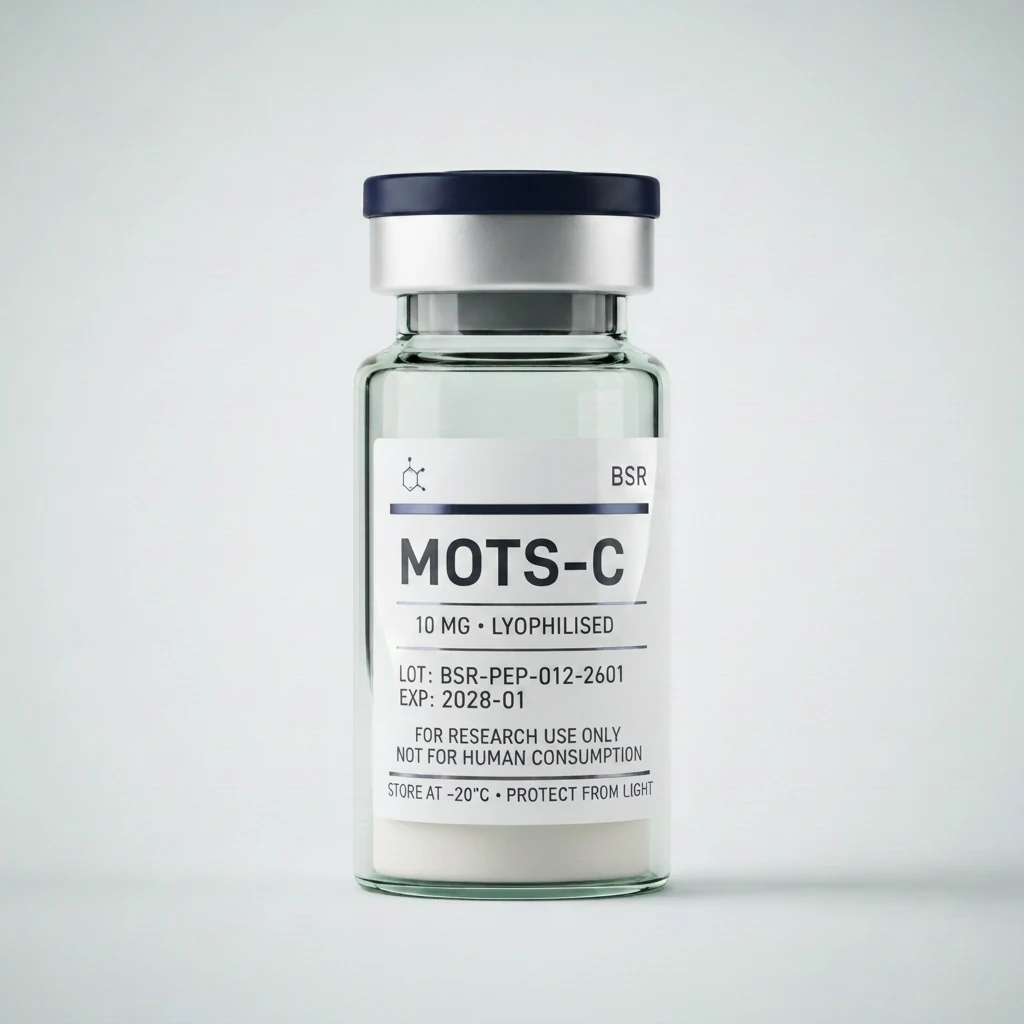
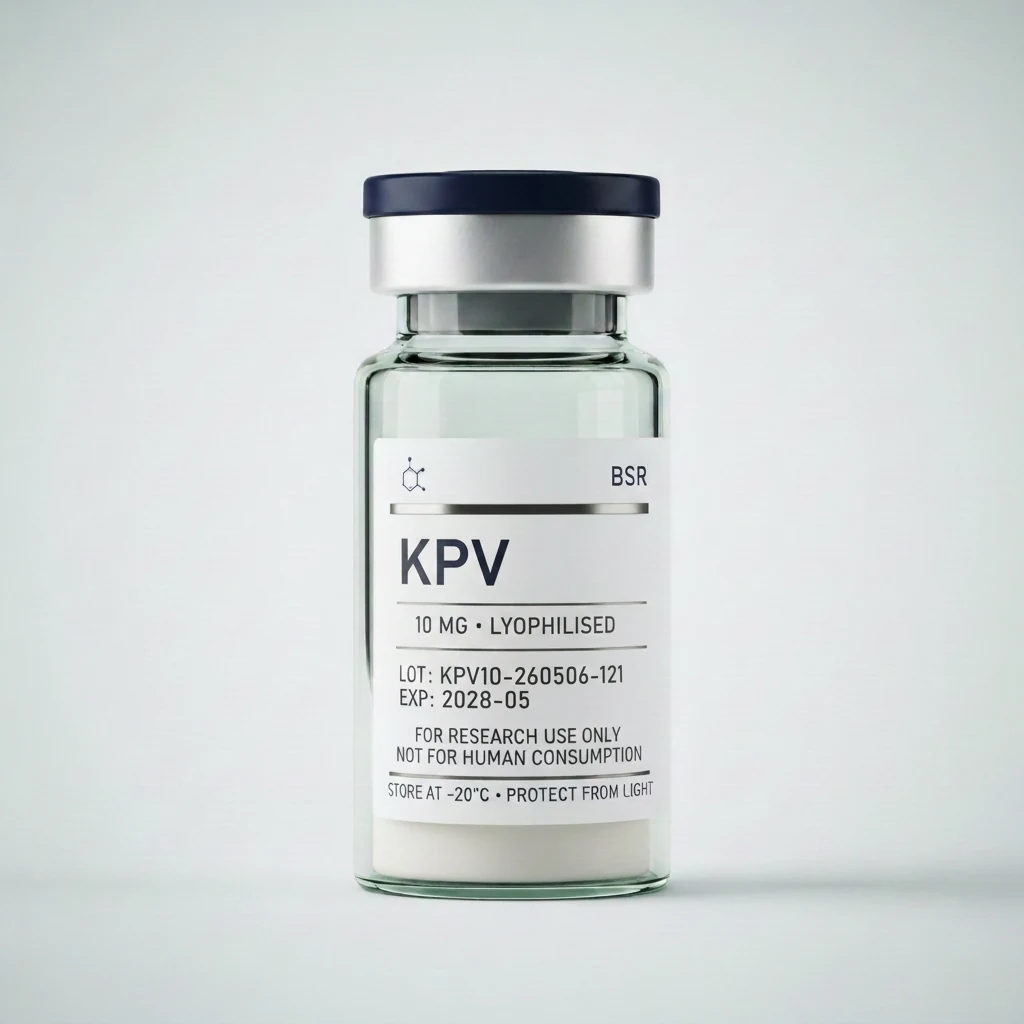
At the July 23–24, 2026 PCAC meeting, the committee voted — in close votes and against FDA career-scientist staff recommendations — to recommend that TB-500 be added to the 503A affirmative list, alongside BPC-157, KPV, MOTS-c, Epitalon, and Semax. Only Emideltide (DSIP) received a negative recommendation.
The critical caveat is that PCAC recommendations are non-binding. The FDA is the agency that makes the ultimate regulatory decision. Even a favourable PCAC vote does not add a substance to the 503A list; the FDA must initiate formal rulemaking, including a Notice of Proposed Rulemaking, public comment period, and a final rule. That process is ongoing and has not begun as of August 2026. A second PCAC meeting is scheduled before the end of February 2027 to review five additional peptides: LL-37 (cathelicidin), GHK-Cu, Dihexa acetate, Melanotan II, and PEG-MGF.
The FDA's own briefing documents applied the four-factor framework under 21 CFR 216.23(c) — physical and chemical characterisation, historical use in compounding, evidence of effectiveness, and safety — and concluded that TB-500 did not satisfy the applicable criteria. The PCAC majority disagreed, but FDA retains discretion to accept, modify, or reject those recommendations.
Regulatory position: United Kingdom
TB-500 is not licensed by the MHRA for human or veterinary use in the United Kingdom. It carries no marketing authorisation and appears in no NICE guideline. It is supplied to the laboratory market as a research-use-only reference compound.
The MHRA opened investigations in April 2026 into UK clinics making therapeutic claims about unregulated peptide products — a reminder that marketing TB-500 with medicinal claims violates The Human Medicines Regulations 2012. Suppliers making explicit or implicit human health claims risk enforcement under Section 8 of those regulations (prohibition on sale or supply of medicinal products without a marketing authorisation).
WADA and anti-doping status
TB-500 and thymosin beta-4 appear on the 2026 WADA Prohibited List under both Section S0 (non-approved substances) and Section S2.2 (peptide hormones, growth factors, related substances, and mimetics). The prohibition applies at all times — in-competition and out-of-competition. WADA-accredited laboratories, including those operating under UK Anti-Doping (UKAD) authority, run targeted assays for TB-500. Any UK researcher who is also an athlete competing under WADA, professional federation rules, or military testing should treat TB-500 as a detectable banned substance regardless of its research-use designation.
Procurement implications for UK research teams
The July 2026 PCAC vote is a notable regulatory signal but does not alter the compound's current legal standing in the US or UK. UK procurement teams should be aware of the following:
- Molecular identity verification: Request sequence confirmation and molecular weight data on certificates of analysis. "TB-500" as a commercial label does not specify whether the supplier is providing full-length 43-amino-acid Tβ4 or a shorter synthetic fragment, and the distinction affects how results compare to published studies.
- Purity and HPLC documentation: Standard research-grade expectations apply: ≥98% purity by HPLC, with mass spectrometry confirmation of the correct molecular species. Batch-specific documentation should accompany each lot.
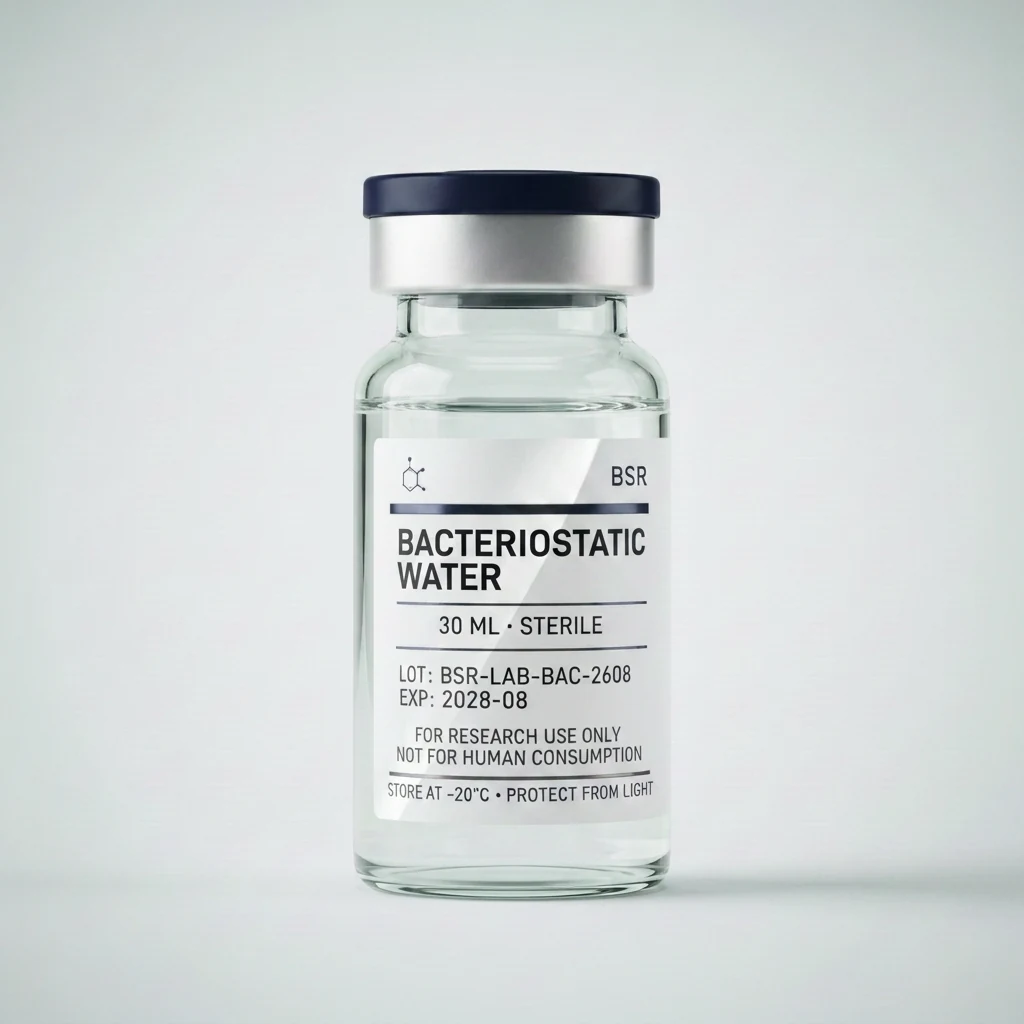
- Storage and stability: Lyophilised Tβ4 and TB-500 should be stored at −20 °C or below and reconstituted with bacteriostatic water immediately before use. Reconstituted material should be stored at 4 °C and used within the timeframe specified by the supplier's stability data.
- Regulatory trajectory: If the FDA proceeds with formal rulemaking following the PCAC recommendation, the compounding landscape in the US could shift in 2027. This would not directly alter UK research access, but it may affect global API supply availability from US-licensed 503A pharmacies that serve international research accounts.
Research-grade material, HPLC verified, certificate of analysis with every order.
The week's Intelligence in one email, every Friday morning.
Regulatory moves, trial readouts, supply-chain news. No product pitches. Unsubscribe in one click.
More in Research Pipeline
Thymosin Alpha-1: What 35 Countries of Clinical Use and a Lopsided PCAC Vote Mean for Research Access in 2026
07 Oct 2026
Viking Therapeutics Initiates Oral Maintenance Dosing Study for VK2735: What the GLP-1/GIP Dual Agonist's Two-Part Programme Tells Researchers About the Weight-Regain Problem
06 Oct 2026
GHK-Cu: What a Fresh Diabetic Wound Study and a Recruiting Phase 2 Trial Mean for the Copper Peptide's Research Standing
03 Oct 2026