Regulatory & Policy · 29 Jun 2026
FDA's 503B Bulks List Proposal: What Today's Comment Deadline Means for GLP-1 Peptide Compounding
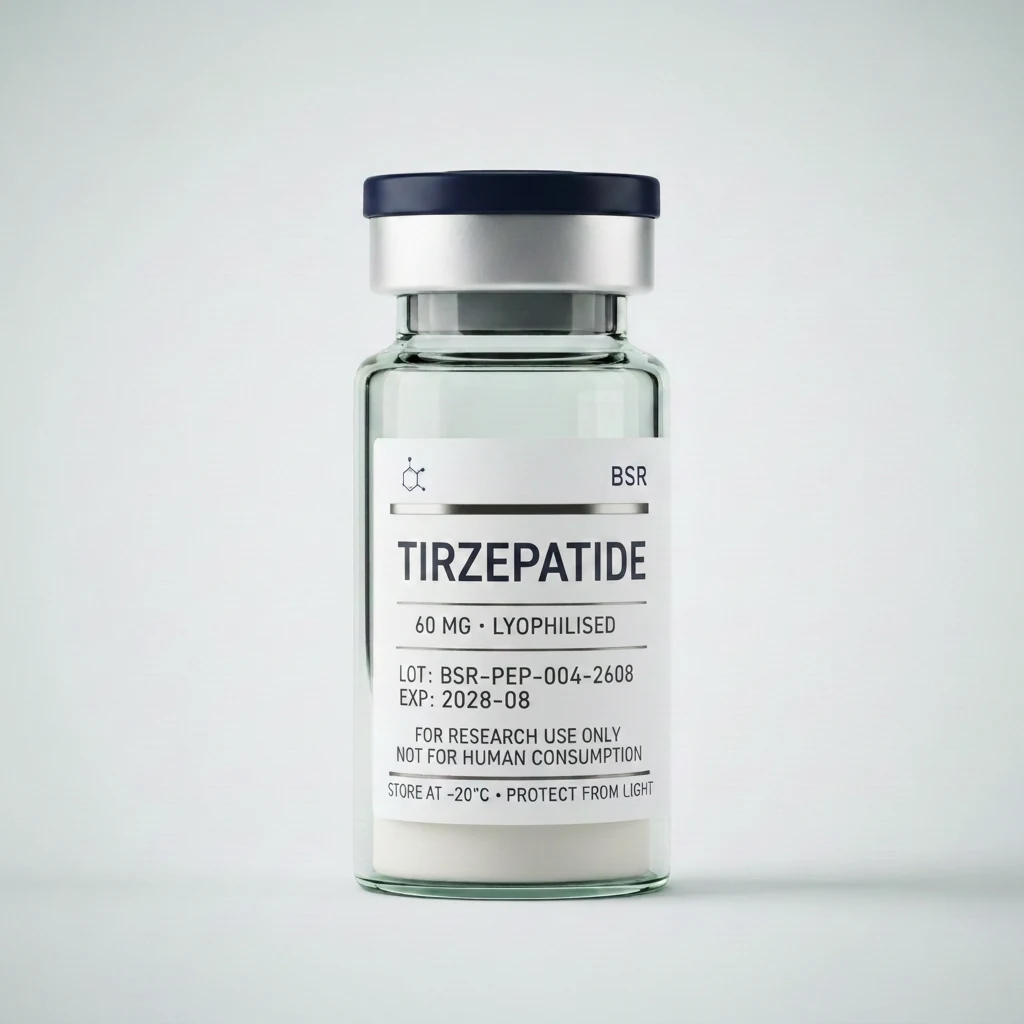
Today, 29 June 2026, marks the close of the FDA's public comment period on its proposal to formally exclude semaglutide, tirzepatide, and liraglutide from the 503B outsourcing facility Bulks List. If finalised, the rule would permanently bar large-scale bulk compounding of these three GLP-1 agents — regardless of future market conditions. UK research procurement teams and supply-chain professionals should understand what the 503B framework is, how the proposal sits alongside the parallel PCAC…
10 sources cited
Key takeaways
- The FDA's public comment period on its proposal to exclude semaglutide, tirzepatide, and liraglutide from the 503B outsourcing facility Bulks List closes today, 29 June 2026.
- If the proposal is finalised, 503B outsourcing facilities will be permanently barred from compounding these three GLP-1 agents from bulk API, closing the last structural pathway for large-scale compounding.
- The exclusion finding rests on a "no clinical need" determination — cost, convenience, and supply are explicitly outside FDA's 503B clinical-need framework.
- The 503A compounding pathway for individual patient-specific prescriptions is not directly affected, but is separately constrained by the 2025 shortage resolutions.
- This proposal runs in parallel with the July 2026 PCAC review of twelve Category 2 peptides, a distinct process covering a different set of compounds.
- The Federal Register docket had received over 2,100 public comments as of late June, according to the register entry — a signal of the commercial and clinical stakes involved.
Background: the 503B Bulks List and how it works
The 503B framework, created by Congress in 2013 following the New England Compounding Center meningitis outbreak, governs FDA-registered outsourcing facilities that manufacture sterile drug products at industrial scale without patient-specific prescriptions. The 503B Bulks List identifies bulk drug substances that outsourcing facilities may use in compounding under the conditions of Section 503B of the Federal Food, Drug, and Cosmetic Act. In most cases, outsourcing facilities cannot compound drugs using bulk drug substances unless the substance appears on the 503B Bulks List, or the compounded drug is on the FDA's drug shortage list at the time of compounding, distribution, and dispensing.
This dual-pathway structure — Bulks List or shortage list — was the legal foundation on which the compounded GLP-1 market was built. Semaglutide and tirzepatide were both added to the shortage list in 2022 due to surging demand, as was liraglutide. The resulting compounding market offered patients access to these agents at $150 to $300 per month, compared with brand-name costs that exceeded $1,000.
The April 2026 proposal and today's comment deadline
The FDA announced it is proposing to exclude semaglutide, tirzepatide, and liraglutide from the 503B Bulks List, finding no clinical need for outsourcing facilities to compound these drugs from bulk substances. The notice was published in the Federal Register on 1 May 2026 as docket 2026-08552. Electronic or written comments must be submitted by 30 June 2026, and late, untimely filed comments will not be considered. (Multiple practitioner-facing sources, including the FDA's own press release and Drug Topics, have reported the deadline as 29 June 2026; researchers should consult the Federal Register directly for definitive confirmation.)
The FDA's legal test under Section 503B is specific and deliberately narrow. FDA's analysis focused on whether an attribute of the relevant FDA-approved products makes those products medically unsuitable for certain patients, and whether the proposed compounded product would address that medical unsuitability. The agency also reiterated that supply issues, convenience, and cost are not part of FDA's clinical-need analysis for the 503B Bulks List, because shortage compounding already has its own separate pathway. Applying that standard, the FDA carefully reviewed the nominations it received and did not identify sufficient evidence to include semaglutide, tirzepatide, and liraglutide on the 503B Bulks List. A determination of clinical need is based on patient safety and medical necessity under the law.
What finalisation would mean in practice
If finalised, semaglutide, tirzepatide, and liraglutide would be formally excluded from the 503B Bulks List on a finding of no clinical need, meaning outsourcing facilities could not compound these drugs from bulk substances even if nominated to the list. This would effectively block large-scale, bulk compounding by outsourcing facilities unless the drugs return to FDA's shortage list.
With neither condition met for these three agents, a formal exclusion would foreclose any future pathway for bulk compounding, even in the event of a new shortage designation. That structural closure is the reason the proposal has attracted substantial industry attention: it is not merely a restatement of current enforcement posture but a permanent regulatory instrument that would survive any future supply disruption.
The position of 503A pharmacies is more nuanced. This proposal does not directly alter the legal framework for 503A compounding pharmacies. Section 503A pharmacies operate under a separate statutory provision and compound drugs pursuant to individual patient-specific prescriptions under state board of pharmacy oversight. They do not rely on the 503B Bulks List to authorise their compounding activities, and the proposed exclusion has no independent legal effect on their operations. However, the removal of semaglutide and tirzepatide from the FDA's drug shortage list in 2025 already eliminated the primary legal basis that had permitted 503A pharmacies to compound drugs that are "essentially a copy" of commercially available branded products. Absent a shortage listing, 503A pharmacies are prohibited under Section 503A from regularly or in inordinate amounts compounding drugs that are essentially copies of commercially available products.
Safety data underpinning the agency's position
Patient safety data featured prominently in the FDA's regulatory posture throughout this process. As of early 2025, the FDA had received more than 455 adverse event reports linked to compounded semaglutide and more than 320 reports associated with compounded tirzepatide, many involving dosing errors from patients self-administering incorrect doses from multidose vials — some of which required hospitalisation. Concerns about counterfeit products entering the market through online channels have further reinforced the FDA's enforcement focus.
Novo Nordisk filed a lawsuit alleging that some compounded semaglutide products contained impurities as high as 86 per cent. Such contaminants can lead to severe health consequences, including hospitalisations or life-threatening immune responses. Additionally, there have been instances of pharmacies using different salt forms of semaglutide, which have not been approved by the FDA and whose safety and efficacy are unknown.
The litigation landscape
Legal challenges are widely anticipated once the proposal is finalised. Given what is at stake, analysts anticipate that FDA's final decision will be subject to a legal challenge in court, and any comments submitted will be part of the administrative record. The track record from the shortage-resolution litigation offers some indication of the likely outcome: legal challenges by the Outsourcing Facilities Association failed to secure preliminary injunctions, solidifying that "essentially a copy" compounding of semaglutide or tirzepatide is impermissible under 503A and 503B. Novo Nordisk and Eli Lilly are actively filing suit and sending cease-and-desist letters to compounders, clinics, and telehealth companies, and multiple state boards of pharmacy are conducting investigations.
How this fits with the July 2026 PCAC process
It is important that procurement professionals do not conflate the 503B Bulks List proposal with the separate regulatory process governing non-GLP-1 compoundable peptides. FDA has removed twelve peptides from the Category 2 list, taking them out of the "significant safety risk" designation. However, with the exception of GHK-Cu, none of these peptides have been recategorised to Category 1, and they currently do not appear on any of FDA's 503A drug substance nomination lists. The practical consequence of this interim status is that these substances currently exist in a regulatory grey zone — they are no longer designated as posing a "significant safety risk", but they have not been affirmatively authorised for compounding under Section 503A or FDA guidance.
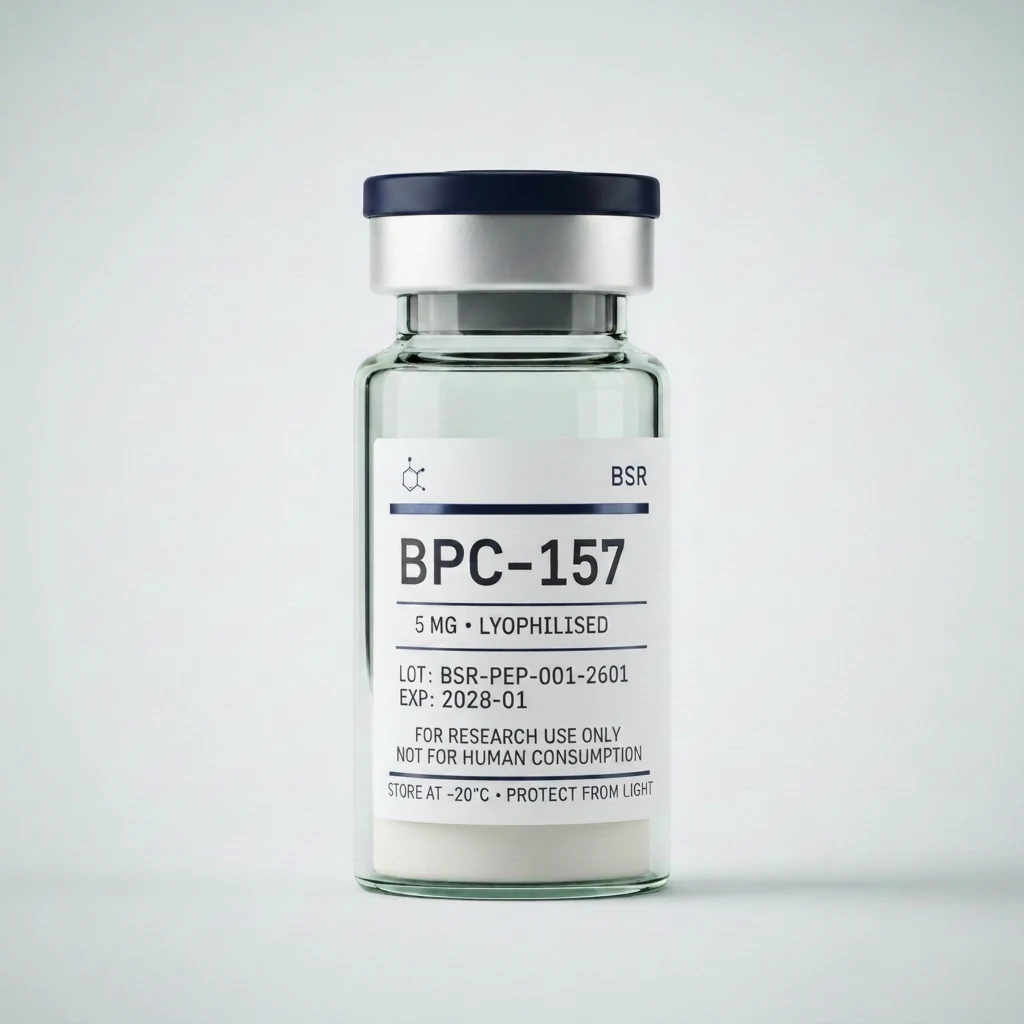
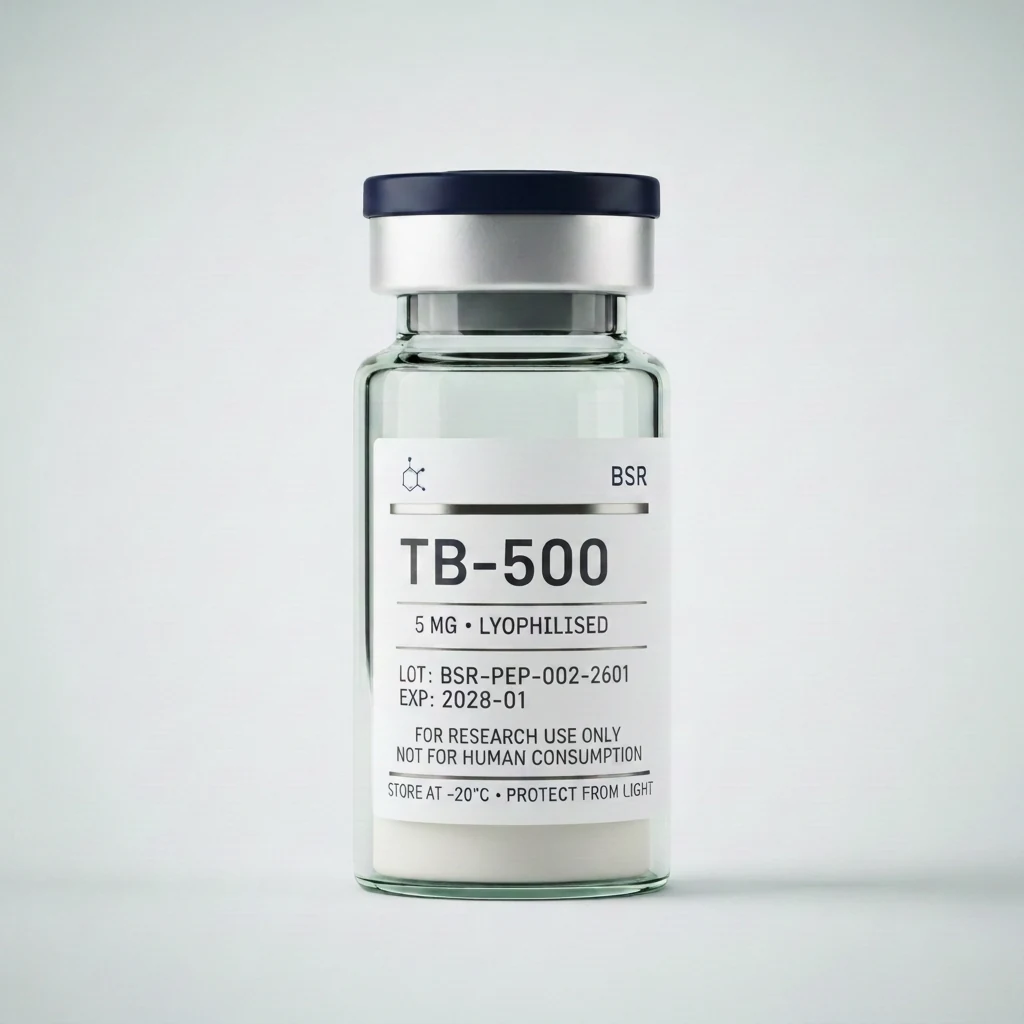
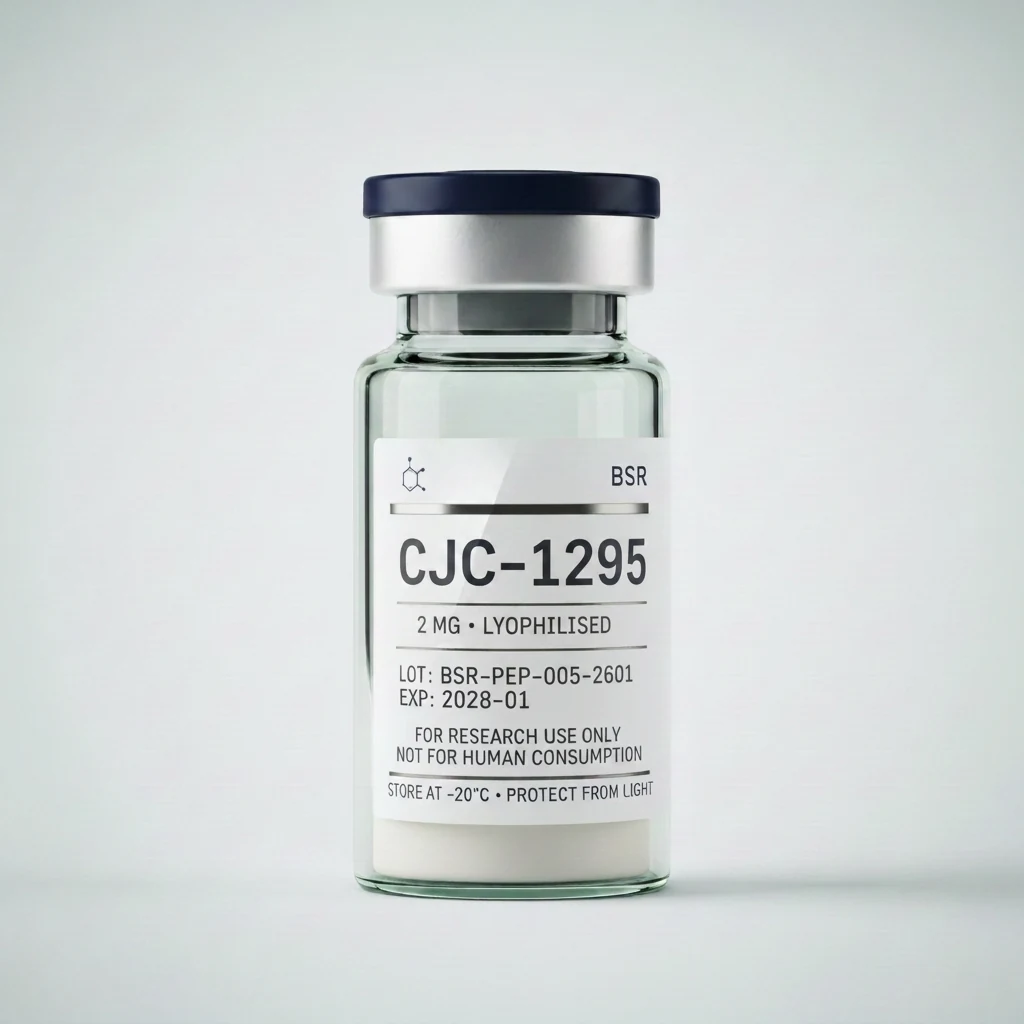
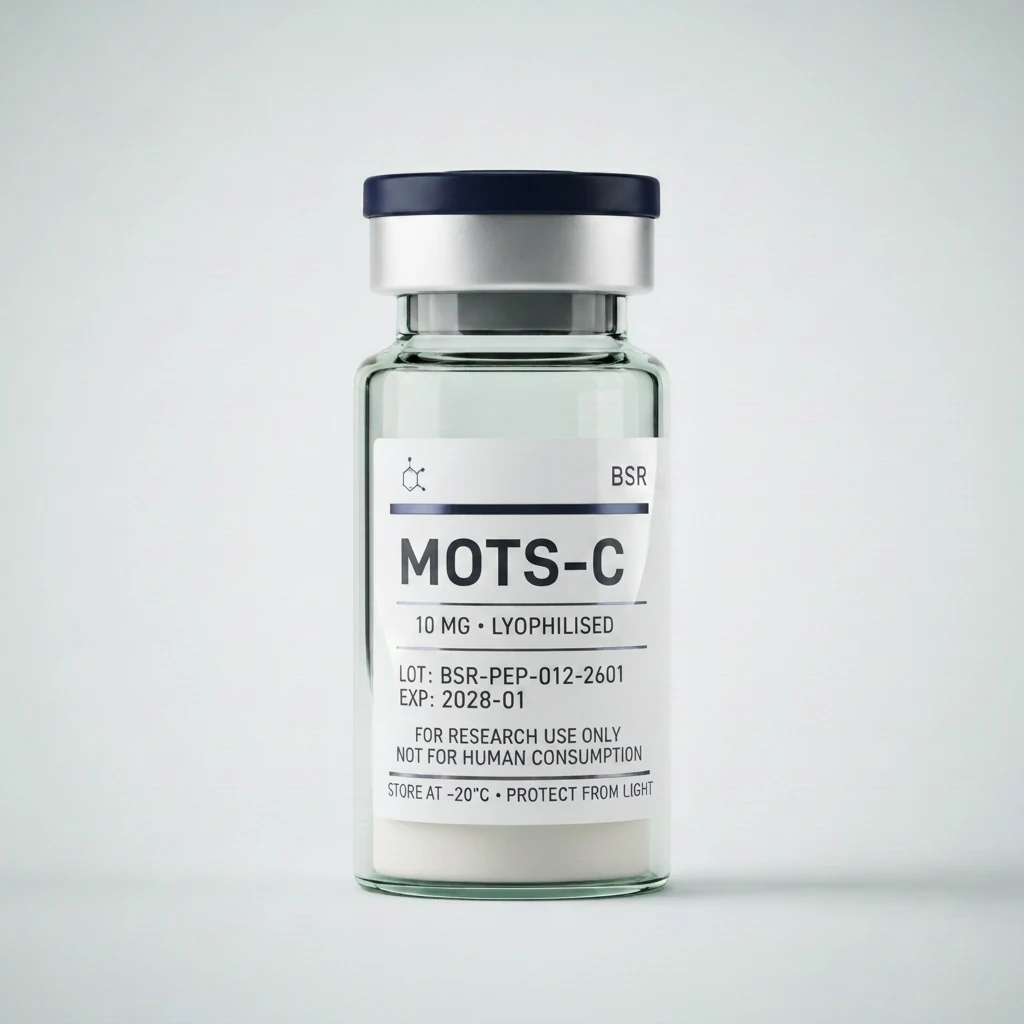
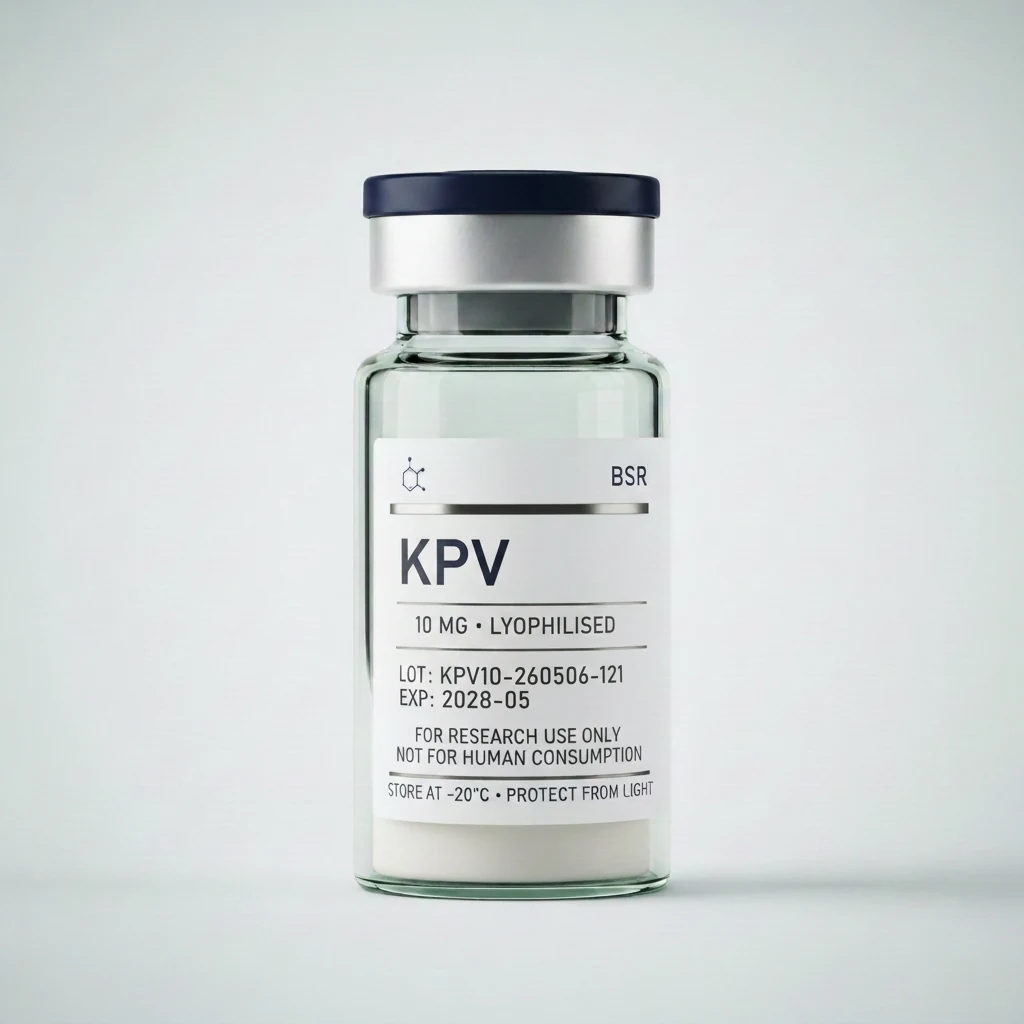
FDA has scheduled a meeting of the Pharmacy Compounding Advisory Committee in July to discuss certain bulk drug substances being considered for inclusion on the 503A Bulks List. A second PCAC meeting will be scheduled before the end of February 2027 to discuss an additional five peptides. The peptides under PCAC review include, according to Pharmacy Times, BPC-157, Thymosin Alpha-1, TB-500, CJC-1295, Ipamorelin, AOD-9604, GHK-Cu, Selank, Semax, KPV, and MOTS-c, among others. That process operates under the 503A framework and is entirely separate from the 503B exclusion proposal for GLP-1 agents.
Implications for UK research procurement
For UK laboratory procurement teams, the immediate operational impact of the 503B exclusion proposal is indirect but meaningful. Reference standards and bulk API for semaglutide, tirzepatide, and liraglutide remain available from established analytical-grade suppliers (subject to applicable UK regulations governing import and research use). However, the progressive closure of the US compounding market for these agents concentrates API supply chains back towards major manufacturers, which may affect pricing benchmarks and lot availability for research-grade material over the medium term.
The broader signal is structural: the FDA is drawing a clear line between FDA-approved peptide therapeutics — which must navigate formal drug approval — and the compounding market that flourished during the shortage window. The conversation around recent announcements has frequently conflated three very different categories of compound: FDA-approved peptide drugs (rigorously studied, fully regulated), Category 1 compoundable peptides (legally compoundable but not FDA-approved, with variable evidence), and grey-market "research peptides" (unregulated and frequently of unverified quality). Distinguishing between these categories remains essential for procurement decisions and for understanding which regulatory developments are relevant to which parts of a research portfolio.
The FDA will consider all comments received before making a final determination. No timeline for that determination has been specified in the agency's public announcements, and notice-and-comment rulemaking processes can extend over many months.
BSR Intelligence monitors regulatory developments affecting peptide research procurement. This briefing is for informational purposes and does not constitute legal or regulatory advice.
Research-grade material, HPLC verified, certificate of analysis with every order.
The week's Intelligence in one email, every Friday morning.
Regulatory moves, trial readouts, supply-chain news. No product pitches. Unsubscribe in one click.
More in Regulatory & Policy
One Amino Acid, Three High Stakes: What the Seventh Circuit's Pending Retatrutide Ruling Means for Exclusivity, Medicare Pricing, and Compounding Access
12 Oct 2026
FDA Career Scientists Formally Oppose Administration's Interim Peptide Dispensing Plan — and What the Internal Split Means for Research Procurement
11 Oct 2026
HHS Stopgap Plan for Restricted Peptides: What the Reported Enforcement-Discretion Proposal Means for Research Procurement
09 Oct 2026