Regulatory & Policy · 26 Jul 2026
PCAC Two-Day Verdict: Six of Seven Peptides Recommended, Emideltide Rejected — and What the Rulemaking Path Means for Research Access
The FDA's Pharmacy Compounding Advisory Committee concluded its two-day July 2026 meeting having recommended six of the seven peptides under review for inclusion on the 503A Bulk Drug Substances List. Emideltide (DSIP) was narrowly rejected by a single vote. For research-procurement professionals, the headlines obscure the more consequential question: how long before any of this translates into a legal compounding pathway?
12 sources cited
Key takeaways
- The PCAC voted to recommend six of the seven peptides reviewed on 23–24 July 2026 for inclusion on the FDA's Section 503A Bulk Drug Substances List.
- Emideltide (DSIP) was the sole rejection, defeated by a single vote, 6–7.
- All votes were advisory and non-binding; formal notice-and-comment rulemaking must follow before any compounding pharmacy gains a legal pathway.
- Legal analysts estimate realistically no unambiguous 503A compounding access before sometime in 2027.
- A second PCAC meeting covering five additional peptides — LL-37, GHK-Cu, Dihexa acetate, Melanotan II, and PEG-MGF — is scheduled before the end of February 2027.
- Conflict-of-interest concerns about the panel's composition drew sustained criticism during and after the meeting.
The final scoreboard
Day one (23 July):
Day two (24 July):
The overall outcome was therefore six positive recommendations and one negative from a total of seven peptides evaluated under docket FDA-2025-N-6895, which had attracted approximately 1,860 public comments ahead of the meeting.
Why Emideltide was the exception
Fierce Pharma reported that
The loss by a single vote leaves open the question of whether emideltide's nominators may seek to re-submit the compound in a future PCAC cycle.
The panel composition controversy
STAT News reported on 24 July that
It is worth noting, as STAT News observed, that
Three legal events — not one
A common error in coverage of this meeting is conflating three distinct regulatory milestones. LumaLex Law's founding partner Dustin Robinson explained to PharmExec that there are "three distinct legal events the market keeps treating as one: removal from Category 2, a PCAC recommendation, and actual placement on the Category 1 compoundable list following notice-and-comment rulemaking."
For research-procurement professionals, the sequence matters greatly:
- Category 2 removal — Completed in April 2026 for all twelve peptides in the current review cycle. This permits review but not compounding.
- PCAC recommendation — Completed 23–24 July 2026 for the first seven. Advisory only; the FDA may accept, modify or reject each recommendation.
- Formal rulemaking — A proposed rule must be published, a public comment period must run, and a final rule must be issued before a 503A pharmacy has unambiguous legal authority to compound any of these substances.
According to Robinson,
ExcelMale's post-vote analysis reached a similar conclusion:
Orrick noted that
The February 2027 PCAC meeting
The July meeting addressed only seven of the twelve peptides removed from Category 2 in April 2026. The remaining five will be reviewed at a second PCAC meeting.
According to Olympia Pharmacy,
Newtropin's regulatory tracker noted that
Compounds outside this cycle
Research labs should note that several peptides commonly sourced alongside those reviewed in July remain on a separate regulatory track. PeptideClarity's tracker records that
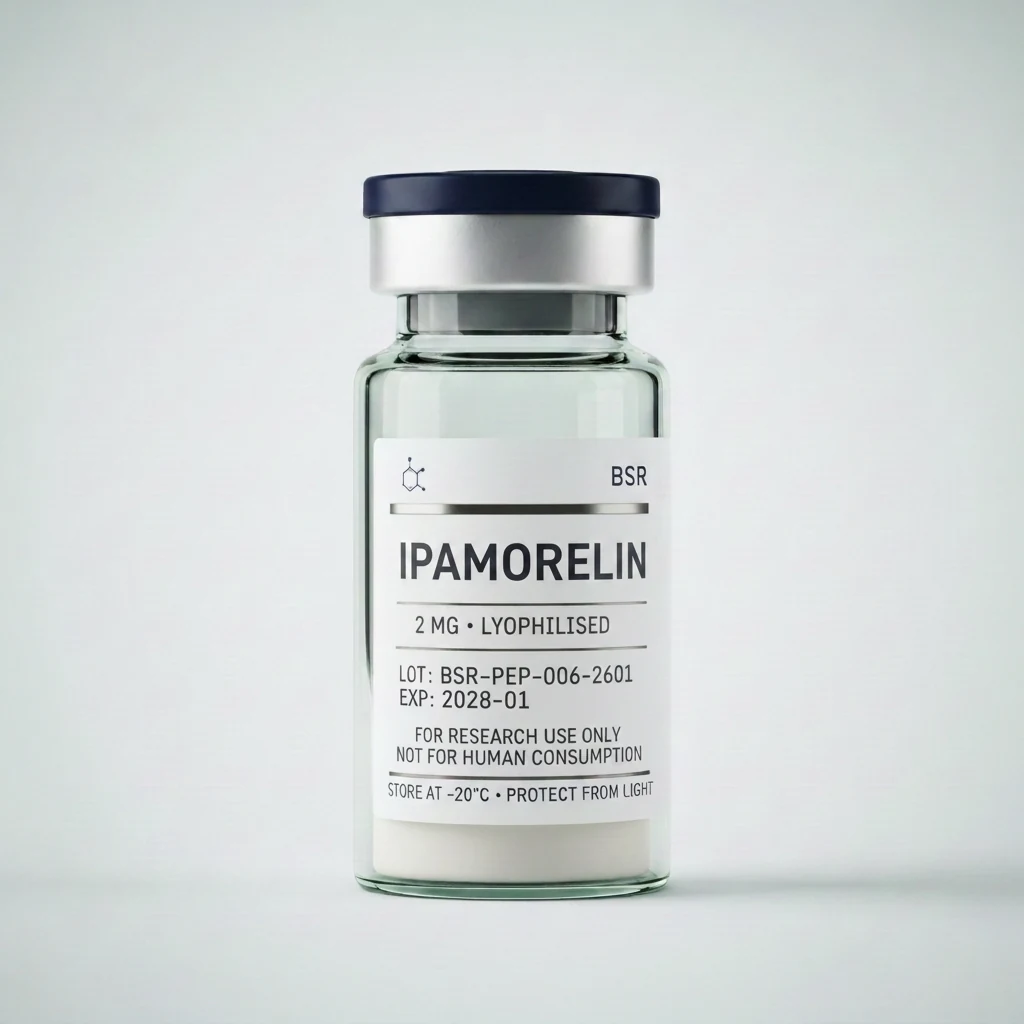
Peptide Stack confirmed that the FDA's concerns regarding ipamorelin included
What procurement professionals should watch
The practical implications for UK and European research-procurement teams are limited in the short term, since the 503A framework governs US compounding pharmacies dispensing against individual US prescriptions. However, regulatory direction in the US typically influences sourcing confidence and supplier behaviour globally.
Sheppard Mullin's regulatory team noted an important layer below the federal picture:
The FDA's own scientists recommended against all seven peptides in their pre-meeting briefing documents, citing inadequate characterisation and insufficient evidence of effectiveness.
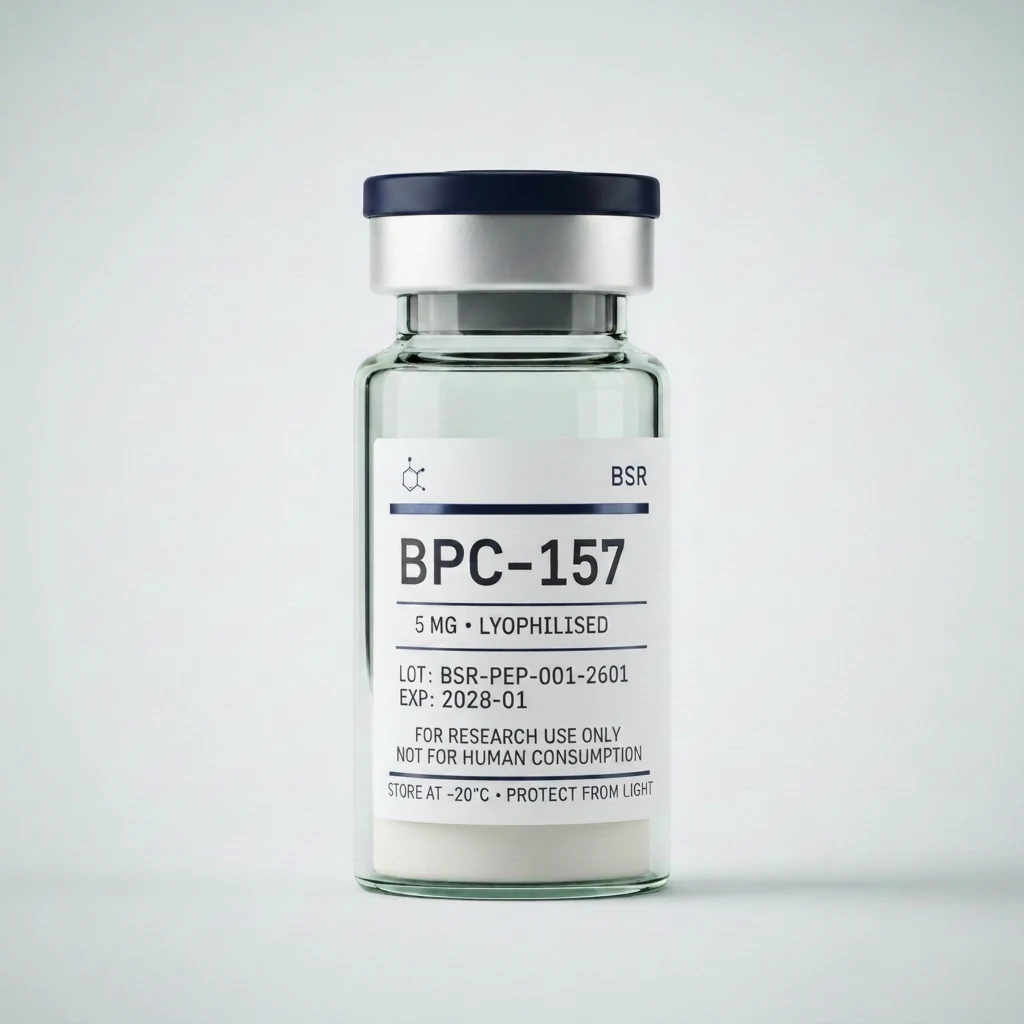
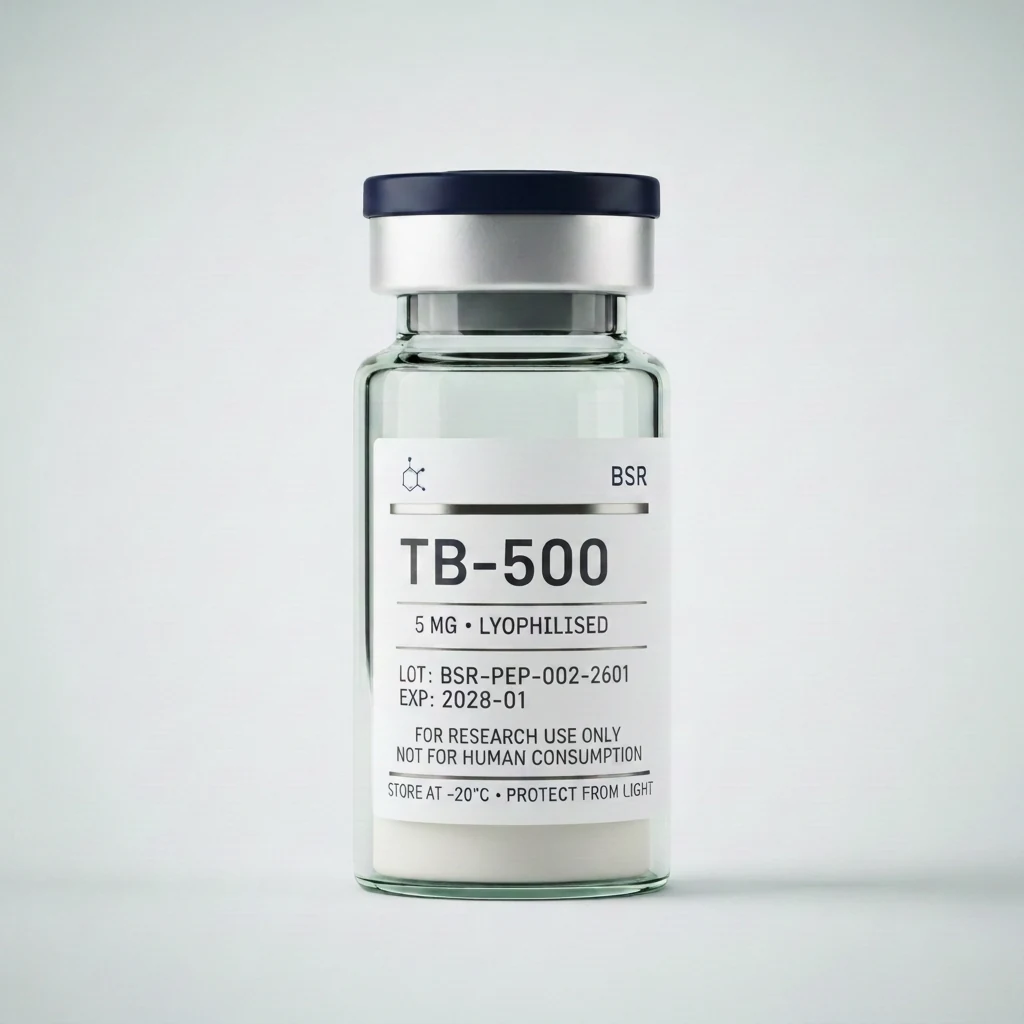
Research-grade material, HPLC verified, certificate of analysis with every order.
The week's Intelligence in one email, every Friday morning.
Regulatory moves, trial readouts, supply-chain news. No product pitches. Unsubscribe in one click.
More in Regulatory & Policy
One Amino Acid, Three High Stakes: What the Seventh Circuit's Pending Retatrutide Ruling Means for Exclusivity, Medicare Pricing, and Compounding Access
12 Oct 2026
FDA Career Scientists Formally Oppose Administration's Interim Peptide Dispensing Plan — and What the Internal Split Means for Research Procurement
11 Oct 2026
HHS Stopgap Plan for Restricted Peptides: What the Reported Enforcement-Discretion Proposal Means for Research Procurement
09 Oct 2026