Regulatory & Policy · 25 Jul 2026
PCAC Votes to Recommend All Four Day-One Peptides Over FDA Scientists' Objections — What Comes Next for the Research Supply Chain
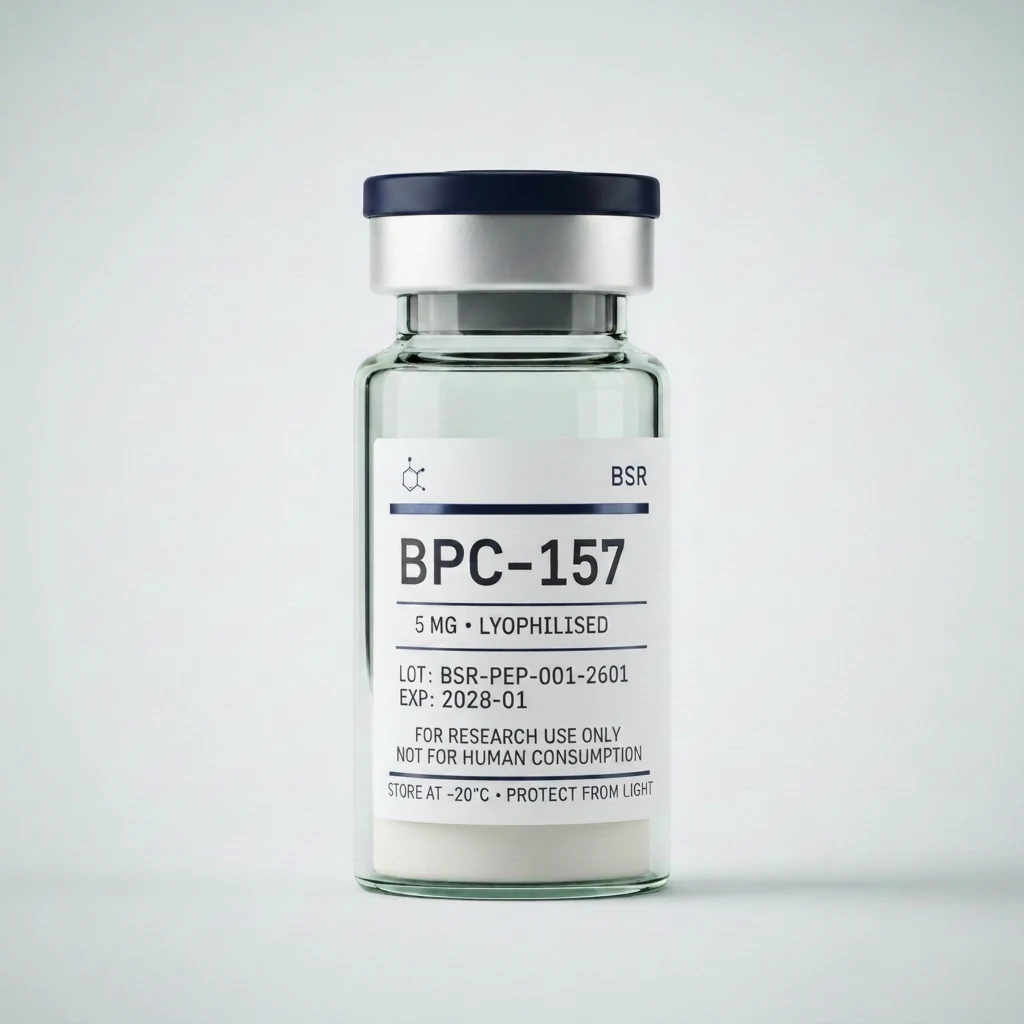
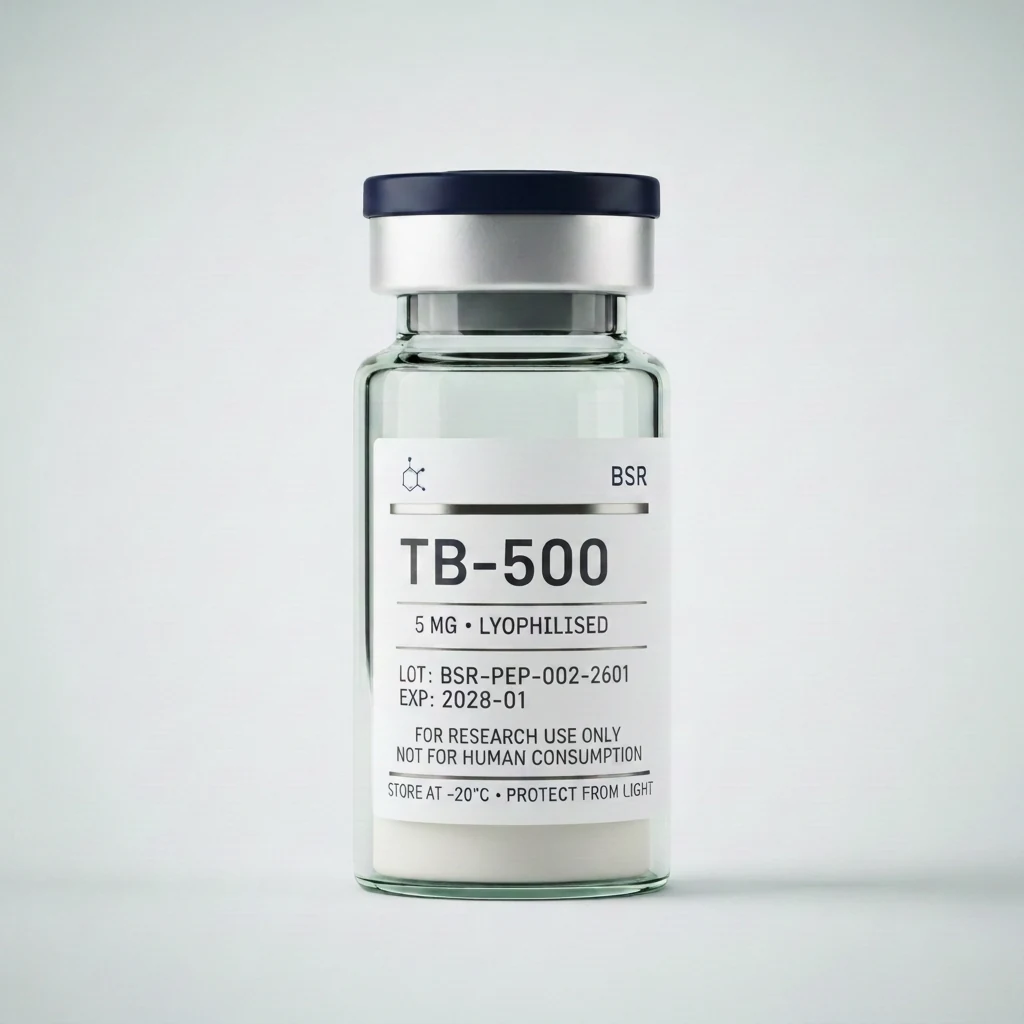
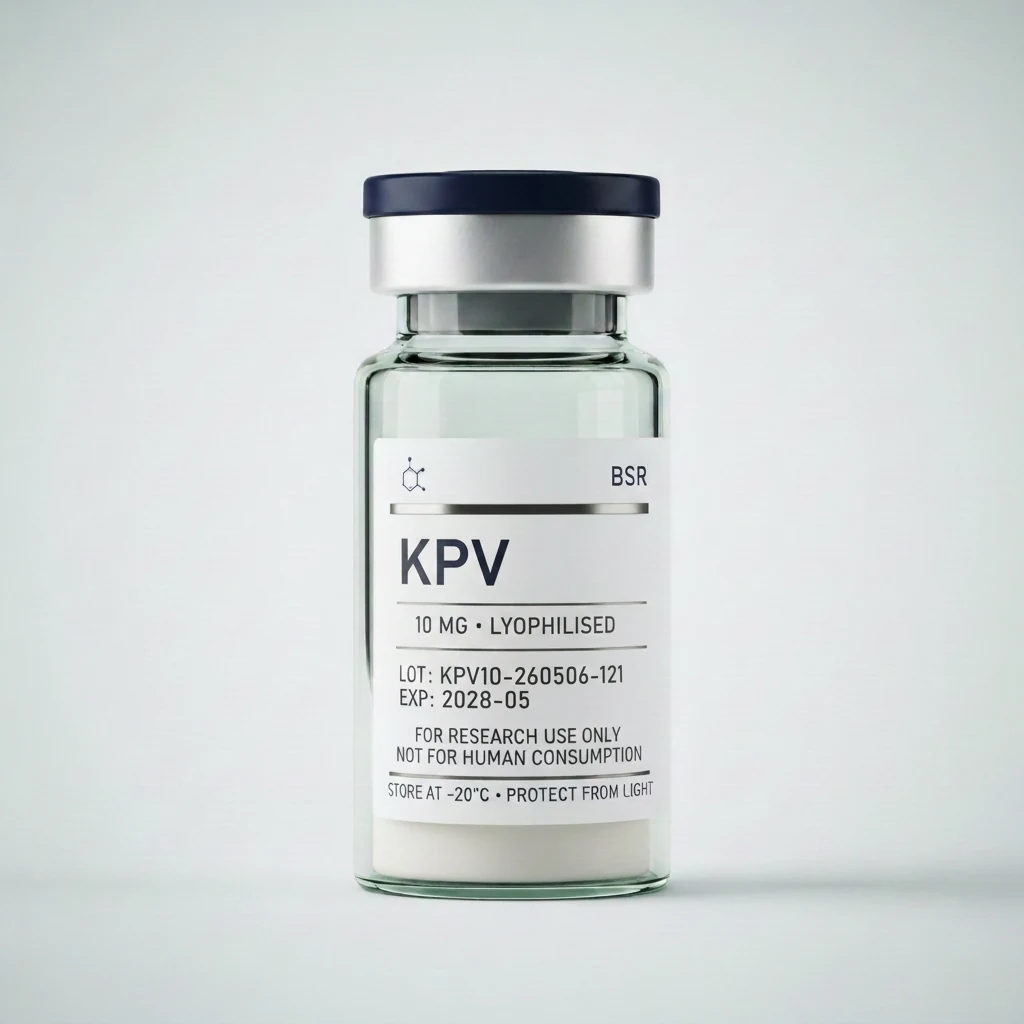
The FDA's Pharmacy Compounding Advisory Committee voted on 23 July to recommend BPC-157, KPV, TB-500 and MOTS-c for inclusion on the 503A Bulk Drug Substances List, defying its own career scientists on every substance. Day two votes on Semax, Epitalon and Emideltide followed on 24 July. A formal rulemaking process of eight to eighteen months now stands between the recommendations and any change in legal compounding status — and five further peptides await a second PCAC meeting before the end…
12 sources cited
Key takeaways
- The FDA Pharmacy Compounding Advisory Committee (PCAC) voted on 23 July 2026 to recommend all four Day-one peptides — BPC-157, KPV, TB-500 and MOTS-c — for inclusion on the Section 503A Bulk Drug Substances List, overriding the negative position of FDA career scientists.
- Vote tallies were 8–6–1 for BPC-157, KPV and TB-500; MOTS-c was closer at 7–5–2.
- Semax, Epitalon and Emideltide (DSIP) were reviewed on 24 July; confirmed final tallies for Day two were not yet published at the time of writing.
- A positive PCAC recommendation is non-binding and initiates a formal notice-and-comment rulemaking process estimated at eight to eighteen months before 503A pharmacies would gain unambiguous legal authority to compound the substances.
- Five further peptides — GHK-Cu, LL-37, Melanotan II, Dihexa and PEG-MGF — await a second PCAC meeting scheduled before the end of February 2027.
The meeting in brief
The PCAC convened on 23 and 24 July 2026 at the FDA's White Oak campus in Silver Spring, Maryland, to review seven bulk drug substances that pharmacies have compounded into injectable, nasal spray, oral and topical products for years without those substances appearing on FDA's official list of approved 503A bulk drug substances.
The docket, FDA-2025-N-6895, attracted approximately 1,860 public comments and became a significant flashpoint in the broader debate over the future of peptide compounding in the United States.
The structural tension at the meeting was clear from the outset. FDA's briefing documents proposed the same conclusion for each of the seven peptides: do not add them to the 503A Bulks List. Across all seven, FDA cited that the substances are not well-characterised, that there is little or no human evidence of effectiveness for the proposed (mostly injectable) routes, and that there is insufficient human safety data — including unassessed immunogenicity risk.
The committee voted the other way. The PCAC voted on 23 July to recommend all four peptides under review that day — BPC-157, KPV, TB-500 and MOTS-c — for inclusion on the agency's Section 503A Bulk Drug Substances List.
Vote tallies and committee composition
The margin reveals how the outcome was achieved. For BPC-157, KPV and TB-500, all eight of the committee's newly added temporary members voted yes, six other members voted no, and one abstained. MOTS-c was closer: seven of the eight new appointees voted yes, five members voted no, and two abstained, including one of the new appointees.
Reporters in the room described an audible gasp when the first BPC-157 tally was read, because the committee had just done something a compounding advisory panel almost never does — it voted against the FDA staff's own written recommendation.
The pattern of the eight temporary members voting uniformly in favour across three of the four substances was noted by legal observers as significant. As one legal commentator framed it, "there are three distinct legal events the market keeps treating as one — removal from Category 2, a PCAC recommendation, and actual placement on the Category 1 compoundable list following notice-and-comment rulemaking," with the advisory committee's recommendation still triggering "a formal rulemaking cycle that realistically runs eight to twelve months before 503A pharmacies have unambiguous legal authority to compound these substances."
Day two: Semax, Epitalon and Emideltide
On 24 July 2026, the Committee discussed Emideltide (also referred to as delta sleep-inducing peptide, DSIP), Semax and Epitalon, each considered in both free base and acetate salt forms.
The three Day-two peptides carry materially thinner evidence bases than those reviewed on Day one. Semax was nominated for cognitive function; its Russian-approved indication is post-stroke cognitive recovery, and US-language clinical data is limited. Epitalon was nominated for healthy ageing, with longevity claims relying on aging cohort studies from a single research group — a structural evidence weakness. The Emideltide nomination listed intended uses of opioid withdrawal, chronic insomnia and narcolepsy.
Confirmed final vote tallies for Day two had not been published at press time. The momentum from Day one was widely noted: after a four-for-four Thursday, momentum clearly favoured the Day-two peptides.
Opposition from industry bodies
The vote did not go uncontested by organised stakeholders. PhRMA, the Partnership for Safe Medicines and the American Pharmacists Association each opposed inclusion of all seven substances. PhRMA argued that the PCAC may not be free of conflicts of interest and that the FDA's four-factor standard compelled exclusion. The Partnership for Safe Medicines cited the absence of adequate human clinical evidence, limited enforcement capacity and supply chain risks, including Chinese fentanyl-precursor manufacturers pivoting into peptide sales.
The supply-chain dimension is of particular relevance to research-procurement professionals in the UK. Impurity profiles and batch-to-batch consistency remain concerns whether or not a substance ultimately joins the 503A list, because 503A approval pertains to licensed US compounding pharmacies, not to international research-grade supply channels.
What the regulatory path forward looks like
The PCAC recommendation initiates a defined sequence of steps before any substance is formally added to the 503A Bulks List. The evaluation process has four steps: FDA refers the substance to PCAC; PCAC schedules a public meeting and reviews the safety and efficacy evidence; PCAC votes to recommend for or against adding the substance; the FDA then conducts notice-and-comment rulemaking before any substance is formally added.
Even with the committee having voted to recommend all seven peptides for 503A inclusion, actual legalisation for compounding requires additional steps: FDA reviews the committee recommendation and determines whether to initiate rulemaking — a determination that is entirely FDA's discretion and not mandated by a positive PCAC vote — followed by a Notice of Proposed Rulemaking published in the Federal Register, then a comment period of typically 60–90 days.
Under typical rulemaking timelines, this process takes 12–18 months from a positive committee vote. Separate legal commentary suggests the process may, at the more optimistic end, conclude in eight to twelve months.
It is also important to note that in April 2026 the FDA removed these seven peptides from Category 2 of the Bulks List — a designation that had barred compounding pharmacies from using them since 2023. Coming off Category 2 does not mean a peptide can be compounded; it means the substance is now eligible for the FDA's review process, which includes the PCAC meeting.
A "yes" this week is still a long way from a pharmacy shelf. PCAC's recommendation is advisory, not binding. Even if the committee backs inclusion and the FDA agrees, formal notice-and-comment rulemaking would still be required — a process that typically runs well over a year.
The five peptides still awaiting review
The FDA announced that the PCAC will convene again before the end of February 2027 to review five additional peptides for the 503A Bulk Drug Substances List: GHK-Cu, Melanotan II, Cathelicidin (LL-37), Dihexa acetate and Mechano Growth Factor, Pegylated (PEG-MGF).
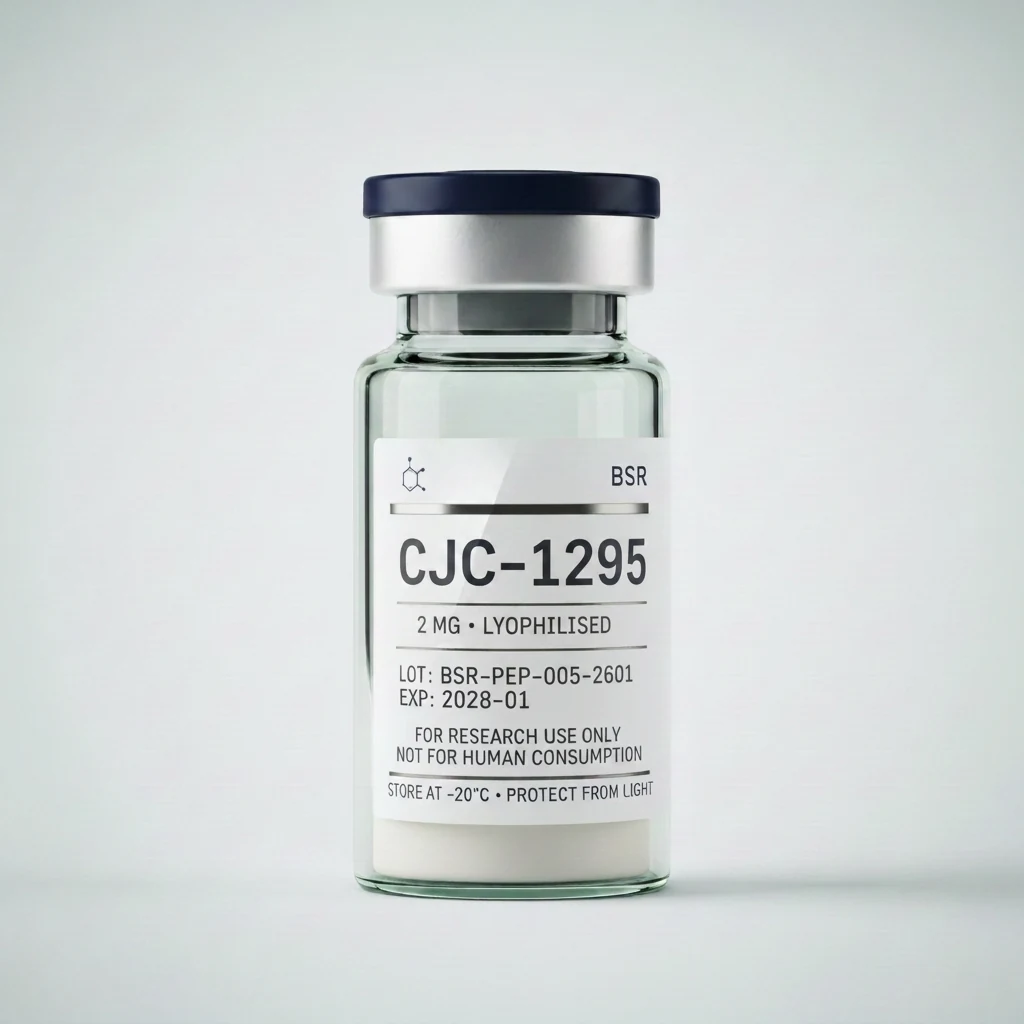
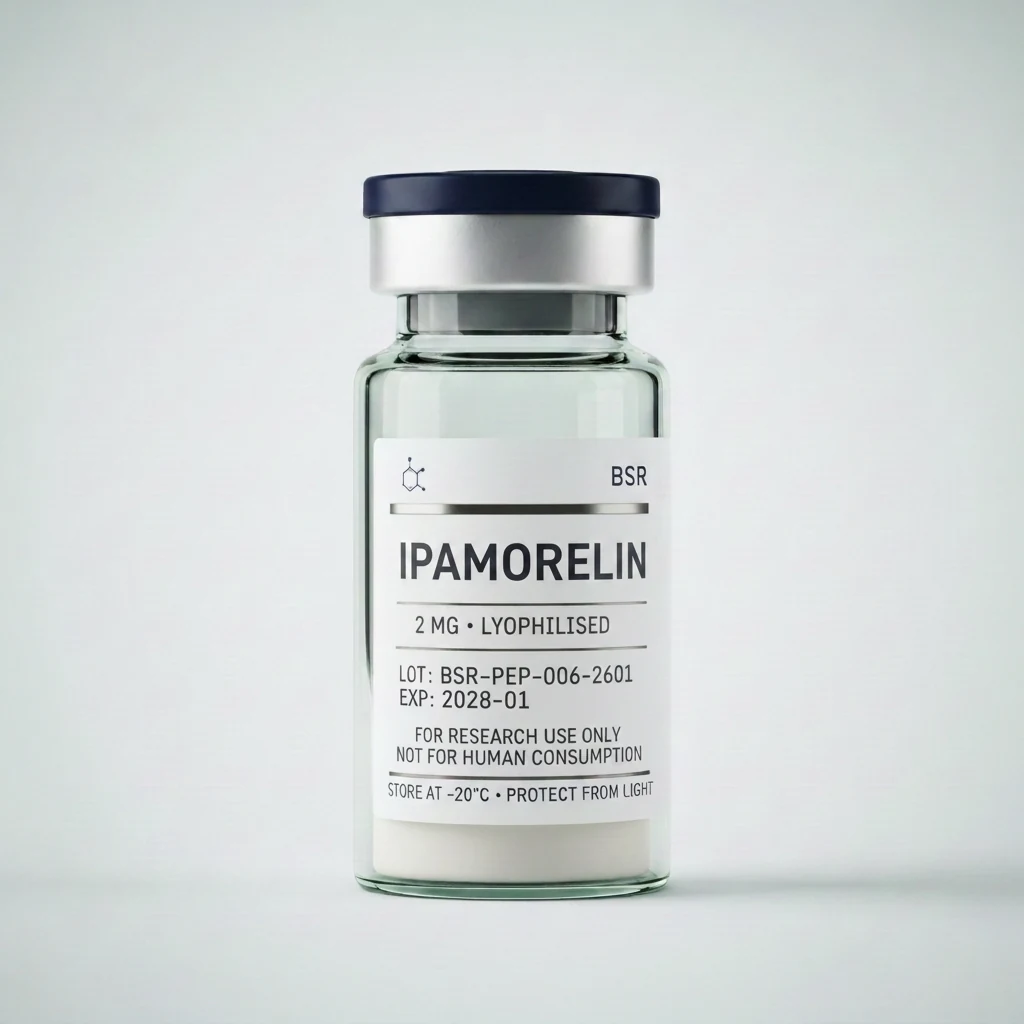
Separately, five other peptides — CJC-1295, Ipamorelin, AOD-9604, Thymosin Alpha-1 and Selank — were referred to PCAC in September 2024, but PCAC voted against four of them (CJC-1295, Ipamorelin, AOD-9604 and Thymosin Alpha-1) at meetings in October and December 2024. Selank has not been scheduled for review at either of the two announced PCAC meetings.
Practical considerations for UK research procurement
From a UK research-procurement perspective, the PCAC vote does not alter the legal or regulatory status of any of these substances in the United Kingdom. The MHRA operates an independent regulatory framework, and no formal equivalence exists between US 503A compounding eligibility and UK research-use or clinical-supply permissions.
The practical significance for UK laboratories lies in what the US regulatory direction signals about long-term peptide supply. A formalised US compounding pathway, if it materialises after rulemaking, would tend to support investment in manufacturing infrastructure and quality-assurance processes for these compounds — factors that can improve purity standards and documentation quality across international supply channels over time.
The quality question remains open regardless of how the regulatory politics resolve. The naming and characterisation concerns FDA raised are real. Where these compounds originate and whether the supplier tests each batch for potency, purity and sterility matters more than the regulatory headline.
Research procurement teams should continue to require current Certificates of Analysis, independent third-party purity confirmation by HPLC or mass spectrometry, and supplier documentation of sterile manufacturing conditions for any injectable-grade peptide materials — irrespective of which side of any regulatory process a given substance currently sits on.
BSR Intelligence will monitor the Day-two vote tallies, the timing of any FDA notice of proposed rulemaking, and the scheduling of the February 2027 PCAC meeting as events develop.
Research-grade material, HPLC verified, certificate of analysis with every order.
The week's Intelligence in one email, every Friday morning.
Regulatory moves, trial readouts, supply-chain news. No product pitches. Unsubscribe in one click.
More in Regulatory & Policy
Peptide Interim Access Policy Enters White House Review: What the OIRA Submission and This Week's OMB Meeting Mean for Research Procurement
19 Oct 2026
One Amino Acid, Three High Stakes: What the Seventh Circuit's Pending Retatrutide Ruling Means for Exclusivity, Medicare Pricing, and Compounding Access
12 Oct 2026
FDA Career Scientists Formally Oppose Administration's Interim Peptide Dispensing Plan — and What the Internal Split Means for Research Procurement
11 Oct 2026