Reputational Risks · 19 Nov 2026
Bacterial Contamination in Seized Peptide Vials, Adverse Event Data and the "Research Use Only" Label: A Procurement Risk Assessment
Health Canada seized more than 11,400 contaminated vials from a Chinese peptide supplier in early November, while US health professionals cited two retatrutide-linked deaths and over 1,700 adverse events linked to compounded GLP-1 peptides. Against that backdrop, Hims & Hers launched its Peptides+ platform on 18 November — a sequence of events that illustrates the supply-chain and provenance risks facing research procurement teams sourcing peptides through unverified channels.
12 sources cited
Key takeaways
- Health Canada seized more than 11,400 vials of injectable peptides from Shanghai ERP Peptide Biotechnology Co. in early November 2026, with laboratory testing confirming bacterial contamination including Acinetobacter seifertii, Acinetobacter nosocomialis and Cutibacterium acnes.
- Some seized vials carried "For Research Purposes Only" labelling; Health Canada stated explicitly that such labelling confers no regulatory exemption and does not substitute for quality testing to human-use standards.
- US health professionals cited FDA data showing two reported deaths following use of products purportedly containing retatrutide and more than 1,700 adverse events associated with compounded semaglutide and tirzepatide.
- FDA inspections found noncompliance at 21% of 48 foreign GLP-1 active pharmaceutical ingredient (API) manufacturing sites evaluated; a Chinese API producer, Harbin Jixianglong Biotech, was found to have relabelled ingredients from unapproved suppliers before two batches of semaglutide API were recalled.
- Hims & Hers launched its Peptides+ platform on 18 November 2026, offering compounded sermorelin, glutathione, NAD+, vitamin B-12 and L-carnitine; the company acknowledged that BPC-157 and TB-500 would be added "consistent with regulatory standards" once conditions permit.
- The juxtaposition of regulatory enforcement actions in Canada and ongoing quality failures in the API supply chain underlines source-verification obligations for UK procurement teams, even where material is purchased strictly for research use.
The Health Canada seizures in detail
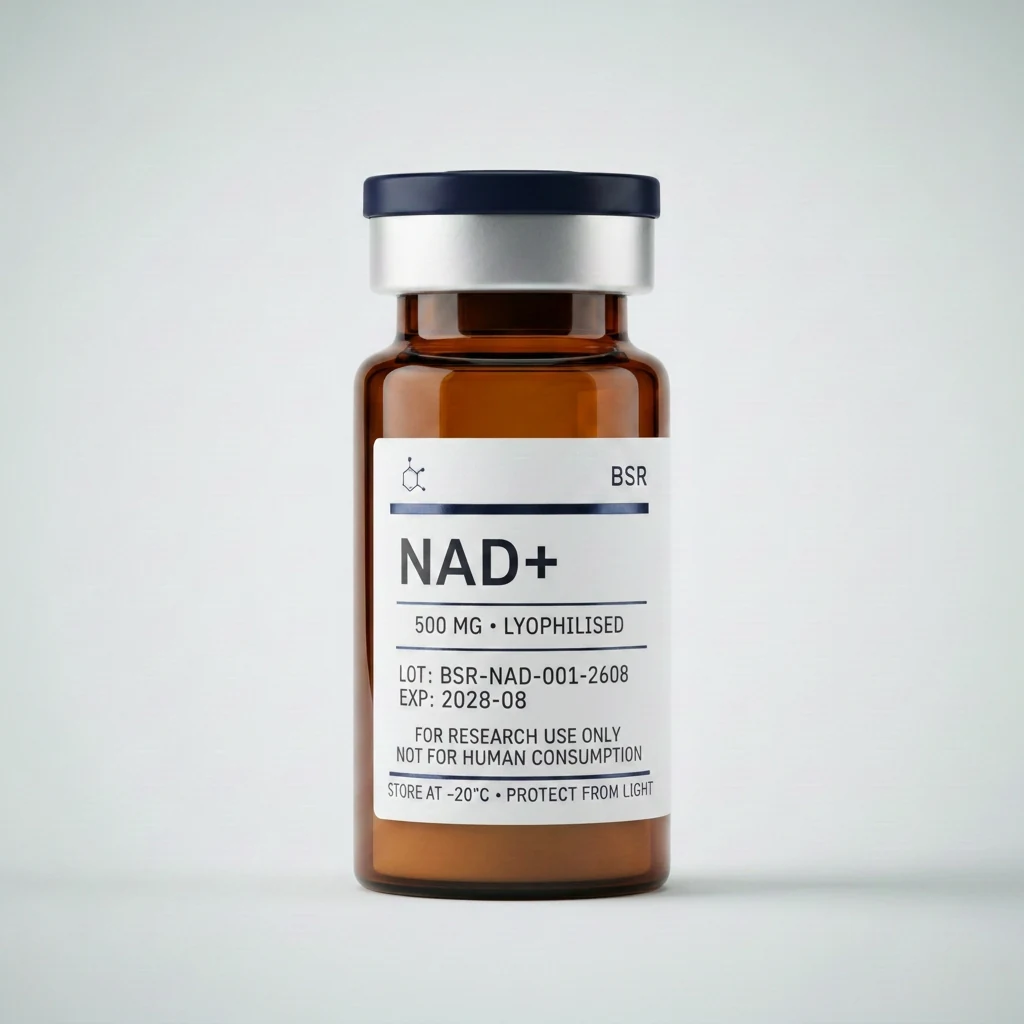
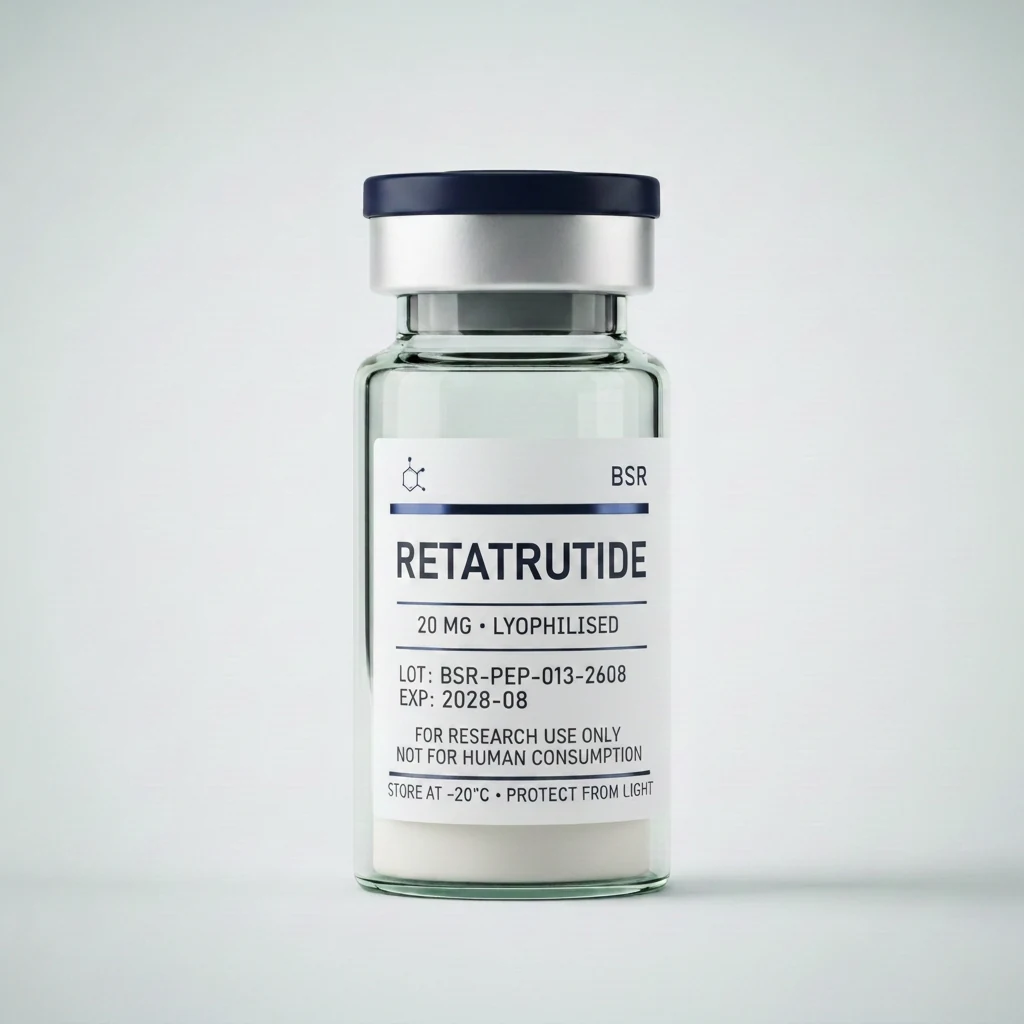
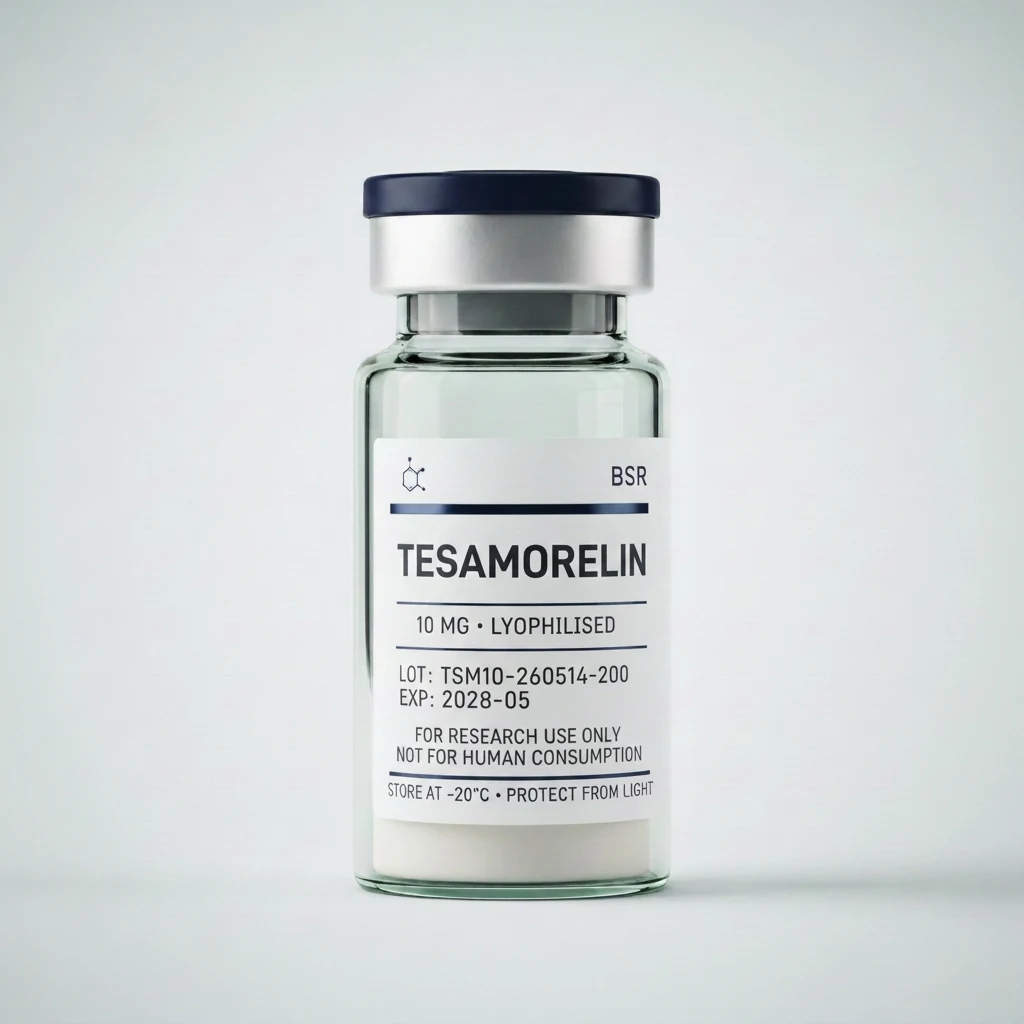
Health Canada seized and tested unauthorized injectable peptides from Shanghai ERP Peptide Biotechnology Co. Ltd. (ERP Peptide), issuing a public advisory on 6 November 2026 covering products including MOTS-C, NAD+, retatrutide, tesamorelin and tirzepatide.
Laboratory analysis of the seized vials identified bacteria including Acinetobacter seifertii, Acinetobacter nosocomialis and Propionibacterium (Cutibacterium) acnes. Health Canada warned that injecting contaminated products can cause serious infections, hospitalisation and, in severe cases, life-threatening sepsis, with the risk elevated in immunocompromised individuals.
Health Canada discovered the contamination after seizing and testing more than 11,400 vials produced by ERP Peptide. The department traced distribution to two Canadian online retailers — truenorthbiolabs.ca and bcaxiompeptide.com. Health Canada instructed ERP Peptide to cease selling peptides into Canada immediately and engaged the Canada Border Services Agency to intercept further shipments at the border.
A second enforcement action followed days later. On 12 November 2026, Health Canada warned consumers not to inject or consume unauthorised peptides after laboratory testing found bacterial contamination in one injectable peptide product seized from an Ottawa wellness store. Affected products at that outlet included BPC-157, retatrutide and the so-called "Wolverine Stack" of BPC-157 and TB-500.
The "Research Use Only" label offers no protection
The seized consignments raise a specific concern for research-procurement professionals. Some of the seized vials were labelled "For Research Purposes Only"; Health Canada stated that such labelling does not make products legal or exempt from regulatory requirements, and that those products had not been manufactured or tested to meet quality standards for human-use health products.
This matters for UK laboratories because products marketed under a research-use-only designation frequently originate from the same overseas suppliers implicated in enforcement actions. MHRA guidance on unlicensed medicines draws an analogous boundary: a product intended for administration — directly or indirectly — must meet the same quality standards as a licensed medicine, regardless of how the outer label describes its intended use. Procurement teams sourcing peptides for in-house studies should request certificates of analysis from an accredited third-party laboratory, not solely from the supplier, and should verify that the stated manufacturing site appears in a reputable regulatory database such as the FDA Establishment Inventory or the EMA's EudraGMDP.
US adverse-event data: a worsening picture
The FDA received two reports of deaths following use of products purportedly containing retatrutide, an experimental weight-loss peptide, and has also received more than 1,700 adverse-event reports associated with compounded semaglutide and tirzepatide.
In one case, a compounding pharmacy recalled compounded tirzepatide injections nationwide in September 2026 over sterility concerns, following a December 2025 FDA warning letter citing serious deficiencies in its sterile drug production practices.
The API supply chain is a particular vulnerability. FDA found evidence of noncompliance at 21% of the 48 GLP-1 foreign API manufacturing sites it evaluated. In May, the agency documented serious violations at China's Harbin Jixianglong Biotech, including relabelling ingredients from unapproved suppliers and inadequate testing for impurities and bacterial endotoxins; the company subsequently recalled two batches of semaglutide ingredients.
These findings are significant because the same Chinese API ecosystem supplies research-grade peptide material to global buyers. A vial purchased for biochemical assay work in a UK laboratory may carry material that passed through a site with demonstrated endotoxin-testing failures.
Hims & Hers Peptides+ and the mainstreaming dynamic
On 18 November 2026, Hims & Hers Health announced the launch of five new peptide and longevity-related formulations as part of its Peptides+ platform, produced in US pharmacies, following the federal government's easing of regulatory restrictions on certain unapproved peptide formulations.
The products include compounded formulations of sermorelin, a peptide that stimulates growth-hormone release and is marketed for recovery, body composition and anti-ageing; glutathione, a peptide promoted for anti-ageing and athletic recovery; and nicotinamide adenine dinucleotide, or NAD+, a coenzyme that plays a role in cellular metabolism.
According to a company spokesperson, more than 10,000 people joined the early-access waiting list within 15 days of its late-October launch; Hims & Hers said the products are manufactured by licensed US pharmacies subject to state pharmacy board oversight. The company stated it plans to add BPC-157 and TB-500 "consistent with regulatory standards."
Medical experts have raised concerns. Independent researchers questioned whether the available evidence justifies wider consumer access to compounded peptides. The FDA reported in August that it had received reports of at least 30 patients who experienced adverse events after receiving compounded intravenous glutathione — one of the same ingredients now offered through the Peptides+ platform. All of the glutathione tied to those reports was from the same wholesale distributor and was labelled as dietary supplement grade, which is not an appropriate ingredient for manufacturing injectable drugs; two Texas pharmacies conducted recalls related to elevated endotoxin levels in their glutathione injectable products.
The commercial mainstreaming of compounded peptides through telehealth platforms increases demand and can exert downward pricing pressure across the supply chain. When procurement margins compress, the incentive to source from non-GMP-certified API producers rises — and this is where research laboratories may be indirectly exposed even if they never use a consumer telehealth service.
Implications for UK research procurement
The events of the past fortnight — the Health Canada seizures, the US adverse-event data and the AMA's formal call for rescission of the HHS enforcement policy, submitted in its November comments — collectively illustrate five procurement risks worth documenting in internal risk registers:
-
Provenance opacity. Peptide products, including those labelled for research use only, may originate from API manufacturers with known GMP non-compliance findings. Supplier audits should include verification of the API source, not solely the finished-goods compounder or reseller.
-
Bacterial and endotoxin contamination. Even lyophilised peptides can carry endotoxin loads sufficient to confound cell-culture and in-vivo research. Certificate of analysis review should confirm LAL (limulus amebocyte lysate) or recombinant factor C endotoxin testing results, not merely purity by HPLC.
-
"Research use only" does not equal quality-assured. As Health Canada's advisory makes explicit, the label is not a regulatory classification that confers exemption from contamination or adulteration risk. MHRA's position on unlicensed specials operates on the same principle.
-
Lot-to-lot variability increases when demand spikes. The rapid consumer demand created by telehealth platforms and enforcement-discretion policies increases lot-to-lot variability risk. Procurement teams should request pairwise comparative CoA data across recent lots before committing to a supplier for a multi-year research programme.
-
Reputational and legal exposure. A UK university or contract research organisation that purchases peptide material later linked to a supplier under regulatory sanction — even for legitimate research — faces reputational risk and potential MHRA inquiry. Maintaining documented supplier qualification records is prudent.
In Canada, injectable peptides are generally regulated as prescription medications. In the UK, peptides with no licensed indication and no marketing authorisation sit outside the normal prescription-only framework but are nonetheless subject to MHRA control if they are presented as medicinal products. Research procurement teams procuring for genuine laboratory use should ensure purchase orders specify the intended use, retain evidence of institutional ethical approval where applicable and store supplier documentation for a minimum period consistent with research governance requirements.
The Health Canada seizure is a reminder that enforcement is not theoretical. Health Canada noted that unauthorised products have not been assessed for safety, efficacy and quality, and confirmed it will continue taking enforcement action, including product seizures, testing and disrupting distribution channels. The FDA's parallel work on API site inspections suggests a similar trajectory in the US. UK procurement teams sourcing from suppliers with North American distribution footprints should monitor both agencies' public enforcement databases as a matter of routine.
Research-grade material, HPLC verified, certificate of analysis with every order.
The week's Intelligence in one email, every Friday morning.
Regulatory moves, trial readouts, supply-chain news. No product pitches. Unsubscribe in one click.
More in Reputational Risks
Australia's First Confirmed Peptide Fatality: What the CJC-1295 and Ipamorelin Coroner's Findings Mean for Research Procurement
04 Nov 2026
Filthy Warehouse, 12,000 Counterfeit Pens, and a Clinic Inquiry: What the MHRA's October Enforcement Blitz Means for UK Research Procurement
23 Oct 2026
Two Deaths, Eleven Lawsuits, and a Congressional Letter: The Mounting Enforcement Response to Illicit Retatrutide
21 Oct 2026