Pharma & GLP-1 · 09 Nov 2026
argenx Acquires Macrocyclic Peptide Specialist Unnatural Products for Up to $1.15 Billion: What the Deal Signals for Oral Peptide Drug Development
argenx has announced a definitive agreement to acquire Unnatural Products, Inc., a macrocyclic peptide discovery biotech, for $550 million upfront and up to $1.15 billion in total consideration. The deal, announced on 9 November 2026, adds an AI-guided peptide platform to argenx's antibody engineering capabilities and signals growing industry conviction that oral and long-acting peptide medicines represent the next frontier in immunology.
9 sources cited
Key takeaways
- argenx has agreed to acquire Unnatural Products, Inc. (UNP) for $550 million upfront and up to $595 million in contingent milestone payments, bringing the potential total to approximately $1.15 billion.
- UNP's platform combines machine-learning-guided design with large-scale parallel synthesis to engineer macrocyclic peptides capable of oral delivery and intracellular target engagement.
- The acquisition converts a two-year research collaboration into full ownership, with UNP operating as argenx's dedicated peptide discovery site in Santa Cruz, California.
- The deal is the most significant peptide-focused acquisition announcement of November 2026 and reflects a broader industry trend towards integrating peptide modalities alongside established antibody programmes.
- For UK research-procurement professionals, the transaction has implications for the supply and intellectual property landscape around macrocyclic peptide reference materials and novel discovery platforms.
The deal at a glance
argenx (Euronext & Nasdaq: ARGX), the immunology innovation company, today announced a definitive agreement to acquire Unnatural Products, Inc. (UNP), adding a macrocyclic peptide discovery engine to its immunology innovation capabilities.
argenx SE agreed to buy Unnatural Products Inc., a Santa Cruz, California biotech that designs macrocyclic peptides, for $550 million in cash upfront and up to $595 million more if its programmes reach development and regulatory milestones, putting the potential value of the deal at about $1.15 billion.
The Amsterdam-based immunology company, whose main product is an antibody fragment that blocks the neonatal Fc receptor, already holds a minority stake in UNP and has worked with it on several drug targets for more than two years. argenx will pay the upfront portion from cash on hand. Both boards approved the deal, which is expected to close by year-end.
The $550 million upfront payment for Unnatural Products represents just 15% of argenx's remaining liquidity, according to European Biotechnology Magazine, suggesting the transaction is comfortably within argenx's balance-sheet capacity.
What Unnatural Products brings to argenx
Unnatural Products, Inc., a Santa Cruz, California-based biotech company, has developed a platform that addresses the complexities of medicinal chemistry in the macrocyclic peptide space through a combination of parallel experimentation and machine learning.
The company has developed a platform combining AI-guided design with parallel synthesis and screening to engineer macrocyclic peptides. Macrocyclic peptides can be delivered orally and can reach intracellular targets. These two properties — oral bioavailability and intracellular access — are precisely the characteristics that have historically limited conventional peptide therapeutics, which typically require injection and act exclusively on cell-surface receptors.
The acquisition integrates UNP's macrocyclic peptide discovery platform, which uses parallel experimentation and machine learning to address traditionally difficult-to-drug targets.
From argenx's perspective, the strategic rationale is explicit. This acquisition expands the ways argenx can pursue novel biology and develop oral or long-acting medicines for people living with serious immune-mediated diseases. "UNP adds macrocyclic peptide capabilities that are highly complementary to our antibody engineering and creates new possibilities for oral and long-acting medicines."
From partnership to full ownership
The transaction does not represent a cold acquisition of an unfamiliar asset. Under an earlier agreement, UNP was responsible for discovering oral macrocyclic peptides against targets selected by argenx, which held options to develop and commercialise resulting drugs.
Specifically, argenx and UNP have been working together on an oral FcRn inhibitor, targeting the same receptor as argenx's blockbuster Vyvgart. An oral treatment could offer patients a meaningfully more convenient alternative to Vyvgart's existing injectable formulations — a commercially significant prospect given Vyvgart's position in autoimmune disease.
UNP's team, led by co-founder and Chief Executive Cameron Pye, will stay in Santa Cruz, which becomes argenx's peptide discovery site, and will keep running its discovery work within a framework agreed with the parent. argenx will handle clinical development and commercialisation.
The transaction builds on more than two years of collaboration and investment, with UNP continuing to operate from Santa Cruz, California with its current team, preserving the science-first culture behind its success.
Why macrocyclic peptides are attracting capital
Macrocyclic peptides occupy a structurally distinctive niche in the drug-modality landscape. Unlike linear peptides — which degrade rapidly in the gastrointestinal tract and are excluded from intracellular compartments — macrocycles possess conformational rigidity that confers improved metabolic stability, membrane permeability, and oral absorption. This makes them mechanistically attractive for targets previously accessible only to small molecules or large biologics.
The argenx deal follows a broader pattern of large biopharma and immunology companies moving to secure peptide discovery capabilities through acquisition rather than internal build. Earlier in 2026, Novartis entered into a worldwide licence agreement for $50 million with China-based Zonsen PepLib Biotech, in exchange for global rights to an undisclosed peptide-based radioligand therapy for oncology indications, illustrating that peptide platforms are attracting deal interest across therapeutic areas and modality types.
The argenx transaction is, however, notable for its scale and for the explicit focus on oral delivery — a capability that has long been regarded as the principal limitation of peptide therapeutics in mainstream drug development.
Context: the broader peptide regulatory and market environment
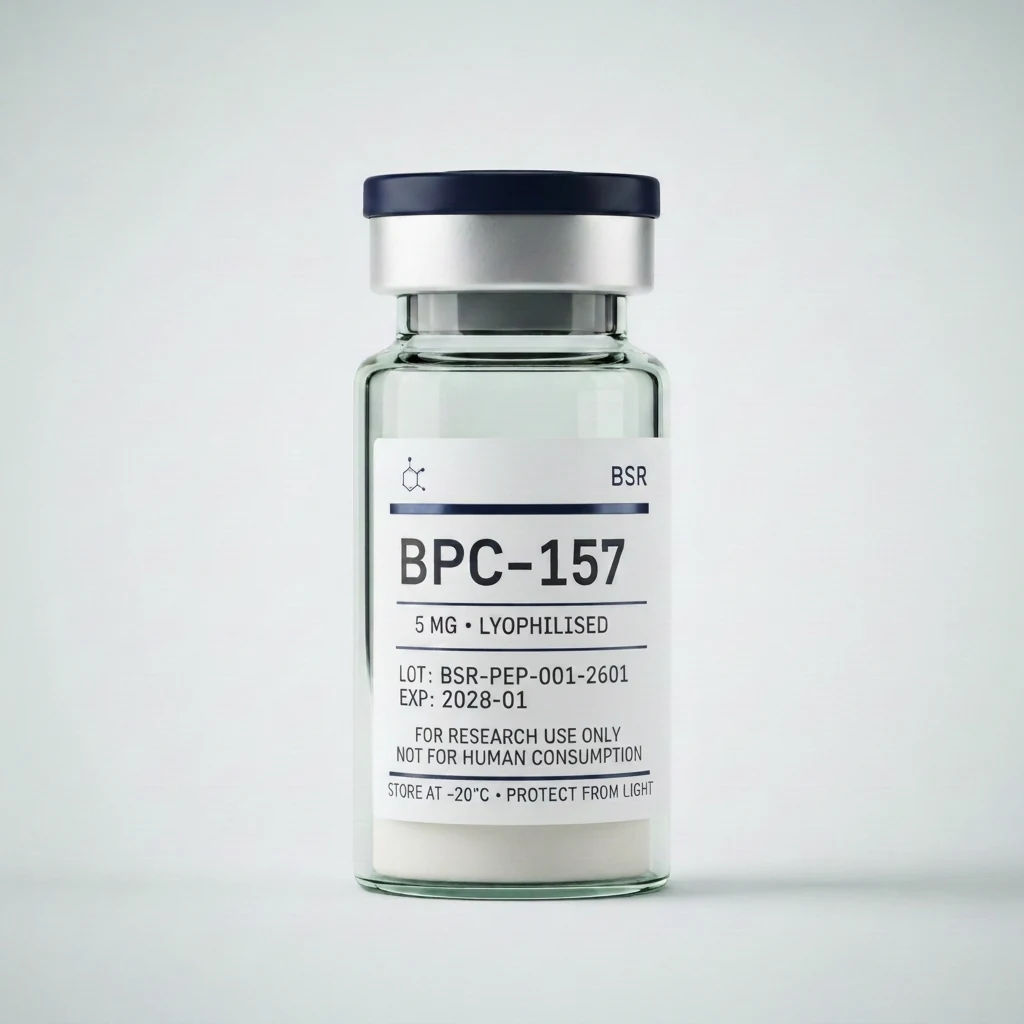
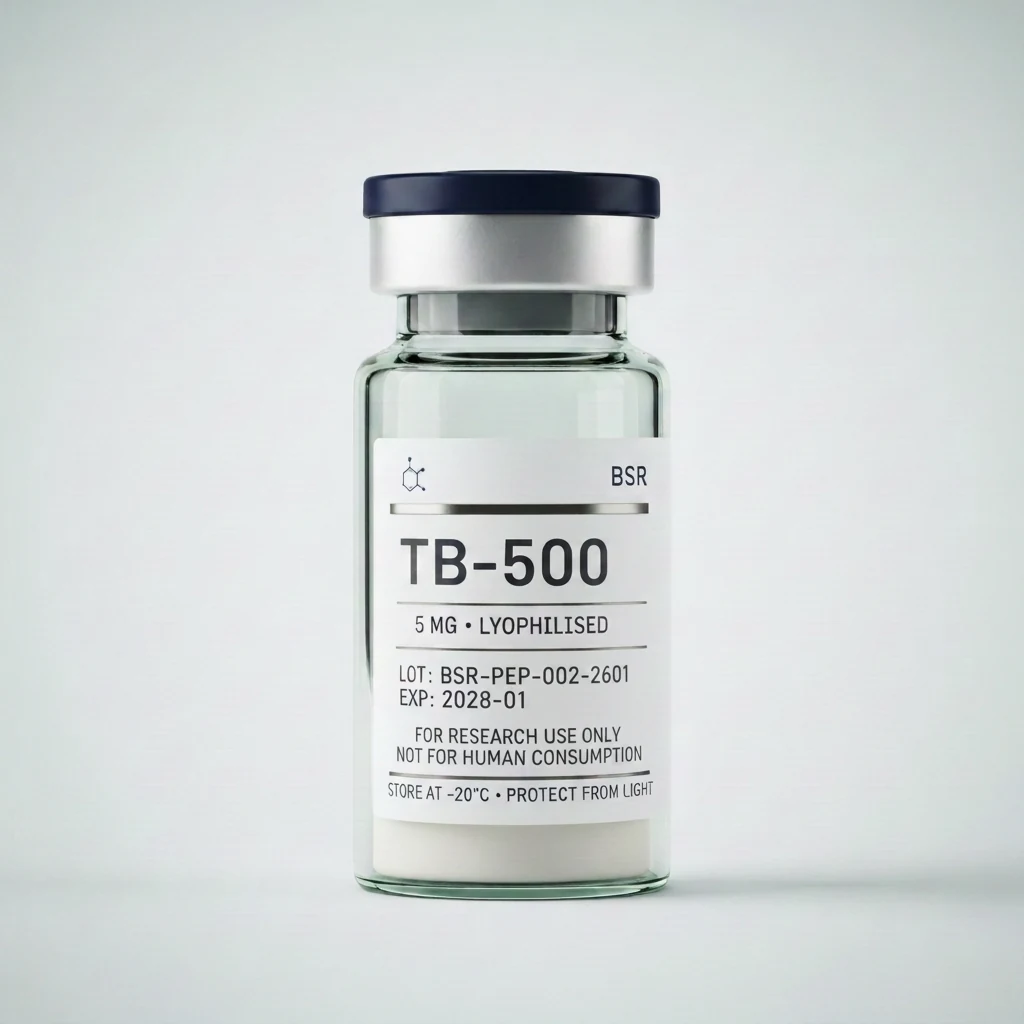
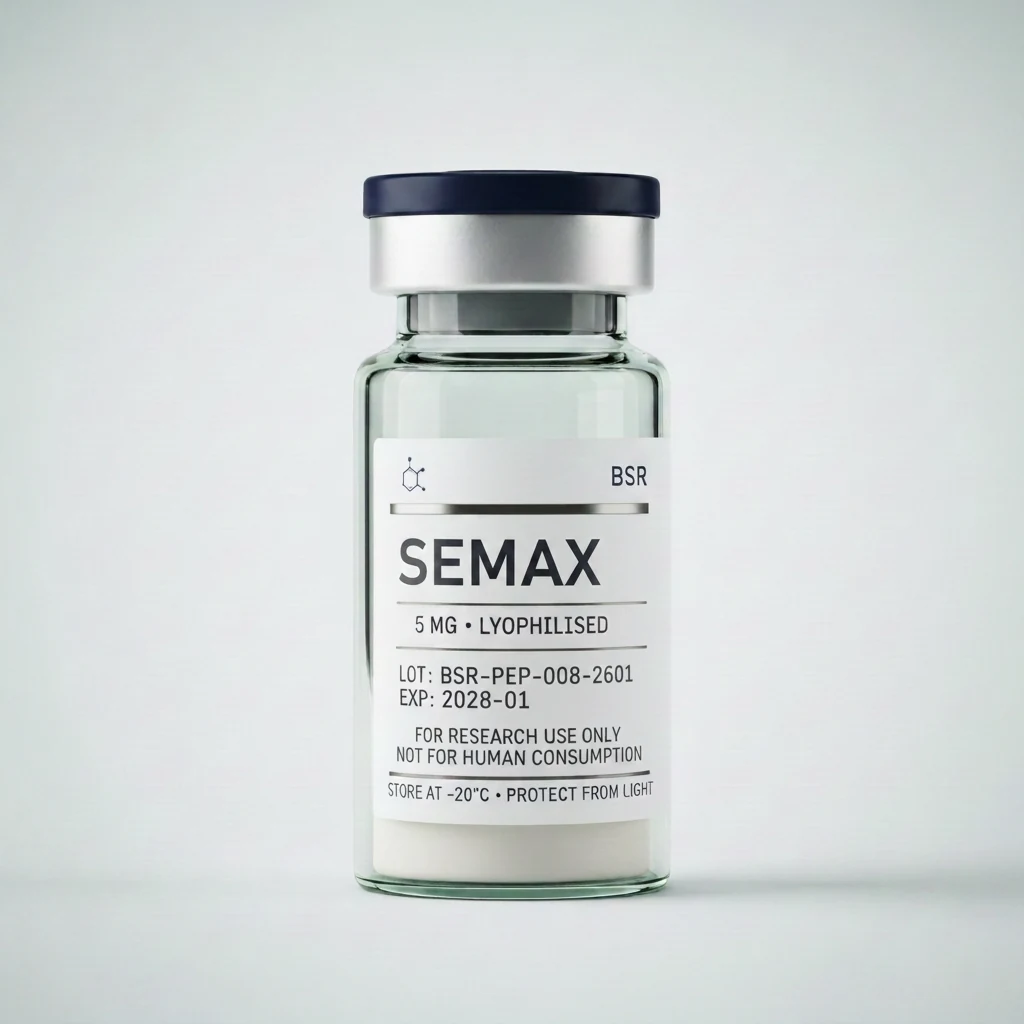
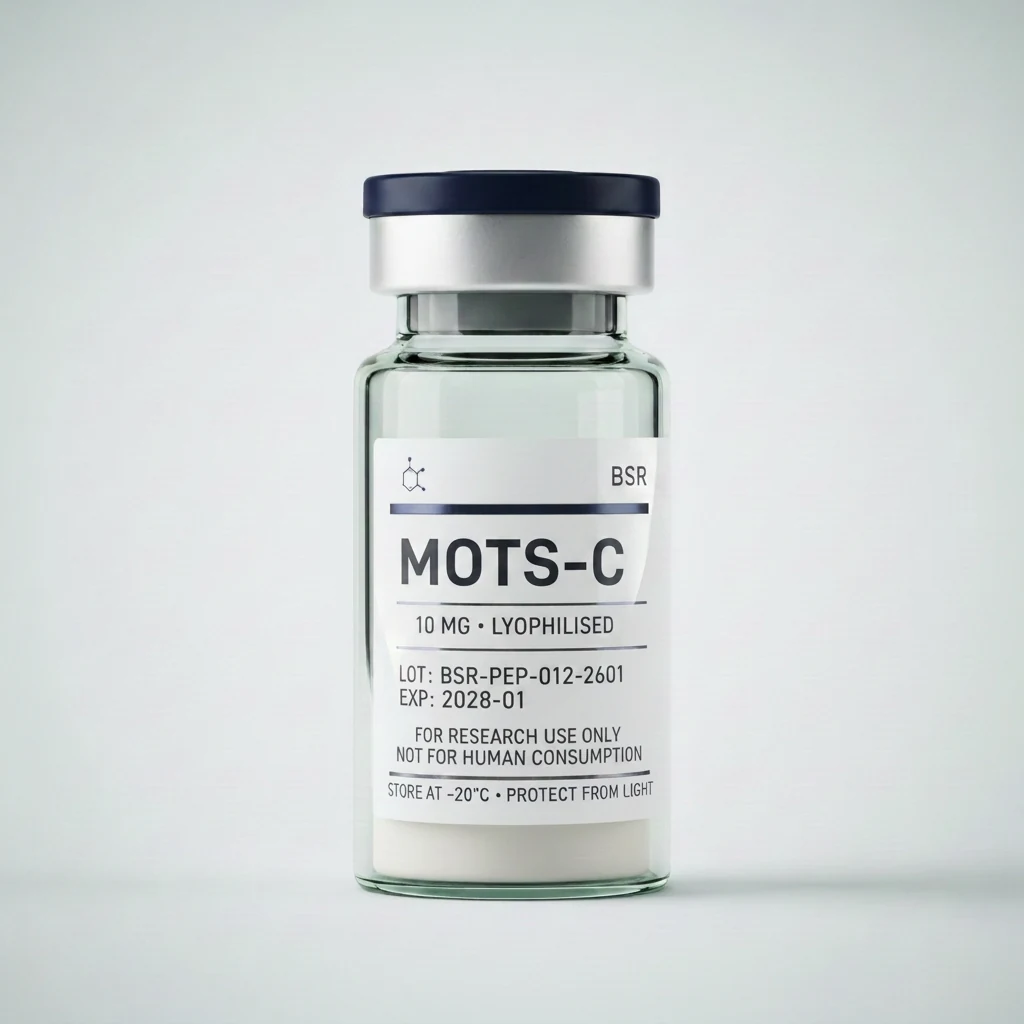
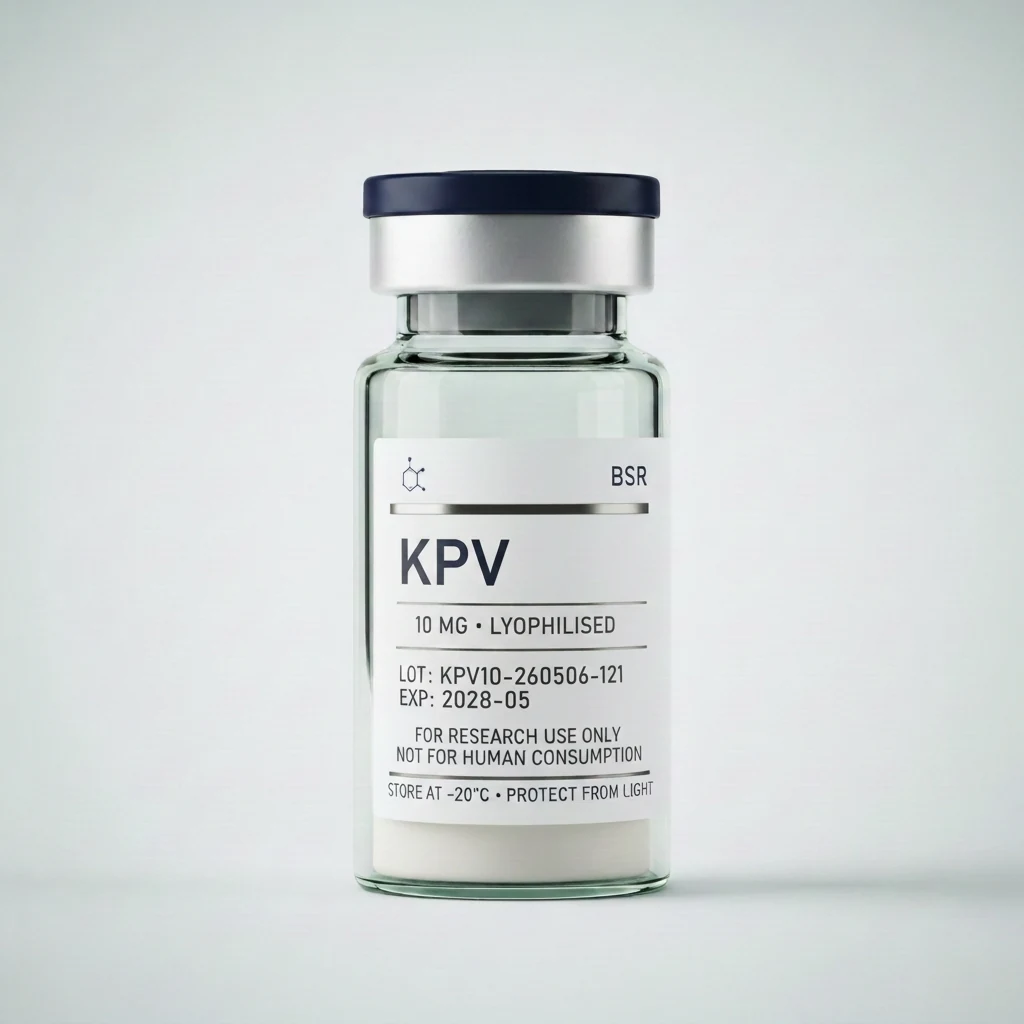
Today's acquisition announcement arrives against a backdrop of significant regulatory activity in the US peptide market. The Department of Health and Human Services (HHS) has announced an interim enforcement discretion policy under which it does not intend to take action against 503A compounders that use six peptides — BPC-157, Epitalon, KPV, MOTS-c, Semax and TB-500 — while the 503A Bulks List is finalised through rulemaking. HHS published this notice in the Federal Register on 28 October 2026.
For the covered peptides, an approved product does not exist because none has been shown to be safe and effective, not because an approved product is unavailable. Enforcement discretion is not a legal authorisation. The peptides remain unapproved drugs, and none qualifies for the 503A bulks list.
The public comment period under docket HHS-OASH-2026-0496 closes on 13 November 2026. The Partnership for Safe Medicines also filed a citizen petition under docket FDA-2026-P-13366 asking the FDA to refrain from allowing compounding of seven peptides, including the six in the HHS policy.
This regulatory divergence — between HHS enforcement discretion and the FDA's career scientists' concerns — creates a nuanced procurement environment. Research-procurement professionals sourcing peptide reference materials or API for UK-based work should note that the HHS policy applies exclusively within US compounding jurisdiction and carries no direct MHRA equivalence.
Implications for UK research-procurement professionals
Supply chain and reference materials. The argenx acquisition consolidates UNP's macrocyclic peptide discovery platform within a single corporate entity. Researchers at UK institutions that have used UNP-derived tools, assay reagents, or early-stage reference compounds under existing collaboration agreements should monitor whether access terms or licensing conditions change post-close.
IP landscape. As macrocyclic peptide patents proliferate — particularly around AI-assisted design and synthesis methods — procurement teams sourcing macrocyclic peptide analogues for research use should ensure their suppliers hold appropriate manufacturing licences or operate under research-use exemptions consistent with MHRA and UK patent law.
Modality awareness. For labs working in immunology or autoimmunity, the argenx/UNP deal signals that the macrocyclic peptide modality is graduating from a niche tool chemistry interest to a mainstream drug-development priority backed by institutional capital. Procurement strategies for research peptides in this space should account for increasing demand pressure on API and reference-standard supply.
Timeline. The transaction, expected to close by the end of 2026, adds a macrocyclic peptide discovery engine to expand argenx's immunology capabilities and enable oral and long-acting medicines. Any supply or licensing implications for collaborating labs are therefore likely to materialise in the first quarter of 2027 at the earliest.
This briefing is prepared for research-procurement professionals at UK laboratories. It does not constitute legal, regulatory or investment advice. Regulatory status described reflects publicly available information as of 9 November 2026 and may be subject to change.
Research-grade material, HPLC verified, certificate of analysis with every order.
The week's Intelligence in one email, every Friday morning.
Regulatory moves, trial readouts, supply-chain news. No product pitches. Unsubscribe in one click.
More in Pharma & GLP-1
Eli Lilly and Hims & Hers Formalise GLP-1 Distribution Partnership: What the Zepbound and Foundayo Agreement Means for the Compounding Market
06 Nov 2026
AstraZeneca's $10 Billion Offer for Rhythm Pharmaceuticals: What a Cyclic Peptide Acquisition Signals for the Obesity Drug Race
05 Nov 2026
Gilead Pays $1.275 Billion for an Oral Macrocyclic Peptide: What the PepStar Deal Signals for the Next Wave of Peptide Drug Development
26 Oct 2026