Pharma & GLP-1 · 06 Nov 2026
Eli Lilly and Hims & Hers Formalise GLP-1 Distribution Partnership: What the Zepbound and Foundayo Agreement Means for the Compounding Market
Eli Lilly announced on 6 November 2026 a formal distribution agreement with Hims & Hers Health, granting the telehealth platform direct access to Zepbound (tirzepatide) and Foundayo (orforglipron) at standardised self-pay prices. A central clause commits Hims & Hers to discontinue compounded copies of Lilly's GLP-1 medicines, reshaping access dynamics for both approved and unapproved peptide products.
12 sources cited
Key takeaways
- Eli Lilly and Hims & Hers announced a formal company-to-company agreement on 6 November 2026 to distribute Zepbound (tirzepatide) and Foundayo (orforglipron) directly through the Hims & Hers telehealth platform.
- Self-pay pricing is set at $149 per month for the oral tablet Foundayo and $299 per month for injectable Zepbound — matching Lilly's existing LillyDirect prices.
- Hims & Hers committed under the agreement not to offer compounded copies of Lilly's GLP-1 medicines.
- The deal mirrors a comparable arrangement Hims & Hers reached with Novo Nordisk earlier in 2026, putting both major GLP-1 manufacturers on the same telehealth platform.
- The formalisation of this route has implications for the compounding pharmacy sector and for UK research procurement professionals monitoring GLP-1 API demand dynamics.
The agreement in detail
Eli Lilly and Company and Hims & Hers Health, Inc. announced today an agreement to help expand access to Zepbound (tirzepatide) and Foundayo (orforglipron). Under the agreement, eligible patients can receive home delivery of Lilly's FDA-approved obesity medicines through the Hims & Hers platform, with monthly self-pay prices starting at $149 for Foundayo and $299 for Zepbound.
Zepbound contains tirzepatide and is administered as a weekly injection, while Foundayo contains orforglipron and is taken as a daily oral tablet. The companies stated the agreement includes protections for independent clinical decision-making, allowing providers on the platform to prescribe treatments they determine appropriate for each patient.
Critically for the compounding sector, Hims & Hers committed not to offer compounded copies of Lilly's GLP-1 medicines, and the agreement preserves independent prescribing decisions.
A formalisation, not a new arrangement
The agreement formalises an access route that Hims & Hers previously offered without a Lilly partnership. On 23 April 2026, Hims & Hers announced that providers on its platform could send prescriptions for Zepbound and Foundayo to the LillyDirect pharmacy, though that announcement expressly stated that access did not imply a partnership or affiliation with Lilly.
The November development is therefore the formal company-to-company agreement and its integrated consultation-to-home-delivery pathway, not the first availability of LillyDirect prescription routing. The significance lies in the structured commercial relationship, the no-compounding commitment, and the streamlined patient journey.
Ilya Yuffa, president of Lilly USA, indicated that navigating access to Lilly medicines via the Hims & Hers platform was not fully straightforward prior to this agreement, and that any friction point for consumers increases the chance of abandonment.
Competitive context: Novo Nordisk moved first
The move puts Lilly on equal footing with Danish rival Novo Nordisk, which has been selling its Wegovy and Ozempic through Hims & Hers since March, after previously suing the telehealth company for offering compounded versions of its medications.
Lilly launched its oral Foundayo in April, around three months after Novo's Wegovy pill came to market. Both manufacturers have now converged on Hims & Hers as a material distribution channel, reflecting the platform's reach — Hims & Hers operates across the United States, the United Kingdom, Canada, Germany, the Republic of Ireland, France, Spain, Australia, and internationally.
Shares of Hims & Hers rose more than 7% in premarket trading following the announcement, reflecting market confidence in the channel's commercial importance.
The compounding clause and its significance
The commitment by Hims & Hers to discontinue compounded GLP-1 alternatives as a condition of the Lilly agreement is the clause with the most immediate structural consequence. Prior to both the Novo Nordisk settlement and this deal, the telehealth company had been a significant conduit for compounded semaglutide and tirzepatide during periods of shortage.
Some 40% to 45% of Zepbound sales are through self-pay channels, according to Lilly — a figure that underlines why Lilly regards direct-to-patient pricing discipline as strategically important. By anchoring Hims & Hers to standardised self-pay prices and eliminating the compounded alternative on the platform, Lilly limits downward price pressure from lower-cost substitutes.
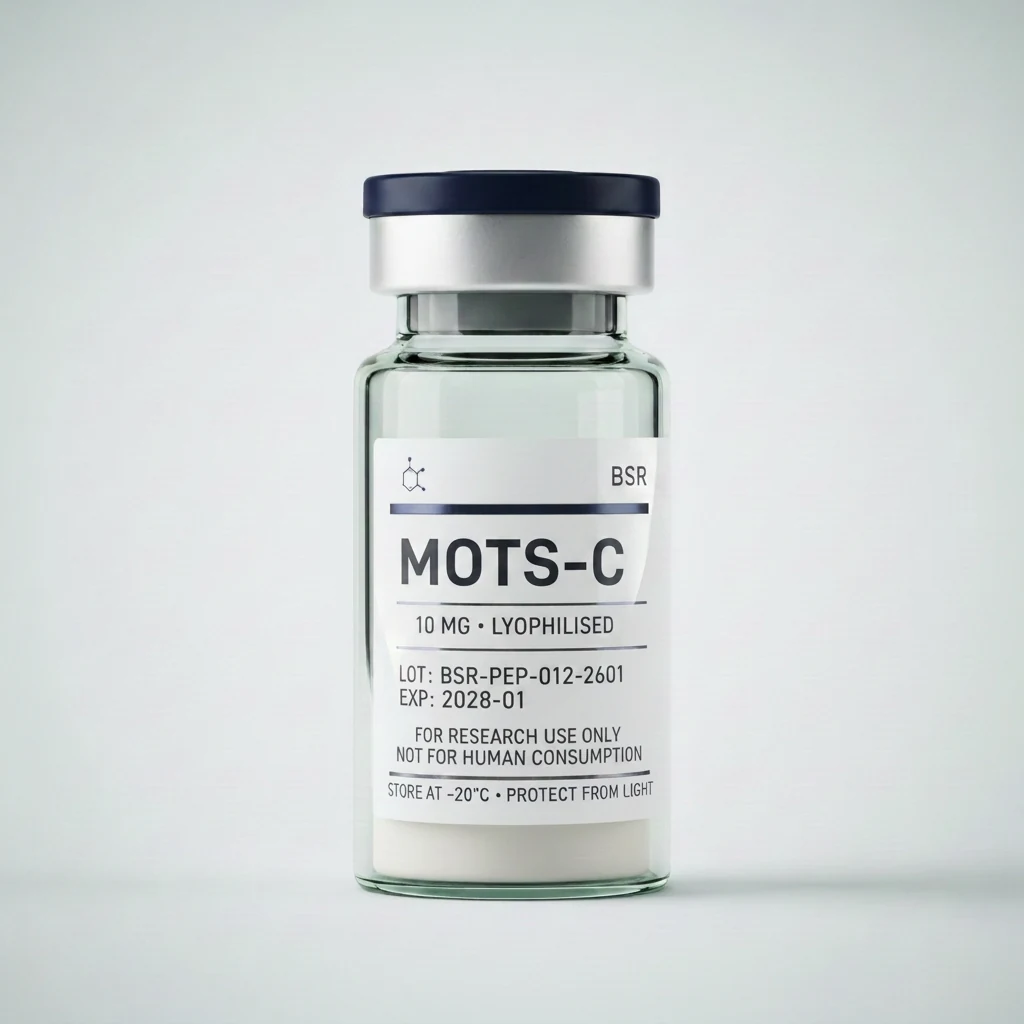
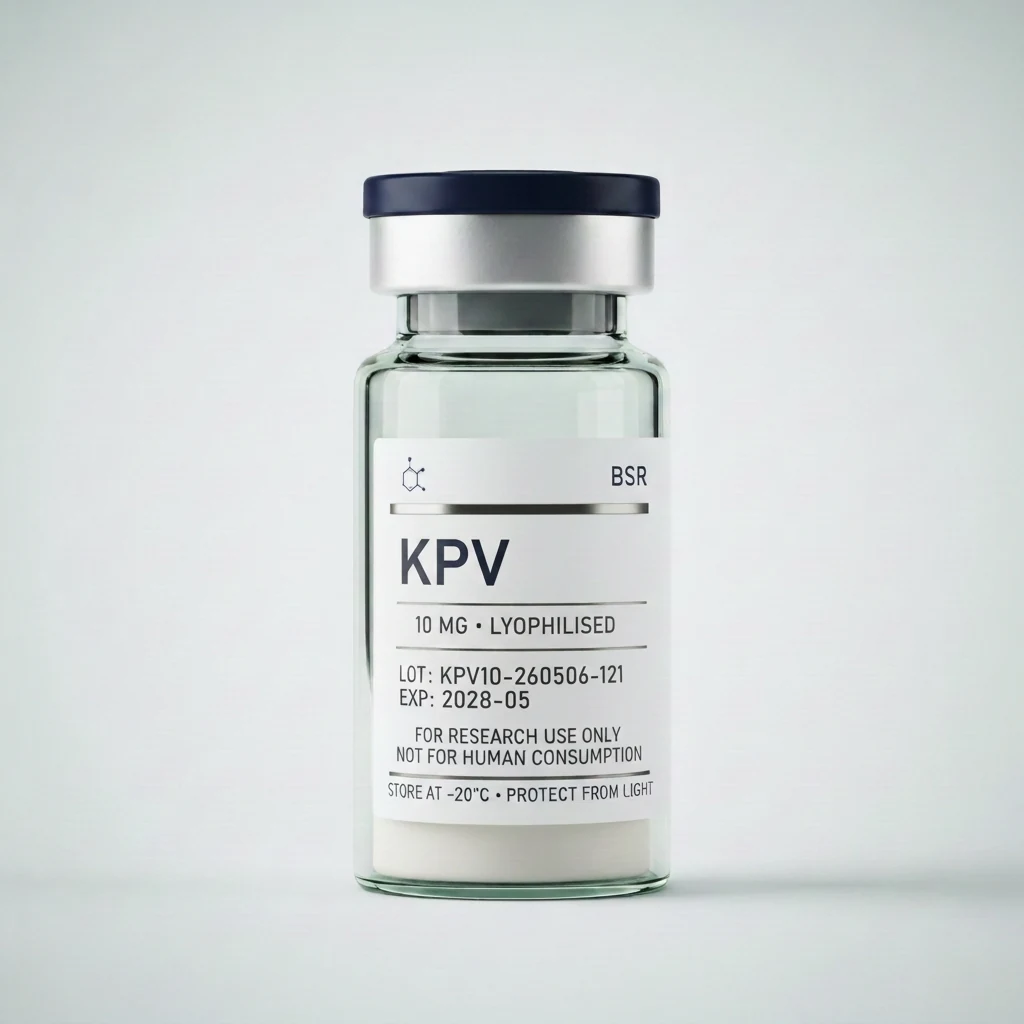
Meanwhile, telehealth company Hims & Hers has separately said it plans to sell wellness peptides once rules change — a reference to the HHS enforcement discretion policy covering BPC-157, Epitalon, KPV, MOTS-c, Semax, and TB-500. The simultaneous formalisation of approved GLP-1 access on one side of the platform and planned wellness peptide commercialisation on the other illustrates Hims & Hers' dual strategy: regulated pharmaceuticals and the emerging compounded peptide market.
Regulatory backdrop: orforglipron's approved status
For UK research procurement professionals, the regulatory status of both compounds is relevant context. In April 2026, the FDA approved orforglipron, the first oral small-molecule, non-peptide GLP-1 receptor agonist for weight management. It was approved for use in the UK in August 2026. The European Medicines Agency issued a positive Committee for Medicinal Products for Human Use (CHMP) opinion in October 2026, with a Commission decision pending.
Orforglipron's classification as a non-peptide small molecule distinguishes it from the injectable peptide GLP-1 agonists that have dominated compounding discussions. As a synthetic small molecule, it does not involve the complex peptide API supply chains — from solid-phase synthesis through chromatographic purification — that characterise tirzepatide or semaglutide manufacturing.
Tirzepatide, by contrast, is a 39-amino-acid synthetic peptide. Samsung Biologics' pending acquisition of PolyPeptide is intended to expand Samsung's manufacturing services beyond antibodies to include peptide production; PolyPeptide operates six manufacturing facilities across Europe, India, and the United States, with capabilities spanning peptide API development and commercial manufacturing. Subject to fulfilment of remaining offer conditions, completion of that acquisition is now expected toward the end of 2026 or in the first quarter of 2027.
Implications for UK research procurement
The Lilly–Hims & Hers agreement has several downstream implications for UK-based research organisations procuring GLP-1 compounds or monitoring the GLP-1 API market.
Demand trajectory: The formalisation of two major self-pay distribution channels for tirzepatide (Zepbound) and semaglutide (Wegovy, Ozempic) in the US, combined with approved status in the UK for both compounds, is likely to sustain demand for GLP-1 peptide APIs through 2027. Research-grade tirzepatide and semaglutide sourced for in-vitro or preclinical work remains entirely distinct from the clinical supply chain, but supply tightness at the API level historically propagates into research-grade availability.
Compounding channel contraction: Both Novo Nordisk and Lilly have now secured commitments from the dominant US telehealth platform to discontinue compounded alternatives. As the FDA's shortage designations for semaglutide and tirzepatide have lapsed, the legal basis for 503B compounding of those compounds has narrowed substantially. UK laboratories procuring compounded GLP-1 peptides from US-registered pharmacies should note that the regulatory environment for such supply has become materially more restrictive.
Pricing signals: The $149/month self-pay price for orforglipron and $299/month for tirzepatide establish visible reference points in the US consumer market. These prices, set by the manufacturers rather than emerging from competitive tendering, reflect the manufacturers' ability to defend price floors now that the compounded alternative channel is being systematically closed on major platforms.
Procurement teams should verify that any GLP-1 peptide reference standards or research-grade materials are sourced from suppliers with current, verifiable Certificates of Analysis, explicitly confirmed lot-to-lot purity data, and regulatory documentation appropriate for research use only — particularly given the heightened scrutiny on the GLP-1 supply chain following recent enforcement actions on both sides of the Atlantic.
All pricing and regulatory status references are as of 6 November 2026. This article is prepared for research-procurement professionals and does not constitute regulatory or legal advice.
Research-grade material, HPLC verified, certificate of analysis with every order.
The week's Intelligence in one email, every Friday morning.
Regulatory moves, trial readouts, supply-chain news. No product pitches. Unsubscribe in one click.
More in Pharma & GLP-1
AstraZeneca's $10 Billion Offer for Rhythm Pharmaceuticals: What a Cyclic Peptide Acquisition Signals for the Obesity Drug Race
05 Nov 2026
Gilead Pays $1.275 Billion for an Oral Macrocyclic Peptide: What the PepStar Deal Signals for the Next Wave of Peptide Drug Development
26 Oct 2026
Novo Nordisk Bets €1.165 Billion on Atomic Layer Deposition: What the Nanexa PharmaShell Deal Means for Long-Acting Peptide Formulation
24 Oct 2026