Research Pipeline · 07 Nov 2026
BPC-157: Evidence Base, Regulatory Status, and Procurement Considerations for UK Research Laboratories
BPC-157 is the most prominently discussed of the six peptides covered by the October 2026 HHS enforcement discretion policy, yet two formal systematic reviews published this year conclude that human evidence remains very low quality. This briefing summarises the current clinical and preclinical evidence, US and UK regulatory status, and what procurement teams should verify before sourcing the compound.
14 sources cited
Key takeaways
- Two PRISMA-compliant systematic reviews published in 2026 confirm that human evidence for BPC-157 is of very low quality, with no published randomised controlled trial for any indication.
- BPC-157 is one of six peptides covered by the US Department of Health and Human Services (HHS) interim enforcement discretion policy issued 28 October 2026, which allows 503A compounding pharmacies to supply it under ten specified conditions — but does not constitute FDA approval.
- In the UK, BPC-157 has no MHRA licence; supplying it with medicinal claims is an offence under the Human Medicines Regulations 2012. The MHRA confirmed in April 2026 that it was investigating clinics marketing peptide injections.
- The public comment period on the HHS policy closes 13 November 2026 (docket HHS-OASH-2026-0496 at regulations.gov). FDA scientific staff largely opposed the policy, according to reporting by the Associated Press.
- For UK research procurement, the operative questions remain purity documentation, COA traceability, and regulatory intent — not therapeutic efficacy.
What is BPC-157?
Body Protective Compound-157 (BPC-157) is a synthetic pentadecapeptide derived from a protein found in gastric juice. It is not a naturally occurring human peptide in its full commercial form but is structurally related to sequences identified in gastric mucosa. The compound has no approved therapeutic indication in any jurisdiction.
Preclinical research indicates that BPC-157 supports angiogenesis, collagen synthesis, fibroblast activity, and modulation of nitric oxide pathways, contributing to enhanced healing of muscle, tendon, ligament, bone, and gastrointestinal tissue in animal models. In rodent ischaemia-reperfusion injury models, administration has been associated with attenuation of oxidative injury, modulation of nitric oxide-related vascular responses, and reductions in inflammatory and apoptotic markers — though the evidence base remains heterogeneous and frequently relies on short observation periods and single-dose paradigms.
A pharmacokinetic profile from one review notes BPC-157 is metabolised in the liver with a half-life of less than 30 minutes and is cleared by the kidneys — a factor relevant to formulation and route-of-administration choices in experimental settings.
State of human clinical evidence
The human evidence base for BPC-157 is narrow. A PRISMA-compliant systematic review published in October 2026 in Acta Orthopaedica Belgica (Poolton et al.) searched Embase, PubMed, the Cochrane Library, and ClinicalTrials.gov up to 1 June 2026. Only three studies (n=30) met inclusion criteria: a retrospective study of intra-articular BPC-157 injections for knee pain (n=16), a retrospective pilot study of intravesical BPC-157 for interstitial cystitis (n=12), and a prospective pilot study evaluating intravenous BPC-157 safety (n=2). All studies reported symptom improvement in most participants without treatment-related adverse events, but were judged to be of poor methodological quality, with the overall certainty of evidence rated very low due to serious risk of bias, indirectness, and imprecision. The authors concluded that BPC-157 should not be used clinically in humans outside ethically approved, regulated, high-quality clinical trials.
A separate review published in International Journal of Molecular Sciences (Yuan et al., March 2026) reached a consistent conclusion: although animal data indicate favourable safety and pharmacokinetics, human research remains limited to small pilot studies investigating musculoskeletal pain, interstitial cystitis, and intravenous administration. The authors noted that "inconsistent preparation standards, limited clinical validation, and regulatory restrictions underscore the need for rigorous controlled trials."
As of April 2026, there is still no published, peer-reviewed, randomised controlled trial of BPC-157 in humans for any indication. One Phase 2 trial (NCT07437547, Hudson Biotech) targeting acute grade II hamstring strain was registered at ClinicalTrials.gov in February 2026, but no results are yet available, according to a 2026 evidence review.
US regulatory status
BPC-157 is not approved by the FDA for any indication. It is not a component of an FDA-approved drug, nor has it been formally added to the 503A Bulks List that would permit compounding pharmacies to use it without restriction.
On 28 October 2026, HHS published an interim enforcement discretion policy in the Federal Register covering BPC-157 and five other peptides (Epitalon, KPV, MOTS-c, Semax, and TB-500). The policy does not approve any peptide and does not add any peptide to the 503A Bulks List. It states that HHS does not intend to take enforcement action against state-licensed pharmacies, federal facilities, or licensed physicians compounding these substances under ten specified conditions, pending formal rulemaking.
The policy was issued by HHS itself rather than by FDA, which departs from FDA's traditional lead role in federal compounding policy. According to reporting by the Associated Press, most FDA scientific staff opposed the policy and had limited input into drafting, though FDA staff provided technical assistance on safety guardrails including sourcing from FDA-registered facilities, verifying peptide identity, and collecting information on side effects.
The ten conditions for enforcement discretion include, among others: the original manufacturer being FDA-registered and compliant with CGMP requirements; sourcing with a certificate of analysis meeting specified characterisation and testing requirements; compounding based on a valid, patient-specific prescription; compliance with all other applicable FD&C Act requirements including insanitary conditions prohibition; a single-active-pharmaceutical-ingredient formulation requirement; and adverse event reporting. Notably, common mixed-peptide formulations fall outside the scope of enforcement discretion under the policy and may remain subject to regulatory oversight.
The policy is described as a draft and invites public comment through docket HHS-OASH-2026-0496 until 13 November 2026. Enforcement discretion will remain in effect until a final rule either includes or excludes each peptide from the 503A Bulks List — a rulemaking process that could take many months to years. The Partnership for Safe Medicines has filed a citizen petition asking FDA not to permit compounding of these peptides through enforcement discretion, according to Arnold & Porter's regulatory advisory.
UK and MHRA status
BPC-157 has no MHRA marketing authorisation. Under the Human Medicines Regulations 2012, supplying or marketing an unlicensed peptide for human medicinal use is a criminal offence. The MHRA concentrates enforcement on commercial suppliers, online vendors, and clinics making therapeutic claims rather than on individual users.
In April 2026, the MHRA confirmed it was investigating UK clinics that offered peptide injections, following reporting by The Guardian. BPC-157 was among the compounds named in that investigation. The regulator stated that clinics are not permitted to make medicinal claims about peptide treatments and that it will take action against those in breach. One clinic website was found to be making medicinal claims, which were removed after contact from the MHRA, according to the same reporting.
A peptide sold as a research chemical for laboratory investigation operates within a well-established legal exemption. The same peptide sold with health claims — including tissue repair, injury recovery, or weight management — becomes an unlicensed medicine subject to MHRA enforcement action, including website takedowns, seizures at the border, and criminal prosecution.
The HHS enforcement discretion policy has no legal effect in the United Kingdom. UK research procurement teams should not interpret the US development as altering the MHRA position in any way.
Procurement considerations for UK research laboratories
For UK laboratories procuring BPC-157 for genuine in vitro or preclinical in vivo research, the following documentation and supply-chain checks are relevant:
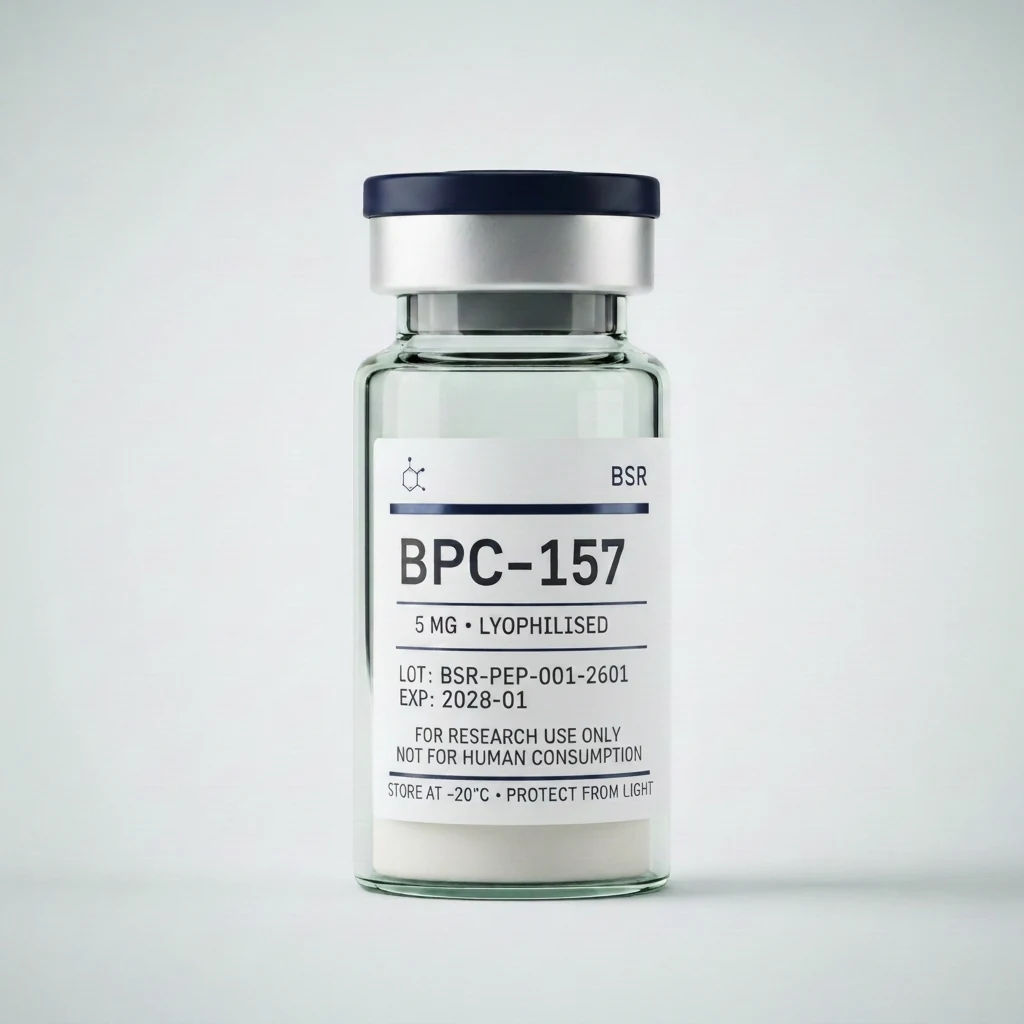
Certificate of Analysis. Request a lot-specific COA that includes identity confirmation (HPLC and mass spectrometry), purity percentage (research-grade suppliers should demonstrate ≥98% by HPLC), water content, and counter-ion specification (acetate or TFA form). Vague or generic COAs covering multiple peptides are inadequate.
Manufacturer registration. Under the HHS policy in the US, the original manufacturer must be FDA-registered and CGMP-compliant. For UK procurement, the equivalent question is whether the API manufacturer operates to ISO or pharmaceutical-grade GMP and can provide traceability documentation. Chinese API manufacturers dominate the global peptide bulk market; laboratory teams should verify whether the specific manufacturer has received FDA import alerts or MHRA border seizure notices.
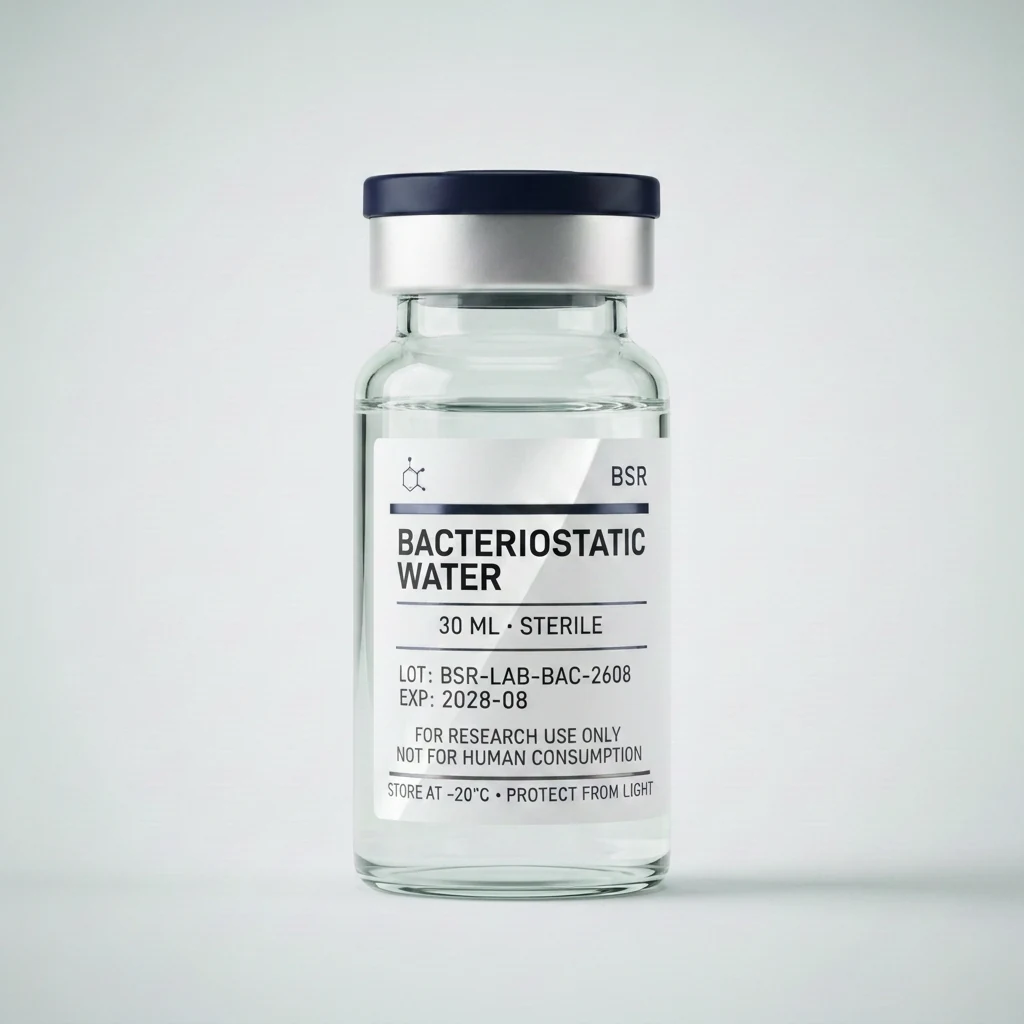
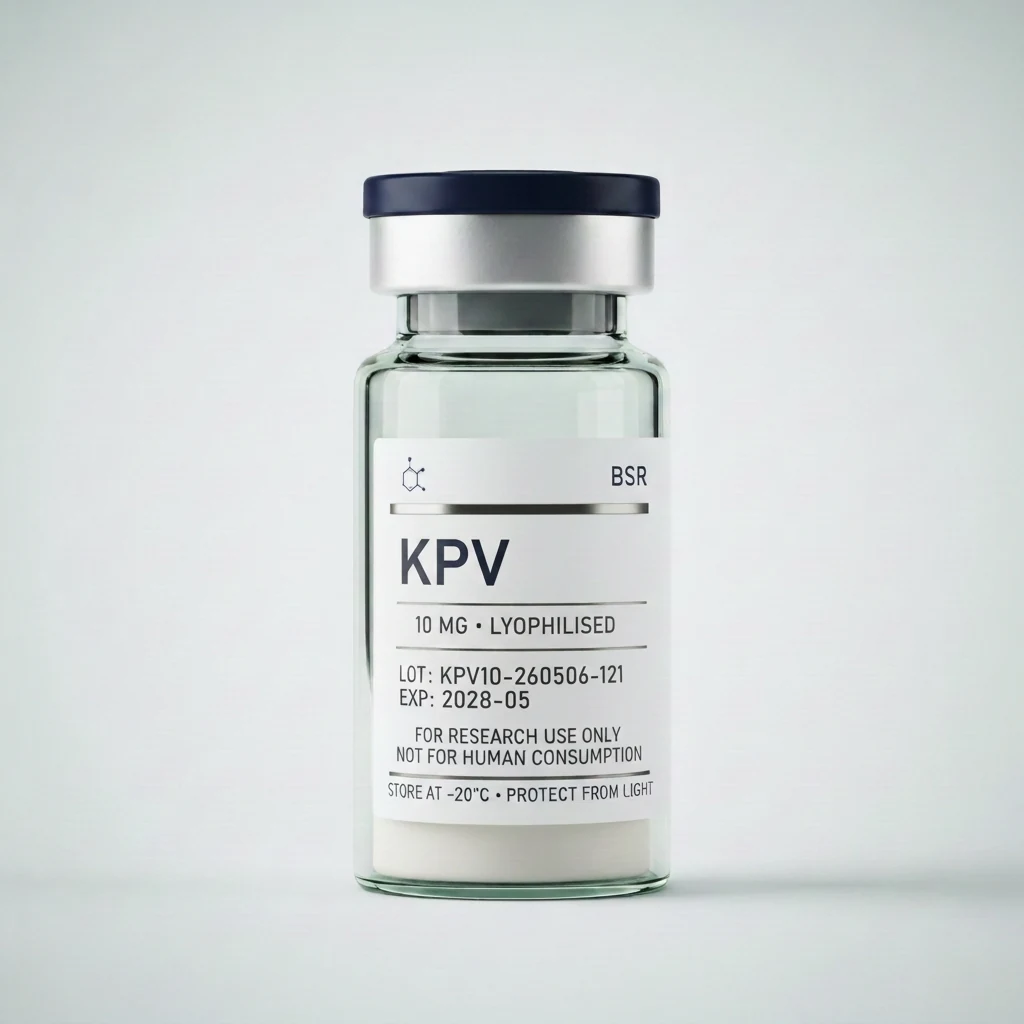
Route of administration and formulation. The HHS policy specifies permitted routes for BPC-157 as subcutaneous, intramuscular, oral, and topical. For research procurement, understanding the intended formulation in advance will determine storage, reconstitution, and stability requirements. BPC-157 in lyophilised powder form typically requires reconstitution with bacteriostatic water and storage at –20°C for extended periods.
Research-use-only labelling. Suppliers must label product as research-use only, not for human consumption. The MHRA has escalated enforcement against unlicensed peptide suppliers since late 2024. Procurement teams should confirm that the supplier's marketing materials, website, and dispatch documentation carry no implied or explicit claims of human therapeutic use.
Purity and stability testing. Adverse effects are possible due to unregulated manufacturing, contamination, or unknown clinical safety. For any research application requiring reproducible results, laboratories should consider independent third-party retesting against the supplier's COA on receipt.
Summary
BPC-157 sits at a conspicuous intersection: substantial preclinical interest, an almost entirely absent human evidence base, and a rapidly shifting US regulatory environment that does not translate to the UK. The October 2026 HHS enforcement discretion policy is a meaningful development for US compounding pharmacies, but it neither approves the compound nor alters the MHRA's position in Britain. For research-procurement teams, the practical questions remain unchanged — documented purity, traceable supply chains, and research-use-only labelling. The imminent 13 November 2026 close of the HHS public comment period may shape any revisions to the interim policy; procurement teams sourcing from US-based suppliers should monitor the docket for amendments.
Research-grade material, HPLC verified, certificate of analysis with every order.
The week's Intelligence in one email, every Friday morning.
Regulatory moves, trial readouts, supply-chain news. No product pitches. Unsubscribe in one click.
More in Research Pipeline
Thymosin Alpha-1: Mechanism, Clinical Evidence, and Regulatory Status for UK Research Procurement
03 Nov 2026
GHK-Cu: Evidence Base, Regulatory Status, and Procurement Considerations for UK Research Laboratories
01 Nov 2026
Retatrutide Beats Semaglutide 2 mg on Every Primary Endpoint in First Phase 3 Head-to-Head Trial: What the TRANSCEND-T2D-2 Results Mean for Research Procurement
30 Oct 2026