Reputational Risks · 25 Nov 2026
Health Canada's November Enforcement Surge: Bacterial Contamination, 15,000 Vials Seized and What It Means for Peptide Procurement
In less than three weeks, Health Canada has issued two major enforcement actions covering more than 15,000 vials of unauthorised injectable peptides — finding bacteria in products linked to a Chinese supplier and seizing a further 4,000 vials from a domestic importer selling on Amazon. The pattern has direct implications for any procurement team sourcing peptides without verified supply chains.
12 sources cited
Key takeaways
- Health Canada found bacteria including Acinetobacter seifertii, A. nosocomialis and Cutibacterium acnes in peptides linked to Shanghai ERP Peptide Biotechnology Co. (advisory RA-82930, 6 November 2026); more than 11,400 vials were seized across the supplier and two named Canadian online retailers.
- A second action (RA-82986, 23 November 2026) resulted in the seizure of nearly 4,000 vials of unauthorised injectable peptides and other drugs from Canada Biogenix in New Brunswick, a company Health Canada said was importing, labelling and selling veterinary and human drugs on its website.
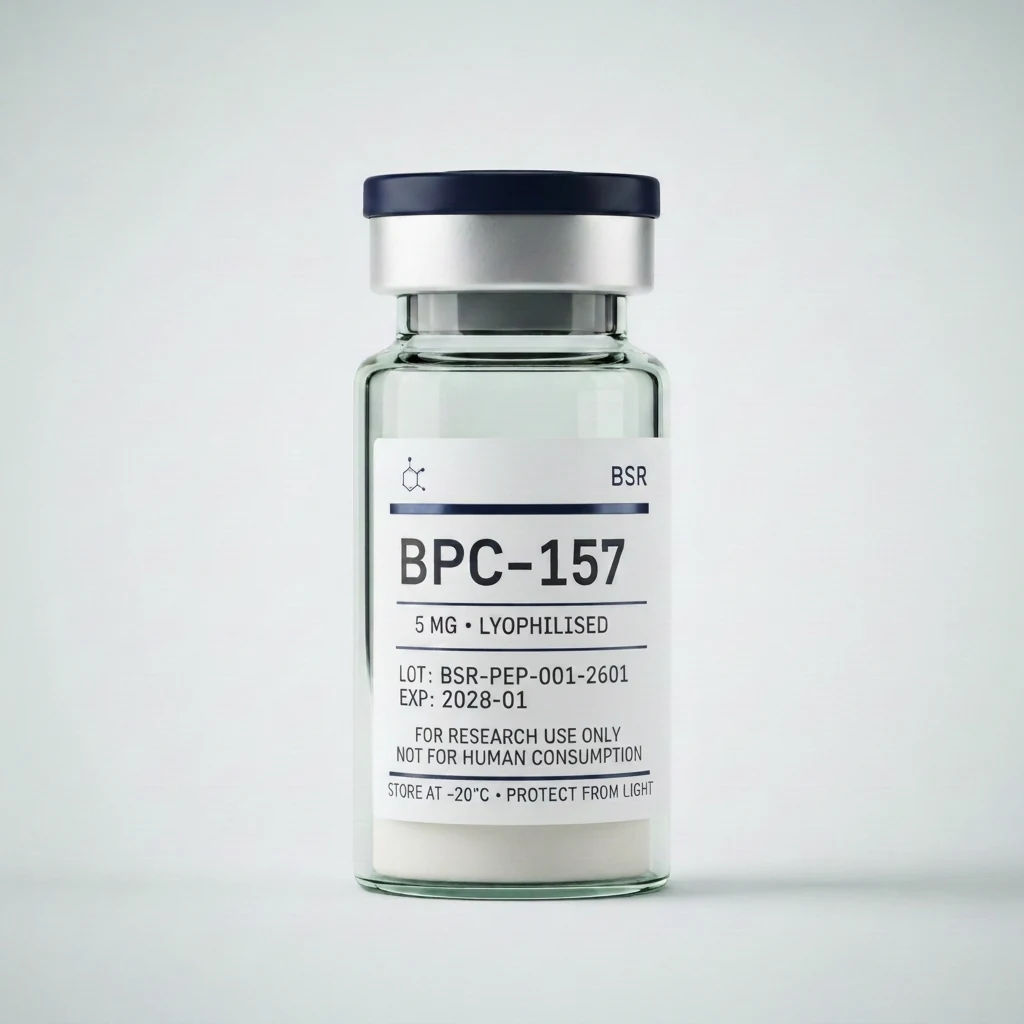
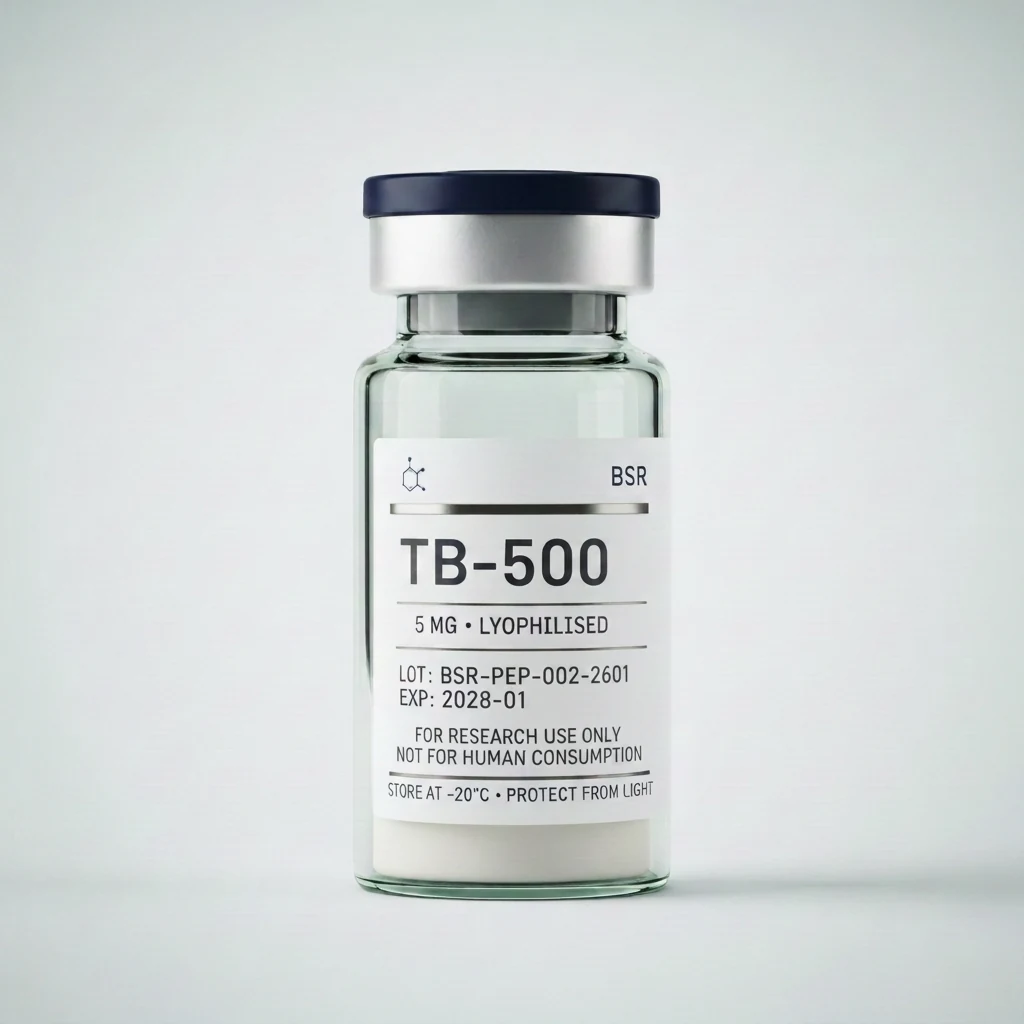
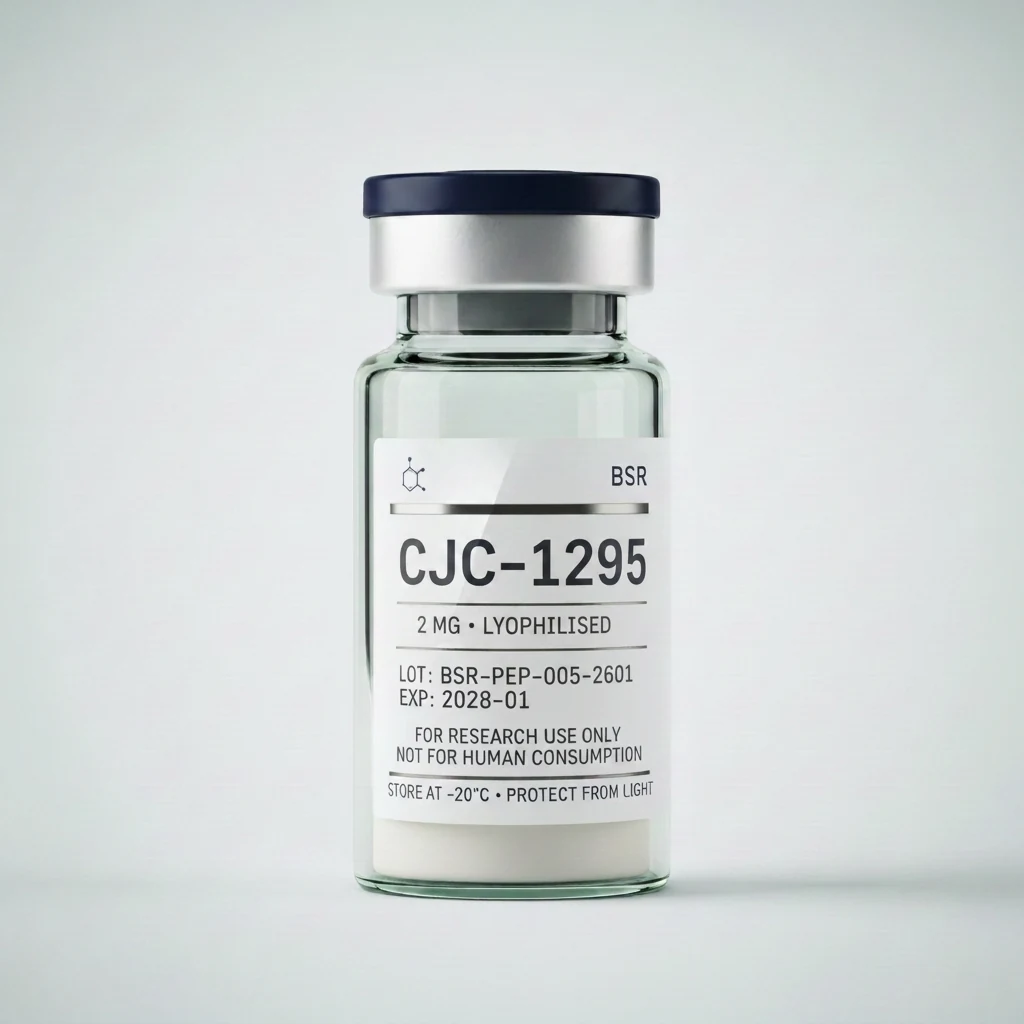
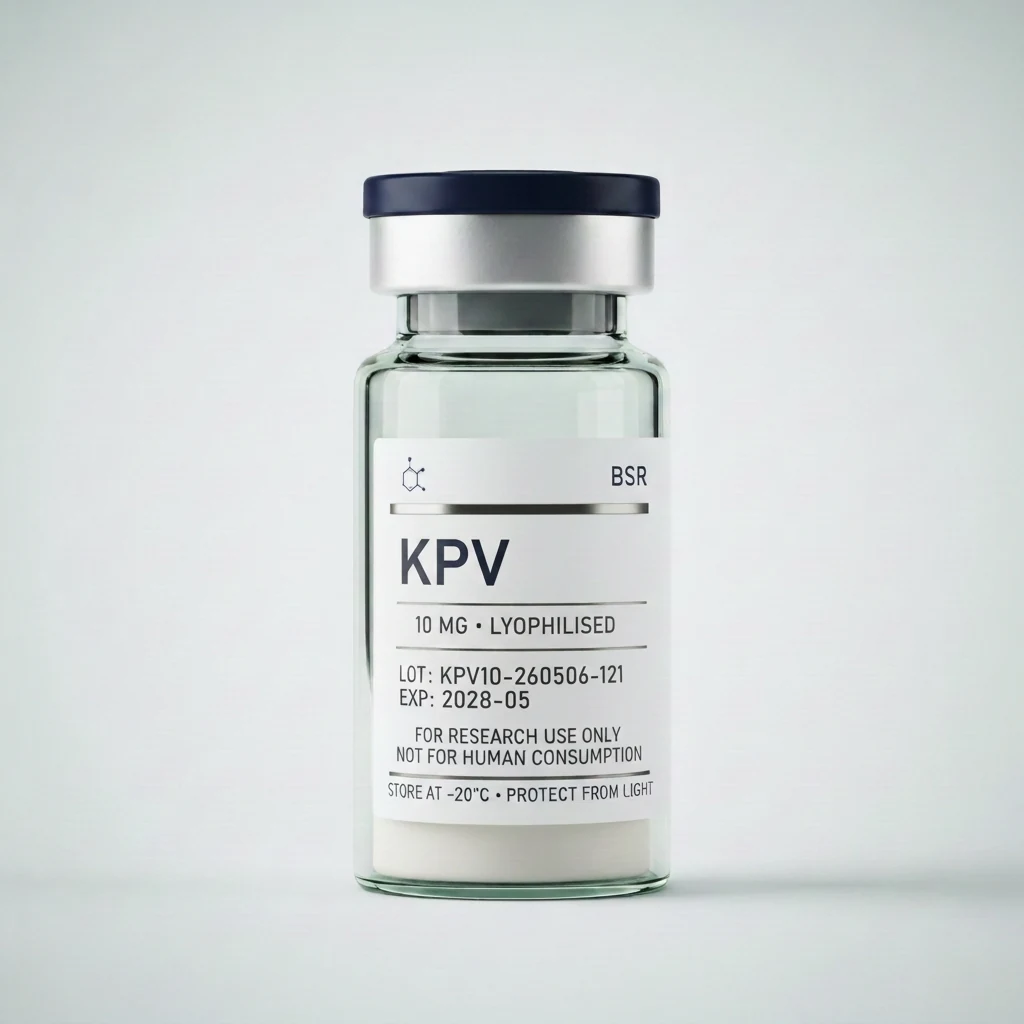
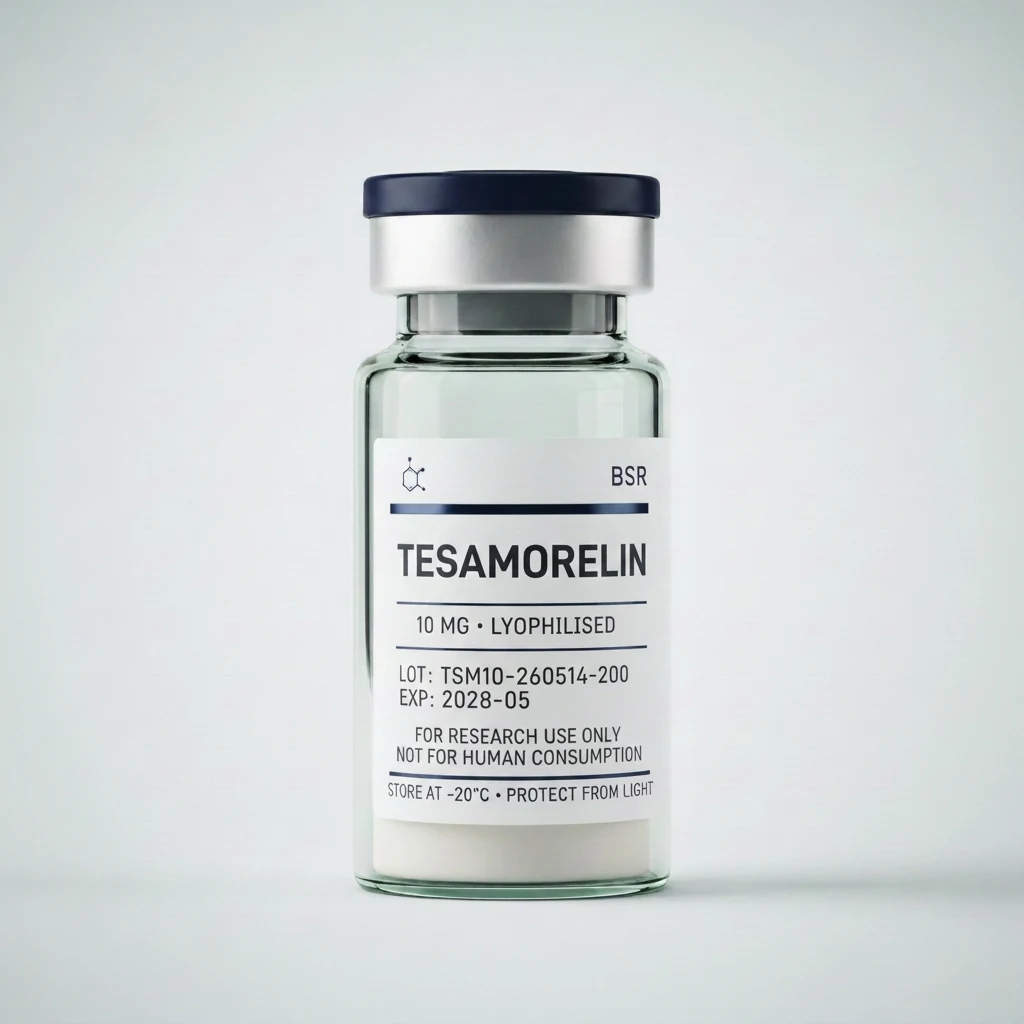
- The seized catalogue across both actions spans more than 30 named peptides, including BPC-157, TB-500, CJC-1295, ipamorelin, GHK-Cu, tesamorelin, thymosin alpha-1, selank, semax, KPV, MOTS-c, as well as semaglutide, tirzepatide and unapproved retatrutide.
- Health Canada states that none of the products was assessed for safety, efficacy or quality, and warns that injectable contaminants may include bacteria, fungi, endotoxins, heavy metals, solvents and particulate matter.
- Injecting contaminated products carries the risk of serious infection, hospitalisation and, in severe cases, life-threatening sepsis, according to the agency.
The November 6 contamination advisory: ERP Peptide and RA-82930
The first action to draw wide attention this month came on 6 November 2026, when Health Canada published advisory RA-82930, warning consumers not to inject or consume unauthorised peptides after laboratory testing found bacterial contamination in products seized from Shanghai ERP Peptide Biotechnology Co. Ltd.
Health Canada seized and tested unauthorised injectable peptides from Shanghai ERP Peptide Biotechnology Co. and found bacteria such as Acinetobacter seifertii, Acinetobacter nosocomialis, and Propionibacterium (Cutibacterium) acnes. These are organisms of genuine clinical concern: Acinetobacter species are associated with nosocomial infections and carry a risk of multidrug resistance; Cutibacterium acnes, while a normal skin commensal, is a recognised cause of post-procedural infections in immunocompromised individuals.
Health Canada said it found bacterial contamination in unauthorised injectable peptides seized from China-based Shanghai ERP Peptide Biotechnology Co., and the department identified two Canadian online retailers selling ERP Peptide products, leading to the seizure of more than 11,400 vials in total from ERP Peptide and those retailers.
The department identified two Canadian online retailers — truenorthbiolabs.ca and bcaxiompeptide.com — selling products from ERP Peptide.
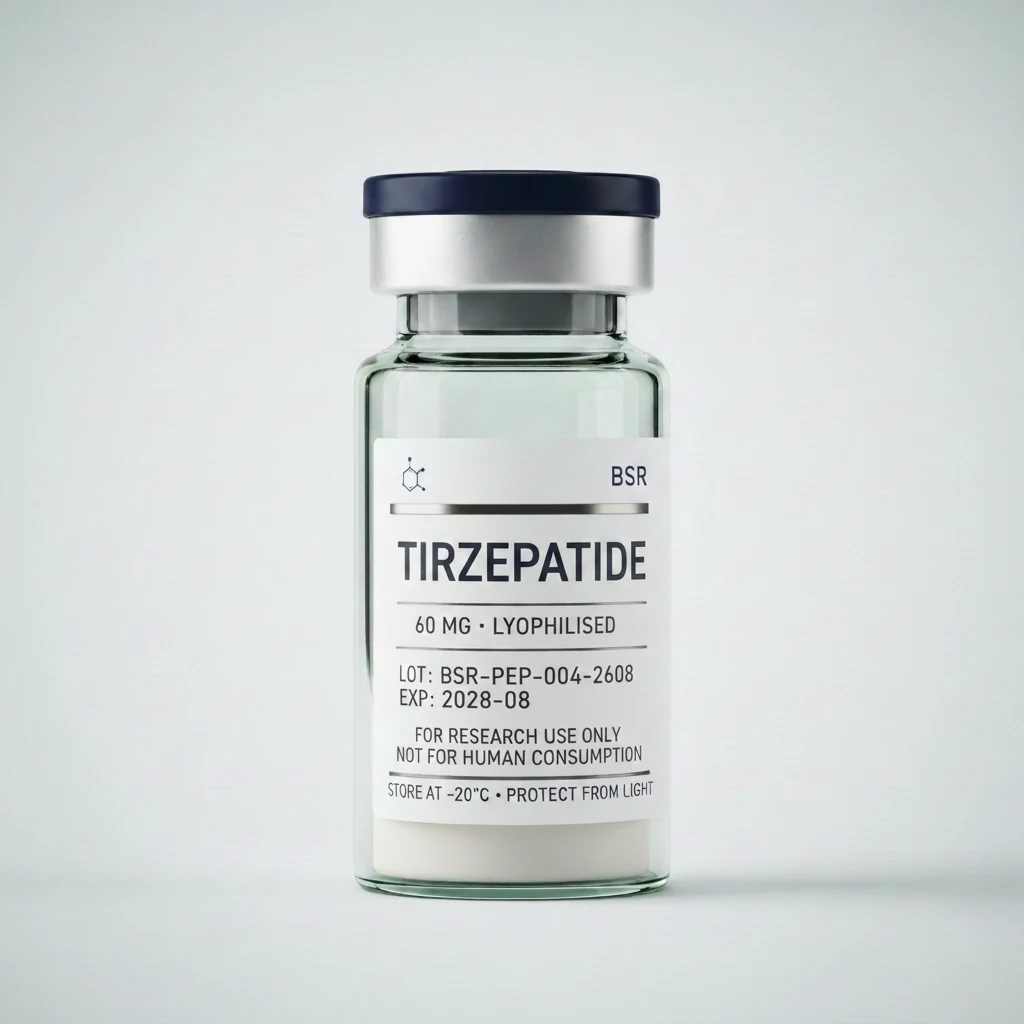
The advisory lists examples including MOTS-c, retatrutide, tesamorelin and tirzepatide, as well as non-peptide products. The inclusion of tirzepatide and retatrutide — molecules that are either recently approved only as named proprietary formulations or not approved at all — illustrates how the unregulated market has begun distributing GLP-1 and GLP-1-adjacent peptides through the same supply channels as older research peptides.
The department requested ERP Peptide to immediately stop selling illegal peptides into Canada and is working with the Canada Border Services Agency to stop unauthorised shipments from entering the country.
Injecting contaminated products can cause serious infections, hospitalisation and, in severe cases, life-threatening sepsis, the agency said.
The November 23 seizure: Canada Biogenix and RA-82986
The second enforcement action arrived on 23 November 2026, when Health Canada published advisory RA-82986 targeting a domestic distributor rather than a foreign supplier.
Health Canada seized nearly 4,000 vials of unauthorised injectable drugs, including peptides and bacteriostatic water, from Canada Biogenix, a New Brunswick company, in public advisory RA-82986 on 23 November 2026.
Health Canada seized several unauthorised drugs — including prescription drugs and injectable peptides — from New Brunswick company Canada Biogenix, saying the products could pose serious health risks. According to Health Canada, the company was importing and labelling unauthorised human and veterinary drugs and selling them on its website for human use.
Health Canada reported seizing nearly 4,000 vials of unauthorised injectable drugs plus oral products and equipment used to manufacture, package and label health products from Canada Biogenix.
The list of seized injectable peptides was extensive. The seizure covered injectable peptides including BPC-157, CJC-1295, epitalon, GHK-Cu, GHRP-6, ipamorelin, kisspeptin, KPV, LL-37, melanotan, MOTS-c, oxytocin, PT-141, retatrutide, selank, semaglutide, semax, TB-500, tesamorelin, thymosin alpha-1, thymulin, tirzepatide and VIP, as well as products sold under proprietary names including "GLOW," "KLOW" and "wolverine."
Health Canada stated that "selling unauthorized health products is illegal" and that "unauthorized drugs have not been assessed by Health Canada for safety, efficacy, and quality, and have not demonstrated, through clinical trials, that they provide the health benefits that they claim." The agency added that "these products have not been manufactured or tested to meet the quality standards required for health products for human use."
The public advisory, issued 23 November 2026, urges anyone who has taken or injected the products and feels unwell, develops a fever, or has pain and swelling at the injection site to seek immediate medical attention.
Following Health Canada's compliance and enforcement actions, Canada Biogenix stopped selling unauthorised drugs and initiated recalls of the two products it had been selling on Amazon — methylene blue and bacteriostatic water.
A pattern of escalating enforcement in Canada
These two November actions do not stand alone. Health Canada has issued peptide advisories before, including seizure notices for Prime Research in April 2025 and Canada Peptide in August 2025, and a general warning in April 2026 listed microbial contamination among the possible risks. However, none of those three reports a lab finding of bacteria — the November advisory does.
That distinction matters for procurement risk assessment: prior Canadian actions documented the presence of unauthorised products; the November 2026 series confirmed their microbiological hazard through laboratory testing.
The Canada Biogenix seizure follows an earlier Health Canada warning this month about bacteria found in injectable peptides sold online by a Shanghai company. The two actions together suggest Health Canada is now applying analytical testing as a standard step in its enforcement workflow rather than relying solely on identity and labelling checks.
Health Canada has stated it will continue to seize unauthorised drugs and disrupt distribution channels to remove these products from the Canadian market, and the department will also continue to work with the Canada Border Services Agency to stop unauthorised drugs from entering the country.
Procurement implications for UK research organisations
UK-based laboratories that source research peptides internationally should note several points arising from the Canadian enforcement record.
Supply chain overlap. The Canadian actions name Chinese API suppliers and domestic distributors operating across both domestic retail websites and third-party marketplaces such as Amazon. The same supply networks serve the UK grey market. Products labelled "research use only" pass through identical logistics channels regardless of destination country.
Certificate of analysis limitations. Health Canada's advisory does not publish a contamination rate for the entire market, and a microbiological result does not, by itself, identify the peptide sequence, establish the labelled mass, or confirm that every vial in a lot behaves identically. A CoA from an unverified supplier provides limited assurance when sterility testing has not been conducted under Good Manufacturing Practice conditions.
Named molecules. The seized catalogues in both Canadian actions include molecules covered by the HHS enforcement discretion policy in the United States — BPC-157, TB-500, CJC-1295 and ipamorelin among them — as well as molecules that are prescription-only or unapproved in both Canada and the UK. Research procurement teams should verify that any supplier of these substances holds appropriate third-party quality certification and can demonstrate GMP-compliant or ISO-accredited manufacturing provenance.
Bacteriostatic water. Both Canada Biogenix actions resulted in recalls of bacteriostatic water alongside the peptides themselves. Under the HHS policy in the US, peptide ingredients must come from registered manufacturers that have documented confirmation of identity, purity, potency and contamination testing. Similar logic applies to ancillary materials: unverified bacteriostatic water used in reconstitution introduces a separate contamination vector that a peptide CoA alone cannot address.
Potential contaminants in unregulated injectable peptide products include solvents, heavy metals, glass or plastic particles, bacteria, fungi and endotoxins. For research applications requiring reproducible biological outcomes, any of these variables can confound experimental results independently of therapeutic safety concerns.
Summary
Health Canada has conducted two substantive enforcement actions within the space of 17 days, covering a combined total of more than 15,400 vials and naming a Chinese API manufacturer, two Canadian online retailers and a domestic importer. Laboratory testing confirmed bacterial contamination in the first action — a step beyond the documentation-based seizures seen in previous years. Research procurement teams sourcing from unverified suppliers, whether within or outside Canada, face supply chain risks that extend from product identity and potency to microbiological safety. Full analytical characterisation, traceable manufacturing documentation and engagement with quality-certified suppliers remain the most reliable mitigants.
Research-grade material, HPLC verified, certificate of analysis with every order.
The week's Intelligence in one email, every Friday morning.
Regulatory moves, trial readouts, supply-chain news. No product pitches. Unsubscribe in one click.
More in Reputational Risks
Bacterial Contamination in Seized Peptide Vials, Adverse Event Data and the "Research Use Only" Label: A Procurement Risk Assessment
19 Nov 2026
Australia's First Confirmed Peptide Fatality: What the CJC-1295 and Ipamorelin Coroner's Findings Mean for Research Procurement
04 Nov 2026
Filthy Warehouse, 12,000 Counterfeit Pens, and a Clinic Inquiry: What the MHRA's October Enforcement Blitz Means for UK Research Procurement
23 Oct 2026